Source Rebuild CVT Transmission Gearbox for Cars, Trucks, and Machinery
Find and compare 30 Rebuild CVT Transmission Gearbox options for automotive and industrial applications. Buyers can review specifications, compatibility, and pricing to select suitable units for replacement or repair needs.
Key considerations
Products List


Remanufactured 5lk CVT Transmission Seamless Shifting Automatic Gearbox
$950.00 - $1050.00
MOQ: 1 Pieces

Seamless Shifting Automatic Gearbox Remanufactured 5lk CVT Transmission
$950.00 - $1050.00
MOQ: 1 Pieces

Mechanical Control System Refurbished Quality Unit Remanufactured 5lk CVT Transmission
$950.00 - $1050.00
MOQ: 1 Pieces

Remanufactured 5lk CVT Transmission Remanufactured 5lk CVT Transmission
$950.00 - $1050.00
MOQ: 1 Pieces


Remanufactured 5lk CVT Transmission with Core Transmission Components
$950.00 - $1050.00
MOQ: 1 Pieces


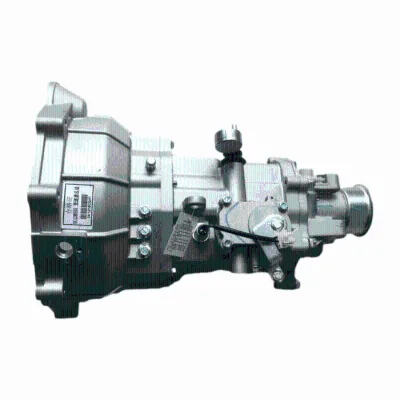


High Performance Powershift Transmission Gearbox with CE Certificate
$1000.00 - $12000.00
MOQ: 1 Pieces

Construction Equipment Gearbox Assembly Power Shift Transmission Analogue
$1000.00 - $12000.00
MOQ: 1 Pieces


Comprehensive Sourcing Guide
Strategic Sourcing Guide for Rebuild CVT Transmission Gearbox
Procuring a rebuilt Continuously Variable Transmission (CVT) gearbox requires a disciplined approach that balances technical verification with supply chain reliability. The market for these components is diverse, ranging from specialized automotive rebuilds to industrial gearboxes used in heavy machinery. Buyers must navigate a landscape where product attributes vary significantly between automotive applications and general industrial use. This guide outlines the critical factors for sourcing a Rebuild CVT Transmission Gearbox, focusing on verified specifications, compliance checks, and long-term procurement strategies based on current market data.
Technical Specifications and Component Verification
The foundation of a successful procurement lies in understanding the precise technical specifications of the unit being sourced. For automotive applications, specifically those compatible with Honda models such as the Accord, Civic, Odyssey, and Elysion, the core unit is often identified by the model designation 5LK. These units are typically remanufactured to OE (Original Equipment) standards, ensuring they meet the rigorous performance expectations of the original vehicle manufacturer. The transmission control system for these specific units is mechanical, operating with a 7-speed configuration, although the underlying technology is a CVT transmission type.
In contrast, the broader industrial market offers gearboxes with different operational parameters. For machinery and motor applications, the product model RV GEARBOX represents a distinct category. These units often feature a single-step process and utilize a worm gear configuration combining brass and cast iron. The gear shaft in these industrial units is typically constructed from Chromium Steel-45#, providing the necessary durability for high-torque applications. The input speed for such industrial gearboxes can reach up to 800 RPM, with an output torque capability of 525 Nm.
When evaluating a rebuild CVT transmission, buyers must verify the specific material composition and manufacturing method. While automotive rebuilds focus on the internal valve body and torque converter, industrial gearboxes may utilize sintered gear manufacturing methods. The toothed portion shape is a critical differentiator; some units feature spur gears, while others utilize circular gear types. The protection grade is another vital specification, with many industrial units rated at IP55 to ensure resistance against dust and water jets. Buyers should confirm whether the unit is designed for external gear positioning or internal configurations, as this dictates the mounting requirements for the final assembly.
Compliance, Certification, and Standard Alignment
Ensuring that a sourced component meets regulatory and industry standards is essential for risk mitigation. In the automotive sector, the standard for a rebuilt 5LK CVT transmission is explicitly aligned with OE standards. This alignment ensures that the remanufactured unit will integrate seamlessly with the vehicle's existing electronic and mechanical systems. For industrial applications, the product standard is often defined by dimensional ranges, such as 10-180MM, which dictates the physical compatibility of the gearbox with various machinery frames.
While ISO 9001 is a widely recognized quality management standard, buyers should verify its specific applicability to the supplier's current production lines rather than assuming it applies to every listed product. The supply chain for these components often originates from Guangzhou, China, or other manufacturing hubs in China. Buyers must request documentation confirming that the supplier adheres to local export regulations and international shipping standards.
For industrial gearboxes, the protection grade of IP55 is a standard observation for units designed for harsh environments. However, this should not be assumed for all products without verification. The material composition, such as the use of stainless steel or aluminum for the gearbox body, must be confirmed against the specific application requirements. For instance, while some units offer aluminum or cast iron bodies, others may be constructed entirely from stainless steel to resist corrosion in specific agricultural or marine environments.
Cost Drivers and Pricing Dynamics
The pricing of a rebuilt CVT transmission gearbox is influenced by several dynamic factors, including the complexity of the rebuild, the quality of replacement parts, and the logistics involved. The observed price range in the market spans from 1 USD to 12,000 USD, reflecting the vast difference between small industrial components and complete automotive transmission assemblies. This wide range indicates that price alone is not a reliable indicator of quality; instead, buyers must correlate cost with the specific model and application.
For automotive rebuilds, the cost is driven by the labor intensity of the remanufacturing process and the cost of original equipment parts used during the rebuild. The condition of the unit, described as "remanufactured," implies a higher cost than a simple repair but offers a longer service life. In the industrial sector, the cost is often driven by the materials used, such as the chromium steel shafts or the specific alloy of the worm gear.
Minimum Order Quantity (MOQ) is another significant cost driver. The observed MOQ range spans from 1 set to 10,000 units. For buyers requiring a single unit for a repair, the cost per unit may be higher due to the lack of volume discounts. Conversely, bulk purchasers can negotiate better rates, but they must manage the inventory costs associated with holding large stock. The packaging method, ranging from PE bags to wooden cases, also impacts the final landed cost, as heavier and more protective packaging increases shipping expenses.
Typical Applications and Compatibility Analysis
Understanding the specific application of the gearbox is crucial for selecting the right component. In the automotive sector, the 5LK CVT transmission is designed for compatibility with diesel vehicles and specific gasoline models like the Accord, Civic, Odyssey, and Elysion. These units are intended for replacement or repair purposes, ensuring that the vehicle maintains its fuel efficiency and eco-friendly performance characteristics. The drive type for these applications is typically four-wheel drive, requiring a robust torque converter of the multi-plate type.
In the industrial sector, the applications are equally diverse. The RV GEARBOX and similar models are utilized in agricultural machinery, general machinery, and motor applications. The ability to customize the voltage to 380V or other requirements makes these units versatile for different power grids. The frequency is typically 50/60Hz, accommodating global power standards. The motor power range of 0.09kw to 15kw allows these gearboxes to be used in everything from small conveyors to heavy-duty industrial mixers.
The following table summarizes the key application differences between automotive and industrial units:
| Feature | Automotive Rebuild (5LK) | Industrial Gearbox (RV/FLF) |
|---|---|---|
| Primary Application | Cars (Accord, Civic, etc.) | Agricultural Machinery, Motors |
| Drive Type | Four-Wheel Drive | General Machinery |
| Gear Type | CVT Transmission | Worm Gear / Spur Gear |
| Material | Steel, Cast Iron | Aluminum, Cast Iron, Stainless Steel |
| Voltage | Vehicle Specific | 380V (Customizable) |
| Efficiency | Fuel-Efficient, Eco-Friendly | High Torque, Durable |
Supplier Evaluation and Sourcing Strategy
Evaluating a supplier for a rebuilt CVT transmission requires a focus on their ability to meet specific customization and quality requirements. The market data indicates that customization is available for many products, including voltage, color, and material composition. Buyers should verify the supplier's capacity to handle these custom requests without compromising the integrity of the rebuild. For example, the ability to provide copper wire or aluminum wire for enamelled windings is a sign of a flexible manufacturing process.
The brand name, such as Pym, may appear on certain industrial units, but buyers should not rely solely on brand recognition. Instead, they should request detailed product data sheets and test results to verify performance claims. The delivery time for these units is typically within 15-30 workdays, which is a critical factor for production planning. Buyers must ensure that the supplier can consistently meet this lead time, especially during peak demand periods.
When evaluating suppliers, buyers should also consider the packaging standards. Industrial units often require wooden case packaging to prevent damage during transit, while automotive parts may be shipped in standard cartons or pallets. The supplier's ability to provide secure packaging is essential for maintaining the condition of the rebuilt unit. Additionally, the supplier's location, such as Guangzhou, China, can impact shipping costs and lead times. Buyers should calculate the total landed cost, including freight and duties, to make an informed decision.
Quality Control and Long-Term Procurement Considerations
Quality control is paramount when sourcing a rebuilt CVT transmission. Buyers must implement a rigorous inspection process to verify that the unit meets the specified standards. This includes checking the hardness of the toothed surface, which is often hardened to ensure longevity. The step count, such as single-step configurations, must also be verified to ensure compatibility with the intended application.
For long-term procurement, buyers should establish a relationship with suppliers who offer consistent quality and reliable lead times. The ability to source parts with a specific ratio, such as 7.5, 10, 15, up to 100, is essential for matching the gearbox to the motor's speed requirements. Buyers should also consider the availability of spare parts and the supplier's support for future repairs.
The condition of the unit, whether remanufactured or new, should be clearly documented. For automotive applications, the "remanufactured" status implies that the unit has been restored to OE specifications, but buyers should request a warranty or guarantee to protect their investment. In the industrial sector, the protection grade and material composition are key indicators of durability. Buyers should verify that the unit is suitable for the operating environment, whether it involves high humidity, dust, or extreme temperatures.
By adhering to these guidelines, buyers can navigate the complex market for rebuilt CVT transmission gearboxes with confidence. The key is to focus on verified specifications, rigorous supplier evaluation, and a clear understanding of the application requirements. This approach ensures that the sourced components will perform reliably, minimizing downtime and maximizing the return on investment for the procurement effort.
FAQs
What is the condition of the 5LK CVT transmission gearbox?
The 5LK CVT transmission gearbox is available in remanufactured condition to meet OE standards. This unit is designed for replacement or repair purposes in specific Honda models like the Accord and Civic, ensuring fuel efficiency and eco-friendly performance.
Which motor power range applies to the RV gearbox?
The RV gearbox supports a motor power range from 0.09kw to 15kw. This versatility allows the unit to be used in various agricultural machinery and general motor applications, accommodating different industrial load requirements.
Can the voltage be customized for industrial gearboxes?
Yes, the voltage can be customized to meet specific needs beyond the standard 380V. Buyers can request alternative voltage configurations, and the frequency is typically available in 50/60Hz to suit global power standards.
What is the delivery time for sourcing these gearboxes?
The delivery time is typically within 15 to 30 workdays. This lead time applies to both automotive rebuilds and industrial units, allowing buyers to plan their production schedules accordingly.
Which materials are used for the gearbox body?
The gearbox body is constructed from aluminum or cast iron, with some units featuring stainless steel. These materials provide durability and resistance, making them suitable for harsh environments and heavy-duty machinery applications.
What is the minimum order quantity for a single unit?
The minimum order quantity can be as low as 1 set for specific automotive rebuilds. However, the general MOQ range observed in the market extends up to 10,000 units depending on the supplier and product type.
Which gear types are available for industrial applications?
Industrial applications offer worm gears and spur gears with hardened tooth surfaces. The worm gear configuration often combines brass and cast iron, while the gear shaft is typically made of chromium steel-45# for high torque.