Source Receipt Printing Mini Thermal Printer for Retail, Food, and Logistics
Compare 25 Receipt Printing Mini Thermal Printer models from verified suppliers. Evaluate features like print speed, resolution, and interface types to find the right device for your business needs; compare the available evidence and request quotations based on your requirements.
Key considerations
Products List
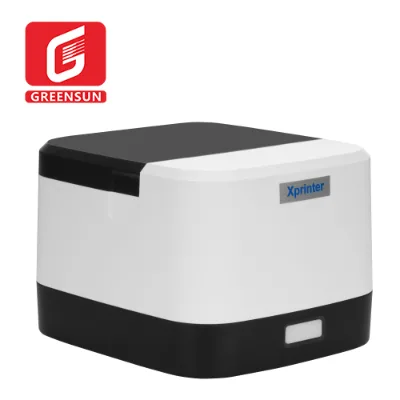
Mini Printer Thermal for Receipt Thermal Paper Printer Thermal Printer.
$41.25 - $46.40
MOQ: 1 Minimum


58mm Handheld Mobile Thermal Receipt Printer Mini POS Printer for Business
$60.00 - $70.00
MOQ: 50 Pieces


Wireless 80mm Thermal Printer Mini Handheld Receipt Machine for POS System
$32.00 - $36.00
MOQ: 2 Pieces


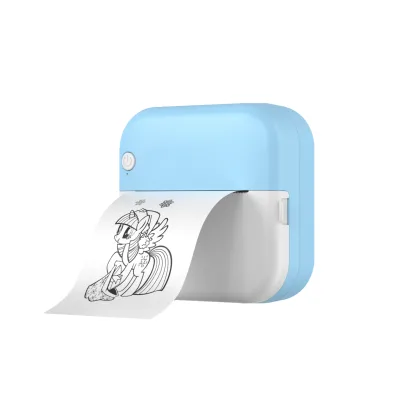
Comprehensive Sourcing Guide
Receipt Printing Mini Thermal Printer Sourcing Guide
Procurement teams evaluating receipt printing mini thermal printers must first distinguish between models with and without integrated power sources. The observed market data indicates a clear split between units featuring a 1500mAh rechargeable lithium battery and those explicitly listed as battery-free. Buyers should verify the specific power configuration required for their operational environment, as the absence of a battery necessitates a constant external power supply, while the presence of one enables portable deployment in mobile retail or field service scenarios.
Commercial listings reveal significant variation in packaging dimensions and gross weights, suggesting differences in internal component density and protective casing materials. Some units are packaged in compact 13x11.6x6 cm boxes weighing 205g, while others arrive in larger 30x30x30 cm packages weighing up to 3kg. This disparity directly impacts logistics planning and storage requirements, requiring buyers to calculate shipping costs based on the specific model selected rather than assuming a uniform footprint for all mini thermal printers in this category.
Product Scope and Observed Listing Signals
The core functionality of these devices centers on thermal line printing, capable of rendering English text, numbers, symbols, graphics, curves, and icons at speeds ranging from 70 to 90mm per second. The maximum paper width is consistently observed at 58mm, making these units ideal for compact receipt generation in point-of-sale environments. Buyers must confirm that the printing content capabilities align with their specific branding needs, as the resolution limits and graphic rendering abilities vary between the 203 dpi and 384 dots per line specifications found in current listings.
Interface connectivity is another critical signal, with most observed models supporting USB connections while explicitly lacking network function support. This limitation dictates that these printers are best suited for direct connection to a host device rather than networked environments. Procurement teams should verify if the included software development kit is available, as several listings indicate "No" for SDK support, which may restrict integration with custom inventory or accounting software without third-party middleware solutions.
Technical Specifications to Verify
Resolution and print speed are the primary technical differentiators that affect receipt clarity and transaction throughput. While some models offer a maximum resolution of 203 dpi, others provide a higher density of 384 dots per line, which is essential for printing high-quality barcodes and complex graphics. Buyers must match these specifications to their operational volume, as the 70-90mm/s speed range ensures rapid processing but requires verification that the specific model can sustain this rate without overheating during continuous high-volume usage.
Physical dimensions and paper handling mechanisms require precise validation to ensure compatibility with existing counter space and paper roll inventory. The maximum roll diameter is typically 40mm, but the external dimensions of the printer itself vary significantly, ranging from 100x79x45mm to 100x75x45mm. Additionally, the automatic paper supply mode is a standard feature, yet the single package size can differ drastically between 15x13x8cm and larger configurations, necessitating a physical check of the unit's footprint before finalizing the order to prevent installation issues.
Compliance and Safety Documentation
Electrical safety is paramount when selecting a thermal printer, particularly regarding the power adapter specifications. The observed listings consistently specify a 5V-1A adapter, which is a standard low-voltage requirement for these compact devices. However, buyers must ensure that the power supply provided meets the electrical safety standards of their local jurisdiction, as the internal battery models with 7.4V lithium cells introduce additional safety considerations regarding charging protocols and thermal management during operation.
Regulatory compliance documentation often includes references to ISO 9000 and ISO 14001 standards, though these should be treated as background indicators rather than guaranteed certifications for every unit. The CE certification is frequently mentioned in the broader category context, but procurement teams must request specific test reports or certificates of conformity for the exact model number ordered. Without explicit documentation, assuming compliance can lead to regulatory hurdles, especially when importing devices into markets with strict electromagnetic compatibility and safety regulations.
Cost Drivers and Commercial Terms
Pricing for receipt printing mini thermal printers exhibits a wide range, observed between 0.1 and 150 USD, driven primarily by the inclusion of batteries, resolution capabilities, and brand reputation. The Xprinter brand is a prominent supplier in this space, but the cost variance suggests that lower-priced units may lack certain features like SDK support or advanced resolution. Buyers should analyze the total cost of ownership, considering that higher initial costs for models with batteries and higher resolution may yield long-term savings through reduced maintenance and improved print quality.
Minimum Order Quantities (MOQ) and supply terms vary significantly, with observed ranges spanning from 1 to 5000 units. This flexibility allows small businesses to test the market with single-item purchases while enabling large enterprises to negotiate bulk rates. However, the "Stock" status of many items suggests immediate availability, whereas customizations such as private molds may introduce lead times. Procurement teams must clarify whether the quoted price includes the power adapter and accessories, as these components are often listed separately in the accessory specifications.
Supplier Qualification and Quality Control
Supplier reliability is often indicated by the availability of after-sales services, which range from return and replacement policies to free spare parts provision. The presence of a 1-year warranty is a common standard, but buyers must verify the specific terms of this warranty, including whether it covers the print head or only the main body. Additionally, the "Others" category for after-sales service suggests that some suppliers may offer limited support, requiring buyers to establish clear communication channels and response time expectations before finalizing the contract.
Quality control processes should be validated through the supplier's ability to provide consistent product attributes across batches. The observation of varying gross weights and package sizes for similar models indicates potential inconsistencies in manufacturing or packaging standards. Buyers should request samples to verify the actual build quality, ensuring that the thermal printing mechanism operates smoothly and that the automatic paper feed does not jam. Confirming the customization availability is also crucial, as some suppliers offer private mold options while others do not, affecting the ability to brand the device.
Long-Term Procurement Checks
Sustainability and lifecycle management are critical considerations for thermal printers, particularly regarding the disposal of lithium batteries and electronic waste. Models equipped with 1500mAh batteries require specific disposal protocols, and buyers should inquire about the supplier's recycling programs or end-of-life support. The absence of network functions in many models also simplifies the long-term maintenance profile, as there are fewer firmware updates or connectivity issues to manage compared to networked alternatives.
Future-proofing the procurement strategy involves assessing the compatibility of the printer with evolving software ecosystems. Since many models lack SDK support, buyers must ensure that the existing POS systems can communicate via the ESC/POS command set without requiring additional development resources. Regular checks on the availability of replacement parts, such as print heads and power adapters, are essential to maintain operational continuity. Verifying the supply chain stability for these consumables ensures that the procurement team can sustain operations without interruption over the device's lifespan.
FAQs
What is the maximum paper size supported by this receipt printer?
The device supports a maximum paper width of 58mm, which is the standard size for most retail and hospitality receipt applications. This specification ensures compatibility with widely available thermal paper rolls, allowing for seamless integration into existing point-of-sale systems without requiring custom paper solutions or adapters.
Can this printer operate without an internal battery?
Yes, the standard model operates without an internal battery and requires a continuous external power supply via a 5V-1A adapter. This design ensures stable performance for fixed installations. However, specific variants like the MP-58C include a 1500mAh rechargeable lithium battery, offering portability for mobile or temporary setups where power outlets are unavailable.
What is the printing speed and resolution of this thermal printer?
The printer delivers a color print speed of 90mm/s and a black print speed ranging from 70 to 90mm/s. It features a maximum resolution of 203 dpi with 384 dots per line, ensuring crisp text and graphics. This performance level is suitable for high-volume receipt printing in busy retail or restaurant environments.
Does this receipt printer support network connectivity?
No, this specific model does not support network functions and relies on a USB interface for connectivity. It is designed for direct connection to computers or POS terminals. Buyers requiring wireless or Ethernet capabilities should look for models with Bluetooth or network support, as this unit is strictly limited to local wired connections.
What after-sales service and warranty are provided for this product?
The product comes with a 1-year warranty and offers return and replacement services. Additional after-sales support includes free spare parts availability. These terms provide buyers with assurance regarding product longevity and maintenance, ensuring that any potential hardware issues can be resolved efficiently through the supplier's established support channels.