Source Rechargeable Industrial Robot Battery Cell for Robots, Logistics, and Fire Fighting
Compare 30 verified options for the Rechargeable Industrial Robot Battery Cell, featuring capacities from 27Ah to 9540mAh and cycle lives up to 2000. This selection covers diverse applications including fire fighting, logistics vehicles, and robot vacuum cleaners with varying voltage and discharge specifications.
Key considerations
Products List







Comprehensive Sourcing Guide
Strategic Sourcing Guide for Rechargeable Industrial Robot Battery Cells
Understanding Technical Specifications and Performance Metrics
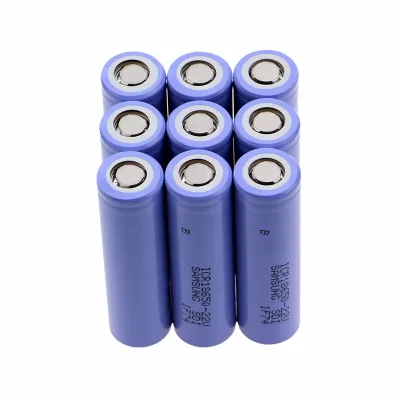
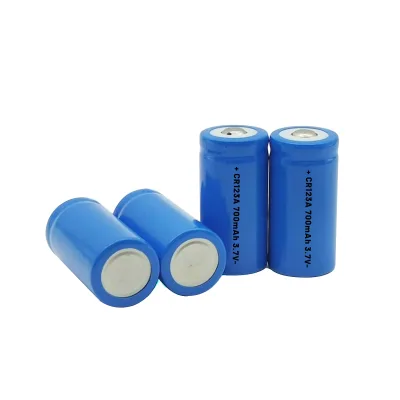
When sourcing rechargeable industrial robot battery cells, the primary objective is to align technical specifications with the rigorous demands of automated environments. The market offers a diverse array of configurations, ranging from compact cells designed for consumer-grade vacuum cleaners to robust packs intended for heavy-duty logistics vehicles. A critical observation in the current supply landscape is the variation in cathode materials, which fundamentally dictates the battery's energy density, thermal stability, and cycle life. For instance, some available units utilize NCM (Nickel Cobalt Manganese) chemistry, which often supports higher energy densities, while others rely on LiFePO4 (Lithium Iron Phosphate) technology, known for enhanced safety and longer operational lifespans.
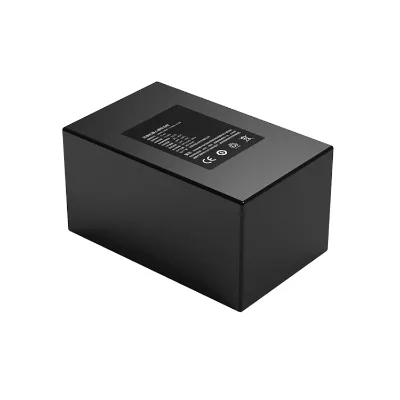
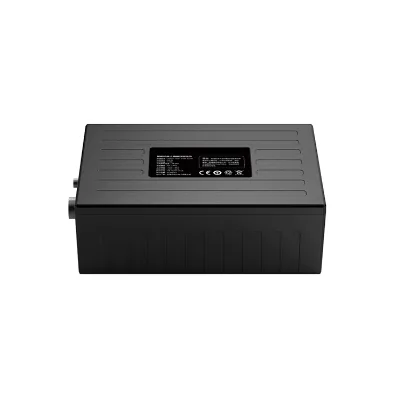
Buyers must carefully evaluate the specific capacity and voltage requirements of their robotic applications. Data indicates that available models range significantly in capacity, with observed values including 27Ah and 9540mAh configurations. Voltage ratings also vary, with specific units operating at 14.4V, 48V, or even 54V charge voltages. The physical dimensions are equally critical; some units are compact, measuring approximately 98mm by 60mm by 85mm, while larger industrial packs can reach dimensions of 470mm by 430mm by 277mm. The weight of the battery is a direct function of its capacity and chemistry, with observed weights ranging from 300g for smaller units to 50kg for large-scale energy storage or vehicle applications.
Cycle life is another paramount specification. Different product lines offer distinct longevity profiles, with observed cycle counts ranging from 800 cycles to over 2000 cycles. This variance directly impacts the total cost of ownership; a battery with a higher cycle count may have a higher upfront cost but offers superior value over the long term. Furthermore, the operating temperature range is a vital consideration for industrial robots that may operate in non-climate-controlled environments. Verified data points show operating ranges extending from -20°C to 55°C or -20°C to 60°C, ensuring functionality in diverse thermal conditions. Pulse discharge rates, such as 10c, indicate the battery's ability to deliver high current bursts, which is essential for robots requiring rapid acceleration or lifting heavy loads.
Compliance, Certification, and Safety Standards
In the industrial sector, compliance is not merely a regulatory formality but a prerequisite for operational safety and liability protection. When evaluating suppliers, buyers must verify that the products possess recognized certifications that validate their safety and environmental compliance. The supply chain for rechargeable batteries includes units certified under CE, RoHS, UN38.3, and MSDS standards. These certifications are critical for ensuring that the battery cells meet international safety requirements for transportation, particularly UN38.3, which governs the testing of lithium batteries for air and sea freight.
While specific standards such as UL 2580 and IEC 62619 are often referenced in the broader industry context, buyers should treat these as benchmarks for verification rather than guaranteed attributes of every listed product. It is essential to request and review the actual certification documents for the specific model being procured. The presence of a Battery Management System (BMS) is another critical safety feature. Some available units are equipped with BMS technology featuring CAN bus communication, which allows for real-time monitoring of cell voltage, temperature, and state of charge, thereby preventing overcharging, deep discharge, and thermal runaway.
Safety features are often highlighted as a core attribute of industrial-grade cells. Buyers should look for explicit mentions of safety mechanisms in the product specifications. Additionally, the packaging standards must be considered; while some units are shipped in standard cartons, others may require custom packaging according to customer requirements to ensure safe transit. The origin of the product also plays a role in compliance, with major manufacturing hubs located in regions such as Taizhou, Jiangsu, and Hunan in China. Understanding the geographical origin helps in assessing the regulatory environment under which the products were manufactured and the potential for supply chain disruptions.
Cost Drivers and Pricing Dynamics
The pricing of rechargeable industrial robot battery cells is influenced by a complex interplay of factors, including capacity, chemistry, certification levels, and customization requirements. The observed price range in the market is exceptionally broad, spanning from $0.04 to $872.69 USD. This vast disparity reflects the difference between individual cells or small modules and complete, high-capacity battery packs designed for heavy industrial use. Buyers must avoid comparing prices across different categories; a low price per unit may refer to a single cell, whereas a high price likely encompasses a fully assembled pack with integrated BMS and safety features.
Capacity is a primary driver of cost. Units with higher capacities, such as the 9540mAh or 27Ah models, naturally command higher prices than smaller variants. Similarly, the choice of cathode material affects the price point. LiFePO4 batteries, while often more expensive upfront due to material costs, offer a longer cycle life and superior safety profile, which can reduce long-term replacement costs. Customization is another significant cost factor. While standard models are available, the market supports customization options, which can increase the unit price but tailor the solution to specific robotic applications.
The Minimum Order Quantity (MOQ) also impacts the effective cost per unit. The observed MOQ range spans from 1 to 1000 units. Buyers purchasing in smaller quantities may face higher per-unit costs, while those ordering in bulk can leverage economies of scale. However, high MOQs may not be suitable for all procurement scenarios, particularly for pilot projects or specialized applications. Lead times, which can vary from standard shipping durations to 45-55 days for custom or large-volume orders, also influence the total cost of ownership by affecting inventory holding costs and production scheduling.
Typical Applications and Usage Scenarios
Rechargeable industrial robot battery cells serve a wide spectrum of applications, ranging from light-duty consumer robotics to heavy-duty industrial machinery. The versatility of these power sources is evident in the diverse usage scenarios documented in the market. Common applications include robot vacuum cleaners, which require compact, lightweight batteries with moderate capacity, such as the 9540mAh units weighing around 750g. These applications prioritize energy density and cycle life to ensure consistent performance over extended periods of daily use.
In the industrial sector, the demands are far more stringent. Logistics vehicles, fire fighting robots, and heavy-duty automated guided vehicles (AGVs) require high-capacity, high-voltage batteries capable of sustaining prolonged operation under heavy loads. The 48V and 54V systems, with capacities up to 27Ah or higher, are specifically designed for these robust applications. These batteries must withstand high discharge currents, with some units supporting discharge currents up to 100A, ensuring that the robots can perform demanding tasks without power degradation.
The integration of advanced features like CAN bus BMS is particularly valuable in complex robotic systems where real-time data monitoring is crucial for safety and efficiency. The ability to operate in a wide temperature range, from -20°C to 60°C, makes these batteries suitable for outdoor logistics, cold storage facilities, and industrial environments with fluctuating thermal conditions. Whether for a small vacuum cleaner or a large fire-fighting robot, the selection of the correct battery depends on matching the specific power, voltage, and physical constraints of the application.
Supplier Evaluation and Sourcing Strategy
Evaluating suppliers for industrial robot battery cells requires a meticulous approach that goes beyond simple price comparison. Buyers should prioritize suppliers who demonstrate transparency in their product specifications and provide clear documentation regarding certifications and testing. The origin of the product is a key indicator of quality and consistency, with major manufacturing centers in China, such as Taizhou and Hunan, producing a significant volume of these components. However, the specific location of the factory can influence lead times and logistics costs, which must be factored into the procurement strategy.
Customization capabilities are a strong differentiator among suppliers. While many offer standard models, the ability to tailor the battery size, capacity, and packing to specific customer requirements is a valuable asset. Suppliers who offer "According to Customer's Requirement" packing options demonstrate flexibility and a commitment to meeting diverse client needs. Additionally, the availability of a BMS with advanced communication protocols like CAN bus indicates a supplier's focus on high-tech integration and safety.
Buyers should also assess the supplier's track record regarding cycle life and performance consistency. Claims of over 1200 or 2000 cycles should be backed by verifiable test data. The presence of a single-item selling unit option suggests that the supplier is willing to accommodate smaller orders, which can be beneficial for prototyping or small-scale deployments. However, for large-scale industrial adoption, the supplier's ability to handle high MOQs and manage lead times of 45-55 days is critical for maintaining production continuity.
Quality Control and Long-Term Procurement Considerations
Ensuring the quality of rechargeable industrial robot battery cells is essential for the reliability and safety of automated systems. Quality control processes should encompass rigorous testing of voltage, capacity, cycle life, and thermal performance. Buyers should verify that the products undergo standard testing procedures, including pulse discharge rate tests and temperature cycling, to ensure they meet the specified performance metrics. The discharge cut-off voltage, such as 37.5V for certain 48V systems, is a critical parameter that must be maintained to prevent damage to the battery cells and the connected robotic equipment.
Long-term procurement considerations involve analyzing the total cost of ownership rather than just the initial purchase price. Factors such as cycle life, energy density, and maintenance requirements play a significant role in determining the economic viability of a battery solution. A battery with a higher cycle life, such as 2000 cycles, may reduce the frequency of replacements and lower the overall cost over the lifespan of the robotic system. Additionally, the availability of spare parts and the supplier's support for warranty claims are crucial for minimizing downtime.
The packaging and shipping standards also impact long-term procurement. Ensuring that batteries are packed securely to prevent damage during transit is vital, especially for large, heavy units. The use of standard cartons or custom packaging as per customer requirements can help mitigate the risk of damage. Finally, buyers should maintain a strategic relationship with suppliers who can adapt to changing market conditions and technological advancements, ensuring a steady supply of high-quality, compliant battery cells for their industrial robotics operations.
FAQs
What cathode materials are available for these batteries?
Available units utilize NCM or LiFePO4 cathode materials. NCM supports higher energy density while LiFePO4 offers enhanced safety and longer cycle life for industrial applications.
Can I find batteries with a cycle life over 2000 cycles?
Yes, specific models offer a cycle life of over 2000 cycles. These high-performance units are suitable for heavy-duty logistics vehicles and fire fighting robots requiring extended operational lifespans.
What is the operating temperature range for these cells?
Verified operating ranges extend from -20°C to 55°C or -20°C to 60°C. This ensures functionality in diverse thermal conditions including outdoor logistics and non-climate-controlled industrial environments.
Which certifications are standard for these industrial batteries?
Standard certifications include CE, RoHS, UN38.3, and MSDS. These validate safety for transportation and ensure compliance with international requirements for lithium battery handling and freight.
How does the minimum order quantity vary for these products?
The minimum order quantity ranges from 1 to 1000 units depending on the supplier and model. Smaller quantities suit prototyping while bulk orders leverage economies of scale for large deployments.
Can I request custom packaging for these battery packs?
Yes, some suppliers offer packaging according to customer requirements. This flexibility ensures safe transit and allows tailoring of the solution to specific robotic application constraints and logistics needs.
What is the typical lead time for custom orders?
Lead times can vary from standard shipping to 45-55 days for custom or large-volume orders. Buyers must factor this into production scheduling and inventory holding costs for continuous supply.