Source Rechargeable Indoor Electronic Mouse Trap for homes, farms, and perimeter
Find 30 options for Rechargeable Indoor Electronic Mouse Trap units designed for homes, farms, and perimeter areas. Compare specifications, power types, and pricing to select the right electronic rodent killer for your needs.
Key considerations
Products List

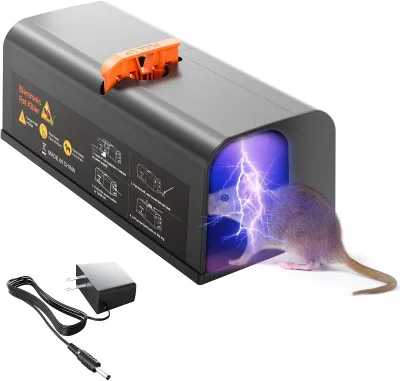
Indoor Electronic Mouse Killer Mice Trap Rat Trap Rodent Trap for Pest Zapper
$12.39 - $14.98
MOQ: 100 Pieces


Safe Indoor Electronic Rat Trap Rodent Mouse Trap for Effective Pest Zapper
$14.10 - $25.21
MOQ: 500 Pieces

Indoor Mouse Electronic Pest Control Device Rodent Rat Zapper for Home Trap
$12.39 - $14.98
MOQ: 100 Pieces


Indoor Electronic Rat Killer Mice Trap Mouse Trap Rodent Electronic Trap
$12.70 - $14.50
MOQ: 1000 Pieces

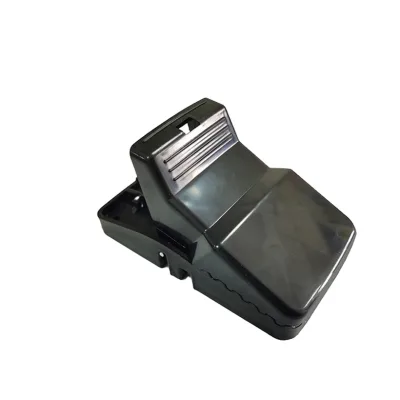
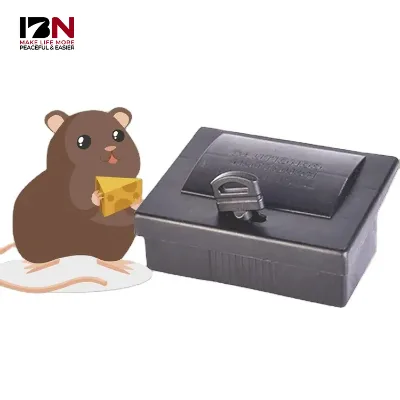
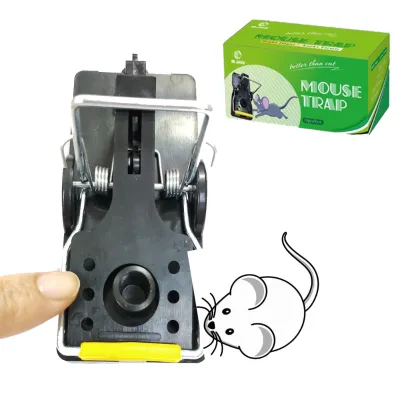
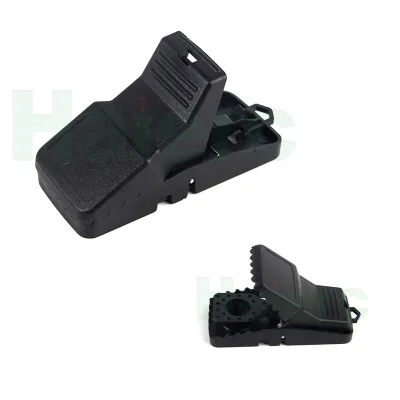
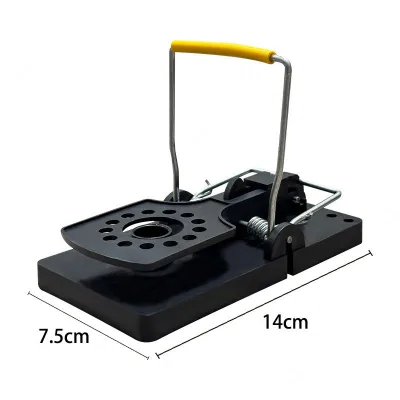
Home Rat Catcher Rat Traps Mousetrap Plastic Mouse Trap for Mice Control
$0.45 - $0.60
MOQ: 1000 Pieces
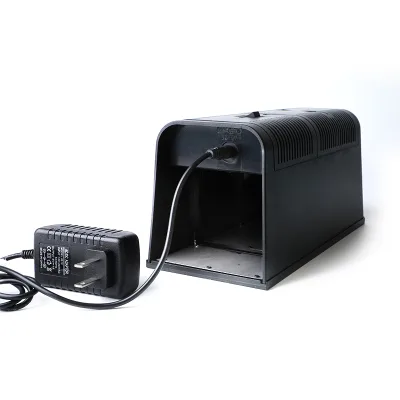
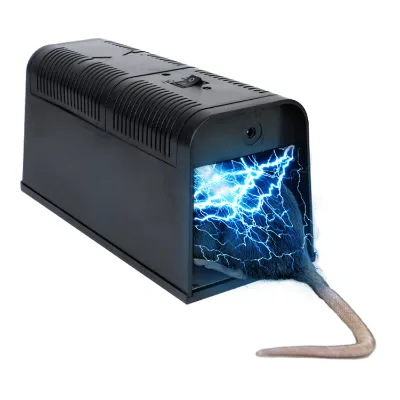
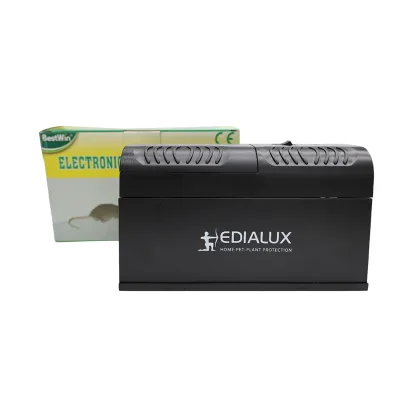
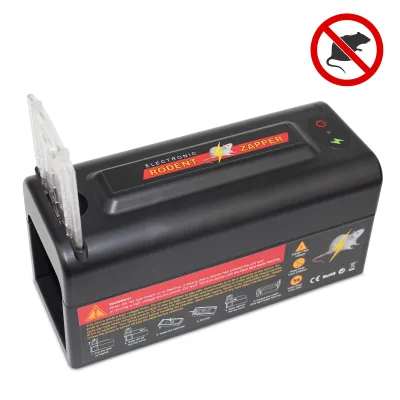


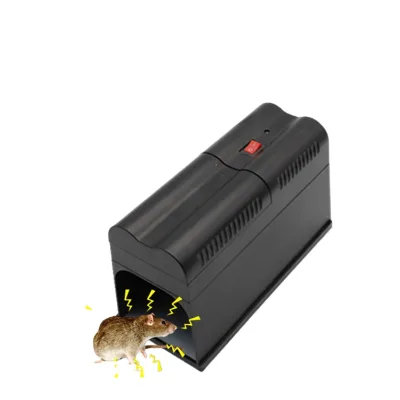



Indoor Electronic Traps Insect Killer Mouse Trap Pest Repeller Anti Mosquito New
$0.48 - $0.50
MOQ: 2000 bottle
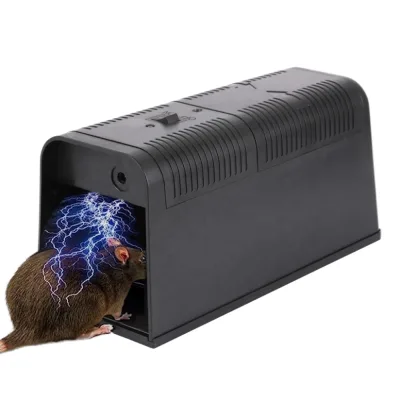

Comprehensive Sourcing Guide
Strategic Sourcing Guide for Rechargeable Indoor Electronic Mouse Traps
Understanding the Product Category and Technical Architecture
The procurement of rechargeable indoor electronic mouse traps requires a precise understanding of the underlying technology and its operational parameters. These devices are categorized primarily as electronic traps designed for high-voltage applications, utilizing a mechanism that delivers an electric shock to neutralize target pests. The core technical architecture relies on a power supply system that can be either battery-operated or adaptor-powered, with a specific subset of products featuring rechargeable capabilities. This rechargeable attribute is a critical differentiator in the market, offering buyers a sustainable solution that reduces long-term consumable costs associated with disposable batteries.
The physical design of these units typically adheres to a regular configuration, constructed from durable ABS materials to ensure safety and longevity. The internal circuitry is engineered to target specific pests, primarily mice, rodents, and rats, operating effectively within indoor environments. The application space for these devices generally ranges from 20 to 50 square meters for specific models, while other variants are rated for 50 to 100 square meters. Buyers must verify the specific coverage area of the unit they intend to purchase, as the effectiveness is directly correlated to the square footage of the treated zone. The physical form of the product is solid, ensuring stability during operation, and the design often incorporates barriers classified as electronic killers to prevent escape or re-entry of the pest.
Compliance, Certification, and Safety Standards
In the B2B procurement of electronic pest control devices, verifying compliance with international safety and environmental standards is non-negotiable. The supplied data indicates that products in this category frequently carry CE and RoHS certifications. The CE mark signifies conformity with health, safety, and environmental protection standards for products sold within the European Economic Area, while RoHS (Restriction of Hazardous Substances) ensures that the device does not contain specific hazardous materials like lead or mercury.
When evaluating potential suppliers, buyers should explicitly request documentation proving these certifications. It is important to note that while the observed data lists these standards, the actual certification status of any specific batch or model must be confirmed through valid test reports. The product origin is frequently listed as China, with specific manufacturing hubs in Zhejiang province. This geographic concentration suggests a mature supply chain, but it also necessitates rigorous quality control to ensure that the "CE" and "RoHS" claims are backed by legitimate third-party testing rather than self-declaration.
Furthermore, the standard operating parameters for these devices often include specific physical dimensions. For instance, some models are defined by dimensions such as 23.710.49.1cm or 114.85.7cm, while others may have outer box sizes like 45.4x25x38cm. These specifications are not merely aesthetic; they dictate the placement strategy and the physical footprint of the trap within a facility. Buyers must ensure that the listed dimensions align with their spatial requirements and that the packaging standards, whether color boxes, OPP bags, or standard cartons, meet their logistical needs.
Cost Drivers and Pricing Dynamics
The pricing structure for rechargeable indoor electronic mouse traps is influenced by several variables, including the power supply mechanism, material quality, and packaging. The observed price range in the market spans from 0.26 to 90 USD, a wide variance that reflects differences in product complexity, brand positioning, and order volume. The lower end of this spectrum likely corresponds to basic, non-rechargeable models or those with minimal packaging, while the higher end encompasses premium units with advanced rechargeable features, robust ABS construction, and comprehensive certification packages.
A significant cost driver is the rechargeable capability. Units equipped with built-in rechargeable batteries or those designed to work seamlessly with adaptors often command a higher unit price compared to those requiring standard C-type (No. 2) batteries. It is crucial for buyers to clarify whether the power source is included in the unit price. Some product listings specify that batteries are not included in the factory packaging, which can affect the total cost of ownership if the buyer needs to source them separately. Additionally, the "time used" metric, which can exceed 480 hours for certain models, is a key value proposition. A longer operational life per charge or set of batteries reduces the frequency of maintenance and replacement, thereby lowering the long-term procurement cost.
The Minimum Order Quantity (MOQ) also plays a pivotal role in cost management. The observed MOQ range extends from 1 to 3000 units. Buyers purchasing small quantities may face a higher per-unit cost, whereas those capable of meeting higher MOQ thresholds can negotiate more favorable pricing tiers. Customization options, such as branding or specific packaging requirements, are available and will inevitably add to the base cost. Buyers should weigh the benefits of customization against the increased unit price and potential lead time extensions.
Typical Applications and Operational Scenarios
The versatility of rechargeable indoor electronic mouse traps makes them suitable for a diverse range of applications. The primary use cases include neatening and storage areas, animal control in agricultural settings, farm environments, and home and perimeter protection. The target pests are consistently identified as mice, rodents, and rats, indicating that these devices are optimized for small to medium-sized rodent infestations common in residential and commercial buildings.
In home and perimeter settings, the compact design and regular aesthetic allow these traps to blend into living spaces without being obtrusive. The "Eco-Friendly" feature highlighted in product attributes suggests that these devices are marketed as a humane and environmentally conscious alternative to chemical poisons or traditional snap traps. This is particularly relevant for buyers in the food service, hospitality, and residential sectors who prioritize non-toxic pest control solutions.
For agricultural and farm applications, the durability of the ABS material and the high-voltage capability ensure that the traps can withstand slightly more rugged environments. The applicable area of 20-50 square meters or 50-100 square meters allows for strategic placement in barns, storage sheds, and grain silos. The "Stocked" feature mentioned in some product descriptions indicates that these units are often available for immediate dispatch, which is beneficial for buyers facing urgent infestation issues. However, the specific "Use" cases should be matched against the actual product specifications to ensure the device can handle the specific pest pressure and environmental conditions of the intended location.
Supplier Evaluation and Quality Assurance
Selecting a reliable supplier for electronic mouse traps requires a multi-faceted evaluation process. Given that the product origin is often listed as Zhejiang, China, buyers should verify the specific manufacturing capabilities of the supplier. A robust supplier should demonstrate a clear track record in producing electronic pest control devices with consistent quality. The availability of customization services is a positive indicator of a flexible and customer-oriented manufacturer, but it should not come at the expense of product integrity.
Quality control is paramount, especially for electronic devices involving high voltage. Buyers should inquire about the supplier's internal testing protocols to ensure that the high-voltage output is consistent and safe. The "Feature: Eco-Friendly" and "Rechargeable" attributes must be validated through performance testing. For instance, the claim of ">480 Hours" of usage time should be backed by empirical data. Similarly, the "Physical Form: Solid" and "Material: ABS" specifications should be verified to ensure the product meets durability expectations.
When evaluating suppliers, buyers should also consider the packaging standards. The observed packaging types include Color Box, OPP Bag, and standard Boxes. The choice of packaging affects the product's presentation and protection during transit. A supplier that offers secure packaging with clear labeling of specifications, such as model numbers (e.g., AN-C555, H-ZD01, H-CX01, AG010) and dimensions, demonstrates professionalism. Additionally, the "Gross net weight of outer box" (e.g., 7/6.4 KG) is a critical data point for logistics planning and freight cost estimation.
Long-Term Procurement and Maintenance Considerations
For B2B buyers, the long-term viability of the product is as important as the initial purchase price. The rechargeable nature of these traps offers a distinct advantage in terms of sustainability and cost efficiency over time. However, the lifecycle of the rechargeable battery and the overall durability of the electronic components must be considered. Buyers should verify the expected lifespan of the rechargeable unit and the availability of replacement parts or servicing options.
The "Customized" and "Customization: Available" attributes suggest that buyers can tailor the product to their specific branding or functional needs. This is a valuable long-term strategy for companies looking to maintain a consistent brand image across their pest control solutions. However, customization often involves longer lead times and higher MOQs, which must be factored into the procurement planning.
Furthermore, the "Standard" and "Specification" details, such as the model numbers and dimensions, should be documented in the procurement contract to ensure consistency across future orders. The "Pest Control Type: Traps" and "Pest Type: Rodent" classifications should be clearly defined to avoid any ambiguity regarding the product's intended use. Finally, buyers should establish a clear communication channel with the supplier for after-sales support, including troubleshooting technical issues related to the high-voltage mechanism or rechargeable battery performance.
Comparative Analysis of Key Product Specifications
To facilitate informed decision-making, the following table summarizes the key specifications observed across different models in the market. This comparison highlights the variations in dimensions, packaging, and power requirements that buyers must consider.
| Specification | Model AN-C555 | Model H-ZD01 | Model H-CX01 | Model AG010 |
|---|---|---|---|---|
| Product Type | Electronic Trap | Electronic Trap | Electronic Trap | Electronic Trap |
| Power Supply | Battery or Adaptor | Battery or Adaptor | Battery or Adaptor | Battery or Adaptor |
| Rechargeable | Rechargeable | Non-Rechargeable | Non-Rechargeable | Rechargeable |
| Material | ABS | ABS | ABS | ABS |
| Single Package Size | 24X10.6X12 cm | 23.710.49.1 cm | 114.85.7 cm | 24x10.6X12 cm |
| Outer Box Size | 45.4x25x38 cm | N/A | N/A | N/A |
| Gross Net Weight | 7/6.4 KG | N/A | N/A | N/A |
| Packing Type | Color Box | OPP Bag | Box | N/A |
| Applicable Area | 50-100 Sqm | 20-50 Sqm | 20-50 Sqm | 20-50 Sqm |
| Target Pests | Mouse, Rodent, Mice | Mouse, Rodent, Mice | Mouse, Rodent, Mice | Mice, mouse, rat |
This comparative view underscores the importance of matching specific model attributes to the buyer's operational requirements. While all models share the core functionality of electronic rodent control, the differences in rechargeability, dimensions, and packaging can significantly impact the suitability of the product for a specific application. Buyers should carefully review these specifications against their needs before finalizing any procurement decision.
FAQs
What power supply options are available for these traps?
These traps operate using either battery or adaptor power supply. Some models are rechargeable while others require standard C-type batteries, which are often not included in the factory packaging.
Which certifications do these electronic traps typically hold?
The products frequently carry CE and RoHS certifications to ensure safety and environmental compliance. Buyers should verify valid test reports to confirm these standards are met for specific batches.
How large an area can a single trap cover effectively?
Applicable areas generally range from 20 to 50 square meters or 50 to 100 square meters depending on the model. Effectiveness is directly correlated with the specific square footage of the treated indoor zone.
Can buyers request customization for these rodent traps?
Yes, customization is available for branding and packaging requirements. This service allows tailored solutions but may involve higher unit prices and extended lead times depending on the order volume.
What is the typical price range for these electronic devices?
The observed price range spans from 0.26 to 90 USD based on complexity and features. Lower costs often reflect basic models, while higher prices include advanced rechargeable capabilities and comprehensive certification packages.
Which materials are used to construct these indoor traps?
The physical form is solid and constructed from durable ABS material to ensure safety and longevity. This design supports regular configurations suitable for indoor environments and perimeter protection.