Source Rechargeable Nail Drill for Manicure and Pedicure for Salon, Home, and Gift
Explore 30 options for a Rechargeable Nail Drill for Manicure and Pedicure designed for salon, home, and commercial use. Buyers can compare models like DF110 and W-202A, noting features such as brushed or brushless motors, LED displays, and adjustable speed levels up to 35,000 RPM.
Key considerations
Products List


Duofu Portable Nail Drill for Professional and Home Manicure Experiences
$17.99 - $22.99
MOQ: 1 Pieces

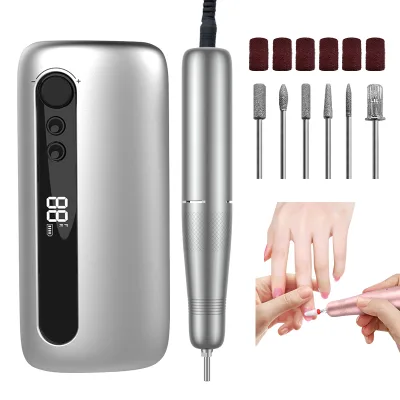


Professional Electric Portable 35000rpm Electric Manicure Pedicure Nail Drill
$25.93 - $33.69
MOQ: 12 Pieces


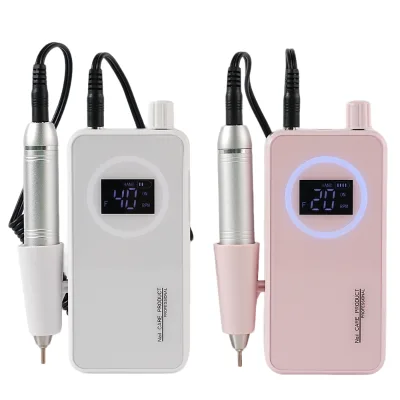
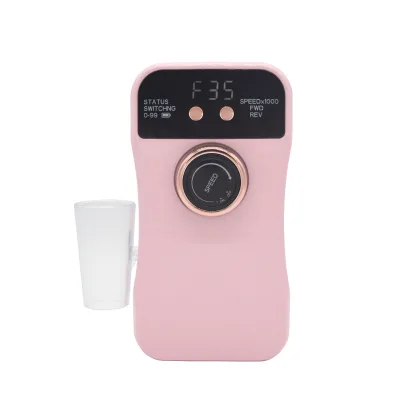
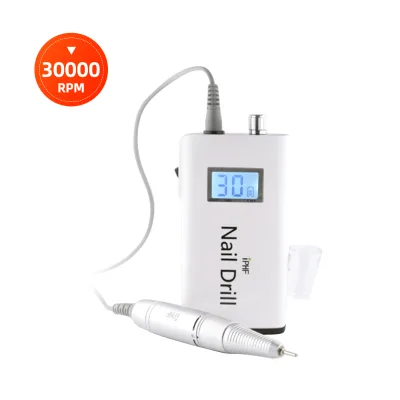
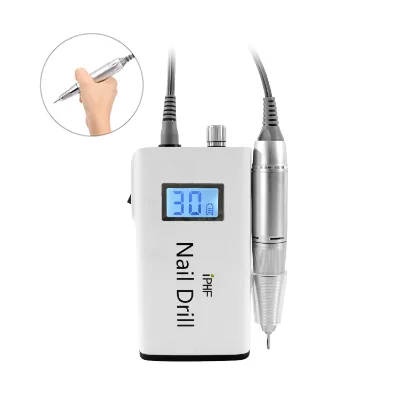
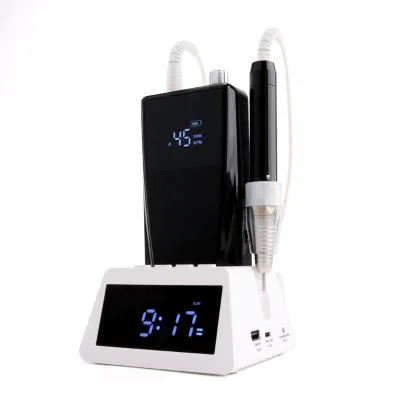
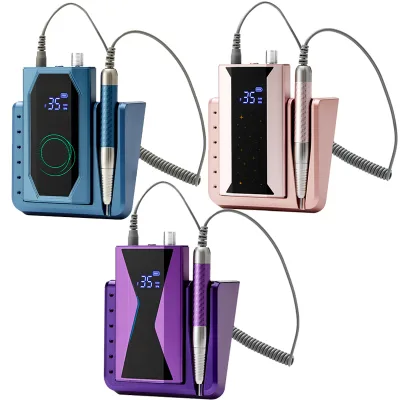
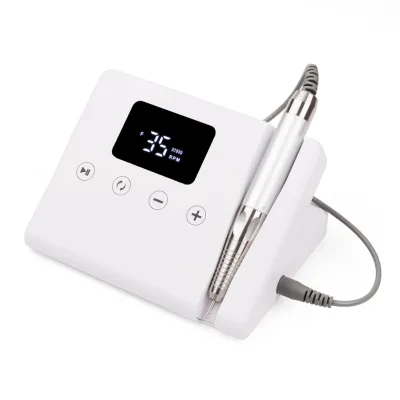
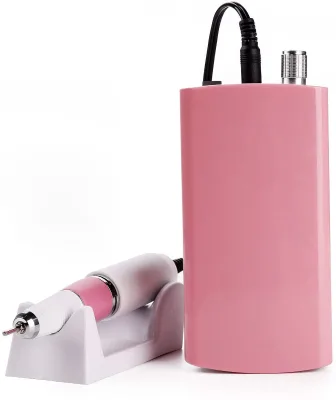


Comprehensive Sourcing Guide
Strategic Sourcing Guide for Rechargeable Nail Drill Systems
Technical Architecture and Performance Specifications
When evaluating rechargeable nail drill systems for professional and commercial procurement, the primary distinction lies in the motor architecture and power delivery mechanisms. The market presents two distinct motor technologies: brushed and brushless. Brushed motor variants, often identified by specific model identifiers such as DF110, offer a cost-effective entry point but typically exhibit higher friction and wear over time. In contrast, brushless motor configurations, found in models like the W-202A, provide superior longevity, reduced maintenance requirements, and more consistent torque delivery. For high-volume salon operations or commercial use where equipment runs for extended periods, the brushless architecture is generally preferred to minimize downtime.
Power output is another critical technical parameter. Procurement specifications should explicitly verify the power rating, which in observed market data ranges from 25W to higher capacity units. The battery technology is equally significant; while some units utilize standard 18650 Lithium batteries, others employ specialized Li-ion configurations with capacities such as 1500mAh. The voltage compatibility is a vital consideration for international distribution. Reliable units support dual voltage standards, specifically AC100-110V at 60Hz and AC200-240V at 50Hz, ensuring operational flexibility across different regional grids.
Speed control mechanisms define the versatility of the device. Advanced models feature 35 adjustable speed levels, capable of reaching up to 35,000 RPM. This wide range allows the tool to transition smoothly from aggressive filing to delicate cuticle work. The inclusion of a directional control system, offering both Forward (F) and Reverse (R) rotation, is essential for efficient nail removal and shaping. Furthermore, the integration of an LED light display provides real-time feedback on speed settings and battery status, reducing operator error during complex manicure and pedicure procedures.
Compliance, Certification, and Safety Standards
In the B2B procurement of electronic beauty devices, regulatory compliance is non-negotiable. Buyers must verify that suppliers possess a comprehensive suite of certifications that validate the safety and electromagnetic compatibility of the product. The observed market data indicates a requirement for multiple certifications, including CE, RoHS, FCC, EMC, IEC, UN38.3, and MSDS. Each of these serves a specific regulatory function: CE confirms conformity with health, safety, and environmental protection standards for the European Economic Area; RoHS restricts the use of specific hazardous materials; and FCC ensures the device does not interfere with radio communications in the United States.
Electromagnetic compatibility (EMC) and International Electrotechnical Commission (IEC) standards are particularly relevant for devices with high-speed motors and battery management systems. These certifications ensure that the electromagnetic emissions are within safe limits and that the device meets international electrical safety requirements. Additionally, UN38.3 certification is mandatory for the safe transportation of lithium batteries, which are integral to the rechargeable nature of these drills. MSDS (Material Safety Data Sheet) documentation is required to ensure that the materials used in the construction of the drill, including the housing and internal components, do not pose chemical hazards.
The absence of any single certification from this list should trigger a deeper due diligence process. Procurement teams should request valid test reports from accredited third-party laboratories rather than relying solely on supplier self-declarations. The packaging and labeling must also reflect these certifications clearly, as customs authorities in many jurisdictions will reject shipments lacking proper documentation. For products intended for the Chinese market or export, compliance with local standards is equally critical, often requiring specific labeling in the local language.
Cost Drivers and Pricing Dynamics
The pricing structure for rechargeable nail drills is influenced by a complex interplay of factors, including motor type, battery capacity, and the level of customization. The observed price range in the market spans from $2.50 to $145.90 USD, reflecting the vast difference between basic entry-level models and premium professional units. The lower end of this spectrum typically corresponds to brushed motor units with standard battery capacities and minimal features. Conversely, the higher price points are associated with brushless motors, advanced speed control systems, and premium finishes.
Customization is a significant cost driver. Suppliers offering OEM (Original Equipment Manufacturer) and ODM (Original Design Manufacturer) services can tailor the product to specific branding requirements, which inevitably increases the unit cost. The availability of small quantity orders (MOQ as low as 1 unit) allows for flexibility but may result in a higher per-unit price compared to bulk procurement. Buyers should note that the lead time, which varies between 7 to 25 days depending on order quantity, can also impact the overall cost structure, particularly if expedited shipping is required to meet tight deadlines.
Material selection plays a pivotal role in cost determination. Units constructed with stainless steel components, such as the drill bit housing or internal gears, command a premium over those using standard alloys or plastics. The inclusion of additional features, such as a Type-C power port, LED displays, and multiple color options (Black, Green, Pink), also adds to the manufacturing complexity and final price. Buyers must balance the initial investment against the total cost of ownership, considering factors like battery replacement cycles and motor durability.
Typical Applications and Usage Scenarios
Rechargeable nail drill systems are designed for a diverse range of applications, spanning professional salons, home use, and commercial settings. The primary usage categories include salon and home manicure and pedicure services, as well as gift and holiday retail markets. The versatility of these devices is enhanced by their ability to handle both toe and finger nail care, making them suitable for comprehensive foot and hand treatments.
In a professional salon environment, the high-speed capabilities and adjustable torque are essential for efficient service delivery. The ability to switch between forward and reverse directions allows technicians to perform intricate nail art, remove gel polish, and shape natural nails with precision. For home users, the portability and rechargeable nature of the device offer convenience, eliminating the need for constant corded power sources. The minimalist and luxe design styles observed in the market cater to different aesthetic preferences, ensuring the device fits seamlessly into various personal care routines.
Commercial applications extend beyond individual salons to include beauty supply stores, rental services, and educational institutions. The durability of the device is crucial in these high-traffic environments. Models with a 1-year warranty provide a safety net for commercial buyers, ensuring that any manufacturing defects are addressed promptly. The packaging, typically a box package with dimensions around 21x16x5 cm or 23.5x18.5x6 cm, facilitates easy storage and transport, which is beneficial for mobile nail technicians and traveling beauty professionals.
Supplier Evaluation and Operational Capabilities
Selecting a reliable supplier requires a thorough assessment of their operational capabilities and commitment to quality. The origin of the product is a key factor, with China being the primary manufacturing hub for these devices. Buyers should verify the supplier's ability to handle the full range of plug types, including EU, US, UK, AU, CN, and JP, to ensure global compatibility. The availability of OEM and ODM services indicates a supplier's flexibility in meeting specific branding and functional requirements.
The lead time is a critical operational metric. Suppliers typically offer a lead time of 7 to 25 days, contingent on the order quantity. Buyers must align their procurement timelines with these lead times to avoid stockouts. The acceptance of small quantity orders is a positive indicator of a supplier's willingness to accommodate diverse client needs, from small startups to large enterprises. Payment terms, including T/T, PayPal, and Western Union, should be evaluated for security and convenience.
Quality control processes are essential to ensure that every unit meets the specified standards. Buyers should inquire about the supplier's inspection protocols, including pre-shipment inspections and random sampling methods. The consistency of the product, such as the uniformity of the speed levels and the reliability of the battery, is a testament to the supplier's manufacturing discipline. Additionally, the supplier's responsiveness to after-sales support and warranty claims is a vital consideration for long-term business relationships.
Quality Control and Long-Term Procurement Considerations
Ensuring the long-term reliability of rechargeable nail drills requires a robust quality control framework. Buyers should prioritize suppliers who adhere to strict manufacturing standards and provide comprehensive warranty coverage, typically ranging from 1 year. The warranty should cover defects in materials and workmanship, providing peace of mind for commercial buyers. The single gross weight of the product, observed at 1.200 kg for certain models, is an important factor for logistics planning and shipping cost calculations.
Long-term procurement considerations also include the availability of spare parts and accessories. The motor type, whether brushed or brushless, dictates the maintenance schedule and the frequency of part replacements. Brushless motors generally require less maintenance, but the initial investment is higher. Buyers should assess the total cost of ownership, including the cost of replacement bits, batteries, and other consumables. The product model, such as DF110, DF119, or HX-P20, should be clearly documented to ensure compatibility with existing inventory and accessories.
The standardization of packaging and dimensions is crucial for efficient logistics. Products with consistent single package sizes, such as 12x12x8 cm or 18.5x7x4.5 cm, facilitate better warehouse management and shipping optimization. Buyers should also consider the environmental impact of the product, ensuring that the materials used are recyclable and that the packaging minimizes waste. By focusing on these quality control and long-term considerations, buyers can build a sustainable and efficient supply chain for rechargeable nail drill systems.
Comparative Analysis of Key Product Attributes
To facilitate informed decision-making, the following table summarizes the key attributes observed in the market for rechargeable nail drill systems. This comparison highlights the variations in specifications, certifications, and operational features that buyers should evaluate.
| Attribute | Observation A | Observation B | Observation C |
|---|---|---|---|
| Motor Type | Brushed Motor | Brushless Motor | Brushed Motor |
| Battery | 18650 Lithium | Li-ion (1500mAh) | Li-ion |
| Max Speed | 0-35000 RPM | 35 Levels Adj. | 35 Levels Adj. |
| Display | LED Light | LED Light | LED Light |
| Power Port | Type-C | Type-C | Type-C |
| Certifications | CE, RoHS, FCC, etc. | CE | CE, RoHS, FCC, etc. |
| Model ID | DF110 | W-202A | DF119 |
| Dimensions | 21x16x5 CM | 18.5x7x4.5 CM | 23.5x18.5x6 CM |
| Weight | 1.200 kg | - | - |
| Warranty | 1 Year | 1 Year | 1 Year |
| Plug Types | EU/US/UK/AU/CN/JP | EU/US/UK/AU/CN/JP | EU/US/UK/AU/CN/JP |
| Customization | Available | Available | Available |
This table underscores the diversity in the market, allowing buyers to match specific product attributes with their operational requirements. Whether prioritizing motor longevity, battery capacity, or dimensional constraints, the data provides a clear basis for selection. Buyers should use this comparative framework to validate supplier claims and ensure that the selected product aligns with their strategic procurement goals.
FAQs
What certifications are required for these nail drills?
Products must hold CE, RoHS, FCC, EMC, IEC, UN38.3, and MSDS certifications. These documents validate safety, electromagnetic compatibility, and battery transport compliance for international distribution.
Which motor types are available for professional use?
Both brushed and brushless motors are available in the market. Brushless models offer superior longevity and consistent torque, while brushed variants provide a cost-effective entry point for basic applications.
Can the devices operate on different voltage standards?
Yes, reliable units support dual voltage standards of AC100-110V at 60Hz and AC200-240V at 50Hz. This ensures operational flexibility across various regional electrical grids without needing adapters.
How long is the typical lead time for orders?
The lead time ranges from 7 to 25 days depending on the specific order quantity. Buyers should align their procurement timelines with these durations to avoid potential stockouts.
What is the maximum speed capability of these drills?
Advanced models can reach speeds up to 35,000 RPM with 35 adjustable levels. This wide range allows for smooth transitions from aggressive filing to delicate cuticle work.
Are small quantity orders acceptable for these products?
Suppliers accept small quantity orders with MOQs as low as 1 unit. This flexibility accommodates diverse client needs, though it may result in a higher per-unit price compared to bulk purchases.