Source Rechargeable RGB Lightsaber with Sound Effects for cosplay, training, and display
Explore 30 options for a Rechargeable RGB Lightsaber with Sound Effects, featuring aluminum alloy hilts and polycarbonate blades. Compare models with Proffie or Xenopixel boards, varying sound fonts, and safety systems to find the right fit for cosplay, training, and display.
Key considerations
Products List
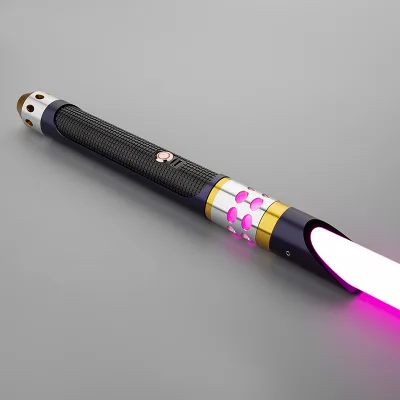
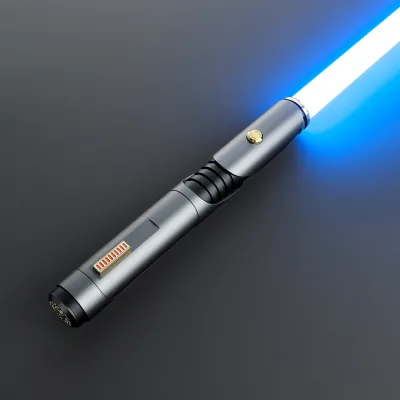
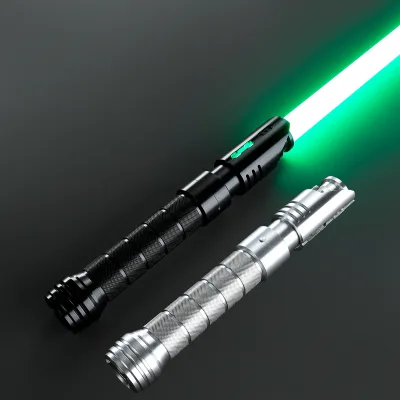
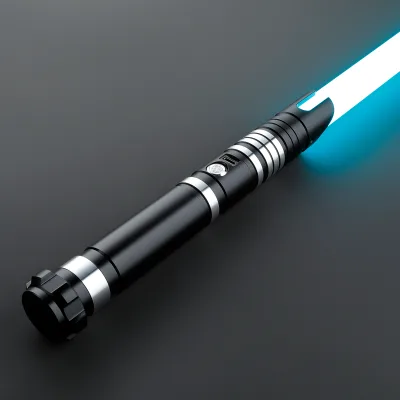
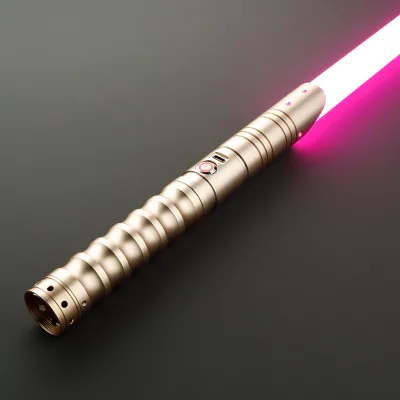
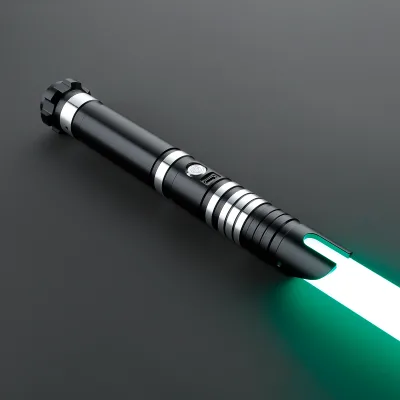


LED Space Sword with Sound Light Toy for Kids Boys Flashing Lightsaber Toys
$2.90 - $4.30
MOQ: 30 Pieces




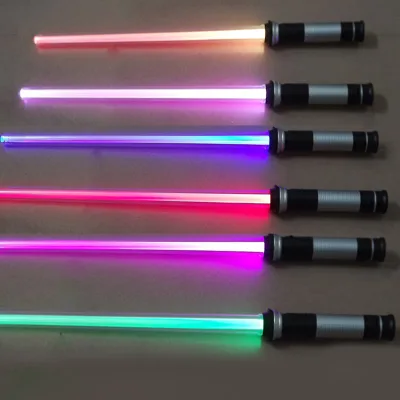

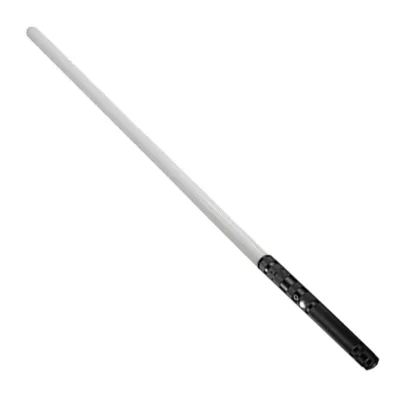
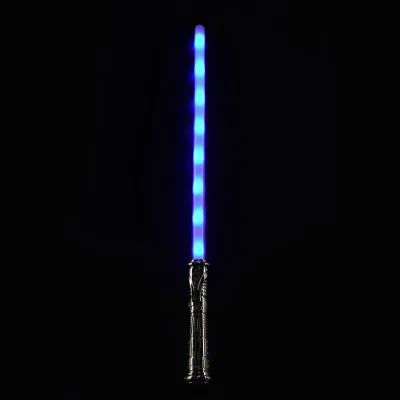

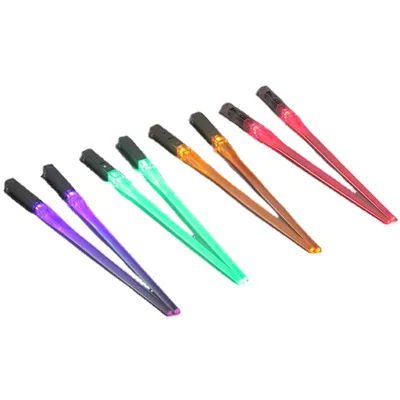


Comprehensive Sourcing Guide
Rechargeable RGB Lightsaber with Sound Effects Sourcing Guide
Procuring rechargeable RGB lightsabers with sound effects requires a strategic approach that balances the high-fidelity audio-visual experience demanded by enthusiasts with the rigorous safety standards required for commercial distribution. These products are engineered to replicate the iconic aesthetic and auditory signatures of fictional franchises, utilizing advanced LED arrays and high-fidelity speakers to deliver immersive experiences for cosplay, training, and recreational dueling. Buyers must navigate a market where the core value proposition lies in the synchronization of light, sound, and physical durability, ensuring that the final product meets the expectations of a discerning consumer base that values authenticity and performance.
The sourcing process begins with a clear definition of the product's functional scope, which extends beyond simple illumination to include complex interaction features like clash detection, motion-activated sound, and app-controlled customization. In the current market, these devices are often marketed as premium collectibles or training tools, necessitating a supply chain capable of delivering consistent quality across varying model numbers and customization options. Procurement teams must prioritize suppliers who can demonstrate a robust understanding of the specific technical requirements, such as battery safety, blade durability, and the seamless integration of sound fonts, to avoid the pitfalls of low-quality imitations that fail to deliver the promised user experience.
Product Scope and Observed Listing Signals
The observed product landscape for rechargeable RGB lightsabers reveals a diverse range of configurations, from standard base-lit versions to advanced Xenopixel and Proffie models that offer extensive customization. Listings indicate that these units typically feature an infinite color-changing capability, allowing users to select from thousands of hues, while the hilt construction often utilizes aluminum alloy 6063 for structural integrity and a polycarbonate blade designed to withstand heavy dueling. Buyers should expect to encounter variations in blade dimensions, with common specifications including a 92cm length and a 2mm thickness, though some models may offer 3mm options for enhanced durability, all maintaining a standard 1-inch outer diameter for compatibility with various accessories.
Commercial signals from the market suggest that these products are frequently offered with specific sound font libraries, including iconic audio tracks such as Kylo Ren, Darksaber, and Sith Rey, which are critical for authenticity in cosplay and role-playing scenarios. The packaging and shipping data indicate a single-item selling unit with a gross weight ranging between 1.0 kg and 2.0 kg, depending on the specific model and included accessories like USB charging cables and hilt components. Procurement strategies must account for these physical attributes, as the single package size can vary significantly, ranging from approximately 94 cm to 110 cm in length, which directly impacts logistics planning and shipping cost calculations for international buyers.
Technical Specifications to Verify
When evaluating potential suppliers, the first technical verification point must be the battery system, as the safety and longevity of the device rely heavily on the internal power source. The market standard for these units often involves a 3000mAh 18650 3.7V battery, which must be integrated with a comprehensive safety system including over-load, over-discharge, and backwards protection mechanisms to prevent thermal runaway or electrical failure during use. Buyers should explicitly request test data or certification regarding the battery's cycle life and its ability to sustain the 4-8 hour charging and playing time observed in current listings, ensuring that the power management system can handle the high draw of the 12-watt RGB LED and 2-3 watt speaker simultaneously.
The second critical verification involves the audio-visual hardware and the mechanical durability of the blade assembly. The LED system is typically rated at 12 watts of RGB power, capable of producing infinite color changes, while the speaker system ranges from 2 to 3 watts with impedance options of 4 or 8 ohms to ensure clear sound reproduction. Procurement teams must verify the material composition of the blade, which is often polycarbonate with a thickness of 2mm or 3mm, and confirm that the hilt is constructed from aluminum alloy 6063 to provide the necessary weight and balance for heavy dueling. Additionally, features such as flash-on-clash, lock-up modes, and pre-power-on capabilities should be tested to ensure they function reliably without latency or failure during dynamic movement.
Compliance and Safety Documentation
Regulatory compliance is a non-negotiable aspect of sourcing rechargeable lightsabers, particularly given the electrical components and the potential for use by minors in the 14 years and up age range. The observed market data indicates that suppliers often provide CE certificates, such as the specific reference number BSTXD200414606402EC, which serves as a primary indicator of adherence to European safety standards for electrical equipment. Buyers must insist on seeing the original, verifiable documentation for these certificates and ensure that the specific model number being sourced matches the certification details, as regulatory bodies may reject products that do not have a direct link between the physical unit and the provided compliance paperwork.
Beyond electrical safety, the documentation must address the mechanical integrity and material safety of the product, especially since these items are designed for active use and potential impact. The safety systems embedded in the device, including over-load and over-discharge protections, should be supported by technical datasheets that explain how these systems function to protect the user and the device. Procurement teams should also verify that the packaging and labeling comply with local regulations regarding age warnings and safety instructions, ensuring that the product is clearly marked with the correct age range and that any potential hazards associated with the high-intensity LED or the moving blade are adequately communicated to the end-user.
Cost Drivers and Commercial Terms
The cost structure of rechargeable RGB lightsabers is heavily influenced by the complexity of the internal electronics, the quality of the materials used for the hilt and blade, and the specific sound font licensing or programming included in the unit. Models featuring advanced features like Xenopixel displays, app control, and extensive sound libraries command a higher price point compared to basic base-lit versions, and buyers must understand that the observed price range of 0.43 to 149 USD likely reflects the vast difference between entry-level and premium configurations. Procurement strategies should focus on defining the exact feature set required for the target market to avoid overpaying for unnecessary capabilities or under-specifying the product to the detriment of customer satisfaction.
Commercial terms such as Minimum Order Quantity (MOQ) and lead times are significant variables that can impact the overall cost of goods and the flexibility of the supply chain. The market data shows an MOQ range from 1 to 5000 units, indicating that suppliers are willing to accommodate both small-scale testing and large-volume distribution, but the unit price will likely decrease as the order volume increases. Buyers should negotiate terms that include support for drop shipping and mixed orders, as these capabilities can reduce inventory holding costs and allow for a more agile response to market trends. Additionally, the availability of test samples should be confirmed early in the negotiation process to ensure that the final production run meets the agreed-upon quality standards before committing to a large order.
Supplier Qualification and Quality Control
Supplier qualification for this category requires a deep dive into the manufacturer's production capabilities and their history of delivering consistent quality in the niche of electronic toys and collectibles. The observed data points to a concentration of manufacturing in Guangdong, China, a region known for its electronics supply chain, but buyers must verify that the specific supplier has the expertise to handle the delicate integration of sound, light, and mechanical components. It is essential to confirm that the supplier offers test samples and supports mixed orders, as these services indicate a level of flexibility and confidence in their product quality that is crucial for mitigating the risk of receiving defective batches.
Quality control protocols must be rigorous, focusing on the durability of the blade and the reliability of the electronic systems under stress. Buyers should request evidence of the "heavy dueling" capability, ensuring that the polycarbonate blade and aluminum hilt can withstand repeated impacts without breaking or degrading. The safety systems, including over-load and over-discharge protections, must be tested to verify that they function correctly under various operating conditions. Furthermore, the supplier should demonstrate a commitment to quality by providing detailed specifications for the single gross weight and package size, ensuring that the final product matches the advertised dimensions and weight, which are critical for customer expectations and shipping logistics.
Long-Term Procurement Checks
Sustaining a successful procurement relationship for rechargeable RGB lightsabers requires ongoing monitoring of the supplier's ability to maintain quality consistency and adapt to evolving market demands. Buyers should establish a schedule for periodic audits or sample testing to ensure that the production line continues to meet the specified standards for battery safety, blade durability, and audio-visual performance. The long-term viability of the product line depends on the supplier's ability to source high-quality components, such as the 18650 batteries and RGB LEDs, and to maintain the integrity of the safety systems that protect the end-user.
Finally, procurement teams must remain vigilant regarding the regulatory landscape and the potential for changes in certification requirements or safety standards. As the market for these products grows, regulatory bodies may introduce new testing protocols or update existing standards, requiring suppliers to adapt their production processes and documentation. Buyers should maintain open communication with their suppliers to stay informed about any changes that could impact the product's compliance status and ensure that the supply chain remains resilient against potential disruptions. By proactively managing these long-term checks, buyers can secure a reliable source of high-quality rechargeable RGB lightsabers that continue to meet the high expectations of their customers.
FAQs
What sound fonts are included in the lightsaber?
The lightsaber includes specific sound fonts such as Kylo Ren, Darksaber, Fallen Order, ESB Graflex, Ben Solo, The Flex, and Sith Rey. These pre-loaded audio files allow for immediate use without external configuration.
How long does the battery last on a single charge?
The device features a 3000mAh 18650 3.7V battery that supports 4 to 8 hours of continuous play. Charging is completed using the included USB charging cable, ensuring extended usage for dueling or cosplay events.
Can the blade be used for heavy dueling?
Yes, the product supports heavy dueling due to its durable polycarbonate blade and strong hilt construction. The blade measures 92cm long with a 2mm thickness and 1-inch outer diameter, designed to withstand impact without breaking easily.
What certifications does the product hold?
The lightsaber holds a CE certificate with the specific number BSTXD200414606402EC. This certification indicates compliance with relevant safety standards for electronic toys and products sold in regulated markets.
Where is the product manufactured?
The place of origin for this lightsaber is Guangdong, China. This location is a known manufacturing hub for electronic toys and cosplay props, ensuring consistent production capabilities for bulk orders.
What safety systems are built into the hilt?
The hilt includes a backwards protect system, an over load system, and an over discharge system. These features protect the internal electronics and battery from damage during intense use or accidental mishandling.
Which color options are available for the blade?
The blade offers infinite color changing capabilities with thousands of color options. Users can select from various modes including Xenopixel, Proffie, and Base Lit versions to customize the visual appearance of the lightsaber.