Source Rechargeable Portable Work Lamp with Magnet Mount for Auto Repair, Construction, and Emergency Lighting
Compare 30 listings of Rechargeable Portable Work Lamp with Magnet Mount featuring DC power, IP ratings up to IP44, and various emitting colors. Buyers can evaluate models like XY-A110 and KE0211 for general or industrial applications with options for rechargeable battery power.
Key considerations
Products List


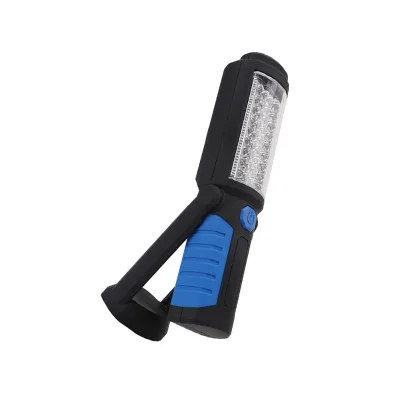
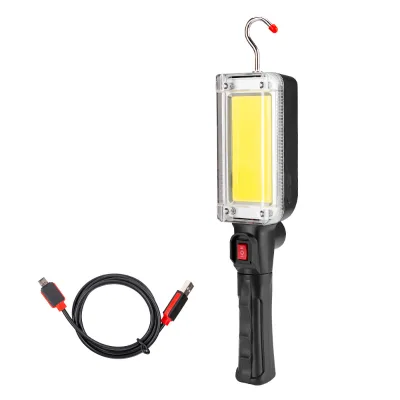

Portable 5W Inspection Lamp Magnet COB Rechargeable Work Light with Hook
$3.70 - $4.15
MOQ: 100 Pieces

Comprehensive Sourcing Guide
Strategic Sourcing Guide for Rechargeable Portable Work Lamps with Magnet Mounts
The global demand for portable illumination solutions has surged, driven by the need for reliable lighting in industrial maintenance, emergency response, and field service operations. Among these, the rechargeable portable work lamp with a magnet mount represents a critical category for procurement professionals. These devices combine high-intensity illumination with hands-free utility, allowing technicians to secure the light to metal surfaces while performing complex tasks. Sourcing these products requires a disciplined approach that balances technical performance, regulatory compliance, and supply chain reliability. This guide outlines the essential factors buyers must evaluate to ensure the acquisition of high-quality units that meet specific operational requirements without incurring unnecessary risks or costs.
Technical Specifications and Performance Parameters
When evaluating rechargeable work lamps, the primary focus must be on the technical specifications that define their utility in the field. The core of any such device is its light source and power management system. Buyers should verify the LED light source configuration, as modern units often utilize a combination of COB (Chip on Board) and SMD (Surface Mount Device) LEDs to achieve optimal beam spread and intensity. The emitting color is a critical differentiator; while pure white and warm white options are standard for general visibility, some applications may require specific colors like yellow for safety zones or multiple colors for signaling.
Power supply is another decisive factor. The market offers units powered by DC voltage, with many featuring rechargeable battery systems. The battery type, such as the 18650 lithium-ion cell, is common due to its high energy density and longevity. Procurement teams must confirm the battery capacity, typically measured in milliampere-hours (mAh), and the resulting lighting period. For instance, a unit with a 1500mAh battery might offer a lighting duration of 5 to 10 hours depending on the mode selected. The charging type must also be verified; rechargeable systems are essential for portability, and the charging interface should be robust enough to withstand industrial environments.
The physical design of the lamp significantly impacts its functionality. The material of the housing, often ABS plastic, provides a balance of durability and weight. The weight of the unit, which can range from 110g to heavier industrial models, affects the ease of carrying and mounting. The magnet mount itself must be evaluated for holding strength, though specific tesla ratings are rarely disclosed in general catalogs. Instead, buyers should look for descriptions of the "magnet mount" feature and ensure the product includes a "With Light Source" designation to confirm it is a complete unit. The IP rating is equally vital; while some models carry an IP44 rating for splash resistance, others may have specific power ratings such as "IPPower:≤5W" or "IPPower:6-10W" which indicate the power consumption class rather than a standard ingress protection rating. Buyers must distinguish between waterproof ratings like IPX4 and general IP ratings to understand the true environmental resilience of the product.
Compliance and Certification Verification
Navigating the regulatory landscape is a non-negotiable aspect of B2B procurement, particularly for electronic devices intended for industrial use. Certification ensures that the product meets safety, electromagnetic compatibility, and environmental standards. The supply chain for these lamps often includes products with a diverse array of certifications. Commonly observed certifications include CE and RoHS, which indicate compliance with European health, safety, and environmental protection standards. More comprehensive lists may include CREE, CCC, EMC, FCC, FDA, and REACH.
The presence of multiple certifications, such as CREE, CCC, CE, EMC, FCC, FDA, REACH, and RoHS, suggests a higher level of quality control and market readiness, particularly for exports to North America and Europe. However, buyers must exercise caution. Not every product in a catalog will possess every listed certification. The procurement strategy should involve requesting specific test reports or certificates of conformity for the exact model number being ordered. For example, a model designated as KE0211 or HL70833 may have a different certification profile than a model like XY-A110.
Standards also play a crucial role in defining product performance. Some products adhere to specific power standards, such as "3w+1w," which defines the total wattage output. Others may follow dimensional standards like "2419175mm," which is critical for integration into existing equipment or storage solutions. Buyers should verify that the product origin, often listed as Ningbo, China or simply China, aligns with the regulatory requirements of the destination market. The brand name, such as K&E, may also serve as a proxy for the manufacturer's reputation, but it should not replace the need for direct verification of the product's compliance documentation.
Cost Drivers and Pricing Dynamics
Understanding the cost structure of rechargeable work lamps is essential for budgeting and negotiation. The observed price range in the market spans from $0.49 to $51.50, a vast disparity that reflects differences in quality, features, and volume. The lower end of the spectrum typically corresponds to basic units with simple LED configurations, smaller batteries, and minimal packaging. In contrast, the higher price points are associated with advanced features such as COB+SMD light sources, higher capacity batteries, robust waterproofing, and comprehensive certification suites.
Volume is a significant driver of cost. The Minimum Order Quantity (MOQ) ranges from 1 to 5000 units, indicating that suppliers are flexible but often offer better unit economics for larger orders. Small orders are accepted, which is beneficial for procurement teams testing new suppliers or fulfilling immediate, low-volume needs. However, the unit price will likely be higher for these small batches. Buyers should analyze the total cost of ownership, which includes not just the purchase price but also shipping, potential duties, and the cost of replacing units that fail prematurely.
Packaging also influences cost. Products may come in simple boxes or more elaborate color boxes. The choice of packaging affects the perceived value and the protection of the goods during transit. Additionally, customization is available in this category, which can add to the cost but may be necessary for branding or specific functional requirements. Buyers must weigh the cost of customization against the benefits of having a product tailored to their specific operational needs.
Typical Applications and Usage Scenarios
The versatility of rechargeable portable work lamps makes them suitable for a wide range of applications. The primary use cases fall into general and industrial categories. In general applications, these lamps are used for home repairs, camping, and emergency preparedness. The ability to provide a light range of 50-100 meters makes them effective for outdoor activities where ambient light is insufficient. The compact size, such as dimensions of 6535110mm with a tube length of 14.2cm, ensures they are easy to transport and store.
In industrial settings, the magnet mount feature is indispensable. Technicians working on machinery, vehicles, or in confined spaces can attach the lamp to metal surfaces, freeing their hands for tools and repairs. The lighting period of 5-10 hours ensures that the lamp can last through a full shift without needing a recharge. The 3 work modes often found in these units allow users to switch between different brightness levels or flashing patterns, optimizing battery life and visibility based on the task. The material of the reflecting cup, typically plastic with a smooth surface preparation, ensures efficient light distribution, which is critical for detailed work.
Emergency services and field maintenance also rely heavily on these devices. The rechargeable nature means they can be kept charged and ready for immediate deployment. The battery type, such as the 18650, offers a balance of power and weight that is suitable for portable use. The waterproof rating of IPX4 provides protection against water splashes, making them suitable for use in damp environments or during light rain.
Supplier Evaluation and Selection Criteria
Selecting the right supplier is as important as selecting the right product. Buyers should prioritize suppliers who demonstrate transparency in their product attributes and certifications. The origin of the product, often Ningbo, China, is a common manufacturing hub, but the specific factory's capabilities should be verified. Suppliers should be able to provide detailed specifications for each model number, such as XY-A122, XY-A109, or HL70755, rather than generic descriptions.
The availability of customization is a key indicator of a supplier's flexibility. Suppliers that offer customization can adapt the product to specific branding or functional needs, adding value to the procurement process. However, buyers must ensure that customization does not compromise the product's integrity or certification status. The acceptance of small orders is another positive sign, indicating a supplier that is willing to work with buyers of various sizes.
Reputation and reliability are paramount. While specific supplier names should not be recommended, buyers should look for evidence of consistent quality and on-time delivery. The presence of multiple certifications suggests a supplier that invests in quality control. Buyers should also evaluate the supplier's response to inquiries and their ability to provide technical support. A supplier that can explain the differences between various IP ratings or battery types demonstrates a deeper understanding of the product and is more likely to provide reliable service.
Quality Control and Long-Term Procurement Considerations
Ensuring quality is a continuous process that extends beyond the initial purchase. Buyers should implement a robust quality control strategy that includes pre-shipment inspections and post-delivery testing. Key areas to inspect include the integrity of the magnet mount, the performance of the LED light source, and the reliability of the battery charging system. The material of the reflecting cup and the surface preparation should be checked to ensure they meet the specified standards for light distribution.
Long-term procurement considerations involve building a sustainable relationship with suppliers. This includes negotiating favorable terms for repeat orders, establishing clear communication channels for technical support, and ensuring a steady supply of spare parts or replacement batteries. The standard of "3w+1w" or "2419175mm" should be maintained across all orders to ensure consistency in the product line. Buyers should also monitor the market for new certifications or standards that may impact the product's compliance status.
The lighting period and light range are critical performance metrics that should be tested regularly. A drop in performance over time could indicate battery degradation or LED failure. Buyers should establish a protocol for testing a sample of units from each batch to ensure they meet the specified lighting period of 5-10 hours and the light range of 50-100 meters. By maintaining high standards of quality control and fostering strong supplier relationships, buyers can ensure a reliable supply of rechargeable portable work lamps that meet their operational needs for years to come.
Comparative Analysis of Key Product Attributes
To facilitate decision-making, it is helpful to compare key attributes across different product models. The following table summarizes the observed variations in specifications, certifications, and applications.
| Attribute | Model A (e.g., XY-A110) | Model B (e.g., KE0211) | Model C (e.g., HL70833) |
|---|---|---|---|
| Certification | CE, RoHS | CREE, CCC, CE, EMC, FCC, FDA, REACH, RoHS | CE, RoHS |
| Light Source | LED (Various Colors) | COB+SMD | COB+SMD |
| Battery | 18650 (1500mAh) | 3.7V 1500mAh | Rechargeable |
| IP Rating | IP44 | IPX4 | Variable |
| Application | General, Industrial | General | Industrial |
| Origin | Ningbo, China | China | China |
| Packing | Box | Color Box | Color Box |
| Power Supply | DC | Battery | Rechargeable Battery |
This comparison highlights the diversity within the category. Model B, for instance, offers a comprehensive certification suite and a specific COB+SMD configuration, making it suitable for markets with strict regulatory requirements. Model A and Model C may be more cost-effective for general applications where extensive certification is not mandatory. Buyers should use this table as a starting point for deeper investigation into specific model capabilities.
Final Procurement Recommendations
In conclusion, sourcing rechargeable portable work lamps with magnet mounts requires a meticulous approach that balances technical requirements, regulatory compliance, and cost efficiency. Buyers must verify the specific attributes of each model, including the light source, battery capacity, and certification status. The wide range of prices and MOQs offers flexibility, but it also demands careful evaluation to avoid compromising on quality. By focusing on suppliers who provide transparent information and robust quality control, buyers can secure a reliable supply of these essential tools. The long-term success of procurement efforts depends on maintaining high standards and fostering strong relationships with suppliers who understand the unique demands of the industrial and general lighting markets.
FAQs
What certifications do these lamps typically have?
Common certifications include CE, RoHS, CCC, EMC, FCC, FDA, and REACH. Buyers should verify specific test reports for the exact model number, as not every product possesses every listed certification.
How long does the battery last on a full charge?
A unit with a 1500mAh battery typically offers a lighting period of 5 to 10 hours. The exact duration depends on the selected work mode and the specific battery capacity of the model.
Which battery type is standard for these portable lamps?
The 18650 lithium-ion cell is a common battery type due to its high energy density. These rechargeable batteries support the DC voltage requirements and provide reliable power for field operations.
Can I customize the product for my brand?
Customization is available for many models in this category. Buyers should confirm specific branding or functional requirements with the supplier before placing an order to ensure compatibility.
What is the minimum order quantity for these lamps?
The minimum order quantity ranges from 1 to 5000 units depending on the supplier. Small orders are accepted, though unit prices may be higher for lower volume purchases.
How waterproof are these rechargeable work lamps?
Many models feature an IPX4 waterproof rating for splash resistance. Some specifications also list power-based ratings like IPPower:≤5W, which indicate power consumption classes rather than standard ingress protection.
Where are these lamps typically manufactured?
The product origin is frequently listed as Ningbo, China or simply China. Buyers should verify the specific factory location to ensure it aligns with their regulatory and shipping requirements.