Source Rechargeable USB Wearable Handheld Fan for Travel, Office, and Outdoor Use
Explore 30 listings of Rechargeable USB Wearable Handheld Fan options from Guangdong suppliers. Buyers can compare specifications like battery capacity, noise levels, and charging times to find suitable models for personal cooling needs.
Key considerations
Products List


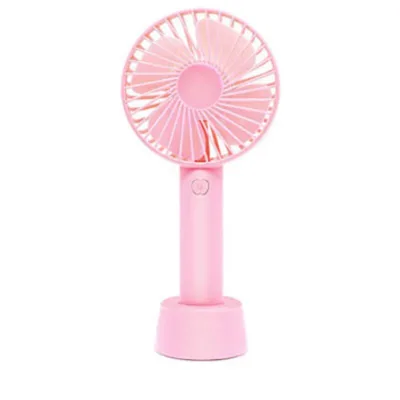


Comprehensive Sourcing Guide
Strategic Sourcing Guide for Rechargeable USB Wearable Handheld Fans
Understanding Technical Specifications and Performance Metrics
When sourcing rechargeable USB wearable handheld fans, buyers must first establish a clear understanding of the technical specifications that define product performance. The core functionality relies on the interaction between the motor, battery capacity, and power consumption. Based on available market data, these devices typically utilize high-speed motors operating at approximately 7200 RPM to generate sufficient airflow for personal cooling. The power output for these units generally ranges from 2W to 5W, which directly influences the intensity of the air cooling function.
Battery capacity is a critical differentiator in this category. Observed specifications indicate a wide variance in energy storage, with some models featuring a 500mAh capacity while others offer significantly higher capacities of 2400mAh or 600mAh. This variation directly impacts the usage time, which typically spans between 2 to 7 hours on a single charge. The charging interface has standardized to Type-C in many modern designs, offering a charging time of approximately 3 hours for full capacity. Input power requirements are generally consistent, often rated at 5V/1A, ensuring compatibility with standard USB power banks and wall adapters.
Physical dimensions and weight are equally important for wearable applications. Product dimensions can vary significantly, with some compact models measuring around 6060180mm, while others are designed with a standard size of 19.25.94.9cm. The net weight for these units typically ranges from 115g to 222g, including packaging. Buyers should verify that the weight distribution is balanced for handheld use. The materials used are predominantly ABS and PP plastics, chosen for their durability and lightweight properties. Some specifications also list materials simply as "Plastic" or "ABS," requiring verification of the specific polymer blend for impact resistance.
Compliance, Certification, and Safety Standards
In the B2B procurement of electronic consumer goods, compliance with international safety and environmental standards is non-negotiable. For rechargeable fans, the primary certifications observed in the market include CE, FCC, and RoHS. These certifications indicate that the product meets European health, safety, and environmental protection requirements (CE), complies with United States electromagnetic interference regulations (FCC), and adheres to restrictions on hazardous substances (RoHS).
Buyers must treat these certifications as mandatory verification points rather than optional features. The presence of these marks suggests that the manufacturer has undergone testing for electrical safety, battery stability, and material toxicity. However, the absence of specific test results in general product listings means that buyers should request valid certification documents from the supplier before finalizing an order. It is essential to confirm that the certifications are current and applicable to the specific model being purchased, as standards can vary by region and product generation.
Furthermore, the packaging and labeling must reflect these compliance standards. The product origin is frequently listed as Guangdong, China, a major manufacturing hub for electronics. While this location is known for a robust supply chain, it also necessitates rigorous quality control to ensure that the exported goods meet the specific regulatory requirements of the destination market. Buyers should verify that the packaging includes clear labeling of the input/output power, battery capacity, and manufacturer details to facilitate customs clearance and retail compliance.
Cost Drivers and Pricing Structure Analysis
The pricing of rechargeable USB wearable handheld fans is influenced by several key cost drivers, primarily related to battery capacity, motor quality, and customization options. The observed price range in the market spans from $0.50 to $9.00 USD. This wide variance reflects differences in component quality and feature sets. Models with higher battery capacities, such as the 2400mAh units, typically command a higher price point compared to those with 500mAh or 600mAh batteries. Similarly, fans with ultra-low noise levels and advanced motor speeds may be priced at the upper end of the spectrum.
Customization is a significant factor in cost determination. Many suppliers offer customization services, including logo printing, color variations, and packaging design. The availability of customization is a standard feature in this category, but it often comes with a Minimum Order Quantity (MOQ) requirement. The observed MOQ range is extensive, spanning from 1 unit to 10,000 units. For buyers seeking custom branding, the MOQ is typically higher, often starting at 500 pieces. This threshold allows manufacturers to amortize the setup costs for tooling and printing.
Packaging costs also contribute to the final unit price. Options range from simple bulk packing to color boxes included within a master carton. The standard packing configuration often involves 60 pieces per carton, with carton dimensions measuring approximately 42.53539cm. Buyers should consider the logistics costs associated with different packaging types, as bulk packing may reduce unit costs but increase the risk of damage during transit if not handled correctly.
Typical Applications and Usage Scenarios
Rechargeable USB wearable handheld fans are designed primarily for household and personal use. Their compact size and portability make them ideal for various scenarios where traditional air conditioning or large fans are impractical. The primary application is personal cooling in hot environments, such as outdoor events, commuting, or working in non-air-conditioned spaces. The low noise level of these devices ensures they can be used in quiet settings without causing disturbance, making them suitable for office environments or study areas.
The specific design features, such as the inclusion of a lanyard and the lightweight build, cater to users who require hands-free operation or easy portability. The product includes a user manual, charging cable, and fan, ensuring immediate usability upon unboxing. The usage time of 2 to 7 hours provides sufficient coverage for a full day of activity, whether for a commute, a festival, or a long work shift. The ability to charge via a standard USB Type-C interface allows users to power the device using power banks, laptops, or car chargers, enhancing their versatility.
While the primary application is household, the robust construction and high-speed motor suggest potential use in light industrial or service environments where personal cooling is needed. However, buyers should verify the specific durability ratings if the intended use involves exposure to dust, water, or heavy handling. The material composition of ABS and PP provides a good balance of strength and weight, but it is not inherently waterproof unless specified by the manufacturer.
Supplier Evaluation and Procurement Logistics
Evaluating suppliers for rechargeable fans requires a focus on reliability, communication, and logistical capabilities. The supply chain for these products is centered in Guangdong, China, where manufacturers have established expertise in electronics assembly. When selecting a supplier, buyers should verify their ability to meet the required delivery times, which typically range from 15 to 20 days. This lead time includes production, quality checks, and packaging preparation.
Payment terms are another critical aspect of supplier evaluation. Common methods observed in the market include T/T (Telegraphic Transfer) and PayPal. Buyers should negotiate terms that protect their interests, such as partial payments before production and upon shipment. Shipping options vary, with suppliers offering DHL, UPS, and sea freight. The choice of shipping method depends on the urgency of the order and the volume of goods. For small orders, express shipping like DHL or UPS is often preferred, while larger orders may benefit from sea freight to reduce costs.
The packaging configuration, such as LCL (Less than Container Load) or FCL (Full Container Load), should be discussed based on the order volume. For smaller orders, LCL is a cost-effective solution, whereas FCL is more efficient for bulk procurement. Buyers should also confirm the packing details, such as the number of pieces per carton and the dimensions of the master carton, to optimize shipping space and reduce freight costs.
Quality Control and Long-Term Procurement Considerations
Implementing a robust quality control (QC) process is essential to ensure that the received products meet the specified standards. Given the variance in battery capacity and motor performance, buyers should request pre-shipment inspections to verify critical attributes. Key areas of focus include the actual battery capacity, the functionality of the Type-C charging port, and the noise level of the motor. The observed noise levels range from "Low" to "Ultra Low," and buyers should ensure that the specific model meets their requirements for quiet operation.
Long-term procurement considerations involve building a sustainable relationship with suppliers who can maintain consistent quality and supply stability. Buyers should assess the supplier's ability to handle customization requests and their responsiveness to quality issues. The availability of spare parts, such as charging cables or replacement motors, can also be a factor in long-term viability. Additionally, buyers should monitor changes in certification requirements and ensure that the supplier remains compliant with evolving international standards.
To mitigate risks, buyers should consider diversifying their supplier base and maintaining a buffer stock of inventory. This strategy helps protect against supply chain disruptions and ensures that the business can meet customer demand even during peak seasons. Regular communication with suppliers regarding production schedules and quality reports will further enhance the reliability of the supply chain. By focusing on these strategic elements, buyers can secure a steady supply of high-quality rechargeable USB wearable handheld fans that meet their specific market needs.
Comparative Analysis of Product Models
To assist buyers in making informed decisions, the following table compares key specifications of three distinct product models found in the market. This comparison highlights the differences in model numbers, dimensions, battery capacity, and power output, which are critical for selecting the right product for specific use cases.
| Feature | Model C0703-01-H08 | Model KW-X10 | Model M-F57 |
|---|---|---|---|
| Dimensions | 19.25.94.9cm | 6060180mm | 5.84.212.5CM |
| Battery Capacity | 2400mAh | 500mAh | 600 mAh |
| Output Power | 5W | 2W | Not Specified |
| Weight | 222g | 115g (with Box) | Not Specified |
| Usage Time | 2-7 hours | Not Specified | Not Specified |
| Noise Level | Low | Not Specified | Ultra Low |
| Material | ABS+PP | ABS | Plastic |
| Customization | Available | Accept | Not Specified |
| MOQ | 1-10000 | 500 PCS | Not Specified |
| Delivery Time | Not Specified | 20 Days | 15 Days |
| Certification | CE FCC RoHS | Not Specified | Not Specified |
This comparison illustrates that Model C0703-01-H08 offers the highest battery capacity and power output, making it suitable for extended use. Model KW-X10 is lighter and more compact but has a significantly lower battery capacity, which may limit its usage time. Model M-F57 is noted for its ultra-low noise level, which is a key selling point for quiet environments. Buyers should align these specifications with their specific customer requirements to ensure optimal product selection.
Final Procurement Recommendations
In conclusion, sourcing rechargeable USB wearable handheld fans requires a balanced approach that considers technical specifications, compliance, cost, and supplier reliability. Buyers should prioritize models that meet their specific performance needs while ensuring that all necessary certifications are in place. By carefully evaluating the cost drivers and negotiating favorable terms, buyers can secure a competitive advantage in the market. Continuous quality control and long-term supplier relationships will further ensure the success of the procurement strategy.
FAQs
What certifications do these fans have?
These fans typically carry CE, FCC, and RoHS certifications. Buyers must verify that the specific model holds current valid documents for these safety and environmental standards before ordering.
How long does the battery last on a charge?
Usage time ranges from 2 to 7 hours depending on the model. Higher capacity batteries like 2400mAh generally provide longer runtime compared to smaller 500mAh or 600mAh options.
Can I customize the product with my logo?
Customization is available and accepted by many suppliers. However, custom branding usually requires a Minimum Order Quantity, often starting at 500 pieces to cover setup costs.
What is the charging interface for these devices?
Most modern designs utilize a Type-C charging interface. This standard allows users to charge the fan using power banks, laptops, or standard wall adapters within approximately 3 hours.
Where are these fans manufactured?
The products originate from Guangdong, China, a major electronics manufacturing hub. Buyers should verify specific factory details to ensure quality control and compliance with export regulations.
What is the typical noise level of operation?
Noise levels are generally rated as Low or Ultra Low. This ensures quiet operation suitable for office environments, study areas, or personal use without causing disturbance.