Source Miso Soup Powder Packing Machine for Food, Beverage, Medical
Find 30 listings for the Miso Soup Powder Packing Machine designed for food, beverage, and medical applications. Buyers can compare specifications including filling speeds, bag types, and material grades to select the right automatic sealing equipment for their production needs.
Key considerations
Products List
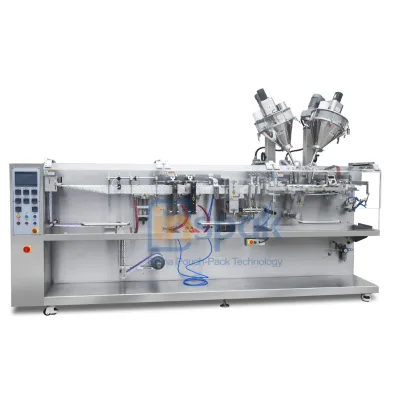

Automatic Seasoning Powder Packing Machine Beef Noodle Soup Powder Packing Machine
$2955.00 - $8500.00
MOQ: 1 Pieces


Multi Row Automatic Powder Packing Machine Powder Packing Machine Powder Packing Machine
$8000.00 - $18888.00
MOQ: 1 Pieces

Multi Row Automatic Powder Packing Machine Powder Packing Machine Powder Packing Machine
$8000.00 - $18888.00
MOQ: 1 Pieces


Automatic Powder Packing Machine Flour, Coco, Spice, Chili Packaging Machinery
$2199.00 - $2799.00
MOQ: 1 Pieces

Spice Flour Milk Powder Packing Machine Coffee Chili Powder Packing Machine
$2199.00 - $2799.00
MOQ: 1 Pieces


Powder Soap Packing Machine / Chili Powder Packing Machine / Drink Powder Packing Machine
$3000.00 - $5000.00
MOQ: 1 Pieces


Factory Supply Spices Powder Packaging Machine / Powder Packing Machine
$5629.00 - $7323.00
MOQ: 1 set

Multi-Functional Coffee Powder Packing Machine / Powder Pouch Packing Machine
$829.00 - $1319.00
MOQ: 1 set


Comprehensive Sourcing Guide
Strategic Sourcing Guide for Miso Soup Powder Packing Machines
Understanding the Technical Architecture of Powder Packaging Systems
When sourcing equipment for instant miso soup powder, buyers must prioritize machines designed specifically for free-flowing granular and powdered materials. The core functionality of these systems revolves around the precise combination of forming, filling, and sealing operations. Based on current market data, the primary application for these units is the packaging of food, beverages, medical products, and chemicals, with a specific emphasis on seasoning, dairy products, rice, flour, and vegetable-based powders. The machine architecture typically integrates a motor, PLC (Programmable Logic Controller), gear systems, and an engine to drive the mechanical processes.
The operational speed is a critical variable for production planning. Observed data indicates that packing speeds for these units generally range between 30 to 70 bags per minute, with specific models capable of reaching 50 bags per minute. This variability depends heavily on the bag dimensions and the specific material properties of the miso powder. The forming species for these machines is categorized as bag moulding, which allows for the creation of pillow bags, stand-up pouches, and 3 or 4-side seal bags. The film width required to operate these machines typically spans from 120mm to 320mm, while the resulting bag length can be adjusted between 50mm and 200mm, and bag width between 50mm and 150mm.
Power requirements are another fundamental technical specification. The electrical systems for these machines are designed to operate on single-phase 110V or three-phase 380V inputs, accommodating a frequency of 50/60 Hz. The driven type is predominantly electric, ensuring consistent torque and speed control necessary for accurate powder dispensing. The physical footprint of a standard unit, such as the HFFS-180D model, measures approximately 2000mm in length, 1200mm in width, and 1600mm in height. In contrast, some export-ready configurations may have a single package size of 69x48x73 cm, indicating variations in how the machine is packaged for shipping versus its operational dimensions. The weight of the machinery is substantial, with a unit weight of 1200 kg, necessitating robust factory flooring and proper lifting equipment for installation.
Material Compatibility and Hygiene Standards
The construction materials of the packing machine are paramount when handling food-grade products like miso soup powder. Hygiene and corrosion resistance are non-negotiable requirements in the food processing industry. The primary material used for the machine structure is stainless steel, specifically grade 304, which is widely recognized for its durability and resistance to rust and chemical corrosion. Some specifications also mention the availability of 201/304 stainless steel options, though 304 is the preferred standard for direct food contact zones.
The packaging materials themselves must be compatible with the machine's sealing and forming mechanisms. The system is designed to handle laminated films, composite materials, and various plastic and paper combinations. For miso soup powder, which often requires high-barrier properties to maintain freshness and prevent moisture ingress, the use of laminated films is standard. The machine supports the formation of various bag types, including zip seal pouches, bottle bags, and standard pillow bags. The automatic grade of these machines is fully automatic, reducing manual intervention and minimizing the risk of contamination during the filling process.
The sealing function is a critical component of the machine's performance. The main function includes bagging, filling, and sealing, ensuring that the product is hermetically closed to preserve quality. The production capacity is often cited as 50 bags per minute, but this can fluctuate based on the complexity of the bag design and the viscosity or flow rate of the powder. Buyers should verify that the machine's forming function aligns with their specific packaging needs, whether they require a simple 3-side seal or a more complex 4-side seal for stand-up pouches.
Cost Drivers and Financial Considerations
The pricing structure for miso soup powder packing machines is influenced by several key factors, including the level of automation, the specific model number, and the customization options available. The observed listed price range for these machines in the market spans from $829 to $56,700. This wide variance reflects differences in machine capacity, brand reputation, and the inclusion of advanced features such as PLC control systems and video outgoing-inspection capabilities.
The minimum order quantity (MOQ) for these industrial units is typically low, often allowing for the purchase of a single item. This flexibility is beneficial for small to medium-sized enterprises looking to upgrade their packaging lines without committing to large bulk orders. However, buyers should be aware that the "Selling Units" are listed as single items, meaning the price quoted usually applies to one complete machine.
Supply ability is another financial consideration. Manufacturers typically report a supply ability of 10 sets per month, which can impact lead times and production scheduling. If a buyer requires multiple units simultaneously, they must coordinate closely with the supplier to ensure the production schedule can accommodate the demand. The port of dispatch is consistently listed as Shanghai, China, which may influence logistics costs and insurance premiums depending on the buyer's location.
Customization is a significant cost driver. While standard models are available, the ability to customize the machine for specific bag types, dimensions, or integration with existing production lines can increase the overall cost. Buyers should request detailed quotes that break down the cost of standard features versus optional customizations to ensure transparency in pricing.
Compliance, Certification, and Safety Verification
Ensuring that the packing machine meets international safety and quality standards is essential for regulatory compliance and operational safety. While specific certification statuses such as CE are mentioned in background data, buyers should not assume certification without verification. The primary standard for the machine's dimensions is noted as (L)970x(W)825x(H)2020mm for certain models, but this must be cross-referenced with the specific model number and the buyer's facility requirements.
Buyers must verify that the machine complies with local electrical safety standards, particularly regarding the voltage requirements of 1P/110V or 3P/380. The presence of a PLC and motor system requires adherence to electrical codes in the destination country. Additionally, the warranty period is typically one year, which serves as a baseline for after-sales support and maintenance.
The packaging details for shipping are also a compliance factor. Machines are typically shipped in seaworthy wooden cartons or export wooden cases to ensure safety during transit. The single gross weight of 60.000 kg for the packaged unit must be considered when arranging freight and handling equipment at the destination port. Buyers should confirm that the supplier provides all necessary documentation, including certificates of origin, packing lists, and safety manuals, to facilitate customs clearance.
Supplier Evaluation and Quality Assurance Protocols
Selecting the right supplier is critical for the long-term success of the packaging operation. The place of origin for these machines is consistently Shanghai, China, a hub for manufacturing packaging equipment. Buyers should evaluate suppliers based on their production capacity, which is listed as 10 sets per month, and their ability to meet delivery timelines.
Quality control is a vital aspect of the supplier evaluation process. The product page indicates that video outgoing-inspection is provided, which allows buyers to visually verify the machine's condition and functionality before shipment. This feature is particularly valuable for remote buyers who cannot physically inspect the equipment prior to purchase. Buyers should request a detailed video inspection that covers the machine's operation, the sealing mechanism, and the overall build quality.
The key selling points of these machines include flexible manufacturing capabilities, which suggest that the equipment can adapt to different product lines and packaging formats. This flexibility is essential for businesses that may expand their product range or change packaging requirements in the future. Buyers should also inquire about the availability of spare parts and the technical support provided by the supplier.
When evaluating suppliers, buyers should look for those who offer customization services and have a track record of delivering machines that meet specific industry standards. The use of high-quality materials, such as 304 stainless steel, is a strong indicator of a supplier's commitment to quality. Additionally, the supplier's ability to provide comprehensive training and after-sales support should be a key factor in the decision-making process.
Long-Term Procurement and Operational Sustainability
Procuring a Miso Soup Powder Packing Machine is a long-term investment that requires careful consideration of operational sustainability and maintenance requirements. The machine's design, featuring a motor, PLC, and gear system, suggests a need for regular maintenance to ensure optimal performance. Buyers should establish a maintenance schedule that includes routine inspections of the sealing mechanism, motor, and PLC components.
The production capacity of 50 bags per minute is a key metric for operational planning. However, buyers should be prepared for potential variations in speed due to material changes or bag design modifications. The ability to adjust bag length and width within the specified ranges (50-200mm and 50-150mm, respectively) offers flexibility but requires careful calibration to maintain efficiency.
Sustainability considerations include the energy efficiency of the machine and the environmental impact of the packaging materials used. The machine's ability to handle various packaging materials, including plastic and paper, allows buyers to explore more sustainable options. Additionally, the machine's construction from stainless steel ensures a long lifespan, reducing the need for frequent replacements and minimizing waste.
Buyers should also consider the total cost of ownership, which includes not only the initial purchase price but also ongoing costs for maintenance, spare parts, and energy consumption. The one-year warranty provides a safety net for the initial period, but buyers should plan for long-term support beyond this period. By selecting a supplier with a strong reputation for quality and service, buyers can ensure that their Miso Soup Powder Packing Machine remains a reliable and efficient asset for years to come.
Comparative Analysis of Machine Specifications
To assist buyers in making informed decisions, the following table compares key specifications of typical miso soup powder packing machines based on available data. This comparison highlights the variability in dimensions, speeds, and material requirements.
| Specification | Model HFFS-180D | Model LD-320D | General Range |
|---|---|---|---|
| Dimensions (LxWxH) | 2000x1200x1600 mm | 970x825x2020 mm | Varies by model |
| Packing Speed | 50 bags/min | 35-70 bags/min | 30-70 bags/min |
| Material | Stainless Steel 304 | Stainless Steel 201/304 | 304 Preferred |
| Bag Type | Pillow, Stand Pouch, 3/4 Side Seal | Pillow, Stand Pouch, 3/4 Side Seal | Flexible |
| Film Width | 120-320 mm | 120-320 mm | 120-320 mm |
| Bag Length | 50-200 mm | 50-200 mm | 50-200 mm |
| Bag Width | 50-150 mm | 50-150 mm | 50-150 mm |
| Voltage | 1P/110V, 3P/380V | 1P/110V, 3P/380V | 1P/110V, 3P/380V |
| Weight | 1200 kg | 1200 kg | ~1200 kg |
| Warranty | 1 Year | 1 Year | 1 Year |
| Origin | Shanghai, China | Shanghai, China | Shanghai, China |
This table illustrates that while there are differences in specific model dimensions and speed ranges, the core specifications remain consistent across the product line. Buyers should use this data as a reference point but must verify the exact specifications of the model they intend to purchase, as customization can alter these parameters. The consistent use of stainless steel and the flexible bag dimensions make these machines suitable for a wide range of applications, from miso soup powder to other food and chemical products.
FAQs
What is the packing speed of the Miso Soup Powder Packing Machine?
The packing speed ranges from 30 to 70 bags per minute depending on the specific model and bag dimensions. Some units operate at 50 bags per minute, while others reach up to 70 bags per minute based on the material flow and bag size settings.
Which materials are used to construct the machine frame?
The machine frame is constructed from 304 stainless steel to ensure hygiene and corrosion resistance. Some specifications also list 201 or 304 stainless steel options, with 304 being the preferred standard for direct food contact zones in the food and chemical industries.
Can the machine handle different types of bag seals?
Yes, the machine supports 3-side seals, 4-side seals, zip seal pouches, and bottle bags. It is designed to form pillow bags, stand-up pouches, and various other bag types suitable for powders like miso soup, rice, and flour.
What are the voltage requirements for operating this machine?
The machine operates on single-phase 110V or three-phase 380V power inputs. It accommodates a frequency of 50 or 60 Hz, ensuring compatibility with various electrical standards in different regions for reliable automated filling and sealing operations.
How is the machine packaged for shipping to ensure safety?
The machine is shipped in seaworthy wooden cartons or export wooden cases to guarantee safety during transit. This packaging ensures the unit remains secure and protected from damage while being transported from the port of dispatch in Shanghai, China.
What is the warranty period for the Miso Soup Powder Packing Machine?
The standard warranty period for the machine is one year. This coverage provides baseline support for after-sales maintenance and ensures that the buyer receives assistance for any operational issues arising within the first year of purchase.
Is customization available for the machine specifications?
Customization is available to adapt the machine for specific bag types, dimensions, or production line integrations. Buyers can request tailored solutions to meet unique packaging needs while maintaining the core functionality of filling, sealing, and bagging.