Source Recyclable Blue Acrylic Paint Bottle for Cosmetics, Personal Care, and Packaging
Compare 30 listings for the Recyclable Blue Acrylic Paint Bottle suitable for cosmetics, personal care products, and general packaging. Buyers can review features like leak-proof designs, screw-on closures, and customizable options from suppliers in China.
Key considerations
Products List


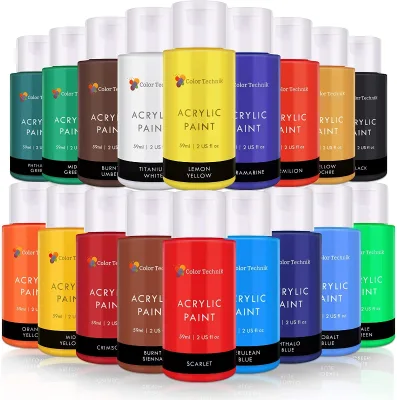


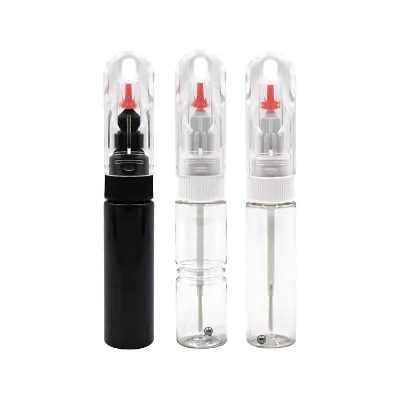
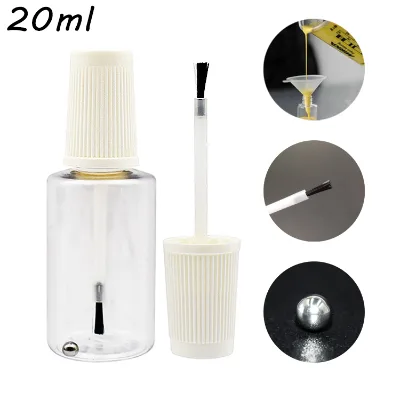


Eco-Friendly Recyclable Paint Bucket with Customized Printing for Packaging
$2.00 - $2.50
MOQ: 1000 Pieces
Comprehensive Sourcing Guide
Recyclable Blue Acrylic Paint Bottle Sourcing Guide
Procuring recyclable blue acrylic paint bottles requires a strategic approach that balances aesthetic requirements with functional durability and environmental compliance. While the core keyword specifies a blue acrylic paint bottle, the available market data indicates a diverse range of packaging solutions, including acrylic and plastic variants, often customized for cosmetics and personal care rather than industrial paint. Buyers must navigate this distinction carefully, as the term "acrylic" in the supply chain frequently refers to the bottle material (acrylic plastic) rather than the paint content, necessitating clear communication with suppliers to ensure the container is compatible with the intended viscous or solvent-based formulations.
The sourcing landscape for these items reveals significant variability in product attributes, with observed listings featuring screw-on closures, pump sprayers, and various shapes such as round bottles and small package tanks. Although the specific "blue" color is not explicitly confirmed in the high-confidence fact set, the presence of customizable color options and black-colored listings suggests that color customization is a standard service. Procurement teams should prioritize suppliers who explicitly offer color customization and verify that the acrylic material meets the necessary chemical resistance standards for the specific paint or cosmetic product being packaged, rather than assuming all listed acrylic bottles are suitable for heavy-duty paint applications.
Product Scope and Observed Listing Signals
The product scope for recyclable acrylic bottles in the current market spans from small cosmetic containers to larger packaging tanks, with observed models ranging from specific codes like TH-W and RB-124 to generic descriptions like "Plastic Bottle" and "Creative Press Emulsion Bottle." The material composition is a critical signal, with listings explicitly identifying both "Plastic" and "Acrylic" as primary materials, alongside features such as being refillable, non-drip, and leak-proof. Buyers should scrutinize these signals to distinguish between general-purpose cosmetic bottles and those engineered for the higher viscosity and chemical demands of acrylic paint, ensuring the selected product aligns with the physical properties of the liquid to be stored.
Listing signals also highlight a wide range of customization capabilities, including design, logo, and packaging specifications, with some suppliers offering free samples and others requiring minimum order quantities (MOQ) as low as 2 pieces or as high as 1000 units. The observed delivery methods include air, sea, and express shipping, with origins primarily located in China, specifically Ningbo and Jiangsu provinces. Procurement decisions must account for these logistical variables, as the "Small" specification and "Layer Packed in Carton" or "Each Packed in a Polybag" options directly impact shipping costs and the final retail presentation of the product.
Technical Specifications to Verify
When verifying technical specifications, the closure type and sealing mechanism are paramount for preventing leaks and maintaining product integrity during transit. The data indicates a prevalence of screw-on closures and pump sprayers, which serve different functional needs; screw-on caps are typically preferred for thicker paints to prevent accidental dispensing, while pump sprayers are more common for lotions and liquid cosmetics. Buyers must confirm that the specific bottle model selected, whether it is a narrow mouth bottle or a round bottle, is compatible with the viscosity of the acrylic paint and that the sealing type provides a hermetic barrier against evaporation or contamination.
Material thickness and chemical resistance are equally critical verification points, as the listed standards include PET and various volume capacities ranging from 15g to 120ml, alongside specific models like TE012AB. Although the keyword specifies "acrylic," the presence of PET standards in the data suggests that suppliers may offer multiple material options, and the buyer must explicitly verify that the acrylic variant meets the necessary UV resistance and clarity requirements for blue-tinted packaging. Additionally, the "Recyclable" feature observed in the data should be validated against local recycling infrastructure to ensure the environmental claim holds true in the target market, rather than relying solely on the supplier's general labeling.
Compliance and Safety Documentation
Compliance and safety documentation for acrylic packaging often involves a suite of certifications that verify the material's safety for contact with consumer goods. The high-confidence facts list several critical certifications including GMPC, ISO, MSDS, FDA, and GMP, which are essential for products intended for personal care and cosmetics. While these certifications are standard for cosmetic packaging, buyers sourcing bottles for acrylic paint must ensure that the MSDS (Material Safety Data Sheet) specifically addresses the chemical compatibility with the paint formulation, as standard cosmetic certifications may not cover the harsher solvents found in industrial or heavy-duty paint products.
Environmental compliance is another vital area, with the data explicitly noting "Eco-Friendly" attributes and recyclability. Buyers should request specific documentation regarding the recyclability of the acrylic material, such as resin identification codes or third-party verification of the recycling process, to substantiate marketing claims. The presence of "Customized" standards and "Optional" specifications in the listings implies that compliance can vary by order, so procurement teams must ensure that the specific batch ordered carries the necessary regulatory approvals for the destination country, particularly if the product is intended for export to regions with strict chemical packaging regulations.
Cost Drivers and Commercial Terms
Cost drivers for recyclable acrylic bottles are heavily influenced by the level of customization, material quality, and order volume. The observed MOQ range spans from 2 pieces to 10,000 units, indicating that smaller orders may incur higher per-unit costs due to setup fees for custom molds and color matching, while larger orders benefit from economies of scale. The "Daily Ability" of 50,000,000 units per day suggests that high-volume suppliers can offer competitive pricing, but buyers must balance this capacity against the lead time and the specific requirements for custom colors like blue, which may require additional production runs or colorant mixing fees.
Commercial terms regarding delivery and packaging also significantly impact the total landed cost. The data shows options for "Carton," "Layer Packed in Carton," and "Carton or Pallet" packing, each affecting the efficiency of loading and the risk of damage during transit. Buyers should negotiate terms that align with their logistics strategy, considering that "Air/Sea/Express" delivery options offer different trade-offs between speed and cost. Furthermore, the availability of free samples allows for cost-effective quality verification before committing to a large order, reducing the financial risk associated with testing new suppliers or unproven bottle designs.
Supplier Qualification and Quality Control
Supplier qualification should focus on verifying the production capabilities and quality control systems that support the claimed certifications and daily output. With origins in Jiangsu and Ningbo, buyers should assess the supplier's track record in handling acrylic materials and their ability to maintain consistency in color matching and structural integrity. The presence of certifications like ISO and GMP indicates a baseline of quality management, but buyers must conduct on-site audits or request detailed quality reports to ensure that the "Recyclable" and "Eco-Friendly" claims are backed by rigorous internal testing and supply chain transparency.
Quality control protocols must address the specific risks associated with acrylic bottles, such as cracking under pressure or fading of the blue color over time. The data mentions "Waterproof" and "Sunscreen" functions for some products, which suggests that UV resistance is a key performance metric. Procurement teams should implement a rigorous incoming inspection process that tests for leak-proof performance, closure tightness, and color consistency against the approved sample. Given the "Customized" nature of many listings, it is essential to establish clear acceptance criteria for custom designs and logos to prevent discrepancies between the ordered product and the final delivered goods.
Long-Term Procurement Checks
Long-term procurement checks should prioritize the stability of the supply chain and the supplier's ability to maintain consistent quality over time. As the market for eco-friendly packaging evolves, buyers must regularly review the supplier's adherence to updated environmental standards and their capacity to source sustainable acrylic materials. The "Customized" design capability should be monitored to ensure that the supplier can continue to meet changing aesthetic trends without compromising the structural integrity or chemical resistance of the bottles.
Finally, ongoing performance reviews should include a cost-benefit analysis of the current supplier relationship, comparing the observed price range of 0.01 to 360 USD against the actual value delivered in terms of quality and service. Buyers should track the supplier's lead times and delivery reliability, as variations in "Air/Sea/Express" shipping can impact inventory management and production schedules. Establishing a long-term partnership with a supplier who demonstrates flexibility in MOQ adjustments and consistent adherence to safety certifications will ensure a resilient supply chain capable of adapting to future market demands and regulatory changes.
FAQs
Can I get a free sample of the recyclable acrylic bottle?
Yes, free samples are provided for quality verification before bulk orders. This allows buyers to inspect the material and finish. The sample process is straightforward and supports informed purchasing decisions for cosmetic packaging needs.
What certifications do the acrylic bottles hold?
The bottles hold GMPC, ISO, MSDS, FDA, and GMP certifications. These standards ensure compliance with international safety and quality requirements. Buyers can rely on these credentials for regulatory approval in global cosmetic markets.
What is the minimum order quantity for customization?
The minimum order quantity is 2 pieces for customized requests. This low MOQ supports small batch testing and prototyping. It allows brands to trial custom designs without committing to large initial inventory volumes.
How is the production capacity for acrylic bottles?
The daily production ability reaches 50,000,000 units per day. This high capacity ensures rapid fulfillment for large-scale orders. Buyers can depend on consistent supply chains for high-volume cosmetic packaging requirements.
What packaging methods are used for the bottles?
Bottles are packed in polybags, cartons, or on pallets. Layer packing in cartons is also available for protection. These methods ensure safe transit and minimize damage during air, sea, or express delivery.
Can the bottle design be customized to my requirements?
Yes, the design is fully customizable to your specific requirements. Buyers can request unique shapes, colors, or closures. This flexibility supports brand differentiation and tailored packaging solutions for various personal care products.