Source Recyclable Craft Paper Cosmetic Tube for Cosmetics, Food, Medicine
Find 30 options for the Recyclable Craft Paper Cosmetic Tube designed for cosmetics, food, and medicine applications. Buyers can compare specifications like size, printing methods, and certifications from suppliers in China.
Key considerations
Products List
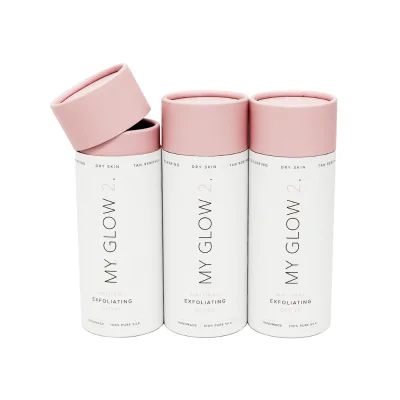

Custom Recyclable Cosmetics Paper Tube Cardboard Paper Tube for Cosmetic Packaging
$0.20 - $0.50
MOQ: 1000 Pieces


Cosmetic Pot Paper Tube for Powder Paper Jar Paper Box Cosmetic Packaging
$0.15 - $0.45
MOQ: 100 Pieces


Recyclable Lip Balm Cosmetic Tubes Cardboard Round Deodorant Stick Paper Tube
$0.13 - $0.27
MOQ: 100 Pieces

Biodegradable Recyclable Eco-Friendly Customized Empty Cosmetics Paper Tube
$0.14 - $0.35
MOQ: 100 Pieces

Custom Made Small Paper Cardboard Tube for Cosmetic Packaging Lip Stick Tubes
$0.17 - $0.42
MOQ: 100 Pieces


Comprehensive Sourcing Guide
Recyclable Craft Paper Cosmetic Tube Sourcing Guide
Sourcing recyclable craft paper cosmetic tubes requires a nuanced understanding of sustainable packaging materials and their practical application in the beauty and personal care industries. These tubes represent a shift away from traditional plastic laminates, offering a biodegradable alternative that aligns with modern environmental, social, and governance (ESG) goals. The core material, typically identified as craft paper, provides a distinct aesthetic appeal while serving as a structural base for the tube. Buyers must recognize that "recyclable" in this context often refers to the paper component, which can be separated from other elements, or the entire assembly if designed for specific waste streams. This guide outlines the critical verification steps, technical parameters, and commercial considerations necessary to procure these tubes effectively without compromising on quality or regulatory compliance.
The procurement process for these items involves navigating a diverse supplier landscape, primarily concentrated in manufacturing hubs such as Zhejiang and Guangzhou in China. Suppliers often offer OEM and ODM services, allowing brands to customize dimensions, shapes, and surface finishes to match their specific product requirements. However, the term "recyclable" must be carefully defined during the sourcing phase, as it may refer to the use of recycled materials in the paper stock or the ability of the tube to be composted under industrial conditions. Understanding these distinctions is vital for accurate marketing claims and for ensuring that the packaging solution meets the specific sustainability targets of the end consumer.
Product Scope and Observed Listing Signals
The observed market signals indicate a wide range of product configurations, with prices ranging from $0.01 to $2.35 per unit and minimum order quantities (MOQs) varying significantly from 100 to 10,000 pieces. This price variance reflects differences in material thickness, printing complexity, and customization levels. For instance, basic tubes with simple offset printing or stamping may fall at the lower end of the spectrum, while those featuring multi-color silk screen printing, hot foil stamping, or custom shapes like oval or polygonal forms command higher prices. Buyers should interpret these price points as indicative of the complexity involved rather than a fixed cost, as final pricing is heavily dependent on the volume ordered and the specific decorative techniques selected.
Listing data reveals that suppliers offer tubes with internal diameters ranging from 57-59mm for specific large-format applications, while other models support a broader capacity range from 3ml to 400ml. This flexibility allows brands to select packaging for everything from small sample-sized serums to larger lotions or creams. The observed model numbers, such as PT01, MC254, and tube-68, suggest that suppliers maintain distinct product lines for different aesthetic and functional needs. Some listings highlight paper texture tubes with diameters from 13-60mm, indicating a strong focus on tactile quality and visual appeal. Buyers must verify the exact dimensions and capacity of the specific model they intend to order, as generic listings may not reflect the precise fit for their product formulations.
Technical Specifications to Verify
Technical verification begins with the material composition and structural integrity of the tube. The primary material is specified as paper, often craft paper, which provides a natural, eco-friendly appearance. However, the internal lining or barrier layer is critical for product stability and must be verified to ensure it is compatible with the cosmetic or food product being packaged. While the external material is recyclable or biodegradable, the internal coating may affect the overall end-of-life processing. Buyers should request material safety data sheets (MSDS) and compatibility tests to ensure that the tube does not interact negatively with the product, such as causing leakage or chemical degradation over time.
Surface handling and decoration options are significant differentiators in this category. Suppliers offer various techniques including offset printing, silk screen printing (1-6 colors), hot foil stamping, and labeling. The choice of decoration impacts both the aesthetic appeal and the cost. For example, hot foil stamping adds a premium feel but may require additional tooling costs. Additionally, the tube shapes available range from round to oval and polygonal, allowing for unique shelf presence. Buyers must confirm the feasibility of their desired design with the supplier, as complex shapes or multi-color prints may have longer production times and higher defect rates. The tail or foil seal can also be customized, which is crucial for ensuring a secure closure and preventing product leakage during transit.
Compliance and Safety Documentation
Compliance documentation is essential for verifying the sustainability claims and safety standards of the packaging. Certifications such as FSC (Forest Stewardship Council) and ISO are commonly cited, indicating responsible sourcing of paper fibers and adherence to quality management systems. The FSC certification is particularly important for brands aiming to demonstrate ethical sourcing practices, ensuring that the paper originates from responsibly managed forests. Buyers should request valid certification documents and verify their authenticity with the issuing body. Additionally, CE certification may be relevant for certain manufacturing processes or machinery, though its direct applicability to the finished tube depends on the specific regulatory framework of the target market.
Safety and regulatory compliance also extend to the materials used in the tube's construction. Since these tubes are used for cosmetics, food, and even medicine, they must meet strict hygiene and safety standards. Buyers should ensure that the inks, adhesives, and any internal linings are free from harmful substances such as heavy metals or volatile organic compounds (VOCs). While specific test results are not provided in the general listing data, buyers must request third-party lab reports confirming compliance with relevant regulations, such as REACH in Europe or FDA guidelines in the United States. This due diligence is crucial to avoid regulatory penalties and to maintain consumer trust in the brand's safety commitments.
Cost Drivers and Commercial Terms
Several factors influence the total cost of ownership for recyclable craft paper cosmetic tubes. The primary cost drivers include the volume of the order, the complexity of the design, and the specific customization requirements. Higher volumes typically result in lower unit costs due to economies of scale in production and material procurement. However, custom designs, such as unique shapes or specialized printing techniques, can increase setup costs and lead times. Buyers should also consider the cost of samples, which are often accepted by suppliers but may incur a fee that is refundable upon placing a bulk order. The sample time is typically short, around 3 days, allowing for rapid iteration and approval of designs.
Commercial terms such as production time and packing methods are also critical considerations. Production times can range from 25-30 working days for standard orders, while sampling times are generally 7-10 working days. These lead times must be factored into the supply chain planning to avoid stockouts. Packing methods vary, with options including standard carton packing, export carton, and standard box packing. The choice of packing affects the efficiency of logistics and the protection of the tubes during transit. Buyers should negotiate clear terms regarding payment schedules, shipping responsibilities, and liability for damages to ensure a smooth procurement process.
Supplier Qualification and Quality Control
Supplier qualification is a multi-step process that involves assessing their manufacturing capabilities, quality control systems, and customer service responsiveness. Buyers should verify the supplier's production capacity, which may range from small batches to large-scale manufacturing, depending on the facility. It is also important to check the supplier's experience in producing cosmetic packaging, as this indicates their familiarity with the specific requirements of the industry. Requesting references or case studies from previous clients can provide insights into the supplier's reliability and consistency. Additionally, buyers should evaluate the supplier's ability to handle custom orders, as flexibility in design and production is a key advantage of working with OEM suppliers.
Quality control measures should be clearly defined and agreed upon before production begins. This includes establishing acceptable defect rates, inspection protocols, and procedures for handling non-conforming products. Buyers should request a quality assurance plan that outlines the steps taken to ensure product consistency, from raw material inspection to final packaging. Regular communication with the supplier during the production process can help identify and address potential issues early. Furthermore, buyers should consider conducting third-party inspections or audits to verify the supplier's claims and ensure that the products meet the agreed-upon specifications. This proactive approach to quality control helps mitigate risks and ensures a high-quality final product.
Long-Term Procurement Checks
Long-term procurement success depends on establishing a robust relationship with suppliers and continuously monitoring performance. Buyers should implement a supplier scorecard system to track key performance indicators such as on-time delivery, product quality, and responsiveness to issues. Regular reviews of these metrics can help identify areas for improvement and ensure that the supplier remains aligned with the brand's evolving needs. Additionally, buyers should stay informed about industry trends and regulatory changes that may impact the sourcing of recyclable packaging. This includes monitoring developments in sustainable materials and recycling technologies that could offer new opportunities for innovation and cost savings.
Sustainability goals should be a central focus of long-term procurement strategies. Buyers should work with suppliers to continuously improve the environmental footprint of the packaging, such as by increasing the percentage of recycled content or exploring new biodegradable materials. This collaborative approach not only enhances the brand's sustainability credentials but also drives innovation and cost efficiency. Furthermore, buyers should consider the end-of-life options for the packaging, ensuring that it aligns with the recycling infrastructure available in their target markets. By prioritizing sustainability and continuous improvement, brands can build a resilient and responsible supply chain that supports their long-term business objectives.
FAQs
What certifications do these tubes have?
These tubes hold FSC and ISO certifications to ensure environmental and quality standards. Some listings also mention CE certification for specific markets. Buyers should verify the exact certificate type with the supplier before ordering to confirm compliance with regional regulations.
Can I customize the size and shape?
Yes, customization is available for both size and shape. The standard diameter ranges from 13mm to 60mm, and shapes include round, oval, or polygonal. Specific dimensions like ID 57-59mm by 175mm are also offered, allowing flexibility for various cosmetic packaging needs.
What is the minimum order quantity required?
The minimum order quantity ranges from 100 to 10,000 units depending on the specific supplier and product model. Buyers should check the individual listing for the exact MOQ applicable to their chosen design. Custom orders may have different thresholds than standard stock items.
How long does it take to receive samples?
Sample times vary between 3 days and 7 to 10 working days based on the supplier. Some vendors accept samples quickly, while others require a week for preparation. Buyers should confirm the specific sample lead time with the manufacturer before requesting a physical prototype.
Where are these tubes manufactured?
These tubes are primarily manufactured in Zhejiang and Guangzhou, China. The production origin is consistently listed as China across multiple product entries. Buyers can expect shipping from these specific regions when sourcing from the provided supplier list.
What printing methods are supported?
Supported printing methods include offset printing, silk screen, hot foil, and labeling. The decoration options range from 1 to 6 colors for silk screen and 1 to 8 colors for offset printing. Artwork formats such as PDF, AI, and Corel Draw are accepted for custom designs.