Source Recyclable Customized Lip Gloss Tube for Cosmetics, Medicine, Food
Find 30 options for Recyclable Customized Lip Gloss Tube packaging suitable for cosmetics, medicine, and food applications. Compare ISO-certified plastic tubes with adjustable lengths, various surface finishes, and flexible customization services for color, size, and logo printing; compare the available evidence and request quotations based on your requirements.
Key considerations
Products List


Recyclable Custom Empty Packaging Lip Gloss Lipstick Cosmetics Squeeze Tubes
$0.03 - $0.10
MOQ: 10000 Pieces


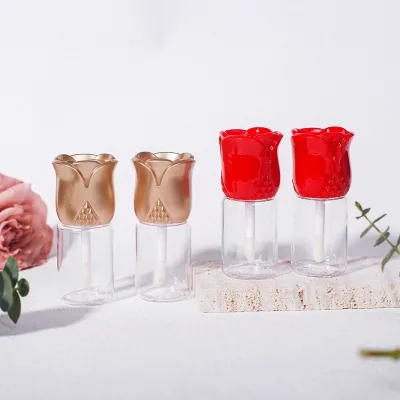


New Design Wholesale Lip Gloss Tube Cosmetics Tube Custom Cosmetic Packaging
$0.15 - $0.87
MOQ: 10000 Pieces


Round Custom Logo Lip Gloss Tubes Packaging Empty Clear Lip Gloss Tubes
$0.10 - $0.20
MOQ: 10000 Pieces


Comprehensive Sourcing Guide
Recyclable Customized Lip Gloss Tube Sourcing Guide
Sourcing recyclable customized lip gloss tubes requires a strategic balance between aesthetic appeal, functional integrity, and environmental responsibility. Buyers must navigate a market where material choices directly impact both the sustainability profile and the perceived value of the final cosmetic product. The shift toward eco-conscious packaging is not merely a trend but a regulatory and consumer demand, necessitating that procurement teams prioritize suppliers who can demonstrate genuine recyclability without compromising the structural integrity of the tube. This guide outlines the critical verification steps needed to secure high-quality, compliant, and cost-effective packaging solutions that align with modern brand standards.
The procurement process begins with a clear definition of technical and commercial requirements, ensuring that the selected tubes meet specific volume, shape, and customization needs. With observed listings indicating a wide range of capacities from 3ml to 500ml and various diameters, buyers must carefully match their product formulations to the appropriate tube specifications. Customization options such as color, logo, and cap design are widely available, but verifying the supplier’s capability to execute these details consistently is essential. This section provides a framework for evaluating product scope and identifying the key signals that indicate a reliable supplier in the competitive lip gloss tube market.
Product Scope and Observed Listing Signals
The current market for lip gloss tubes exhibits significant diversity in material composition, ranging from standard plastics to specialized ABS plastic constructions that offer enhanced durability and a premium feel. Observed product models such as KK-G1906T and YD86 indicate a broad spectrum of manufacturing capabilities, with some suppliers offering multi-layer structures like 2-layer or 5-layer configurations to improve barrier properties and aesthetic depth. Buyers should note that while many products are labeled as recyclable, the actual recyclability depends on the specific material blend and local recycling infrastructure, making it crucial to verify the exact composition rather than relying solely on general marketing claims.
Listing signals also reveal a strong emphasis on customization, with suppliers offering services for color, size, logo, packaging, cap, and thread variations. The presence of free sample policies, often limited to 1-3 pieces, serves as a low-risk entry point for buyers to assess physical quality, print resolution, and mechanical functionality before committing to larger orders. Additionally, the observed price range of $0.03 to $1.19 USD suggests that cost is heavily influenced by material thickness, surface treatment, and order volume, with higher-end finishes like screen printing or UV printing commanding premium prices. Understanding these signals helps buyers align their budget with their quality expectations.
Technical Specifications to Verify
Verifying technical specifications is paramount to ensuring that the lip gloss tubes perform adequately under storage and usage conditions. Key parameters to confirm include the tube diameter, which can range from 13mm to 60mm, and the length, which is often adjustable to accommodate different product volumes. Buyers must also assess the wall thickness, with observed specifications indicating options such as 3mm, which directly impacts the tube’s resistance to cracking and its overall durability. The surface treatment options, including shiny, glossy, matte, and various printing techniques like silk screen, UV printing, and gold stamping, should be evaluated for their compatibility with the brand’s visual identity and the adhesive properties required for logo application.
Capacity and volume standards are another critical area of verification, with observed ranges spanning from 3ml to 500ml, though specific models may be limited to narrower bands like 6ml or 15ml. The shape of the tube, whether round, rhombus, or other custom forms, must be compatible with the filling equipment and the ergonomic needs of the end-user. Additionally, the thread type and cap compatibility should be tested to prevent leakage and ensure a secure seal, which is particularly important for viscous lip gloss formulations. Buyers should request detailed technical datasheets that specify these dimensions and tolerances to avoid mismatches during production.
Compliance and Safety Documentation
Compliance with international standards is non-negotiable for cosmetic packaging, particularly when dealing with products that come into direct contact with sensitive areas of the body. Buyers must verify that suppliers hold relevant certifications such as ISO and CE, which indicate adherence to quality management systems and safety regulations. The presence of FSC certification for paper-based components, if applicable, further demonstrates a commitment to sustainable sourcing practices. These certifications provide a baseline assurance that the manufacturing processes are controlled and that the materials used are safe for cosmetic applications, reducing the risk of regulatory non-compliance in target markets.
Beyond certifications, buyers should request material safety data sheets (MSDS) and migration test results to ensure that no harmful substances leach from the tube into the lip gloss. This is especially important for plastic and ABS materials, which may contain additives that could affect product stability or safety. Suppliers should be able to provide documentation confirming that their materials are free from heavy metals, phthalates, and other restricted substances. Additionally, verifying the origin of the materials, such as whether they are sourced from Zhejiang or Hebei in China, can help assess the supply chain’s transparency and reliability, ensuring that all components meet the required safety and environmental standards.
Cost Drivers and Commercial Terms
Understanding the cost drivers behind lip gloss tube pricing is essential for effective budget management and negotiation. The primary factors influencing cost include the material type, with ABS plastic generally being more expensive than standard plastics due to its superior durability and finish. Surface treatments and customization options, such as complex printing designs or unique cap structures, also add to the unit price. Buyers should analyze the observed price range of $0.03 to $1.19 USD in the context of these variables, recognizing that higher customization and premium materials will result in higher costs. Volume discounts are typically available, with MOQs ranging from 100 to 30,000 pieces, allowing for economies of scale as order quantities increase.
Commercial terms such as lead times, payment conditions, and packaging logistics also impact the total cost of ownership. Observed delivery times of 1-5 working days for samples suggest a responsive supply chain, but bulk production lead times may vary significantly based on order size and customization complexity. Packaging details, such as 1000 pieces per carton with specific dimensions and weights, affect shipping costs and storage requirements. Buyers should negotiate clear terms regarding sample fees, tooling costs for custom molds, and penalties for delays to ensure a transparent and predictable procurement process.
Supplier Qualification and Quality Control
Supplier qualification involves a rigorous assessment of manufacturing capabilities, quality control systems, and past performance. Buyers should prioritize suppliers who offer comprehensive customization services, including color matching, logo printing, and packaging design, as these indicate a higher level of operational flexibility and customer focus. Verifying the supplier’s production capacity and consistency is crucial, especially for large orders, to ensure that quality remains stable across batches. Requesting references or case studies from previous clients in the cosmetic industry can provide valuable insights into the supplier’s reliability and ability to meet tight deadlines.
Quality control measures should be clearly defined and agreed upon before production begins. This includes establishing acceptance criteria for visual defects, dimensional tolerances, and functional performance, such as leak testing and cap torque. Buyers should consider implementing third-party inspections or on-site audits to verify that the supplier’s quality management systems are effectively implemented. Additionally, establishing a clear communication channel for addressing any issues during production or upon delivery is essential for maintaining a productive partnership. A robust quality control framework helps minimize risks and ensures that the final products meet the brand’s high standards.
Long-Term Procurement Checks
Long-term procurement success depends on continuous monitoring of supplier performance and market trends. Buyers should regularly review key performance indicators such as on-time delivery rates, defect rates, and responsiveness to issues to ensure that the supplier remains a reliable partner. As sustainability regulations evolve, it is important to stay informed about new recycling standards and material innovations that could impact packaging requirements. Engaging in periodic reviews of the supply chain can help identify opportunities for cost optimization, process improvement, and risk mitigation, ensuring that the procurement strategy remains aligned with the brand’s long-term goals.
Building a resilient supply chain also involves diversifying suppliers to reduce dependency on a single source. This strategy can mitigate risks associated with production disruptions, price volatility, or quality issues. Buyers should maintain open lines of communication with suppliers to foster collaboration and innovation, encouraging them to propose new solutions that enhance product value or sustainability. By proactively managing these relationships and staying adaptable to market changes, buyers can secure a steady supply of high-quality, recyclable lip gloss tubes that support their brand’s growth and reputation in the competitive cosmetic industry.
FAQs
Can I customize the lip gloss tube with my brand logo?
Yes, customization is available for logos, colors, sizes, and packaging. You can choose from screen printing, UV printing, or gold stamping to match your brand identity. The tubes support various cap and thread options, allowing for a tailored look that meets your specific cosmetic packaging requirements and marketing needs.
What materials are used for these recyclable lip gloss tubes?
The tubes are primarily made from plastic, including ABS plastic for specific models like the rhombus-shaped lip gloss containers. These materials ensure durability and a smooth user experience. The design supports recyclability, aligning with sustainable packaging trends while maintaining the structural integrity required for cosmetics and personal care products.
What is the minimum order quantity for these tubes?
The minimum order quantity starts at 100 pieces for certain models. However, MOQs can range up to 30,000 pieces depending on the specific product configuration and customization level. Buyers should verify the exact MOQ for their selected model, as standard items may have lower thresholds than fully customized orders.
What certifications do these lip gloss tubes hold?
These tubes hold ISO and CE certifications, ensuring compliance with international quality and safety standards. Some models also feature FSC certification, indicating responsible sourcing of materials. These certifications provide assurance for global buyers regarding product safety and manufacturing standards, making them suitable for export to regulated markets.
What sizes are available for the lip gloss tubes?
Available capacities range from 2ml to 500ml, with specific models offering 3ml to 25ml or fixed sizes like 6ml and 15ml. Tube diameters vary from 13mm to 60mm, and lengths can be adjusted. This wide range allows buyers to select the perfect fit for various cosmetic formulations and branding strategies.
How long is the delivery time for these products?
Delivery times can be as fast as 1-5 working days for certain items. Standard production lead times may vary based on order volume and customization complexity. Buyers should confirm specific timelines with suppliers, as expedited shipping options might be available for urgent orders or pre-stocked standard configurations.