Source Recyclable Upright Pet Food Bag for Food, Household, Stationery
Compare 30 listings for the Recyclable Upright Pet Food Bag featuring custom printing, heat-sealing, and moisture-proof materials. Buyers can evaluate specifications like thickness, sealing methods, and certifications from suppliers in Linyi and Wenzhou.
Key considerations
Products List


Cat Food Bag Recyclable Eco Friendly Resealable Ziplock Pet Food Packaging Bag
$0.17 - $0.18
MOQ: 20000 Pieces


Environmentally Fiendly Recycable Pet Dog Cat Food Bag Pet Food Packaging Bag
$0.01 - $0.02
MOQ: 10000 Pieces


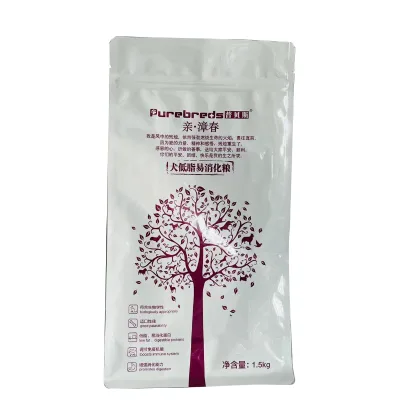

High Quality Custom Bags Printing Logo Resealable Material Pet Food Bags
$0.09 - $0.16
MOQ: 500 Pieces

Reusable and Resealable Pet/PE Packaging Bag Are Suitable for Pet Food Packaging.
$0.01 - $0.11
MOQ: 1000 Pieces




Comprehensive Sourcing Guide
Strategic Sourcing Guide for Recyclable Upright Pet Food Bags
Understanding the Technical Architecture of Recyclable Upright Bags
When sourcing a Recyclable Upright Pet Food Bag, the buyer must first distinguish between the structural form and the material composition that enables both functionality and sustainability. The upright bag, often referred to as a stand-up pouch, is a critical format for the pet food industry due to its superior shelf presence and consumer convenience. Based on observed market data, the specific configuration often involves a square bottom or flat bottom design, which provides the necessary stability for the bag to stand upright on retail shelves without additional support structures.
The material architecture for these bags is typically a multi-layer composite. In the context of high-barrier applications like pet food, the structure often combines layers such as Mopp (Metallized Oriented Polypropylene), PET (Polyethylene Terephthalate), Aluminum Foil, and PE (Polyethylene). This composite structure is essential for protecting the contents from moisture, oxygen, and light, which are primary factors in food spoilage. While the core keyword specifies "recyclable," the presence of aluminum foil in the material structure (Mopp/Pet/Aluminum Foil/PE) presents a significant challenge for standard recycling streams, as mixed-material laminates are often difficult to separate. Buyers must verify if the "recyclable" claim refers to mono-material structures (such as all-PE or all-PP) or if it relies on specific recycling programs that accept multi-layer films. The observed thickness for such packaging ranges from 80 to 180 microns, a specification that directly influences the bag's durability and barrier properties. A thickness at the lower end of this range may reduce material usage and waste, aligning with sustainability goals, but must still meet the mechanical strength requirements for heavy pet food products.
Compliance Standards and Certification Verification
In the pet food sector, regulatory compliance is non-negotiable. Any supplier providing packaging for food-grade applications must demonstrate adherence to strict safety standards. The sourcing guide highlights that valid certifications for such products often include FDA (Food and Drug Administration) approval, EU regulations, and ISO 9001 quality management system certification. These certifications are not merely marketing labels; they are evidence that the raw materials and the manufacturing process have been vetted for food safety.
Buyers must explicitly request current certificates of compliance for the specific product model being sourced. The standard for the product is often described as "customized" or "based on client requirements," which means the supplier must align their production with the specific regulatory framework of the destination market. For instance, if the pet food is destined for the European Union, the packaging must meet EU food contact material regulations. If the product is marketed as bio-degradable or recyclable, the buyer should verify the specific testing standards used to validate these claims, as these terms are often loosely applied in the industry. The observed data indicates that the production standard is customized, implying that the supplier should be able to tailor the compliance documentation to the buyer's specific regional needs. However, the buyer must not assume that a generic "custom" standard automatically includes food-grade safety; explicit confirmation of food-grade status is required.
Cost Drivers and Economic Factors in Procurement
The cost of sourcing recyclable upright pet food bags is influenced by several dynamic variables, primarily material composition, order volume, and customization requirements. The raw materials, such as PP/PE or the more complex Mopp/Pet/Aluminum Foil structures, represent the largest portion of the cost. The inclusion of aluminum foil significantly increases the material cost compared to all-plastic alternatives, but it also offers superior barrier properties. Conversely, mono-material structures that claim recyclability may have different cost profiles depending on the current market price of specific polymers.
Order volume is another critical cost driver. The observed Minimum Order Quantity (MOQ) for these products can vary widely, ranging from as low as 1 piece for sample verification to 50,000 pieces for full production runs. However, specific data points indicate an MOQ of 10,000 pieces for certain custom printing configurations. This volume threshold is often tied to the economics of the printing process. Custom printing, which allows for "Your Own Printing Designs," requires the creation of printing plates. The cost of these plates is typically based on the original design files and is often a one-time charge that is amortized over the production run. Therefore, smaller orders may have a significantly higher unit cost due to the fixed cost of plate creation.
Additionally, the complexity of the design affects the price. The observed data notes that up to 10 colors can be applied, and the printing method is often flexographic or gravure. More colors and higher resolution requirements increase the setup time and material waste during the printing process, thereby driving up the unit price. Buyers should also consider the payment terms, which are frequently structured as a 50% deposit, requiring careful cash flow management.
Typical Applications and Functional Requirements
While the core keyword focuses on pet food, the versatility of the upright bag format extends to various other sectors. The observed application data lists a broad range of uses, including stationery packaging, medical packaging, gift packaging, food packaging, cosmetic packaging, and clothing packaging. This versatility stems from the bag's ability to be customized in size, shape, and sealing method. For pet food specifically, the bag must be robust enough to handle heavy, abrasive kibble without tearing.
The sealing method is a crucial functional requirement. The observed data indicates that zipper closures and heat-sealing are common methods. A re-sealable zipper closure is particularly valuable for pet food, allowing consumers to maintain freshness after the initial opening. The bag type is often described as an "Eight Side Seal Bag with Tin Tie" or a "Flat Bottom Zipper Pouch," both of which offer different aesthetic and functional benefits. The eight-side seal provides a fully sealed perimeter, enhancing the barrier against moisture and pests, which is vital for pet food storage. The tin tie, often found on the top of the bag, offers an alternative or supplementary closure method that is easy for consumers to use.
Furthermore, the transparency of the bag is a key consideration. The observed data mentions that bags can be non-transparent, which is often preferred for pet food to protect the contents from light degradation. However, some applications may require transparency to showcase the product. The buyer must balance the need for product visibility with the need for light protection when selecting the material structure.
Supplier Evaluation and Production Capabilities
Selecting the right supplier requires a thorough evaluation of their production capabilities and geographical location. The observed data indicates that suppliers are located in key manufacturing hubs such as Linyi City, Shandong Province, and Wenzhou, China. These regions are known for their packaging industry clusters, offering a wide range of suppliers with varying levels of expertise.
When evaluating a supplier, the buyer should assess their ability to handle custom orders. The data confirms that custom orders are accepted, and the production standard is customized based on client requirements. This flexibility is essential for brands that need unique sizing or specific barrier properties. The buyer should also verify the supplier's capacity for large-scale production, as the lead time for production is typically around 10 to 15 days, with a total production time of about 15 days for standard orders. This timeline can vary based on the complexity of the design and the volume of the order.
Quality control is another critical factor. The supplier should have a robust quality assurance process in place, evidenced by their ISO 9001 certification. Buyers should also inquire about their sample process, as sample bags are often free to check, allowing the buyer to verify the quality of the material, printing, and sealing before committing to a large order. The ability to provide color confirmation via pictures, videos, or physical color samples is also a sign of a mature supplier who understands the importance of color accuracy in branding.
Quality Control and Long-Term Procurement Strategy
Implementing a rigorous quality control (QC) protocol is essential for ensuring that the sourced bags meet the required standards. The buyer should establish clear acceptance criteria for the bags, including checks for seal integrity, print quality, and material thickness. The observed thickness range of 80-180 microns should be verified through random sampling during the production process. Any deviation from the specified thickness could compromise the bag's barrier properties or structural integrity.
Long-term procurement considerations should focus on building a sustainable supply chain. As the industry moves towards more sustainable packaging, the buyer should prioritize suppliers who are actively researching and developing mono-material recyclable solutions. While the current data shows a mix of materials, including aluminum foil, the trend is towards recyclable alternatives. The buyer should engage with suppliers to understand their roadmap for sustainability and their ability to adapt to future regulatory changes.
Additionally, the buyer should consider the logistics and shipping methods. The observed data lists sea shipping, air shipping, and express shipping as available options. For large-volume orders of heavy pet food bags, sea shipping is typically the most cost-effective method, though it requires longer lead times. The buyer should factor in the shipping method when planning their inventory levels to avoid stockouts. The packing method, often cartons and pallets, should be optimized to maximize container utilization and minimize damage during transit.
In conclusion, sourcing recyclable upright pet food bags requires a balanced approach that considers technical specifications, compliance, cost, and supplier capabilities. By carefully evaluating these factors and maintaining a focus on quality and sustainability, buyers can secure a reliable supply of packaging that meets the demands of the modern pet food market.
FAQs
What certifications do recyclable upright pet food bags have?
Valid certifications often include FDA, EU, and ISO 9001 quality management system approval. These documents verify that raw materials and manufacturing processes meet strict food safety standards for pet food applications.
How thick are the recyclable upright pet food bags?
The observed thickness for these bags ranges from 80 to 180 microns. This specification directly influences the bag's durability and barrier properties against moisture, oxygen, and light for heavy pet food products.
Which material structures are used for these packaging bags?
Common structures include Mopp, PET, Aluminum Foil, and PE layers. While this composite offers high barrier protection, buyers must verify if the recyclable claim refers to mono-material alternatives or specific recycling programs.
Can I customize the printing designs on these bags?
Yes, suppliers accept custom printing designs with up to 10 colors available. The plate cost is based on original design files, and production typically takes about 15 days for standard custom orders.
What is the minimum order quantity for custom bags?
The minimum order quantity can range from 1 piece for samples to 10,000 pieces for production runs. Specific configurations like custom printing often require an MOQ of 10,000 pieces to amortize plate costs.
Where are the manufacturers of these bags located?
Manufacturers are located in key hubs such as Linyi City, Shandong Province, and Wenzhou, China. These regions offer a wide range of suppliers with varying levels of expertise in composite packaging bag production.
How long does production take for these bags?
Production time is usually about 15 days for standard orders. Delivery times typically range from 10 to 15 days, though this can vary based on the complexity of the design and the volume of the order.