Source Recycled Materials Mailer Box for Food, Electronics, Cosmetics
Find 30 options for Recycled Materials Mailer Box suitable for food, electronics, and cosmetics. Compare specifications including paper type, size, and customization features from suppliers in Shanghai.
Key considerations
Products List


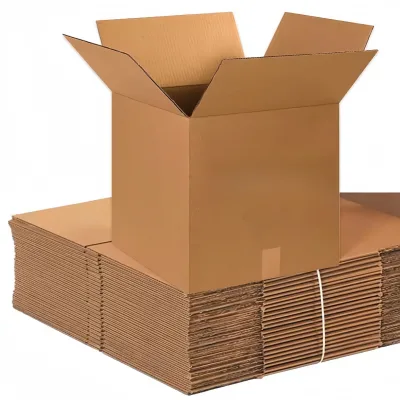
Factory Custom Corrugated Cardboard Packaging Mailer Box Recycle Paper Box
$0.25 - $0.70
MOQ: 1000 Pieces


Comprehensive Sourcing Guide
Strategic Sourcing Guide for Recycled Materials Mailer Boxes
The global shift toward sustainable packaging has elevated the demand for recycled materials mailer boxes, positioning them as a critical component in modern supply chains. For procurement professionals, sourcing these items requires a nuanced understanding of material composition, manufacturing capabilities, and compliance frameworks. The market offers a diverse array of options, ranging from standard kraft paper constructions to specialized corrugated solutions. This guide provides a disciplined approach to evaluating suppliers and specifications, ensuring that the selected packaging aligns with both environmental goals and operational requirements.
Material Composition and Structural Specifications
The foundation of any sustainable mailer box lies in its material composition. Based on observed market data, the primary material for these products is paper, specifically utilizing kraft paper and corrugated paper. A key attribute of interest is the use of recycled material, which serves as a core differentiator for eco-conscious buyers. The structural integrity of these boxes is often enhanced by the corrugated nature of the paper, providing necessary cushioning and protection during transit.
When evaluating specifications, buyers must distinguish between different paper types. While kraft paper is common for its natural, unbleached appearance, ivory board and recycled material variants are also prevalent. The physical dimensions of the product are critical; observed data indicates that sizes can vary, with "Middle" being a common classification, though custom dimensions are frequently available. The shape of the box is typically square or rectangular, designed to maximize space utilization within shipping containers and storage racks.
Weight is another significant factor in logistics planning. Market observations show a wide variance in product weight, ranging from 0.5 to 1 Kg for lighter configurations to over 1.5 Kg for heavier, more robust units. This variance directly impacts shipping costs and handling requirements. Furthermore, the surface handling of these boxes often involves offset printing, allowing for high-quality branding. The printing page configuration can be either single-sided or two-sided, depending on the design requirements. Buyers should verify if the specific model supports the desired printing complexity, as some options may be limited to specific color profiles like professional CMYK full-color offset printing or flexographic printing.
Compliance, Certification, and Environmental Standards
In the realm of sustainable packaging, compliance is not merely a regulatory hurdle but a market entry requirement. Buyers must rigorously verify the certification status of potential suppliers. Observed data highlights several critical standards that reputable manufacturers often adhere to, including ISO, HACCP, FSC, BSCI, SGS, BV, and TUV certificates. These certifications validate the supplier's commitment to quality management, food safety, social responsibility, and environmental stewardship.
The FSC (Forest Stewardship Council) certification is particularly relevant for mailer boxes made from recycled materials, as it ensures that the paper fibers originate from responsibly managed forests or are post-consumer recycled content. Similarly, BSCI certification indicates adherence to social compliance standards, which is increasingly important for brands with strict supply chain ethics policies. HACCP certification is essential if the mailer boxes are intended for food or health care product applications, ensuring that the packaging meets hygiene standards.
Buyers should not assume that all listed products automatically possess these certifications. Instead, the procurement strategy must include a verification step where the supplier provides current, valid certificates for the specific product line. The standard for these products is often described as "customized model" or "customized," meaning that compliance may need to be tailored to the specific application. For instance, a box intended for electronic products may require different safety standards compared to one used for cosmetics or greeting cards. The presence of a "Yes" designation for manufacturer status suggests that direct factory engagement is possible, which can facilitate more transparent certification verification.
Cost Drivers and Economic Factors
Understanding the cost structure of recycled materials mailer boxes is essential for budgeting and negotiation. The price range observed in the market spans from $0.04 to $3.00 per unit, a significant variance driven by multiple factors. The primary cost driver is the material composition; boxes made from high-grade recycled corrugated paper will naturally command a higher price than those made from standard kraft paper. Additionally, the complexity of the design plays a substantial role. Customized models that require specific artwork, such as those adhering to "as per your artwork" structural requirements, will incur higher tooling and setup costs.
Minimum Order Quantity (MOQ) is another critical economic variable. The observed MOQ range is broad, extending from 3 units to 5,000 units. This flexibility allows buyers to test the market with small batches or secure bulk pricing for large-scale operations. However, lower MOQs often come with a higher unit cost due to the fixed costs of production setup. Conversely, larger orders can leverage economies of scale to reduce the per-unit price.
Lead time is a hidden cost driver that affects inventory management. Typical lead times observed range from 7 to 15 days. This duration includes the time required for customization, production, and quality checks. Buyers must factor this into their supply chain planning, especially if they are relying on just-in-time inventory strategies. Shipping methods, including express, air, and sea, also influence the final landed cost. While sea freight is the most economical for large volumes, it extends the delivery timeline, whereas air freight offers speed at a premium.
Typical Applications and Usage Scenarios
The versatility of recycled materials mailer boxes makes them suitable for a wide array of industries. Observed usage data indicates that these boxes are employed in sectors ranging from food and electronics to cosmetics, apparel, and household goods. The specific application dictates the required durability and aesthetic finish. For example, boxes used for food or health care products must meet stricter hygiene standards, often necessitating HACCP compliance. In contrast, boxes for jewelry or greeting cards may prioritize aesthetic appeal and structural elegance over heavy-duty protection.
The application also influences the customization options. Many suppliers offer "Factory Customized Solutions" (OEM), allowing brands to tailor the box to their specific needs. This includes the ability to print logos, as "with Logo Printing" is a standard feature. The color options are often customized, with professional CMYK full-color offset printing being a common capability. For industries like arts and crafts or garment and shoes, the box serves as a branding tool, requiring high-quality surface handling and vibrant printing.
The following table summarizes the typical applications and their corresponding requirements based on observed data:
| Industry Sector | Key Requirements | Common Features |
|---|---|---|
| Food & Health Care | HACCP, ISO, Hygiene Standards | Recycled Material, Customized Model |
| Electronics | Durability, Shock Absorption | Corrugated Paper, Middle Size |
| Cosmetics & Jewelry | Aesthetic Appeal, Logo Printing | Kraft Paper, Offset Printing |
| Apparel & Garments | Size Flexibility, Branding | Square/Rectangle Shape, Customized |
| Arts & Crafts | Customization, Eco-Friendly | Recycled Material, Professional CMYK |
Supplier Evaluation and Manufacturing Capabilities
Evaluating a supplier for recycled mailer boxes requires a focus on their manufacturing capabilities and customization flexibility. The data confirms that the product origin is primarily Shanghai, China, a major hub for packaging manufacturing. Buyers should verify if the supplier is a direct manufacturer, as indicated by the "Manufacturer: Yes" attribute. Direct manufacturers often provide better control over quality and customization compared to trading companies.
The customization process is a key differentiator. Suppliers should offer the ability to design according to specific artwork requirements, with support for various file formats such as Ai, Pdf, and CAD. This flexibility ensures that the final product matches the brand's visual identity. Additionally, the availability of samples is crucial for quality assessment. While some suppliers offer free samples for stock items, custom samples may incur costs. Buyers should request samples to verify the weight, structural integrity, and print quality before committing to a large order.
The production process also involves specific surface handling techniques. Offset printing is a standard method observed, ensuring high-resolution graphics. However, buyers must confirm if the supplier can handle specific surface treatments like varnish, which can enhance the durability and appearance of the box. The "Industrial Use" attribute suggests that these products are suitable for all suitable areas, but buyers should still validate the specific suitability for their intended use case, such as heavy-duty shipping versus retail display.
Quality Control and Long-Term Procurement Strategy
Quality control is paramount when sourcing recycled materials, as the consistency of the recycled fiber can vary. Buyers should establish clear quality benchmarks based on the observed specifications, such as weight ranges (0.5-1 Kg or >1.5 Kg) and structural dimensions. The packing method, often described as "505050" or utilizing plates, cartons, pallets, and bundles, should be verified to ensure the product arrives in optimal condition.
For long-term procurement, building a strategic partnership with a reliable supplier is essential. This involves negotiating terms that balance cost, lead time, and quality. The "Lead Time: 7-15 days" observed suggests a relatively agile supply chain, but buyers should confirm if this timeline holds during peak seasons. Furthermore, the "OEM: Factory Customized Solution" attribute indicates that suppliers are willing to adapt their processes to meet specific client needs, which is vital for long-term scalability.
Buyers should also consider the environmental impact of the entire supply chain. The use of recycled materials is a significant step, but the efficiency of the production process and the sustainability of the packaging itself (e.g., using carton and pallet packaging that is also recyclable) contribute to the overall green profile. Regular audits and quality checks, supported by the supplier's certification status (ISO, FSC, etc.), will ensure that the long-term procurement strategy remains aligned with corporate sustainability goals. By focusing on these technical and operational details, buyers can secure a reliable supply of high-quality recycled materials mailer boxes that meet both functional and ethical standards.
FAQs
What certifications do recycled mailer box manufacturers typically hold?
Manufacturers often hold ISO, HACCP, FSC, BSCI, SGS, BV, and TUV certificates. These validate quality management, food safety, and environmental stewardship, ensuring the packaging meets specific industry hygiene and ethical standards.
How much is the minimum order quantity for these boxes?
The minimum order quantity ranges from 3 to 5,000 units depending on the supplier. Lower quantities allow for market testing, while larger orders leverage economies of scale to reduce the per-unit price significantly.
Can I get custom logo printing on recycled material boxes?
Yes, logo printing is available with professional CMYK full-color offset printing. Buyers can request factory customized solutions where the design adheres to specific artwork requirements provided in formats like Ai or Pdf.
What is the typical lead time for production and delivery?
The standard lead time observed is between 7 and 15 days. This duration covers customization, production, and quality checks, though shipping methods like air or sea will affect the final delivery timeline.
Which paper types are used for these sustainable mailer boxes?
Primary materials include kraft paper, corrugated paper, and recycled material variants. Some options also utilize ivory board, with structural integrity often enhanced by the corrugated nature of the paper for better protection.
What is the price range for recycled mailer boxes per unit?
The observed price range spans from 0.04 to 3.00 USD per unit. This variance is driven by material composition, design complexity, and order volume, with customized models generally commanding higher costs.