Source Recycled Material Seed Packets for farms, gardens, and nurseries
Find 30 suppliers offering Recycled Material Seed Packets designed for agriculture and home gardening. Compare specifications like thickness, material structure, and customization options to find the right packaging for your seeds.
Key considerations
Products List
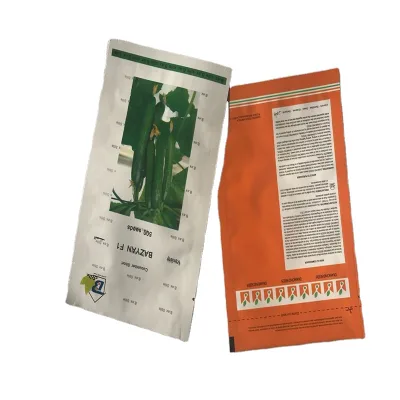
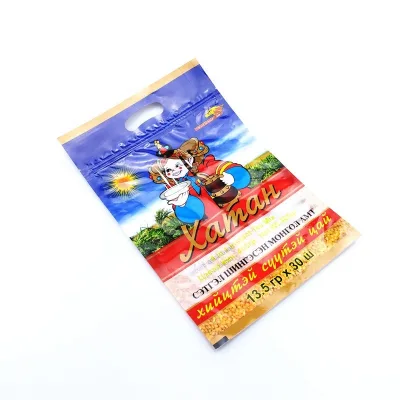
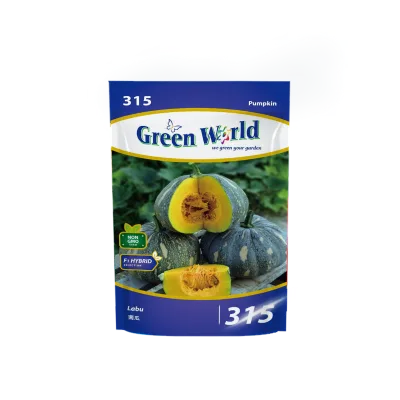
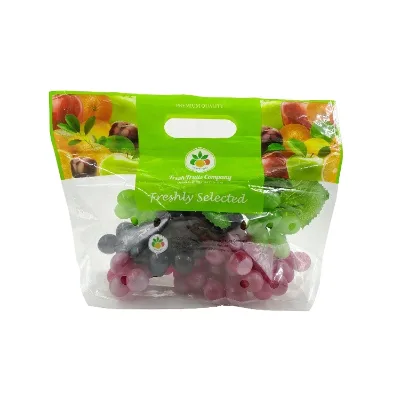
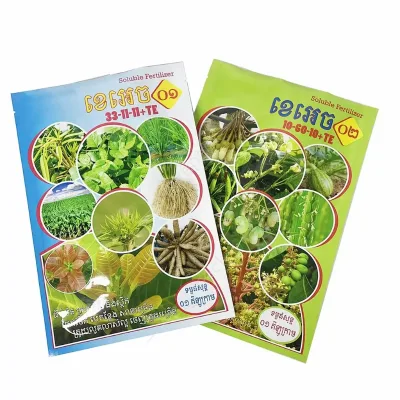
Hot Sale Plastic Vegetable Seed Packets Bags
$0.01 - $0.50
MOQ: 50000 Minimum
Baoding City Zhenghui Printing & Packing Industrial Co., Ltd.








Comprehensive Sourcing Guide
Recycled Material Seed Packets Sourcing Guide
Sourcing seed packets constructed from recycled or eco-friendly materials requires a careful balance between sustainability goals and functional performance. Buyers must recognize that "recycled material" is a broad term that can refer to post-consumer recycled (PCR) content, bio-based polymers, or recyclable mono-material structures. The primary challenge lies in ensuring that the packaging maintains the necessary barrier properties to protect seed viability against moisture, oxygen, and light while meeting environmental claims. Procurement teams should prioritize suppliers who provide transparent material breakdowns and third-party verification of their sustainability assertions, as vague marketing terms can lead to compliance risks and greenwashing accusations.
The market for these specialized packaging solutions is diverse, ranging from small-scale artisanal seed sellers to large agricultural distributors. Buyers often seek packaging that not only protects the product but also serves as a marketing tool, communicating the brand’s commitment to environmental stewardship. This dual purpose necessitates a sourcing strategy that evaluates both the technical integrity of the packaging and its aesthetic appeal. Understanding the specific end-use environment, whether indoor home gardening or large-scale agricultural application, is crucial for selecting the right material structure that balances durability with ecological responsibility.
Product Scope and Observed Listing Signals
Current market listings indicate a wide variance in product definitions and specifications, reflecting the fragmented nature of the sustainable packaging sector. Observed data shows a price range from $0.01 to $16.25 per unit, with minimum order quantities (MOQs) spanning from 1 to 50,000 units. This disparity suggests that buyers can access both low-volume, high-customization options for niche markets and high-volume, standardized solutions for mass distribution. The presence of customized model numbers and variable thicknesses (50-200 microns) indicates that suppliers are flexible in meeting specific durability and cost requirements, allowing buyers to tailor their procurement to their exact volume and protection needs.
Material composition is a critical signal when evaluating potential suppliers, as the term "recycled" must be backed by specific structural facts. While some listings highlight eco-friendly features, others specify complex laminated structures such as PET/VMPET/PE or VMPET, which are designed for high barrier performance. Buyers must distinguish between packaging that is merely marketed as green and packaging that utilizes verified recycled content or recyclable mono-materials. The observation of side gusset bags and 3-side seal types suggests that functional design remains a priority, ensuring that the packaging can be easily filled, sealed, and stored while maintaining the integrity of the seeds inside.
Technical Specifications to Verify
Verifying the material structure is the first step in ensuring that the seed packets meet both functional and sustainability criteria. Buyers should request detailed material breakdowns to confirm the presence of recycled content or the feasibility of recycling the final package. For instance, while some suppliers offer laminated materials like PET/VMPET/PE, which provide excellent barrier properties, these multi-layer structures can be difficult to recycle. Procurement teams must evaluate whether the supplier offers mono-material alternatives, such as all-PE structures, which are more compatible with existing recycling streams, or if the "eco-friendly" claim refers to the use of bio-based plastics that require industrial composting facilities.
Thickness and sealing integrity are equally critical for protecting seed viability during storage and transit. The observed thickness range of 50-200 microns provides a baseline, but buyers must determine the optimal thickness for their specific seed types and supply chain conditions. Thicker materials offer better protection against punctures and moisture ingress but may increase material usage and cost. Additionally, the heat seal capability must be verified to ensure that the packets can be securely closed without compromising the seal integrity. Buyers should request samples to test the seal strength and barrier performance, ensuring that the packaging will maintain a low moisture vapor transmission rate (MVTR) to prevent seed degradation.
Compliance and Safety Documentation
Compliance with international standards is essential for verifying the safety and environmental claims of seed packets. Buyers should require suppliers to provide relevant certifications, such as ISO standards, which indicate a commitment to quality management systems. However, ISO certification alone does not guarantee the sustainability of the materials used. Procurement teams must seek additional documentation, such as FSC (Forest Stewardship Council) certification if paper-based components are used, or specific recycled content certifications that verify the percentage of post-consumer material in the packaging. These documents are crucial for defending marketing claims and ensuring that the products meet the regulatory requirements of target markets.
Safety documentation must also address the potential for chemical migration from the packaging to the seeds, although this risk is generally low for dry seeds. Buyers should request material safety data sheets (MSDS) and declarations of conformity to ensure that the inks, adhesives, and base polymers are free from harmful substances. In regions with strict environmental regulations, such as the European Union, buyers must verify compliance with REACH and other relevant directives regarding restricted substances. Ensuring that the supplier adheres to these standards protects the buyer from legal liabilities and reputational damage associated with non-compliant products.
Cost Drivers and Commercial Terms
The cost of Recycled Material Seed Packets is influenced by several factors, including material composition, order volume, and customization requirements. The observed price range of $0.01 to $16.25 reflects the impact of these variables, with higher prices typically associated with complex material structures, high recycled content, or extensive customization. Buyers should analyze the cost structure to understand the trade-offs between sustainability and expense. For example, mono-material recyclable structures may be more expensive than traditional laminates due to the higher cost of recycled polymers and the need for specialized processing.
Commercial terms, such as MOQs and lead times, also play a significant role in the total cost of ownership. The wide range of MOQs, from 1 to 50,000 units, allows buyers to manage inventory risk and cash flow effectively. However, lower MOQs often come with higher per-unit costs due to setup fees and reduced production efficiency. Buyers should negotiate terms that align with their sales forecasts and storage capabilities. Additionally, the port of dispatch, such as Tianjin or Qingdao, can impact shipping costs and lead times, so buyers should consider the logistics implications when selecting suppliers.
Supplier Qualification and Quality Control
Qualifying suppliers for Recycled Material Seed Packets requires a thorough assessment of their manufacturing capabilities and quality control processes. Buyers should verify the supplier’s ability to maintain consistent material quality, particularly when using recycled feedstocks which can vary in composition. This involves reviewing the supplier’s quality management systems, including their procedures for incoming material inspection, in-process control, and final product testing. Suppliers with robust quality control systems are more likely to deliver products that meet the specified thickness, seal strength, and barrier performance requirements.
Site audits and sample testing are essential steps in the qualification process. Buyers should conduct on-site or virtual audits to assess the supplier’s production environment, equipment, and environmental practices. Requesting pre-production samples allows buyers to evaluate the physical properties of the packaging, including print quality, seal integrity, and material feel. It is also advisable to perform independent testing of the samples to verify claims regarding recycled content and recyclability. Establishing a clear quality agreement with the supplier, including acceptance criteria and defect rates, helps ensure that future orders meet the buyer’s expectations.
Long-Term Procurement Checks
Long-term procurement success depends on continuous monitoring of supplier performance and market trends. Buyers should establish key performance indicators (KPIs) to track supplier reliability, including on-time delivery rates, defect rates, and responsiveness to issues. Regular performance reviews help identify areas for improvement and strengthen the partnership with the supplier. Additionally, buyers should stay informed about changes in recycling infrastructure and consumer preferences, as these factors can impact the value proposition of recycled material packaging.
Sustainability claims must be regularly validated to avoid greenwashing risks. Buyers should require suppliers to provide updated documentation regarding the source and percentage of recycled content, as well as any changes in material composition. Engaging with third-party auditors or certification bodies can provide an additional layer of assurance. By maintaining a proactive approach to supplier management and sustainability verification, buyers can ensure that their seed packets continue to meet both functional requirements and environmental goals over time.
FAQs
Can I order custom printed seed packets with my own logo?
Yes, you can order custom printed seed packets with your own logo. The supplier accepts customized logos and offers up to 8 colors for the design. This service is available for the VMPET laminated material structure used in these bags.
What is the minimum order quantity for these seed packets?
The minimum order quantity ranges from 1 to 50,000 units depending on the specific configuration. Buyers can select single items or larger batches, with the supplier capable of supplying up to one billion bags per month to meet high-volume demands.
Which certifications do these plastic seed packet bags hold?
These plastic seed packet bags hold ISO certification. The products are manufactured using laminated materials like PET, VMPET, and PE, ensuring they meet specific industrial standards for agriculture and seed packing applications in the global market.
How thick are the Recycled Material Seed Packets available?
The thickness of the available seed packets ranges from 50 to 200 microns. This specification allows for durable packaging suitable for various seed types while maintaining the structural integrity required for heat seal processing and long-term storage.
Where are these seed packets manufactured and shipped from?
These seed packets are manufactured in Hebei and Fujian, China. They are dispatched from major ports such as Tianjin or Qingdao, ensuring efficient logistics for international buyers seeking reliable sources for agricultural packaging solutions.
What printing method is used for these custom seed bags?
Gravure printing is the method used for these custom seed bags. This process supports high-quality surface printing with up to 8 colors, allowing for detailed designs on the side gusset bags intended for indoor or outdoor agricultural use.