Source Recycled Paperboard Lip Gloss Tube with Magnetic Closure
Find 30 options for Recycled Paperboard Lip Gloss Tube with Magnetic Closure. Compare models like PD-3011 and SNYH-LP-025, noting sizes from 16x82mm to 27.8x28.4x67.6mm. Check MOQs from 1,000 to 24,000 pcs and lead times for bulk orders.
Key considerations
Products List


Custom Magnetic Lipstick Packaging Tubes for Luxury Lipstick Containers
$0.28 - $0.38
MOQ: 1000 Pieces


Cosmetic Packaging Recycled Lip Balm Tubes Kraft Cardboard Twist up Paper Tube
$0.15 - $0.55
MOQ: 10000 Pieces


Empty Lipstick Tubes Refillable Lip Balm Tubes Lip Gloss Tube with Lids
$0.40 - $0.50
MOQ: 12000 Pieces
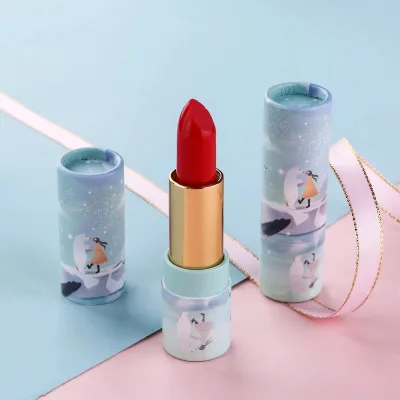
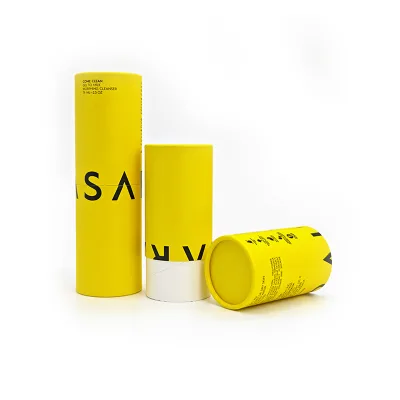


Custom Printing Lip Balm Container Concealer Empty Round Paper Lipstick Tube
$0.20 - $0.50
MOQ: 1000 Pieces

Luxury Lipstick Tube Box Round Cardboard Paper Lip Balm Tube for Packaging
$0.20 - $0.50
MOQ: 1000 Pieces


Bamboo Lip Gloss Tube Custom Liquid Lipstick Tube Lip Balm Container Tube
$1.12 - $1.49
MOQ: 10000 Pieces

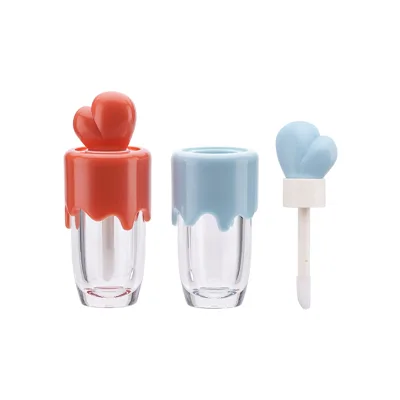


Comprehensive Sourcing Guide
Recycled Paperboard Lip Gloss Tube with Magnetic Closure Sourcing Guide
Procurement teams must first distinguish between the requested recycled paperboard construction and the prevalent plastic or aluminum-plastic alternatives observed in current listings. While the core keyword specifies a sustainable paperboard solution, the available data indicates a market dominated by plastic, aluminum-plastic, and standard paper packaging for cosmetics. Buyers should verify if the specific supplier can deliver the magnetic closure on a paperboard substrate, as many listed items utilize plastic tubes or simple carton packaging without magnetic mechanisms.
The observed product range includes various models like PD-3011 and SNYH-LP-025, which often feature screen printing or labeling rather than the complex magnetic closures required for premium lip gloss. Sourcing this specific configuration requires a targeted search to filter out standard disposable plastic tubes or simple paper cups that lack the structural integrity for magnetic components. Buyers must explicitly confirm the material composition and closure mechanism before proceeding, as the default listings frequently prioritize cost-effective plastic or basic paperboard options over specialized magnetic designs.
Product Scope and Observed Listing Signals
Current market signals reveal a diverse array of cosmetic packaging, including empty lipstick tubes and lip care containers with varying dimensions and material compositions. The observed listings feature models such as PD-1452 and MA-2003, which typically come in sizes ranging from 15.7mm to 28.4mm in width, often constructed from plastic or aluminum-plastic materials. These items are frequently marketed for women and designed for make-up applications, yet they often lack the specific recycled paperboard attribute or magnetic closure functionality requested in the core keyword.
Buyers must carefully navigate the distinction between standard paperboard packaging and the specialized recycled paperboard tubes with magnetic closures. While some listings mention paper materials and FSC certification, they often describe simple cups or cartons rather than the cylindrical tubes required for lip gloss. The presence of mixed colors and transparent options in the data suggests a broad inventory, but the specific combination of recycled content and magnetic hardware is not a standard feature across all observed models. Verification of the exact tube geometry and closure type is essential to avoid receiving incompatible plastic or non-magnetic paperboard alternatives.
Technical Specifications to Verify
Dimensional accuracy is a critical verification step, as observed product standards vary significantly from 16mm to 85.4mm in length and diameter. Buyers must confirm that the recycled paperboard tube matches the specific diameter requirements for their lip gloss formula, ensuring the magnetic closure aligns perfectly with the tube's outer dimensions. The data shows standard sizes like 20x19mm or 12.1/12.7mm cup sizes, but these may not correspond to the cylindrical shape needed for a magnetic lipstick-style tube. Precise measurement of the inner and outer diameters is necessary to guarantee a secure fit for the magnetic cap.
Surface treatment and printing capabilities also require strict validation to ensure the recycled paperboard can withstand the necessary cosmetic branding processes. The observed listings include options for screen printing, labeling, embossing, and UV coating, which are vital for creating a premium aesthetic on sustainable materials. However, the structural integrity of the paperboard must be sufficient to support the weight of the magnetic closure without warping or delaminating. Buyers should request physical samples to test the adhesion of the magnetic component and the durability of the surface treatments under typical storage and shipping conditions.
Compliance and Safety Documentation
Regulatory compliance is paramount when sourcing packaging for cosmetics, particularly when utilizing recycled materials that may contain trace contaminants. The observed data lists ISO, CE, and FSC certifications, which are relevant indicators of quality management and sustainable forestry practices. Buyers must ensure that the specific recycled paperboard supplier holds valid FSC certification to substantiate the "recycled" claim and that the material meets local cosmetic packaging safety standards. Without these documents, the product may face regulatory hurdles in key markets like the EU or North America.
Safety documentation must also address the chemical safety of the inks and adhesives used in the magnetic closure assembly. While the listings mention various surface treatments like gold foil and varnishing, the safety of these additives in contact with cosmetic products is not explicitly detailed in the general data. Procurement teams should request a Declaration of Conformity or a Material Safety Data Sheet (MSDS) to verify that the recycled paperboard and magnetic components are free from heavy metals and harmful substances. This due diligence ensures the final packaging does not compromise the safety of the lip gloss product it contains.
Cost Drivers and Commercial Terms
Pricing and minimum order quantities (MOQ) are significant variables that fluctuate based on material complexity and customization levels. The observed MOQ range spans from 1,000 to 20,000 pieces, with some listings indicating a standard MOQ of 24,000 pieces for specific models. The cost of a recycled paperboard tube with a magnetic closure will likely be higher than standard plastic or simple paper alternatives due to the specialized manufacturing process required for the magnetic mechanism. Buyers should anticipate a premium price point and negotiate based on the volume commitment to mitigate the higher unit costs associated with sustainable, complex packaging.
Lead times and sample availability are also critical commercial factors that impact the overall procurement timeline. The data indicates sample lead times of 7 to 10 working days and bulk lead times of 12 to 15 working days, though these may extend for custom magnetic designs. Buyers must account for the time required to source the specific recycled material and integrate the magnetic closure, which may not be a standard off-the-shelf item. Clear communication regarding bulk lead times and the availability of free samples is essential to align production schedules and avoid delays in the product launch.
Supplier Qualification and Quality Control
Supplier qualification should focus on verifying the ability to produce custom-sized recycled paperboard tubes with integrated magnetic closures. The observed data includes models with customizable sizes and logos, suggesting that many suppliers offer flexibility, but the specific capability to handle magnetic components on paperboard needs confirmation. Buyers should audit the supplier's production line to ensure they have the necessary machinery for die-cutting, folding, and assembling magnetic parts without compromising the structural integrity of the recycled material.
Quality control protocols must be established to monitor the consistency of the magnetic strength and the durability of the paperboard construction. Since the listings mention features like "recyclable" and "disposable," the supplier must demonstrate that the magnetic closure does not hinder the recycling process or that the tube can be easily separated for proper disposal. Regular quality checks should include testing the magnetic pull force, checking for delamination, and verifying the accuracy of the printed branding. Establishing a clear quality agreement with the supplier is vital to maintain product standards throughout the production run.
Long-Term Procurement Checks
Sustainable sourcing requires ongoing verification of the recycled content percentage and the supplier's commitment to environmental standards. Buyers should periodically request updated FSC certificates and audit reports to ensure the recycled paperboard continues to meet the specified sustainability criteria over time. The market for eco-friendly packaging is evolving, and suppliers may change their material sources or processing methods, which could impact the product's environmental profile. Regular reviews of the supply chain help maintain the integrity of the "recycled" claim and ensure compliance with evolving corporate sustainability goals.
Long-term partnerships also depend on the supplier's ability to adapt to design changes and volume fluctuations. The observed data shows a wide range of customization options, from logo printing to size adjustments, indicating that suppliers are capable of flexibility. However, maintaining a stable supply of recycled paperboard with magnetic closures requires a robust relationship with the manufacturer. Buyers should establish clear communication channels for forecasting and design updates to ensure the supplier can scale production efficiently while maintaining the high quality and sustainability standards required for the brand.
FAQs
What materials are used for these lip gloss tubes?
The tubes are primarily made from recycled paperboard and plastic. Some variants utilize aluminum-plastic composites for durability. The paperboard options feature surface treatments like embossing and UV coating. These materials ensure the packaging is both sustainable and functional for cosmetic products.
Can I customize the logo and color of the tubes?
Yes, customization is available for both logos and colors. Buyers can choose from transparent, mixed, or specific color options. The logo can be customized using techniques such as screen printing, gold foil stamping, or matt lamination. This allows for unique branding that aligns with your cosmetic product identity.
What are the typical MOQ requirements for these products?
Minimum Order Quantities vary by product model and supplier. Common MOQs include 1,000 pieces, 10,000 pieces, or 24,000 pieces. Some suppliers may accept lower quantities starting from 1 piece for samples. Buyers should verify the specific MOQ with the manufacturer before placing a bulk order to ensure alignment with production capabilities.
How long does production take for bulk orders?
Bulk lead times typically range from 12 to 15 working days. Sample lead times are generally shorter, taking 7 to 10 working days. These timelines depend on the complexity of customization and the current production schedule. Buyers should plan their inventory accordingly to account for these standard manufacturing durations.
What certifications do these packaging products hold?
These products often hold ISO certifications, with some variants also carrying CE and FSC marks. The FSC certification is particularly relevant for paperboard materials, indicating responsible sourcing. These certifications ensure that the packaging meets international standards for quality and environmental responsibility, which is crucial for global cosmetic brands.
What are the standard dimensions for these lip gloss tubes?
Standard sizes vary by model, such as 16x82mm or 22x82.8mm. Some models have specific dimensions like 15.7x85.4mm or 27.8x28.4x67.6mm. Customized sizes are also available to fit specific product requirements. Buyers should check the detailed specifications for each model to ensure compatibility with their lip gloss formulations.