Source Recycled Paperboard Oil Dropping Bottle for Cosmetics, Medicine, Personal Care
Compare 30 listings for the Recycled Paperboard Oil Dropping Bottle suitable for essential oils, cosmetics, and personal care products. Buyers can review specifications like capacity, sealing types, and customization options from verified Chinese manufacturers.
Key considerations
Products List


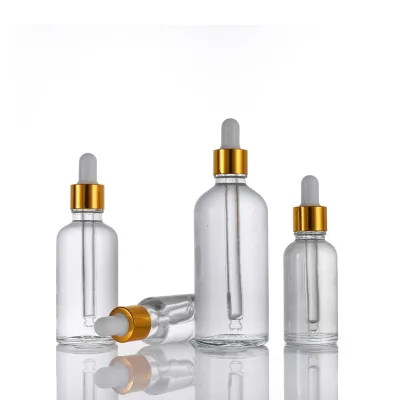


Wholesale Gray All-Plastic Dropper Bottle with Plastic Dropper for Essential Oil
$0.30 - $0.40
MOQ: 10000 Pieces


Factory Glass Dropper Bottle Essential Oil Bottle with Stainless Steel Lid
$0.08 - $0.28
MOQ: 10000 Pieces


Comprehensive Sourcing Guide
Recycled Paperboard Oil Dropping Bottle Sourcing Guide
Sourcing recycled paperboard oil dropping bottles requires a careful distinction between material composition and functional design, as the market often conflates glass dropper bottles with paper-based packaging solutions. The core keyword suggests a hybrid or specific niche product where the primary container is made from recycled paperboard, yet it must accommodate an oil-dropping mechanism. Buyers must first clarify whether they are seeking a standalone paperboard vessel with a dropper insert or a composite structure where paperboard serves as an outer sleeve or secondary packaging for a glass or plastic inner liner. This distinction is critical because pure paperboard is generally permeable to oils and lacks the structural integrity to hold liquid without a barrier layer or inner container. Therefore, the initial sourcing phase involves defining the exact physical architecture of the bottle to ensure it meets both the sustainability goals of using recycled materials and the functional requirements of storing viscous essential oils or cosmetic serums.
The procurement landscape for this specific item is fragmented, with many suppliers listing "essential oil bottles" that are actually glass or plastic, while others offer paperboard boxes that merely house dropper bottles. To navigate this, buyers should focus on suppliers who explicitly demonstrate expertise in sustainable packaging engineering rather than generic container manufacturers. The presence of recycled content is a key value proposition, but it must be verified through credible chain-of-custody certifications rather than marketing claims alone. Additionally, the "dropping" aspect implies a need for precise dispensing, which means the interaction between the paperboard structure and the dropper assembly (pipette and bulb) must be engineered to prevent leakage and maintain hygiene. Understanding these nuances helps in filtering out irrelevant listings and focusing on suppliers who can provide technical documentation on material barriers and dispensing accuracy.
Product Scope and Observed Listing Signals
When analyzing available listings, it is essential to recognize that the term "Recycled Paperboard Oil Dropping Bottle" may not yield direct matches in standard catalogs, as most observed data points to glass or plastic alternatives. The supplied facts indicate a strong market presence for glass dropper bottles with capacities ranging from 5ml to 100ml, often featuring screw mouths or dropper sealing types. Buyers should interpret this as a signal that if a true paperboard dropper bottle is not readily available, the closest sustainable alternative might be a glass bottle housed in a recycled paperboard sleeve or box, which provides the visual and tactile appeal of paper while maintaining the functional integrity of glass. This hybrid approach is common in the cosmetic and essential oil industries, where branding and sustainability are prioritized without compromising product stability.
Observed listing signals also highlight the importance of customization options, with many suppliers offering customized colors, logos, and packing methods such as cartons or pallets. The presence of "Customized Logo Acceptable" and "Custom Color" attributes suggests that buyers can tailor the appearance of the packaging to align with their brand identity, even if the core material is not strictly paperboard. However, buyers must be cautious of listings that claim "Recycled" status without providing specific percentages or certification details. The observed data includes attributes like "Recycled: Recycled" and "Flexibility: Hard," which may refer to the packaging material rather than the bottle itself. Therefore, buyers should scrutinize product descriptions to determine if the recycled claim applies to the primary container or the secondary packaging, ensuring that their sustainability targets are accurately met.
Technical Specifications to Verify
Technical verification begins with the material composition and barrier properties, as paperboard is inherently susceptible to oil penetration and degradation. Buyers must confirm whether the paperboard bottle includes an internal liner, such as a thin plastic or aluminum layer, to prevent oil seepage and maintain product integrity. If the bottle is intended to be purely paper-based, it must have a specialized coating or treatment that is food-grade and compatible with essential oils. Additionally, the dropper mechanism must be securely attached to the paperboard structure, which may require custom engineering since standard dropper tops are designed for glass or plastic necks. Buyers should request samples to test the seal integrity, ensuring that the dropper does not leak or detach during transport and use.
Capacity and dimensional specifications are also critical, with observed data indicating standard sizes like 5ml, 10ml, 15ml, 20ml, 30ml, 50ml, and 100ml. Buyers should verify that the paperboard bottle can accommodate the necessary volume of oil while maintaining a stable shape, as paperboard may deform under the weight of the liquid or during stacking. The neck finish, such as 18/400 or 20/400, must be compatible with the chosen dropper assembly, and buyers should ensure that the supplier can provide matching components. Furthermore, the structural strength of the paperboard should be assessed, particularly if the bottle will be subjected to pressure or temperature variations. Buyers should ask for technical data sheets that detail the burst strength, moisture resistance, and oil barrier performance of the material.
Compliance and Safety Documentation
Compliance with food-contact and cosmetic regulations is paramount, especially when the packaging is intended for essential oils or personal care products. Buyers must verify that the recycled paperboard and any associated coatings or liners meet relevant safety standards, such as FDA or EU regulations for food-contact materials. This includes ensuring that the recycled content does not introduce harmful contaminants and that the manufacturing process adheres to good manufacturing practices (GMP). Additionally, if the bottle is marketed as sustainable, buyers should request documentation for certifications like FSC (Forest Stewardship Council) or PEFC (Programme for the Endorsement of Forest Certification), which verify the responsible sourcing of the paperboard fibers.
Safety documentation should also cover the dropper component, ensuring that it is made from materials that do not leach chemicals into the oil. Buyers should ask for material safety data sheets (MSDS) for all components, including the pipette, bulb, and any adhesives used in assembly. If the supplier claims compliance with ISO 9001 or ISO 14001, buyers should verify these certifications through independent audit reports, as these standards relate to quality management and environmental management, respectively. It is also important to check for any specific restrictions on recycled materials in the target market, as some regions have stringent rules regarding the use of post-consumer recycled content in packaging for cosmetics or pharmaceuticals.
Cost Drivers and Commercial Terms
Cost drivers for recycled paperboard oil dropping bottles include the complexity of the barrier coating, the quality of the recycled fiber, and the customization level. Buyers should expect higher costs for fully customized designs, such as unique shapes or specialized printing techniques, compared to standard off-the-shelf options. The observed data indicates a wide price range, with some products listed as low as $0.02 and others up to $2.8, reflecting the variability in material quality and production scale. Buyers should request detailed quotes that break down costs by material, printing, assembly, and packaging, allowing for a transparent comparison between suppliers.
Commercial terms such as MOQ (Minimum Order Quantity) and lead times are also significant factors, with observed MOQs ranging from 500 to 200,000 pieces and lead times of 15-20 days. Buyers should negotiate MOQs based on their initial order volume and potential for repeat business, as lower MOQs may come with higher per-unit costs. Additionally, buyers should clarify payment terms, shipping responsibilities, and return policies for defective items. The observed data includes attributes like "Samples: Free" and "Daily Capacity: 150000PCS," which can be leveraged in negotiations to secure favorable terms. Buyers should also consider the total cost of ownership, including storage and handling, as paperboard packaging may require more care to prevent damage compared to rigid materials like glass.
Supplier Qualification and Quality Control
Supplier qualification involves assessing their manufacturing capabilities, quality control processes, and sustainability commitments. Buyers should request factory audits or third-party verification reports to ensure that the supplier adheres to ethical labor practices and environmental standards. The observed data includes attributes like "Place of Origin: Anhui, China" and "Brand Name: Everecosip," which can help in identifying reputable suppliers with a track record in the industry. Buyers should also evaluate the supplier's ability to provide consistent quality, particularly in terms of material consistency and printing accuracy, by reviewing their quality control protocols and defect rates.
Quality control measures should include regular inspections of raw materials, in-process checks during production, and final product testing before shipment. Buyers should specify their quality requirements in the purchase agreement, including acceptable tolerances for dimensions, weight, and appearance. Additionally, buyers should establish a clear process for handling non-conforming products, including return procedures and compensation policies. The observed data includes attributes like "Logo Printing: Without Logo Printing" and "Technics: Offset Printing," which highlight the importance of verifying the supplier's printing capabilities and quality standards. Buyers should also consider implementing a sampling plan for incoming shipments to ensure that the products meet their specifications.
Long-Term Procurement Checks
Long-term procurement checks involve monitoring supplier performance, market trends, and regulatory changes to ensure continued compliance and cost-effectiveness. Buyers should establish key performance indicators (KPIs) for delivery times, product quality, and customer service, and review these metrics regularly with their suppliers. The observed data includes attributes like "Lead Time: 15-20days" and "MOQ: 30000PCS," which can be used to benchmark supplier performance over time. Buyers should also stay informed about changes in sustainability regulations and consumer preferences, as these factors can impact the demand for recycled paperboard packaging.
Additionally, buyers should explore opportunities for innovation and improvement, such as new barrier technologies or design enhancements that can reduce costs or improve functionality. The observed data includes attributes like "Customization: Available" and "Color: Customized," which suggest that suppliers are open to collaborative development. Buyers should maintain open communication with their suppliers to discuss potential improvements and share feedback on product performance. Finally, buyers should diversify their supplier base to mitigate risks associated with supply chain disruptions, ensuring that they have alternative sources for recycled paperboard oil dropping bottles if needed.
FAQs
What materials are used for oil dropping bottles?
Oil dropping bottles are commonly made from plastic or glass. Some products feature a glass body with a cap, while others use plastic for durability. The material choice depends on the specific application requirements and customization options available from the manufacturer.
Which customization options are available for these bottles?
Customization is available for color, logo printing, and bottle specifications. Buyers can request specific models like 18/400 or 20/410 and choose from various capacities ranging from 5ml to 100ml. Custom colors and logos are acceptable for many product lines.
How is the packaging handled for these bottles?
Packaging typically includes cartons, boxes, or shrink bags combined with cartons and pallets. Specific packing methods vary by product model, with options like paper cartons or standard cartons. The final packaging ensures safe transport and storage for the bottles.
Can I get samples before placing a large order?
Free samples are available for many product models to help buyers evaluate quality. This allows verification of specifications like the 30ml or 50ml capacity before committing to a bulk purchase. Buyers should confirm sample availability with the specific supplier.
What is the typical lead time for production?
The lead time for production is generally between 15 to 20 days. This duration applies to standard orders and may vary based on customization needs or order volume. Buyers should plan their procurement schedule accordingly to ensure timely delivery.
Which capacities are available for essential oil bottles?
Available capacities include 5ml, 10ml, 15ml, 20ml, 30ml, 50ml, and 100ml. Some models specifically target 30ml or 51-100ml ranges. The selection depends on the specific product model and intended usage for cosmetics or medicine.
What is the minimum order quantity for these bottles?
Minimum order quantities vary significantly, ranging from 1000 pieces to 200,000 pieces depending on the supplier and product type. Some specific models may require 30,000 pieces as a baseline. Buyers must check the specific MOQ for their chosen model.