Source Red Core Salted Duck Egg for Families, Restaurants, Food Factory
Compare 14 listings for Red Core Salted Duck Egg from China. Buyers can review shelf life, packaging, and specifications for direct food use or dish preparation in families, restaurants, and food factories; compare the available evidence and request quotations based on your requirements.
Updated
Key considerations
Products List


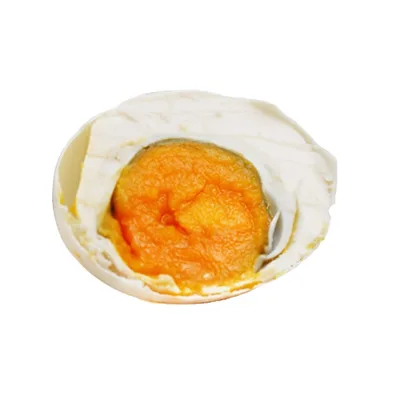
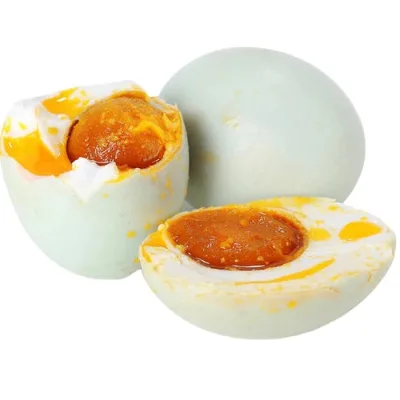
Supplier Salted Duck Egg Wholesale Salted Duck Egg Yolk Factory Price
$13.4655 - $18.6521
MOQ: 400 Minimum




Comprehensive Sourcing Guide
Red Core Salted Duck Egg Sourcing Guide
Procuring red core salted duck eggs requires a nuanced understanding of regional processing techniques and specific quality indicators that distinguish premium products from standard alternatives. Buyers must recognize that the "red core" characteristic is a visual and textural marker of proper salting and aging, indicating a rich, oily yolk that is highly prized in culinary applications. This guide provides evidence-based procurement strategies to help sourcing managers navigate the complexities of this niche ingredient, ensuring that the final product meets stringent quality and safety standards.
The market for these eggs is dominated by suppliers in China, particularly in regions like Fujian, which are known for traditional production methods. Understanding the origin is critical, as it often correlates with specific brining techniques and ingredient quality. Buyers should focus on verifying the authenticity of the origin claims and the consistency of the red core appearance across batches. This visual consistency is a primary indicator of process control and supplier reliability, serving as a quick but effective quality check during initial sampling and ongoing inspections.
Product Scope and Observed Listing Signals
The observed product listings reveal a diverse range of specifications, with models such as SDE, PDE, and LX-61 indicating different processing lines or packaging configurations. These variations suggest that suppliers offer customized solutions tailored to specific client needs, ranging from individual retail packs to bulk industrial supplies. The presence of multiple model numbers implies that buyers should not assume uniformity across all listings and must carefully review the technical details associated with each specific SKU to ensure alignment with their operational requirements.
Listing signals also highlight significant variability in shelf life, ranging from six months to over twelve months, which directly impacts inventory management and supply chain planning. Some products are explicitly labeled as having a shelf life of one year, while others extend beyond that threshold, offering greater flexibility for long-term storage. Buyers must correlate these shelf-life claims with the stated storage methods, such as room temperature or normal conditions, to determine the most suitable procurement strategy for their distribution channels and consumption rates.
Technical Specifications to Verify
Verification of physical dimensions and packaging standards is essential for logistics optimization and retail shelf compatibility. Observed specifications include a length of 6.8 cm and a size of 50 grams for certain models, while others are defined by standard pack sizes like 16x5 or 6x60g. Buyers must confirm these exact dimensions for each order, as discrepancies can lead to packaging inefficiencies or retail display issues. The single package size of 37x45x37 cm and a gross weight of 0.400 kg per item provide critical data for calculating container loadings and freight costs accurately.
Ingredient composition is another critical technical parameter, with listings specifying ingredients such as duck eggs and salt, confirming the simplicity and purity of the product. Some entries note a net weight of 400 grams per box with eight pieces, which helps in calculating unit costs and portion control. Buyers should verify whether the salt content is standardized or customizable, as this affects both the flavor profile and the nutritional information required for regulatory compliance in different markets.
Compliance and Safety Documentation
Safety certifications are a non-negotiable aspect of sourcing food products, and the observed listings indicate that suppliers hold HACCP and ISO certifications. These certifications demonstrate a commitment to food safety management systems and quality control processes, which are vital for mitigating risks associated with foodborne illnesses and product contamination. Buyers must request valid copies of these certificates and verify their current status with the issuing bodies to ensure that the supplier’s quality management systems are up to date and compliant with international standards.
In addition to certifications, buyers should inquire about specific test results related to microbial safety, heavy metals, and chemical residues, although these specific test data points are not explicitly listed in the provided context. It is crucial to establish clear acceptance criteria for these tests in the purchase agreement. Suppliers should be required to provide batch-specific test reports that confirm the product meets the safety thresholds required by the destination market, ensuring that the red core salted duck eggs are safe for consumption by families, restaurants, and food factories.
Cost Drivers and Commercial Terms
The price range observed in the market spans from 0.12 to 120.6 USD, reflecting the wide variability in product quality, packaging, and order volume. This broad range underscores the importance of defining precise specifications before requesting quotes, as even minor differences in egg size, salt content, or packaging material can significantly impact the final cost. Buyers should avoid comparing prices across different specifications and instead focus on total landed cost, which includes freight, insurance, and tariffs, to make accurate budgeting decisions.
Minimum order quantities (MOQs) vary from 1 to 1000 units, offering flexibility for both small-scale buyers and large industrial purchasers. Understanding the MOQ structure is crucial for negotiating favorable terms, as larger orders may qualify for volume discounts or more favorable payment terms. Buyers should also consider the supply ability of the supplier, which is noted as 50 tons per month for some sources, to ensure that the supplier can meet peak demand periods without compromising quality or delivery schedules.
Supplier Qualification and Quality Control
Supplier qualification should begin with a thorough review of their production capabilities and quality control processes. The observed listings indicate that customization is available, suggesting that suppliers have the flexibility to adapt their products to specific client requirements. Buyers should assess the supplier’s ability to maintain consistency in the red core appearance and texture, as this is a key quality indicator. Requesting samples and conducting sensory evaluations is a critical step in verifying that the supplier can meet the desired quality standards.
Quality control measures should also include an audit of the supplier’s storage and handling practices, as the product is sensitive to temperature and humidity. The observed storage methods, such as room temperature, require careful monitoring to prevent spoilage or quality degradation. Buyers should ensure that the supplier has robust procedures for maintaining product integrity during storage and transportation, including proper packaging materials like paper or cartons, which help protect the eggs from physical damage and environmental factors.
Long-Term Procurement Checks
Establishing a long-term procurement strategy requires regular performance reviews and continuous monitoring of supplier quality. Buyers should implement a system for tracking key performance indicators, such as delivery times, product quality, and responsiveness to issues. Regular audits and re-certification checks for HACCP and ISO standards are essential to ensure that the supplier maintains their quality management systems over time. This proactive approach helps to mitigate risks and ensures a stable supply of high-quality red core salted duck eggs.
Feedback loops with end-users, such as restaurants and food factories, are also critical for long-term success. Collecting feedback on product performance, taste, and customer satisfaction can provide valuable insights for improving procurement decisions. Buyers should use this feedback to refine their specifications and negotiate better terms with suppliers. By maintaining open communication and a focus on continuous improvement, buyers can build strong, resilient supply chains that support their business goals and meet the evolving needs of their customers.
FAQs
What are the ingredients in red core salted duck eggs?
The ingredients are duck eggs and salt. These are processed eggs with a shelf life exceeding 12 months. They are suitable for families, restaurants, and food factories. The product is stored at room temperature and comes in cartons or bags. Each box contains eight pieces weighing 400 grams net.
Can red core salted duck eggs be customized?
Yes, customization is available for these processed duck eggs. Buyers can request specific packaging details or model variations like SDE or PDE. The standard specifications include 16x5 or 6x60g formats. This flexibility supports diverse needs for direct food use or dish preparation across global markets.
What is the shelf life of red core salted duck eggs?
The shelf life is typically over 12 months for processed varieties. Some standard poultry products may have a shelf life of 6 to 12 months. These eggs remain valid throughout the year when stored normally at room temperature. This long duration ensures stable supply for food factories and restaurants.
Where are red core salted duck eggs manufactured?
These eggs originate from China, specifically from Fujian province. The port of dispatch is Xiamen. The supply ability reaches 50 tons per month. OEM branding is available for buyers. This location supports efficient logistics for international sourcing of cooked duck eggs.
What certifications do red core salted duck eggs have?
The products hold HACCP and ISO certifications. These standards ensure quality and safety for processed duck eggs. The items are suitable for direct food consumption and dish making. This compliance supports procurement by food factories and restaurants seeking reliable suppliers for their ingredient needs.
How are red core salted duck eggs packaged?
Packaging includes cartons, boxes, and inner bags. Standard formats are 16x5 or 6x60g. Each small box holds eight pieces with a net weight of 400 grams. The single gross weight is 0.400 kg. Customized packaging details are available to meet specific buyer requirements.