Source Red Cayenne Pepper Chilli Flakes for seasoning, sauces, and snacks
Explore 30 listings for Red Cayenne Pepper Chilli Flakes with varying pungency, mesh sizes, and packaging options. Buyers can compare specifications from Chinese manufacturers offering HACCP, FDA, and ISO certifications for food ingredient applications.
Key considerations
Products List


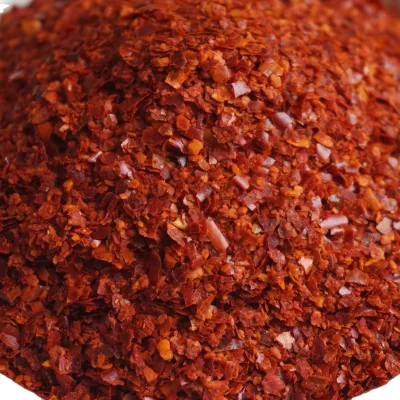
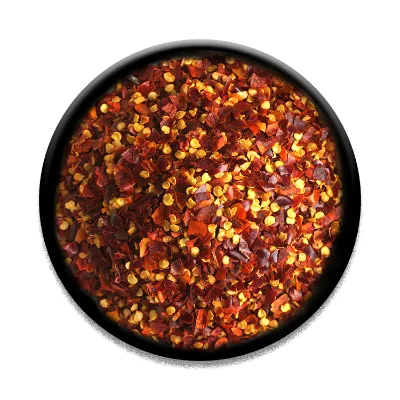


New Season High Quality Dried Spice Dehydated Red Pepper Flakes Granules Slices
$1000.00 - $4000.00
MOQ: 1 Tons


Large Scale Production High Nutritional Value Chilli Flakes with Seeds From China
$1600.00 - $2000.00
MOQ: 10 Tons

2025 Top Grade High Quality Spice Seedless Crushed Chilli Export Quality
$1800.00 - $2200.00
MOQ: 10 Tons


Comprehensive Sourcing Guide
Strategic Sourcing Guide for Red Cayenne Pepper Chilli Flakes
Understanding Product Specifications and Variants
The global market for Red Cayenne Pepper Chilli Flakes is defined by a diverse range of physical forms, each catering to specific culinary and industrial requirements. When sourcing this commodity, buyers must first distinguish between the primary variants observed in current listings: whole flakes and powdered forms. The core product, often identified by model numbers such as "Chilli Flakes" or specific codes like "P6019," typically presents in a crushed form where the primary ingredient is dried chilli. A critical observation in the current supply landscape is the variation in particle size, which directly influences heat distribution and texture in final applications.
Physical specifications are paramount when defining a purchase order. Listings indicate that chilli flakes are frequently available in specific size ranges, such as 3-5mm or 9mm, while other variants may be described as 3*5mm. For powdered applications, the mesh size is a standard metric, with common offerings including 8-12 mesh or fully customizable specifications. The color profile is consistently observed as red, a result of the specific drying and processing methods used to preserve the capsaicin content. The form of the product can range from "Chilli" in a crushed state to "Powder," with some listings specifying "red chilli flakes without seeds" to ensure a cleaner texture and consistent heat profile. Moisture content is another critical specification, with reliable suppliers typically maintaining levels below 10% or at a maximum of 10% to prevent microbial growth and ensure shelf stability. Buyers should verify that the "Cultivation Type" aligns with their quality expectations, with "Common" varieties being the standard baseline for bulk procurement.
Compliance Framework and Certification Verification
In the international trade of food ingredients, particularly those destined for human consumption, certification acts as the primary gatekeeper for market access. The supply chain for Red Cayenne Pepper Chilli Flakes is heavily regulated, requiring suppliers to demonstrate adherence to rigorous safety and quality management systems. Current market data highlights a cluster of high-confidence certifications that buyers should prioritize during the supplier evaluation phase. These include HACCP (Hazard Analysis and Critical Control Points), ISO standards, BRC (Brand Reputation Compliance), and FDA registration.
The presence of these certifications is not merely a formality but a reflection of the supplier's commitment to food safety protocols. HACCP certification, for instance, indicates that the manufacturer has identified potential biological, chemical, and physical hazards in their production process and established controls to mitigate them. Similarly, ISO certification suggests a standardized approach to quality management, while BRC certification is often a prerequisite for supplying major retailers in Europe and North America. Some suppliers may also hold QS certification, which is particularly relevant for domestic Chinese markets but can indicate a broader commitment to quality.
Buyers must treat these certifications as dynamic requirements rather than static badges. It is essential to verify the validity of these certificates against the specific facility that will be producing the order. The "Place of Origin" is frequently listed as China, with specific regions like Hebei or Wangdu, Baoding, emerging as manufacturing hubs. While the origin provides context for the supply chain, the certifications are the true indicators of compliance. A supplier claiming FDA compliance must be able to provide proof of registration, and ISO certificates must be current and issued by an accredited body. The absence of these certifications in a supplier's profile should trigger a deeper due diligence process, as they are standard expectations for reputable B2B transactions in this category.
Cost Drivers and Pricing Dynamics
The pricing structure for Red Cayenne Pepper Chilli Flakes is influenced by a complex interplay of factors, including raw material costs, processing intensity, packaging requirements, and logistics. The observed price range in the current market is exceptionally wide, spanning from approximately $3.42 to $4,409.36 per unit. This variance is not indicative of a single product but rather reflects differences in order volume, packaging configuration, and the specific grade of the chilli used.
Several key drivers contribute to the final landed cost. First, the "Processing Type" plays a significant role. Products listed as "Raw" may have lower processing costs compared to those that undergo additional cleaning, seed removal, or grinding into specific mesh sizes. The "Customization" availability is another major cost factor; orders requiring specific particle sizes, such as the 8-12 mesh or custom 3-5mm cuts, often command a premium due to the specialized equipment and labor required. Packaging also impacts cost significantly. While standard options include "Bags" or "Craft Paper Bag with Inner Plastic Bag," more complex packaging like "Bag/Carton" combinations or specific weight configurations (e.g., 25kg/bag) will alter the unit price.
Furthermore, the "Supply Ability" of the manufacturer, often cited as 100 tons per month, suggests that economies of scale are achievable. Larger orders typically benefit from lower per-unit costs, whereas small MOQs (Minimum Order Quantities) ranging from 1 to 1000 units may carry higher price points due to setup and handling fees. The "Transport" method, predominantly "Sea" freight for international shipments, adds a variable cost layer based on fuel prices and route availability. Buyers should note that the "Weight" of the product, often standardized at 25kg per bag, is a critical metric for calculating shipping volume and freight charges. Understanding these drivers allows procurement teams to negotiate more effectively and anticipate total landed costs rather than focusing solely on the unit price.
Typical Applications and Usage Guidelines
Red Cayenne Pepper Chilli Flakes serve as a versatile ingredient across a broad spectrum of industries, primarily driven by their pungency and flavor profile. The "Instruction for use" is generally categorized under "food ingredients," indicating their primary application in culinary preparation. The "Taste" is described as spicy, with a pungency level that can range from 10,000 to 50,000 Scoville Heat Units (SHU), or be customized to specific client requirements. This range allows the product to be used in applications ranging from mild seasoning to intense heat profiles.
In the food manufacturing sector, these flakes are utilized in the production of sauces, marinades, spice blends, and ready-to-eat meals. The "Content" of the product, often specified as "red chilli crushed," makes it ideal for applications where texture is as important as flavor. For instance, the "red chilli flakes without seeds" variant is preferred in applications where a cleaner, more uniform heat is desired without the bitterness that seeds can sometimes impart. The "Primary Ingredient" being 100% chilli ensures that the product is free from fillers, making it suitable for clean-label products.
Beyond direct food consumption, the product finds applications in the pharmaceutical and cosmetic industries, where capsaicin is utilized for its analgesic properties or as a stimulant in topical creams. The "Additives" status is consistently listed as "No," which is a significant selling point for manufacturers seeking natural ingredients. The "Shelf Life" of 24 months provides a substantial window for inventory management, allowing distributors to stock the product for extended periods without significant quality degradation. The "Storage Method" requirements, which specify a "Dry and Cool Place" or "Cool and Dry Condition," must be strictly followed to maintain the integrity of the product throughout its lifecycle.
Supplier Evaluation and Quality Control Protocols
Selecting the right supplier for Red Cayenne Pepper Chilli Flakes requires a rigorous evaluation process that goes beyond price comparison. Buyers should assess the manufacturer's capabilities, starting with the "Manufacturer" name and their specific "Address" to verify operational legitimacy. The "Brand Name," such as "huyuanlaye," may also serve as an identifier for established players in the market. However, the most critical aspect of supplier evaluation is the verification of their quality control systems.
Quality control should be assessed through the lens of the "Standard" specifications provided. For example, the "prod_standard" of 25kg/bag or 25 kgs must be consistently met. Buyers should request batch-specific test results to verify the "Moisture" content, ensuring it remains within the specified <10% or 10% Max range. The "Pungency" level, whether listed as 10000-50000shu or "Above 10000shu," should be confirmed through third-party testing to ensure consistency. The "Size" specifications, such as 3-5mm or 9mm, must be verified to ensure the product meets the exact physical requirements of the buyer's production line.
The "Packaging Material," typically "Plastic" or "Craft Paper Bag with Inner Plastic Bag," is another area requiring scrutiny. The packaging must be robust enough to protect the product from moisture and contamination during "Sea" transport. Buyers should also evaluate the supplier's ability to handle "Customization" requests, as the market demand for specific mesh sizes and particle distributions is growing. A reliable supplier will have the flexibility to adjust their production lines to meet these unique specifications without compromising on quality or delivery timelines.
Long-Term Procurement and Supply Chain Stability
Sourcing Red Cayenne Pepper Chilli Flakes is not a one-time transaction but a long-term strategic partnership that requires careful planning for supply chain stability. The "Shelf Life" of 24 months is a critical factor in inventory planning, allowing buyers to maintain a buffer stock without the risk of rapid spoilage. However, this longevity is contingent upon strict adherence to "Storage Type" requirements, specifically maintaining a "Cool and Dry Place" or "Normal" storage conditions that prevent moisture absorption.
Buyers should also consider the "Supply Ability" of their chosen supplier, which is often cited as 100 tons per month. This capacity indicates the supplier's ability to scale operations in response to increased demand, but it also necessitates a clear understanding of their production cycles and potential bottlenecks. The "Lead Time," while not explicitly detailed in the provided data, is a crucial variable that must be negotiated and documented in the purchase agreement. Given that the "Transport" method is predominantly "Sea," buyers must account for potential delays due to port congestion or logistical disruptions.
To mitigate risks, buyers should establish a diversified supplier base, ensuring that they are not reliant on a single source for their critical ingredient needs. The "Customization" availability should be leveraged to create a unique product profile that differentiates the buyer's offerings in the market. Regular audits of the supplier's facilities, particularly focusing on their "Certification" status and adherence to "Standard" operating procedures, will help maintain high quality over the long term. By focusing on these strategic elements, procurement teams can secure a stable supply of high-quality Red Cayenne Pepper Chilli Flakes that meet both current and future business needs.
Comparative Analysis of Product Attributes
To facilitate informed decision-making, the following table summarizes the key attributes observed in the current market for Red Cayenne Pepper Chilli Flakes. This comparison highlights the variations in specifications, packaging, and certifications that buyers should consider when evaluating potential suppliers.
| Attribute Category | Observation 1 | Observation 2 | Observation 3 |
|---|---|---|---|
| Product Form | Chilli Flakes | Chilli Powder | Red Chilli Crushed |
| Model Number | Chilli Flakes | Chilli Powder | P6019 |
| Size/Particle | 3-5mm, 9mm | 8-12 mesh | 3*5mm |
| Pungency | 10,000-50,000 SHU | Above 10,000 SHU | Customizable |
| Moisture Content | <10% | 10% Max | Not Specified |
| Packaging Material | Plastic | Craft Paper + Inner Plastic | Bag/Carton |
| Standard Weight | 25kg/bag | 25 kgs | 25 kg |
| Certifications | HACCP, FDA, ISO, BRC | HACCP | ISO, QS |
| Origin | China | Hebei, China | Wangdu, Baoding |
| Shelf Life | 24 Months | 24 Months | 24 Months |
| Processing Type | Raw | Raw | Not Specified |
| Additives | No | No | Not Specified |
This comparative overview underscores the importance of precise specification matching. While the core product remains consistent, the variations in particle size, packaging, and certification profiles require buyers to align their requirements with the specific capabilities of their chosen supplier. By carefully analyzing these attributes, procurement professionals can ensure that the final product meets all technical, safety, and operational standards required for their specific applications.
FAQs
What certifications do Red Cayenne Pepper Chilli Flakes suppliers typically hold?
Suppliers typically hold HACCP, FDA, ISO, BRC, and QS certifications. These credentials verify adherence to food safety and quality management systems required for international trade and ensure the product meets regulatory standards for human consumption.
How is the pungency level of the chilli flakes defined?
The pungency ranges from 10,000 to 50,000 Scoville Heat Units or can be customized. This heat profile ensures the product delivers a spicy taste suitable for various culinary applications while allowing buyers to specify exact intensity requirements.
Which packaging standards are used for shipping these chilli flakes?
Standard packaging involves 25kg bags made of plastic or craft paper with an inner plastic liner. This configuration protects the product during sea transport and maintains moisture levels below 10% to ensure a 24-month shelf life.
Can buyers customize the particle size of the chilli flakes?
Yes, customization is available for particle sizes such as 3-5mm, 9mm, or 8-12 mesh. Manufacturers can adjust production lines to meet specific mesh requirements, though this may influence the final unit price and lead time.
Where are the primary manufacturing locations for this product?
Primary manufacturing locations are in China, specifically in regions like Hebei and Wangdu, Baoding. These areas serve as key hubs for producing dried chilli varieties with consistent quality and established supply chain infrastructure.
What is the typical supply capacity of a reliable manufacturer?
A reliable manufacturer typically offers a supply ability of 100 tons per month. This capacity supports bulk procurement needs while allowing for scalability, provided that order volumes align with the supplier's production cycles and raw material availability.