Source Refillable Torch Metal Cigarette Lighter for BBQ Kitchen Decor
Find 30 verified options for a Refillable Torch Metal Cigarette Lighter suitable for BBQ, kitchen, and decorative uses. Buyers can compare features like gas, flint, and electronic ignition, along with customizable logos and packaging details from Chinese manufacturers.
Key considerations
Products List


Electronic Lighter Cigarette Lighter Refillable Gas Lighters Smoking Accessories
$0.05 - $0.05
MOQ: 300000 Pieces


Slim Metal Jet Torch Lighter Jet Flame Leather Cigarettes Lighter Cigarette Lighters
$0.03 - $0.04
MOQ: 300000 Pieces


Torch Lighter Flame Adjustable Refillable Butane Gas Windproof Pen Lighter
$1.40 - $2.00
MOQ: 100 Pieces


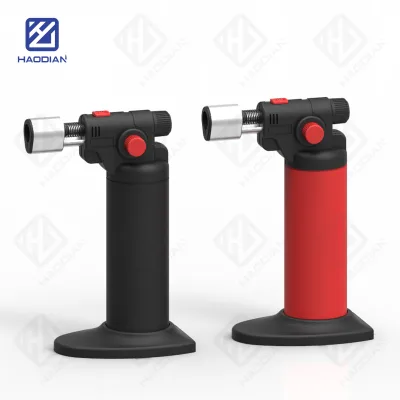

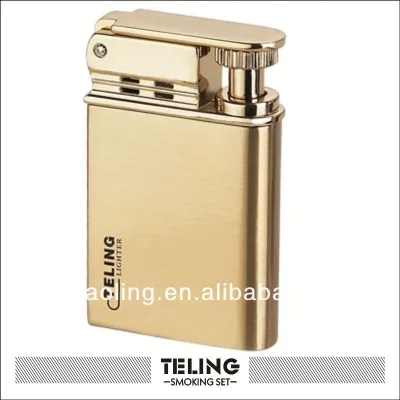
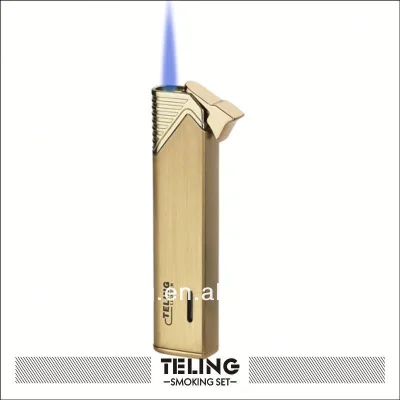


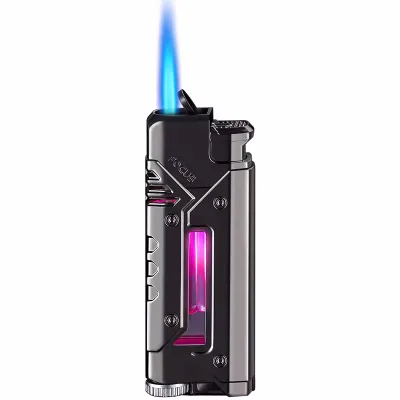
Comprehensive Sourcing Guide
Strategic Sourcing Guide for Refillable Metal Cigarette Lighters
The global market for refillable metal cigarette lighters presents a complex landscape where durability, safety, and customization intersect. For procurement professionals, the core keyword "Refillable Torch Metal Cigarette Lighter" defines a specific segment of the lighter industry characterized by high-temperature output, robust construction, and the ability to be refilled with butane gas. Sourcing in this category requires a disciplined approach to verifying material composition, understanding the nuances of torch technology versus traditional flint mechanisms, and ensuring that all regulatory and safety standards are met before finalizing orders. The following guide outlines the critical factors buyers must evaluate to secure a reliable supply chain for these products.
Technical Specifications and Material Composition
The foundation of a high-quality refillable lighter lies in its material composition and mechanical design. Based on observed product attributes, the primary materials utilized in this sector include metal, plastic, and composite alloys such as Plastic+Zinc Alloy. When sourcing a "metal" lighter, it is essential to verify that the structural integrity is maintained through the use of zinc alloy or high-grade steel, as these materials provide the necessary heat resistance and impact durability required for torch lighters. The presence of plastic components is often observed in specific models, serving as grip enhancers or decorative elements, but the core housing should be metallic to withstand the intense heat generated by a torch flame.
The mechanism of ignition is another critical technical specification. The market offers lighters with various feature sets, including "Gas, Flint, Refillable" and "Gas, Electronic, Refillable." A torch lighter typically utilizes a gas mechanism where the flame is directed through a nozzle to create a concentrated, high-temperature jet. Some models incorporate electronic ignition systems, which eliminate the need for a flint wheel, offering a more consistent spark. Buyers must distinguish between these technologies based on their target market's preference for reliability versus the tactile experience of a traditional flint wheel. Additionally, the weight of the unit is a significant indicator of build quality; observed weights range from 58g to 94g, suggesting that heavier units often contain more substantial metal components, which can correlate with better heat dissipation and a premium feel.
Compliance and Certification Verification
Safety compliance is non-negotiable when importing lighters, as these products are classified as pressurized gas containers and ignition devices. The supply chain data indicates that specific certifications are available for certain models, including ISO9994, MSDS, and EN13869. ISO9994 is a recognized international standard for lighters, focusing on child resistance and safety performance. When evaluating potential suppliers, buyers must request proof of these certifications rather than accepting verbal assurances. The presence of an MSDS (Material Safety Data Sheet) is crucial for understanding the chemical composition of the gas and any potential hazards during transport.
Furthermore, the standard EN13869 relates to the safety requirements for lighters, ensuring they meet specific performance criteria to prevent accidental ignition. It is important to note that not every listed product in the market will possess these certifications; they are often tied to specific production batches or higher-tier manufacturing facilities. Procurement teams should verify that the specific model number, such as VIN0278, JYD-016-2, or DY-818, is covered under the provided certification documents. If a supplier claims compliance but cannot provide documentation for the exact model being ordered, the risk of regulatory rejection at the destination port increases significantly. Buyers should also be aware that some products are labeled as "Disposable" while others are "Refillable," and the certification requirements may differ based on the intended lifecycle of the product.
Cost Drivers and Pricing Dynamics
The pricing structure for refillable metal lighters is influenced by several variables, including material costs, customization complexity, and order volume. The observed price range in the market spans from $0.03 to $65 per unit, a vast disparity that reflects differences in quality, branding, and order quantity. The lower end of the spectrum typically corresponds to basic models with simple metal construction and minimal customization, often produced in high volumes. Conversely, the upper end of the price range is associated with premium finishes, complex electronic ignition systems, and extensive branding efforts.
Order volume plays a pivotal role in determining the final unit cost. The Minimum Order Quantity (MOQ) for these products varies widely, ranging from as low as 2 units to as high as 300,000 pieces. Suppliers often offer tiered pricing structures where the cost per unit decreases significantly as the order quantity increases. For instance, a supplier might have a low MOQ of 100 pieces for a custom design, while a standard model might require a commitment of 300,000 pieces to achieve the most competitive pricing. Buyers must balance their inventory needs with their budget constraints, understanding that smaller orders will inherently carry a higher per-unit cost due to the fixed costs of setup and production line allocation. Additionally, the inclusion of packaging, such as gift boxes or blister cards, adds to the overall cost and should be factored into the total landed cost calculation.
Typical Applications and Market Segmentation
Refillable metal torch lighters serve diverse applications beyond the traditional use of lighting cigarettes. The observed product attributes list usage scenarios including "Torch," "BBQ," "Kitchen," and "Cigarette/Gift/Decorative." This versatility allows buyers to target multiple market segments. In the culinary sector, torch lighters are valued for their high-temperature output, which is essential for tasks like caramelizing sugar or searing meats. The "Kitchen" and "BBQ" designations highlight the utility of these lighters in professional and home cooking environments.
Beyond functional use, these lighters are frequently marketed as promotional gifts or decorative items. The availability of "Customizable Logo" and "Customized Designs" makes them ideal for corporate branding, where the lighter serves as a durable and useful marketing tool. The "Fluorescence" feature observed in some models suggests a niche appeal for night-time visibility or aesthetic customization. The "Soft Flame" design offers an alternative to the harsh jet flame, catering to users who prefer a gentler ignition source. Understanding these varied applications is crucial for buyers to position their products correctly in the market, ensuring that the technical specifications align with the intended use case of the end consumer.
Supplier Evaluation and Production Capabilities
Evaluating suppliers requires a deep dive into their production capabilities, origin, and logistical readiness. The primary origin for these products is China, with specific manufacturing hubs identified in Hunan or Guizhou Province. When assessing a supplier, buyers should verify their capacity to handle the required order volume and their ability to maintain consistent quality across large batches. The lead time for production is a critical factor, with observed ranges spanning from 20 to 35 days. This timeframe should be factored into the overall supply chain planning to avoid stockouts.
Suppliers often offer different packaging options, ranging from simple "OPP Bag" to elaborate "Gift Box" or "Carton" packaging. The choice of packaging can impact the perceived value of the product and its suitability for retail display. For example, a "Display Box or Blister Card Packing" is ideal for retail environments where visibility is key, while "24 PCS Packed in Carton" is more suitable for bulk distribution. Buyers should also inquire about the supplier's ability to handle custom orders, including the customization of logos and designs. The presence of "Customer Logo" and "Accepting OEM" capabilities indicates a supplier's flexibility in meeting specific client requirements. However, buyers must ensure that the supplier has the necessary infrastructure to manage these customizations without compromising the lead time or quality of the final product.
Quality Control and Long-Term Procurement Considerations
Implementing a robust quality control (QC) strategy is essential to mitigate risks associated with sourcing refillable lighters. Given the safety implications of gas-powered devices, QC should focus on leak testing, flame stability, and ignition reliability. Buyers should request pre-shipment inspection reports that verify the product meets the specified standards, such as ISO9994. The inspection should also cover the physical integrity of the metal casing, ensuring there are no defects that could lead to gas leakage or structural failure.
Long-term procurement considerations involve building a sustainable relationship with suppliers who can scale with the buyer's growth. The wide range of MOQs, from 2 to 300,000 pieces, suggests that suppliers cater to both small startups and large enterprises. Buyers should aim to establish a partnership with a supplier who can accommodate fluctuating order volumes while maintaining consistent quality. It is also important to consider the environmental impact and the lifecycle of the product. Refillable lighters are designed for longevity, reducing waste compared to disposable alternatives. Buyers should verify that the refillable mechanism is durable and that the gas canister is compatible with standard butane refills. Finally, maintaining clear communication regarding any changes in standards or regulations is vital to ensure ongoing compliance and market access.
Comparative Analysis of Product Attributes
To facilitate decision-making, the following table summarizes key product attributes observed in the market, highlighting the variations in specifications, materials, and packaging that buyers should consider.
| Attribute Category | Observation A | Observation B | Observation C |
|---|---|---|---|
| Material | Metal | Plastic+Zinc Alloy | Plastic |
| Feature | Gas, Flint, Refillable | Gas, Electronic, Refillable | Gas, Electronic, Flint, Refillable |
| Usage | Torch, BBQ, Kitchen | Torch | Cigarette, Gift, Decorative |
| Weight | 58g | 94G | Not Specified |
| Packaging | Box, Carton | Gift Box or OPP Bag | Display Box or Blister Card |
| Certification | ISO9994, MSDS, EN13869 | ISO9994 | None Listed |
| Origin | China | Cn | Hunan or Guzhou Province, China |
| MOQ | 300,000 PCS | 100 | 2-300,000 (General Range) |
This comparison underscores the diversity within the category. A buyer seeking a premium, certified product for a corporate gift program might prioritize Observation B or C, focusing on the "Gift Box" packaging and "Electronic" ignition. Conversely, a buyer targeting the BBQ market might prioritize Observation A, emphasizing the "Metal" construction and "Flint" mechanism for durability. By carefully analyzing these attributes against specific business needs, buyers can make informed decisions that align with their strategic objectives.
In conclusion, sourcing refillable metal cigarette lighters requires a meticulous approach that balances technical specifications, regulatory compliance, and cost efficiency. By leveraging the available data on materials, certifications, and production capabilities, buyers can navigate the complexities of this market and establish a reliable supply chain that delivers high-quality products to their customers. The key lies in verifying every claim, understanding the nuances of the different models, and maintaining a proactive stance on quality control and supplier evaluation.
FAQs
What materials are used for refillable torch metal cigarette lighters?
Primary materials include metal, plastic, and composite alloys like Plastic+Zinc Alloy. Heavier units often contain substantial metal components for better heat dissipation and durability.
Which certifications are available for these lighters?
Available certifications include ISO9994, MSDS, and EN13869. Buyers must request proof of these certifications for specific model numbers to ensure safety compliance.
How long is the typical lead time for production?
The observed lead time ranges from 20 to 35 days. This timeframe should be factored into supply chain planning to avoid inventory stockouts.
Can buyers customize the logo and design?
Yes, customization is available with options for Customizable Logo and Customized Designs. Suppliers often accept OEM requests for branding and specific aesthetic features.
What is the minimum order quantity for these products?
The MOQ range spans from 2 to 300,000 pieces depending on the supplier and model. Some standard models require high volume commitments like 300,000 pieces.
Where are these lighters typically manufactured?
Products originate from China, with specific hubs in Hunan or Guizhou Province. Buyers should verify the exact origin location for logistical planning.
What packaging options are available for bulk orders?
Options include Box, Carton, Gift Box, OPP Bag, and Display Box or Blister Card. Packaging choices impact perceived value and suitability for retail or bulk distribution.