Source Refillable White Ink Cartridge for Handheld Printers
Compare 13 compatible ink cartridges for handheld and online inkjet printers. Options include solvent-based and water-based formulations with RFID chips, offering stable viscosity and anti-clogging features for industrial coding applications; compare the available evidence and request quotations based on your requirements.
Key considerations
Products List




Comprehensive Sourcing Guide
Refillable White Ink Cartridge Sourcing Guide
Procurement teams must first distinguish between solvent-based and water-based formulations when sourcing refillable white ink cartridges, as the supplied data indicates a market split between these two distinct chemical bases. While some listings explicitly describe solvent-based inks designed for penetration drying on diverse substrates, other entries highlight water-based options with volatile drying characteristics. Buyers should verify the specific ink chemistry required for their handheld or online inkjet printers to ensure compatibility with the machine's internal printhead and fluid dynamics.
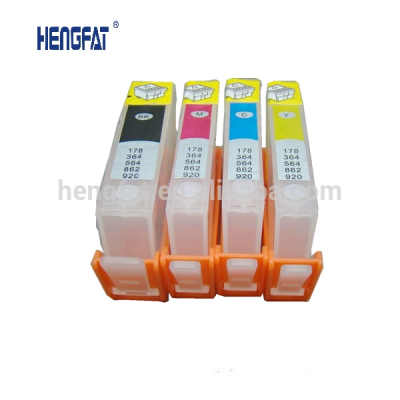
The observed product range includes cartridges with RFID chips and specific model numbers like SP70 and 711xl, suggesting a need for precise hardware matching beyond generic compatibility claims. Sourcing strategies must account for the variation in capacity, with some units offering large capacity options while others adhere to standard 42ml per piece specifications. It is critical to confirm whether the cartridge is an original new unit or a compatible replacement, as this distinction directly impacts the warranty terms and the long-term stability of the printing process.
Product Scope and Observed Listing Signals
Buyers should analyze the observed price range of 0.85 to 49 USD to understand the significant variance between basic compatible cartridges and premium original units. This wide spectrum often reflects differences in brand authenticity, such as HP-branded items versus generic compatible alternatives, and may correlate with the inclusion of advanced features like RFID chips or specific color configurations. Procurement teams must evaluate whether the lower price points align with the required performance standards for high-volume production or if the higher cost is justified by claims of long life and stable viscosity.
Listing signals also reveal a diversity in packaging standards, ranging from standard export cartons to original packing with specific quantities like 100 bottles per carton. These logistical details are essential for calculating total landed costs and storage requirements, as the physical dimensions and weight of the packaging will influence shipping expenses. Buyers must verify if the supplier offers wholesale or bulk supply services with OEM packaging options, as this capability can significantly streamline the supply chain for large-scale industrial operations.
Technical Specifications to Verify
Technical due diligence requires confirming the ink drying mechanism, as the market offers both penetration drying for solvent-based inks and volatile drying for water-based variants. The choice between these mechanisms dictates the suitable application materials, which include plastic, metal, carton, wood, pipe, and packaging bags. Procurement teams must ensure the selected ink type matches the substrate being printed on to prevent issues like smudging or poor adhesion, which can occur if the drying time and solvent evaporation rate are mismatched with the production line speed.
Verification of physical dimensions and print capabilities is equally critical, with specific listings noting a print height of 12.7mm and color options ranging from single black to seven-color configurations. Buyers must cross-reference these specifications against their handheld printer models, such as those compatible with Wdotmark series, to ensure the cartridge fits the physical constraints of the device. Additionally, checking for features like anti-clogging and anti-leakage mechanisms is vital for maintaining operational continuity and reducing downtime caused by printhead maintenance or fluid spills.
Compliance and Safety Documentation
Safety and compliance verification should focus on the presence of recognized management system certifications, such as ISO9001 and ISO14001, which indicate a supplier's commitment to quality and environmental standards. While some listings mention OEKO-TEX as a background standard, buyers must request explicit, current certification documents to confirm that the ink formulations meet specific safety thresholds for workplace handling and environmental disposal. Relying on general claims without verified documentation can expose the organization to regulatory risks and potential liability issues regarding chemical safety.
Documentation review must also address the warranty and service support terms, as the observed data includes an 18-month warranty period and 14 years of supplier experience. Buyers should ensure that the warranty covers specific failure modes related to ink viscosity stability and color consistency, rather than just general hardware defects. It is essential to confirm that the supplier provides clear guidelines for the safe handling of the ink, particularly for solvent-based varieties that may require specific ventilation or personal protective equipment during the refilling process.
Cost Drivers and Commercial Terms
Commercial negotiations must account for the minimum order quantity (MOQ) range of 1 to 50 units, which allows for flexibility in testing new suppliers or fulfilling immediate production needs. However, larger orders often unlock better pricing tiers and more favorable delivery terms, so procurement teams should calculate the optimal order size based on their consumption rates and storage capacity. Understanding the cost drivers behind the price variance, such as the inclusion of RFID chips or the distinction between original and compatible models, is necessary to justify the total cost of ownership.
Lead time is another critical commercial factor, with observed delivery windows ranging from 7 to 15 working days for standard orders. Buyers should clarify if expedited shipping is available for urgent needs, as some listings mention fast delivery times but do not guarantee specific timelines. It is also important to negotiate terms regarding the replacement policy for defective units, ensuring that the supplier can provide 1:1 replacements quickly to minimize production interruptions. Clear agreements on payment terms and shipping responsibilities will further stabilize the commercial relationship.
Supplier Qualification and Quality Control
Supplier qualification should prioritize vendors with a proven track record of 14 years in the industry and a demonstrated ability to provide consistent quality control measures. Buyers must verify that the supplier maintains stable viscosity and offers long-life performance claims backed by actual test data rather than marketing assertions. The presence of specific certifications like ISO9001 is a positive indicator, but it should be complemented by requests for batch-specific quality reports that confirm the ink meets the required chemical and physical specifications.
Quality control protocols must also include a rigorous inspection of the physical condition of the cartridges, ensuring they are original new or high-quality compatible units as specified. Procurement teams should assess the supplier's ability to provide service support for wholesale and bulk supply, including their capacity to handle OEM packaging requests. Establishing a clear communication channel for reporting quality issues and defining the escalation process for non-conforming products is essential for maintaining a reliable supply chain and ensuring consistent print quality.
Long-Term Procurement Checks
Long-term procurement strategies should include regular audits of the supplier's ability to maintain consistent product specifications over time, particularly regarding ink color stability and drying performance. Buyers must monitor the supplier's adherence to the stated delivery times and their responsiveness to any changes in production schedules or supply chain disruptions. Continuous evaluation of the ink's performance on the specific handheld printers used in the facility will help identify any degradation in quality that might not be immediately apparent during initial testing.
It is also vital to review the supplier's warranty fulfillment history and their capacity to provide timely replacements for any defective units. Procurement teams should assess whether the supplier can scale their production to meet increasing demand without compromising on the quality of the pigment-based or water-based inks. Establishing a long-term partnership with a qualified supplier who offers reliable service support and consistent quality will reduce the risk of production delays and ensure the continued efficiency of the inkjet printing operations.
FAQs
What ink drying method is used in these cartridges?
The cartridges utilize penetration drying for solvent-based ink and volatile drying for other types. This ensures rapid fixation on materials like plastic, metal, and wood. The specific drying mechanism depends on the ink formulation selected for your handheld or online printer application.
Which certifications do the manufacturers hold for quality?
Manufacturers hold ISO9001 and ISO14001 certifications to ensure quality management and environmental compliance. Some specific product lines also maintain ISO9001 standards. These certifications verify that production processes meet international requirements for consistent performance and safety in industrial printing environments.
Can I find cartridges with RFID chips for easy tracking?
Yes, available options include ink cartridges equipped with RFID chips for enhanced tracking and management. These features are designed for compatibility with specific printer models like the SP70 or 711xl. The RFID integration simplifies inventory control while maintaining stable viscosity and anti-clogging performance.
What is the typical delivery time for bulk orders?
The standard delivery time ranges from 7 to 15 working days for most orders. This lead time applies to standard export carton packing and bulk supply requests. Fast delivery options are also available for urgent requirements, ensuring timely restocking for continuous handheld or online printing operations.
Which materials are compatible with this ink type?
This ink is suitable for printing on plastic, metal, carton, wood, pipes, and packaging bags. The pigment-based formulation ensures strong adhesion and durability across diverse industrial substrates. It is specifically designed for use with all Wdotmark handheld inkjet printers and similar compatible machines.
What warranty period is provided for the ink cartridges?
A warranty period of 18 months is provided for the ink cartridges to guarantee product reliability. This coverage ensures long life and stable performance for your printing operations. The warranty applies to original new or compatible units that meet the specified quality standards and usage conditions.
Are customization options available for bulk buyers?
Customization is available for bulk buyers seeking specific packaging or branding solutions. Suppliers offer OEM package services and wholesale supply options to meet unique requirements. This flexibility allows businesses to tailor product specifications while maintaining the core performance features of the ink cartridges.