Source Refillable Recyclable Essential Oil Bottle for Cosmetics, Liquor, and Essential Oil
Compare 30 verified options for the Refillable Recyclable Essential Oil Bottle suitable for cosmetics, liquor, and essential oil applications. Buyers can evaluate customization, materials, and lead times from suppliers in China.
Key considerations
Products List


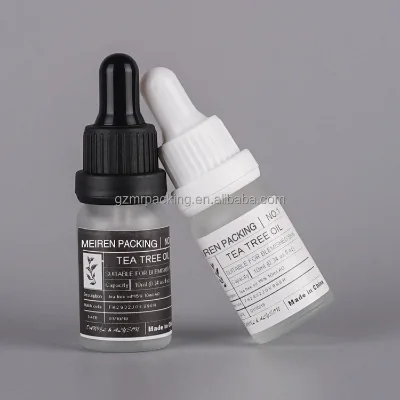


Customized Skin Care Refillable Plastic Bottle with Superior Durability
$0.80 - $1.00
MOQ: 10000 Pieces

Eco-Friendly Refillable Lotion Bottle for Customized Cosmetic Packaging
$0.70 - $0.80
MOQ: 10000 Pieces


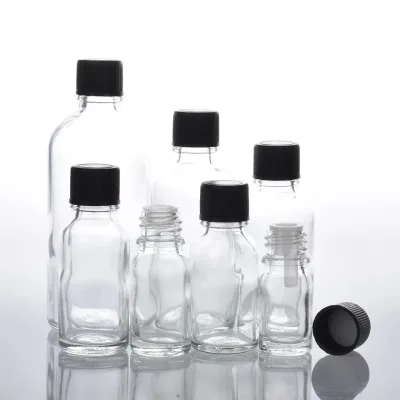


20ml Transparent Essential Oil Bottle/Dropper Bottle/Customized Bottle
$0.05 - $0.70
MOQ: 30000 Pieces
Comprehensive Sourcing Guide
Strategic Sourcing Guide for Refillable Recyclable Essential Oil Bottles
Sourcing refillable and recyclable essential oil bottles requires a meticulous approach that balances material science, supply chain logistics, and regulatory compliance. The market for these containers is dynamic, driven by the growing demand for sustainable packaging in the cosmetics and aromatherapy sectors. Buyers must navigate a landscape where product attributes vary significantly between suppliers, and where "recyclable" claims require verification against specific material compositions and local recycling infrastructure. This guide provides a structured framework for evaluating potential suppliers and products based on verified data points and industry best practices, ensuring that procurement decisions are grounded in factual evidence rather than marketing assertions.
Understanding Material Composition and Recyclability Claims
The foundation of any sustainable sourcing strategy lies in the material composition of the bottle. In the context of essential oil packaging, the primary materials observed in the current market include plastic and glass. Plastic options often utilize specific polymers that allow for screw caps and dropper mechanisms, while glass options offer a premium feel and superior chemical resistance. When evaluating a product for recyclability, buyers must first identify the specific material type. For instance, plastic bottles are frequently categorized by their resin identification codes, which dictate their end-of-life processing.
The supply data indicates that plastic is a dominant material for certain product lines, with specific models utilizing plastic screw caps. Conversely, other product categories highlight glass collars or bodies, which are inherently recyclable but carry different logistical constraints regarding weight and breakage. A critical distinction for the buyer is the difference between the bottle body and the cap. A bottle may be made of recyclable glass, but if the cap is a mixed-material plastic or includes a non-recyclable liner, the entire unit's recyclability is compromised. Buyers should verify that the cap material matches the bottle's recyclability profile or is easily separable.
Furthermore, the term "refillable" implies durability and design features that support repeated use. This often involves robust sealing mechanisms, such as dropper systems or secure screw caps, which prevent leakage during transport and storage. The presence of specific finishes like offset printing, screen printing, or hot stamping can also impact recyclability if the inks or foils are not compatible with standard recycling streams. Buyers must inquire whether the printing process uses water-based inks or other eco-friendly alternatives that do not contaminate the recycling batch.
Technical Specifications and Customization Capabilities
Technical specifications define the functional viability of the essential oil bottle. Key parameters include volume capacity, sealing type, and surface handling. The market offers a wide range of capacities, from small 10ml units suitable for travel-sized essential oils to larger 1000ml containers for bulk storage. Specific models in the current supply chain demonstrate capacities ranging from 25ml to 500ml, with some lines extending up to 1000ml. This variability allows buyers to select packaging that aligns precisely with their product formulation and target market positioning.
Customization is a pivotal factor in this sector. Most suppliers offer extensive customization options, including color, printing, and packaging formats. The ability to customize the color of the bottle, such as frosted finishes, allows brands to differentiate their products on the shelf. Printing capabilities typically range from 1 to 9 colors, utilizing processes like screen printing or offset printing. For buyers seeking a premium look, hot stamping may be available as an additional finish.
The following table outlines common technical specifications observed in the market, highlighting the variability buyers must navigate:
| Specification Category | Observed Options | Sourcing Consideration |
|---|---|---|
| Volume Capacity | 10ml, 25ml, 500ml, 1000ml | Match to product SKU and shipping weight constraints. |
| Sealing Type | Dropper, Screw Cap | Ensure compatibility with oil viscosity and evaporation rates. |
| Printing Process | Screen, Offset, Hot Stamping | Verify ink compatibility with oil to prevent smudging or degradation. |
| Packaging Format | Box, Carton, Polybag/Eggcrate | Assess protection needs for fragile glass vs. durable plastic. |
| Customization | Color, Logo, Shape | Confirm minimum order quantities (MOQ) for custom runs. |
Buyers should also note the physical dimensions and thickness of the containers. For example, some plastic variants may have a thickness of 1 cm, which affects stackability and storage density. The choice between box, carton, or polybag/eggcrate packaging is critical for protecting the product during transit, especially for glass items which are more susceptible to damage.
Compliance, Certification, and Regulatory Verification
Navigating the regulatory landscape is essential for selling essential oil products, particularly in international markets. While specific certification data points like ROHS and REACH are mentioned in background contexts, buyers must treat these as verification targets rather than guaranteed attributes of every listed product. Compliance with these standards ensures that the packaging materials do not leach harmful substances into the essential oils, which could pose health risks or violate consumer protection laws.
When evaluating a supplier, buyers should request explicit documentation regarding chemical safety. This includes verifying that the plastic or glass materials meet relevant food-grade or cosmetic-grade standards. For products intended for export to the European Union, compliance with REACH regulations is often mandatory. Similarly, for electronics or specific components, ROHS compliance may be relevant, though less common for simple glass or plastic bottles.
The "Industrial Use" classification of the bottles, such as for liquor or cosmetics, provides a baseline for expected regulatory rigor. Cosmetic-grade packaging generally requires higher standards regarding inertness and safety compared to general industrial uses. Buyers must ensure that the supplier can provide a Certificate of Analysis (CoA) or a Declaration of Conformity (DoC) that specifically addresses the intended use of the essential oil bottle. Relying on general claims without documented proof can lead to significant compliance risks and potential product recalls.
Cost Drivers and Economic Considerations
The cost of sourcing essential oil bottles is influenced by several variables, including material type, customization level, and order volume. The observed price range in the market spans from $0.02 to $1.00 per unit, reflecting the diversity in product complexity and material quality. Plastic bottles generally offer a lower cost point compared to glass, but the latter may provide a perceived value that justifies a higher price for premium brands.
Minimum Order Quantities (MOQ) represent a significant economic factor. The market data indicates a wide range of MOQs, from 1,000 pieces to 30,000 pieces. High MOQs, such as 30,000 units, are often associated with custom molds or specific production runs that require significant setup costs. Conversely, lower MOQs around 1,000 to 10,000 pieces may be available for standard models or limited customization. Buyers must balance their inventory needs with the financial commitment required by these thresholds.
Additional cost drivers include the complexity of the printing process. Multi-color printing or special finishes like hot stamping will increase the unit cost compared to single-color screen printing. Lead times also impact cost; longer production times, such as 25-35 days, may require earlier planning and potentially higher inventory holding costs. Conversely, faster turnaround times might come at a premium. Buyers should calculate the total landed cost, including shipping, duties, and storage, rather than focusing solely on the unit price.
Supplier Evaluation and Production Capacity
Selecting the right supplier involves assessing their production capacity, location, and reliability. The supply chain data reveals that manufacturers are primarily located in China, with specific hubs in Zhejiang and Guangdong provinces. These regions are known for their robust manufacturing ecosystems and expertise in plastic and glass processing. The location of the supplier can influence lead times and shipping costs, with Guangzhou being a notable port for exports.
Production capacity is a critical metric for ensuring supply chain stability. Some suppliers report daily capacities of up to 150,000 pieces, indicating a high-volume capability that can support large-scale orders. However, buyers must verify if this capacity is available for their specific product model, as custom orders may require dedicated production lines that reduce overall throughput.
The lead time for production varies significantly, with ranges observed from 15-20 days to 25-35 days. Sample times are also a factor, typically ranging from 3-7 days. Buyers should factor these timelines into their product launch schedules to avoid delays. Payment terms, such as T/T, PayPal, and Western Union, are common, and buyers should negotiate terms that protect their interests, such as partial payments upon shipment or inspection.
Quality Control and Sampling Protocols
Implementing a robust quality control (QC) protocol is essential to ensure that the received bottles meet the required specifications. The availability of free samples is a standard practice in the industry, allowing buyers to physically inspect the product before committing to a large order. Sample times of 3-5 days or 5-7 days enable rapid evaluation of the product's quality, finish, and functionality.
During the sampling phase, buyers should test the bottles for several key attributes: leak resistance, seal integrity, print durability, and material strength. For essential oils, which can be volatile and corrosive, it is crucial to verify that the bottle does not react with the oil over time. The sealing type, whether a dropper or screw cap, must be tested for ease of use and reliability.
For mass production, buyers should establish clear quality standards based on the agreed-upon sample. This includes defining acceptable tolerances for dimensions, color variations, and printing alignment. Regular inspections during production, such as pre-shipment inspections, can help identify and rectify issues before the goods are shipped. Given the high daily capacity of some suppliers, maintaining consistent quality across large batches is a priority that requires active management.
Long-Term Procurement and Sustainability Strategy
Long-term procurement of refillable and recyclable essential oil bottles requires a strategic approach that aligns with sustainability goals and market trends. As consumer awareness of environmental issues grows, the demand for truly recyclable and refillable packaging will likely increase. Buyers should view their packaging strategy as a long-term investment, considering the lifecycle of the product and its end-of-life options.
Building a relationship with a supplier that offers flexible customization and reliable capacity is key to long-term success. Suppliers that can adapt to changing design trends and regulatory requirements will be more valuable partners. Additionally, buyers should consider the environmental impact of their packaging choices, seeking materials that are not only recyclable but also made from post-consumer recycled content where possible.
The ability to offer refillable options can also enhance brand loyalty. By designing bottles that are durable and easy to refill, brands can reduce waste and appeal to eco-conscious consumers. This strategy requires careful consideration of the bottle's design, ensuring that it can withstand repeated use without degradation. Ultimately, a successful sourcing strategy for essential oil bottles combines technical precision, regulatory compliance, and a forward-looking commitment to sustainability.
FAQs
What materials are used for refillable recyclable essential oil bottles?
The bottles are primarily made of plastic or glass, with some featuring glass collars and plastic screw caps. Buyers must verify the specific material type for each model to ensure compatibility with recycling streams and chemical resistance against essential oils.
Which customization options are available for these essential oil containers?
Customization is available for color, printing, and packaging formats. Suppliers offer 1 to 9 colors using offset, screen, or hot stamping processes, with options for frosted finishes and custom box or carton packaging to meet brand requirements.
How long does production take for custom essential oil bottle orders?
Production lead times typically range from 15 to 35 days depending on the specific model and customization level. Sample times are shorter, usually between 3 to 7 days, allowing for quick evaluation before committing to full production runs.
Can I get free samples before placing a large order?
Yes, free samples are available for most product models to verify quality and functionality. Buyers should expect sample delivery within 3 to 7 days, enabling testing of sealing integrity, print durability, and material compatibility with essential oils.
What is the minimum order quantity for these essential oil bottles?
Minimum order quantities vary significantly, ranging from 1,000 to 30,000 pieces depending on the supplier and product model. High-volume custom runs often require larger commitments, while standard models may be available at lower thresholds.
Where are the manufacturers of these bottles located?
Manufacturers are primarily located in China, with specific hubs in Zhejiang and Guangdong provinces. Guangzhou serves as a notable export port, influencing logistics and lead times for international buyers sourcing these cosmetic and essential oil containers.