Source Reflective Custom Number Aluminum Plate for Business, Public, Warning
Compare 30 Reflective Custom Number Aluminum Plate options from verified Chinese manufacturers. Buyers can evaluate customizable sizes, materials like aluminum or stainless steel, and certifications including TUV and CE for business, public, and warning traffic sign applications.
Key considerations
Products List


Custom Aluminum Reflective Optional Operation Area Durable Traffic Sign Plate
$60.00 - $200.00
MOQ: 200 Pieces


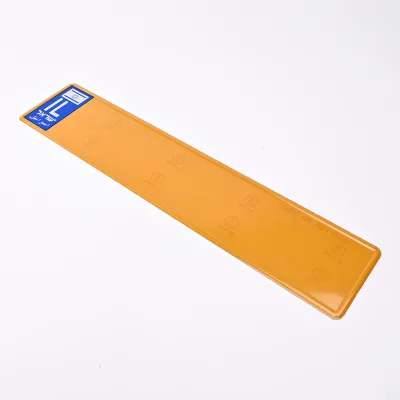
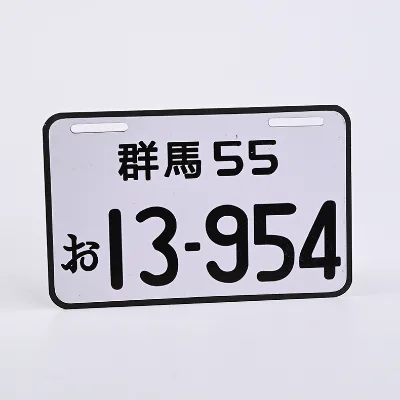

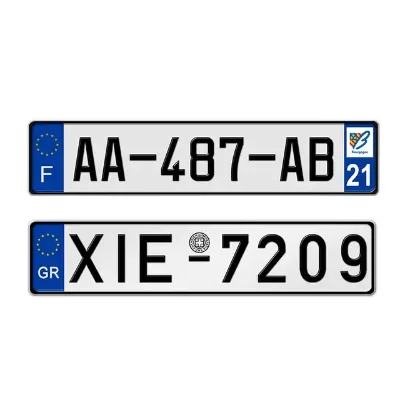
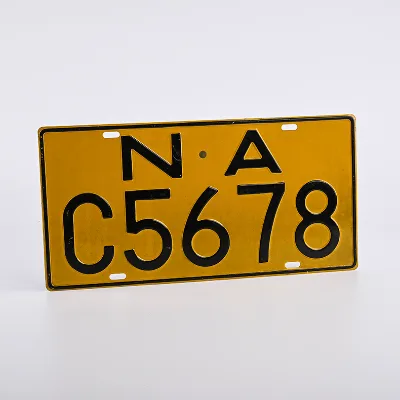


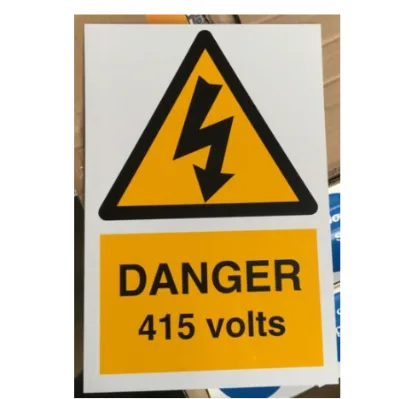
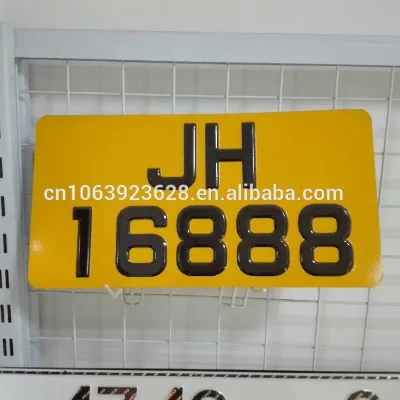

Custom Metal Full Color Printing Decorative Reflect Embossed Number Plates
$1.50 - $2.00
MOQ: 1000 Pieces


Comprehensive Sourcing Guide
Reflective Custom Number Aluminum Plate Sourcing Guide
Sourcing reflective custom number aluminum plates requires a careful balance between aesthetic customization, material durability, and regulatory compliance. These products are typically utilized in business and public settings, serving as warning traffic signs or identification markers where high visibility is critical. The core material is often aluminum or aluminum alloy, chosen for its lightweight nature and resistance to corrosion, though some variants may utilize stainless steel for enhanced longevity in harsh environments. Buyers must navigate a landscape where customization is the norm, with options for shape, size, color, and surface finish tailored to specific project needs.
The procurement process involves verifying that the supplier can meet precise technical requirements while adhering to international quality standards. Products are frequently observed with certifications such as TUV, CE, and ISO, indicating a baseline level of manufacturing rigor. However, the availability of these certifications does not automatically guarantee that every unit produced will meet specific local regulatory requirements. Therefore, buyers must engage in thorough due diligence, focusing on material grades, reflective sheeting quality, and installation methods to ensure the final product performs as expected in its intended indoor or outdoor application.
Product Scope and Observed Listing Signals
The market for reflective custom number aluminum plates presents a wide variety of configurations, primarily driven by the need for adaptability in public and business infrastructure. Listings frequently highlight customizable attributes, including square, rectangular, and round shapes, allowing for versatile design integration. The material composition is predominantly aluminum or aluminum alloy, with some specialized offerings specifying 100% Grade 304 or 316 stainless steel for superior weather resistance. This diversity in base materials and shapes enables buyers to select components that best fit their structural and aesthetic requirements, whether for temporary installations or permanent signage.
Observations of product listings reveal a strong emphasis on customization, with options for size, color, and pattern available upon request. Reflective sheeting is often selectable, with optional reflective films that can be tailored to specific visibility needs. The surface finish is typically polished, enhancing both the visual appeal and the reflectivity of the plate. Additionally, the production process supports OEM services, allowing buyers to incorporate their own logos or branding into the design. This level of customization is a key differentiator in the market, enabling organizations to maintain brand consistency while ensuring functional performance.
Technical Specifications to Verify
When evaluating technical specifications, buyers must prioritize the material grade and thickness to ensure durability and structural integrity. Aluminum plates are commonly available in various thicknesses, with 1mm being a frequently observed standard, though thicker options may be required for high-traffic or high-wind areas. The choice between aluminum and stainless steel should be guided by the environmental conditions of the installation site, with stainless steel offering better resistance to corrosion and vandalism. Buyers should also verify the quality of the reflective sheeting, as its performance directly impacts visibility and safety, particularly in low-light conditions.
Installation methods and mounting requirements are critical technical considerations that must be addressed during the sourcing process. Most reflective custom number aluminum plates are designed for fixed installation, requiring specific hardware or mounting systems to ensure stability. The weight of the plate is often customizable according to size, which can affect the complexity of the installation and the type of support structures needed. Additionally, the surface finish, such as a polished texture, can influence the ease of cleaning and maintenance over time. Buyers should request detailed technical drawings or specifications to confirm compatibility with their existing infrastructure.
Compliance and Safety Documentation
Compliance with international standards is a fundamental requirement for reflective custom number aluminum plates, particularly when used in public or traffic-related applications. Certifications such as TUV, CE, and ISO are commonly cited by suppliers, indicating adherence to quality management and safety protocols. However, buyers must verify that these certifications are current and applicable to the specific product variant being purchased. It is also important to check for compliance with regional standards, such as ASTM B209 for aluminum alloys or EN14286 for traffic sign retroreflectivity, if these are relevant to the project location.
Safety documentation should include information on the weather resistance and UV stability of the reflective sheeting and base material. Products are often described as UV-resistant, which is crucial for maintaining visibility and preventing degradation over time in outdoor environments. Buyers should request test reports or material safety data sheets (MSDS) to confirm the chemical composition and environmental impact of the materials used. Additionally, understanding the product's performance under various weather conditions can help in selecting the most suitable option for long-term reliability and safety.
Cost Drivers and Commercial Terms
The cost of reflective custom number aluminum plates is influenced by several factors, including material selection, customization level, and order volume. Aluminum and stainless steel are premium materials, with stainless steel typically commanding a higher price due to its enhanced durability and corrosion resistance. Customization options, such as specific shapes, sizes, colors, and reflective sheeting types, can also impact the final cost, as they require additional manufacturing steps and tooling. Buyers should be aware that smaller order quantities may result in higher per-unit costs due to setup fees and reduced economies of scale.
Commercial terms, including minimum order quantities (MOQ), lead times, and payment conditions, vary among suppliers and should be clearly defined in the procurement agreement. MOQs can range from small quantities for prototyping to large volumes for mass deployment, with some suppliers requiring a minimum of 2000 pieces for standard production runs. Lead times are typically estimated at 15-30 days, depending on the complexity of the order and the supplier's production capacity. Buyers should also consider logistics costs, including packaging and shipping, as products are often packed in cartons or pallets for safe transport.
Supplier Qualification and Quality Control
Supplier qualification is a critical step in ensuring the reliability and consistency of reflective custom number aluminum plates. Buyers should verify the supplier's manufacturing capabilities, including their experience with aluminum and stainless steel processing, as well as their ability to handle custom orders. Certifications such as ISO and GMP are indicators of a supplier's commitment to quality management, but buyers should also assess their production facilities and quality control processes. Requesting samples or conducting factory audits can provide valuable insights into the supplier's operational standards and product quality.
Quality control measures should include rigorous inspection of materials, dimensions, and surface finishes to ensure they meet the specified requirements. Buyers should establish clear acceptance criteria for reflective sheeting quality, color accuracy, and structural integrity. Additionally, implementing a robust inspection process during production and before shipment can help identify and rectify defects early in the manufacturing cycle. Suppliers that offer OEM services should also demonstrate their ability to maintain brand consistency and confidentiality throughout the production process.
Long-Term Procurement Checks
Long-term procurement success depends on establishing a sustainable relationship with suppliers who can consistently deliver high-quality products. Buyers should monitor supplier performance over time, tracking metrics such as on-time delivery, product quality, and responsiveness to issues. Regular communication and feedback loops can help identify areas for improvement and foster a collaborative partnership. Additionally, staying informed about industry trends and technological advancements can enable buyers to make informed decisions about material upgrades or design improvements.
Risk management strategies should include diversifying the supplier base to mitigate the impact of supply chain disruptions. Buyers should also consider the environmental impact of their procurement decisions, opting for suppliers who adhere to sustainable manufacturing practices. Regular reviews of contract terms and pricing structures can help ensure that the procurement process remains cost-effective and aligned with organizational goals. By maintaining a proactive approach to supplier management, buyers can secure a reliable supply of reflective custom number aluminum plates that meet their evolving needs.
FAQs
What materials are used for reflective custom number aluminum plates?
These plates are primarily made from aluminum or aluminum alloy sheets. Some high-quality options utilize 100% Grade 304 or 316 stainless steel for the base material. The specific material choice depends on the customization requirements and intended application environment.
Can I customize the shape and size of these aluminum plates?
Yes, customization is available for shape, size, and color. The products come in square, rectangular, or round forms with customizable dimensions. Buyers can request specific sizes upon request to match their unique business or public application needs.
Which certifications do these aluminum plates typically hold?
The products often carry TUV, CE, ISO, and GMP certifications. These standards ensure the quality and safety of the manufacturing process. Buyers should verify specific certification documents for each supplier to confirm compliance with their regional regulations.
How long is the delivery time for custom orders?
The standard delivery time ranges from 15 to 30 days. This lead time applies to orders meeting the minimum quantity requirements. Production schedules may vary based on the complexity of the customization and current factory capacity.
What is the minimum order quantity for these plates?
The minimum order quantity can range from 1 to 2000 pieces depending on the supplier. Some specific listings indicate an MOQ of 2000 pieces for certain models. Buyers should confirm the exact MOQ with the manufacturer before placing an order.
Are these plates suitable for outdoor use?
Yes, the products are designed for both indoor and outdoor applications. They feature UV-resistant properties and weather resistance to withstand outdoor conditions. The reflective sheeting is also selectable to ensure visibility in various lighting environments.
Can I request a specific surface finish for the plates?
Buyers can request a polished surface finish for the aluminum plates. The surface treatment is often customizable to meet specific aesthetic or functional requirements. This ensures the final product meets the desired quality standards for business or public use.