Source Reflective Cat Eye Road Stud for Highway, Parking, and Urban Use
Find and compare 30 Reflective Cat Eye Road Stud options for highway, parking, and urban applications. Evaluate materials like plastic and aluminum alloy, certifications such as CE and ASTM, and customization features to select the right road safety solution for your project.
Key considerations
Products List


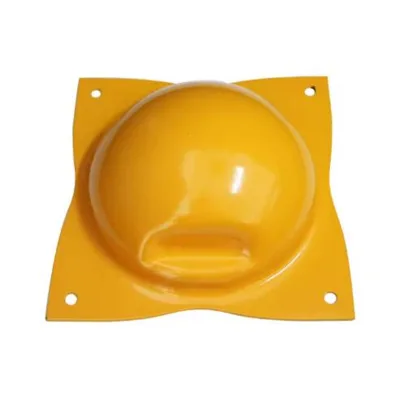
Cat Eyes Road Stud Reflectors Metal Big Reflective Stainless Road Studs
$3.16 - $3.41
MOQ: 1000 pieces


Factory High Quality Reflective Cat Eye Road Stud Plastic Reflective Road Stud
$3.50 - $3.59
MOQ: 1000 Pieces


Wholesale Highway Use Reflective Cat Eye Colorful Glass Road Stud for Security
$1.60 - $2.00
MOQ: 1000 Pieces
Comprehensive Sourcing Guide
Reflective Cat Eye Road Stud Sourcing Guide
Product Scope and Observed Listing Signals
The Reflective Cat Eye Road Stud market encompasses a diverse range of traffic safety devices designed to enhance visibility and delineate lane boundaries under low-light conditions. Based on observed listing signals, the product category includes both plastic and aluminum alloy variants, with models such as KT222, KT201, KT209, KT304, and KT206 representing common configurations. Buyers should note that material composition varies significantly, with options ranging from pure plastic to composite structures utilizing ABS and PMMA materials. The presence of double-side reflective surfaces is a key differentiator, ensuring that drivers can see the stud from multiple angles, which is critical for high-speed roadways or complex intersections.
Commercial signals indicate a wide variability in minimum order quantities (MOQ) and pricing structures, reflecting the fragmented nature of the supply base. Observed MOQs range from as low as one unit for sampling purposes up to 1,000 units for standard bulk orders, with some suppliers requiring higher thresholds such as 2,000 units for specific customizations. The price range observed in listings spans from $0.30 to $8.50 per unit, a disparity that typically correlates with material quality, reflective intensity, and structural durability. Procurement teams must carefully evaluate whether the lower price points correspond to basic plastic units or if they include premium features like anti-corrosion treatments and high-impact resistance, which are essential for long-term infrastructure projects.
Technical Specifications to Verify
When evaluating technical specifications, the physical dimensions and structural integrity of the stud are paramount for proper installation and longevity. Standard sizes observed in the market include dimensions such as 110x49x18mm and 115x80x17mm, while larger variants may reach up to 100x100x20mm for heavy-duty applications. Buyers must verify the weight of the units, as this often correlates with material density and durability; observed weights range from 38g for lighter plastic models to 88g per piece for more robust ABS+PMMA constructions. The choice between solid back and hollow lattice designs also impacts performance, with solid backs generally offering better stability and resistance to displacement under heavy traffic loads.
The functional attributes of the stud, including its color, reflector type, and mounting method, must align with specific road safety standards. Common colors include white, yellow, and red, each serving distinct signaling purposes in traffic management. The reflector technology is a critical component, with double common reflectors being a standard feature to maximize visibility. Additionally, the fixation method, such as the use of expansion bolts or adhesive bonding, must be compatible with the road surface material. For applications requiring separation or obstruction, such as vehicle fences, the degree of distortion and upright post specifications, like 60x60mm posts, should be verified to ensure the stud can withstand lateral forces without failing.
Compliance and Safety Documentation
Compliance with international and regional safety standards is non-negotiable for road safety equipment. The most frequently cited certifications in the market are CE and ASTM, which indicate adherence to specific quality and safety benchmarks. Buyers must request valid certification documents for each batch or model, ensuring that the certificates are current and issued by accredited bodies. The ASTM certification, in particular, is crucial for markets in North America, as it validates that the product meets rigorous testing protocols for durability, reflectivity, and retroreflective performance. Without these certifications, the risk of regulatory rejection or liability in the event of an accident increases significantly.
Beyond formal certifications, buyers should verify the product's lifespan and environmental resistance capabilities. Observed data suggests a typical service life of more than three years, but this can vary based on material quality and environmental conditions. Anti-corrosion ratings, such as the ability to withstand loads of 15 tons or more, are important indicators of structural resilience, particularly for studs installed on highways or industrial zones. Procurement teams should also inquire about the UV resistance of the PMMA and ABS materials, as prolonged exposure to sunlight can degrade reflectivity and cause cracking in lower-quality plastics. Ensuring that the product meets these durability expectations is essential for minimizing maintenance costs and ensuring consistent road safety.
Cost Drivers and Commercial Terms
The cost of reflective cat eye road studs is influenced by several key factors, including material composition, manufacturing complexity, and packaging requirements. Aluminum alloy studs generally command higher prices than plastic ones due to the cost of raw materials and the energy-intensive manufacturing process. Similarly, studs with advanced features, such as double-side reflectors or specialized anti-corrosion coatings, will be priced at a premium. Buyers should also consider the packaging method, as options like air bags, cartons, and pallets affect the overall logistics cost. Efficient packaging not only protects the products during transit but also optimizes container space, reducing per-unit shipping costs.
Commercial terms, including MOQ and payment conditions, play a significant role in the total cost of ownership. Suppliers with lower MOQs may charge higher unit prices to cover setup and production overheads, while bulk orders often benefit from economies of scale. It is essential to clarify whether the quoted price includes taxes, duties, and shipping costs, as these can significantly impact the final budget. Additionally, buyers should negotiate for flexible payment terms, such as partial upfront payments and balance upon shipment, to mitigate financial risk. Understanding the full scope of commercial terms helps in comparing suppliers accurately and avoiding hidden costs that can erode profit margins.
Supplier Qualification and Quality Control
Supplier qualification is a critical step in ensuring the reliability and consistency of the supply chain. Buyers should prioritize suppliers who have a proven track record in manufacturing road safety equipment and who can provide detailed product specifications and test reports. The origin of the products, often listed as Zhengjiang, China, or other manufacturing hubs, should be verified to ensure that the supplier has the necessary infrastructure and expertise. It is also advisable to check the supplier's production capacity and lead times to ensure they can meet project deadlines, especially for large-scale infrastructure projects.
Quality control measures must be rigorously enforced to prevent defects and ensure product performance. Buyers should implement a comprehensive inspection plan that includes pre-production samples, in-process checks, and final random inspections. Key quality metrics to monitor include reflectivity intensity, dimensional accuracy, and structural integrity. Suppliers should be required to provide certificates of conformity for each batch, confirming that the products meet the agreed-upon specifications. Additionally, buyers should consider conducting third-party audits of the supplier's facilities to verify their quality management systems and production capabilities. This proactive approach helps in identifying potential issues early and maintaining high standards of product quality.
Long-Term Procurement Checks
Long-term procurement success depends on establishing a robust framework for continuous evaluation and improvement. Buyers should regularly review supplier performance metrics, including on-time delivery rates, product quality consistency, and responsiveness to issues. Establishing a feedback loop with the supplier allows for the identification of areas for improvement and fosters a collaborative relationship. It is also important to stay updated on changes in road safety standards and regulations, as these may necessitate adjustments in product specifications or sourcing strategies. Proactive engagement with suppliers ensures that the procurement process remains aligned with evolving market demands and regulatory requirements.
Sustainability and lifecycle management are increasingly important considerations in the procurement of road safety equipment. Buyers should evaluate the environmental impact of the materials used, such as the recyclability of plastic and aluminum components. Additionally, considering the total cost of ownership, including maintenance and replacement costs, provides a more comprehensive view of the product's value. By focusing on long-term partnerships and sustainable practices, buyers can ensure a stable supply of high-quality reflective cat eye road studs that contribute to safer roads and efficient traffic management. This strategic approach not only mitigates risks but also enhances the overall effectiveness of the procurement function.
FAQs
What certifications do reflective cat eye road studs have?
Reflective cat eye road studs typically carry CE and ASTM certifications. These standards ensure the products meet specific safety and quality requirements for road applications, providing assurance for international buyers sourcing these items.
Which materials are used for plastic road studs?
Plastic road studs are commonly made from ABS and PMMA materials. These durable components ensure longevity and high reflectivity, with some models featuring double-side reflective surfaces for enhanced visibility in various lighting conditions.
Can I customize the color of road studs?
Yes, customization is available for road studs in colors like white, yellow, and red. Buyers can request specific styles to match their project needs, ensuring the studs blend seamlessly with existing road infrastructure or safety requirements.
What is the minimum order quantity for these studs?
The minimum order quantity varies, with some listings starting at 2000 units. Other options may allow lower quantities, but buyers should verify specific MOQs based on the supplier and the chosen product model like KT222 or KT201.
How are these road studs packed for shipping?
Road studs are packed in cartons, often with air bags or pallets for protection. Standard packing configurations include 200 pieces per carton or 40 pieces per carton, depending on the specific model and supplier packaging standards.
What is the expected lifespan of these studs?
The expected lifespan of these studs is more than three years. This durability is achieved through high-quality materials like ABS and PMMA, ensuring they withstand road conditions while maintaining their reflective properties over time.