Source Reflective Speed Bump for Railway, Parking, and Tunnel
Find and compare 30 Reflective Speed Bump options from Chinese manufacturers. Evaluate rubber models with black and yellow designs, varying dimensions like 500mm or 1800mm lengths, and certifications such as CE and ISO for road safety applications.
Key considerations
Products List


Reflective Rubber Speed Hump Speed Bump for Traffic Safety and Road Safety
$8.50 - $9.00
MOQ: 100 Pieces


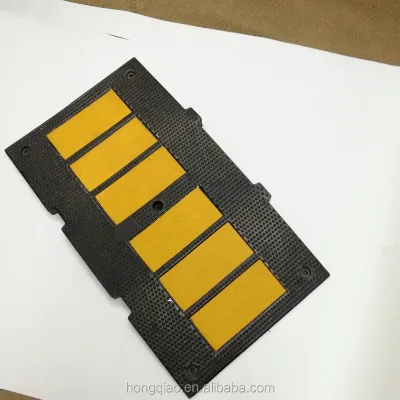
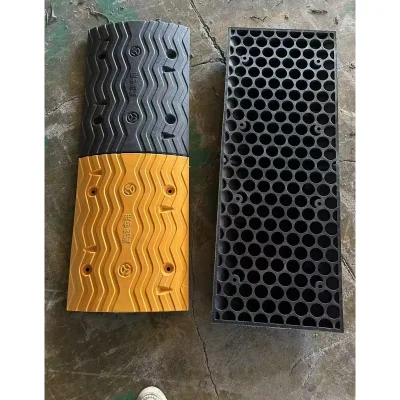
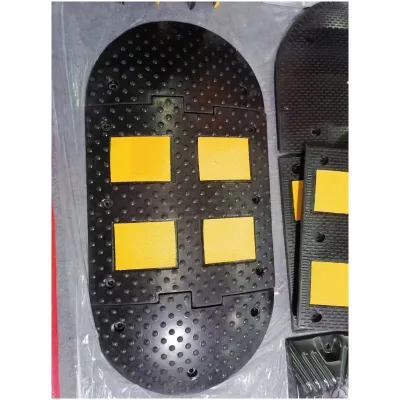
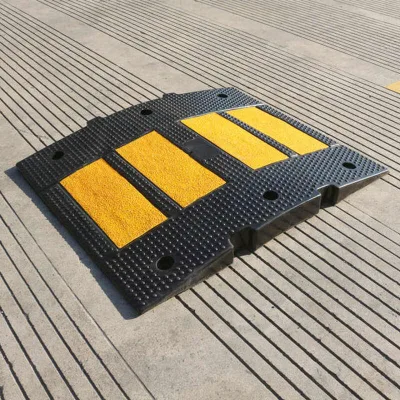


Yellow Plastic Speed Bump / Speed Hump Bump / Temporary Speed Bump / Speed Bump Plastic
$95.00 - $120.00
MOQ: 100 Pieces

Rubber Speed Bump / Speed Bump Road / Traffic Speed Bump / Rubber Car Speed Hump
$8.00 - $15.00
MOQ: 100 Pieces


Comprehensive Sourcing Guide
Reflective Speed Bump Sourcing Guide
Product Scope and Observed Listing Signals
The market for reflective speed bumps is characterized by a diverse range of modular rubber components designed for traffic calming in various environments. Based on observed listing signals, these products are primarily constructed from durable rubber materials and feature a distinctive black base with yellow reflective sheets to enhance visibility during low-light conditions. The application scope is broad, covering railway crossings, parking lots, tunnels, and general roadways, indicating that buyers must carefully match the specific product model to the intended environment. The presence of customization options suggests that suppliers can adapt dimensions or configurations to meet unique site requirements, which is a critical consideration for large-scale infrastructure projects.
Observed data reveals a significant variation in product dimensions, weights, and model numbers, reflecting the modular nature of these traffic control devices. Listings show models ranging from compact units measuring 500mm in length to larger sections extending up to 1800mm, with widths varying from 300mm to 600mm. This diversity implies that a single procurement order often requires a mix of middle sections and end caps to create a continuous barrier. Buyers should note that while some listings indicate a price range of 1-120 USD, this likely reflects the cost of individual components rather than complete installed systems, necessitating a detailed bill of materials to accurately forecast total project costs.
Technical Specifications to Verify
Verifying the precise physical dimensions and weight of each component is essential for ensuring structural integrity and proper installation. The supplied facts highlight specific models such as the JSD-560B-8-8, which measures 500mm in length, 600mm in width, and 50mm in height, weighing approximately 13kg per piece. In contrast, the JSD-1800A-4 model is significantly longer at 1800mm but narrower at 300mm, with a weight of 18kg per piece. These discrepancies underscore the importance of confirming the exact length, width, and height for every line item in the purchase order, as mismatched dimensions can lead to installation gaps or uneven surfaces that compromise vehicle safety.
Weight specifications are equally critical, as they influence the stability of the speed bump and the load-bearing capacity of the underlying surface. Different models exhibit varying weights, such as the RX-JSD-5R-23 series, which lists a middle section weight of 18kg per meter and an end cap weight of 3kg per piece. Other models, like the RX-JSD-9R-01, feature middle sections weighing 19kg and end caps weighing 7.5kg. Buyers must verify whether the quoted weight refers to the middle section, the end cap, or the entire assembly, as this affects the total material quantity required and the logistical planning for delivery and handling on-site.
Compliance and Safety Documentation
Safety and regulatory compliance are paramount when sourcing traffic calming devices, as they must meet specific standards to ensure effectiveness and legal acceptance. The observed listings indicate that many products carry certifications such as CE, ISO, ASTM, and AS/NZS, which are widely recognized in international markets. For instance, certain models are explicitly noted to comply with MUTCD (Manual on Uniform Traffic Control Devices) standards, which is crucial for projects in regions that adhere to US-based traffic control guidelines. Buyers should request valid certification documents for each product model to verify that the reflective speed bumps meet the local regulatory requirements of the installation site.
In addition to formal certifications, the visual design of the speed bumps plays a vital role in safety performance. The standard color scheme of a black base with yellow reflective sheets is designed to maximize contrast and visibility for drivers. However, buyers should verify the durability of these reflective sheets, as their effectiveness can degrade over time due to weather exposure and vehicle traffic. It is advisable to inquire about the material composition of the reflective elements and their expected lifespan to ensure that the safety benefits are maintained throughout the product's service life without frequent replacement.
Cost Drivers and Commercial Terms
Understanding the factors that influence pricing is essential for accurate budgeting and cost control. The primary cost drivers for reflective speed bumps include the material quality, the dimensions of the components, and the complexity of the mold used for production. Larger and heavier units, such as the 1800mm long models, typically command higher prices due to the increased amount of rubber material required. Additionally, the presence of reflective sheets and any custom manufacturing options can add to the unit cost. Buyers should request detailed quotes that break down the cost per piece for middle sections and end caps separately to avoid hidden charges and to facilitate precise quantity calculations.
Commercial terms, including minimum order quantities (MOQ) and packaging methods, also significantly impact the total procurement cost. Observed MOQ ranges vary from 1 to 500 pieces, allowing for flexibility in order sizes depending on the project scale. Packaging is typically done in cartons or pallets, with some models using woven bags, which affects shipping efficiency and potential damage during transit. Buyers should negotiate clear terms regarding packaging standards to ensure that products arrive in good condition and to optimize container space, thereby reducing freight costs. It is also important to clarify whether the quoted prices include taxes, duties, and shipping fees to avoid unexpected expenses.
Supplier Qualification and Quality Control
Evaluating supplier qualifications is a critical step in mitigating procurement risks. Buyers should verify the supplier's manufacturing capabilities and quality control processes, particularly for rubber products that must withstand heavy vehicle loads and environmental stressors. The origin of the products, such as Sanmen in Taizhou, Zhejiang, or Sichuan, can provide insights into the supplier's industrial base and logistical advantages. However, buyers should not rely solely on location but should conduct due diligence on the supplier's track record, production capacity, and ability to meet specific customization requests.
Quality control measures should be established before placing large orders to ensure consistency and reliability. Buyers should request samples of the reflective speed bumps to inspect the rubber density, the adhesion of the reflective sheets, and the overall finish quality. It is advisable to include quality inspection clauses in the purchase contract, allowing for third-party inspections or on-site verification upon delivery. Additionally, buyers should inquire about the supplier's warranty policy and after-sales support to address any potential defects or performance issues that may arise after installation.
Long-Term Procurement Checks
Long-term procurement success depends on establishing a sustainable supply chain that can adapt to changing project needs and market conditions. Buyers should maintain open communication with suppliers to stay informed about product updates, new models, and potential changes in material costs. Regular reviews of supplier performance, including delivery times, product quality, and responsiveness, are essential for identifying any issues early and taking corrective actions. Building a relationship with reliable suppliers can also facilitate better pricing and priority service during peak demand periods.
Furthermore, buyers should periodically reassess the technical specifications and compliance requirements of the reflective speed bumps to ensure they remain aligned with current standards and best practices. As traffic management technologies evolve, there may be new materials or designs that offer improved durability or visibility. Staying informed about industry trends and technological advancements can help buyers make informed decisions and optimize their procurement strategies over time. By maintaining a proactive approach to supplier management and product evaluation, buyers can ensure the long-term effectiveness and safety of their traffic calming installations.
FAQs
What are the standard dimensions for reflective speed humps?
Standard dimensions vary by model, with common sizes including 500mm by 600mm by 50mm or 1800mm by 300mm by 75mm. Specific models like JSD-560B-8-8 follow the 500mm by 600mm by 50mm standard, while others may differ in length and width to suit different installation needs.
Can I request customization for these rubber speed bumps?
Yes, customization is available for these rubber speed humps to meet specific project requirements. Buyers can often request adjustments to dimensions, colors, or reflective sheeting configurations, ensuring the final product aligns with local traffic safety standards and site-specific conditions.
Which certifications do these speed bumps typically hold?
Many reflective speed bumps hold certifications such as CE, ISO, ASTM, and AS/NZS to ensure international compliance. Some specific models may also carry MUTCD certification, providing assurance that the products meet rigorous safety and performance standards required for various global markets.
How much does a single unit of the speed hump weigh?
The weight of a single unit varies by model, ranging from 13kg to 21kg per piece. For example, the JSD-560B-8-8 model weighs 13kg, while other configurations like the RX-JSD-9R-01 may have different weights depending on the middle and end cap specifications.
What is the typical packaging method for these products?
Products are typically packed in cartons, on pallets, or in woven bags depending on the specific model and order size. This packaging ensures safe transport and storage, with options available to accommodate different shipping requirements and protect the rubber material during transit.
Where are these reflective speed bumps manufactured?
These products are manufactured in various locations within China, including Sanmen in Taizhou, Zhejiang, and Sichuan. The origin location may vary by supplier, but all products are produced in China to meet the specific demands of the international market.
What is the minimum order quantity for these speed humps?
The minimum order quantity ranges from 1 to 500 units depending on the supplier and specific product model. Buyers can often negotiate MOQs based on their project scale, with some suppliers offering flexible terms for smaller initial orders or larger bulk purchases.