Source Refrigeration Piston Compressor for Plant Cooling and Freezing
Find 30 Refrigeration Piston Compressor for Plant options with varying motor power, flow rates, and cooling methods. Compare specifications from suppliers in China to select the right unit for industrial refrigeration needs; compare the available evidence and request quotations based on your requirements.
Updated
Key considerations
Products List

Professional Ammonia Nh Piston Compressor for Refrigeration Plants
$18200.00 - $58100.00
MOQ: 1 Pieces

China Factory Customized Piston Compressor with Air Cooling System for Industry
$13800.00 - $28400.00
MOQ: 1 Pieces


Durable Piston Refrigeration Compressor for Commercial Freezer Systems
$500.00 - $570.00
MOQ: 1 Pieces

Industrial Grade Freezer Piston Compressor for Refrigeration Systems
$1132.00 - $1142.00
MOQ: 1 Pieces


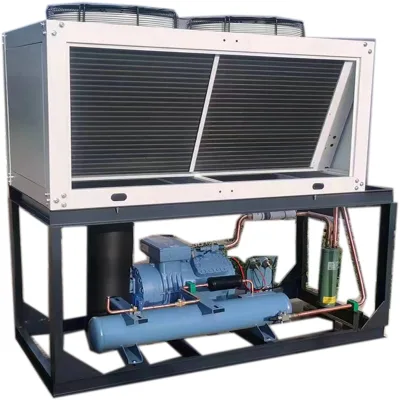
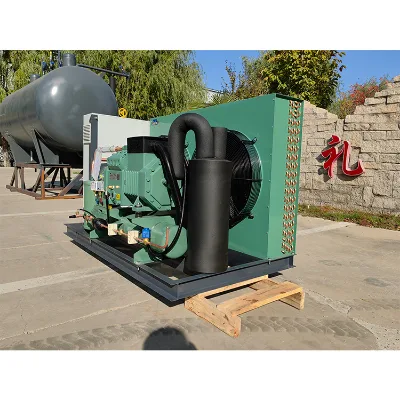
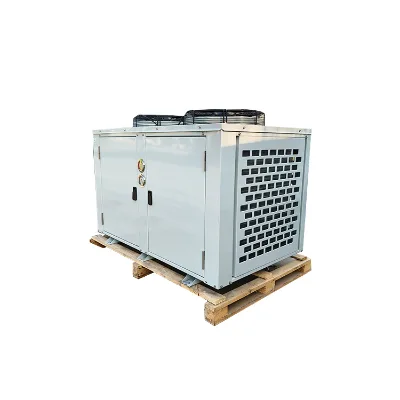
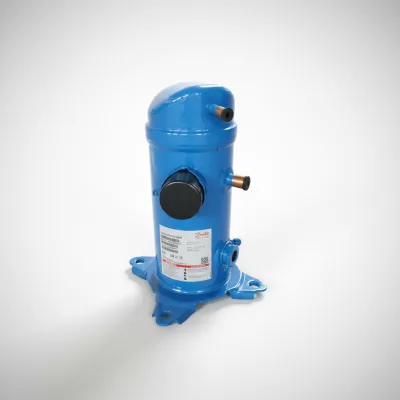
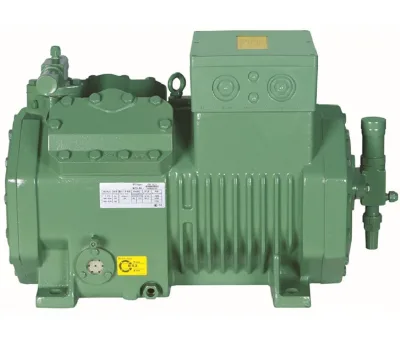

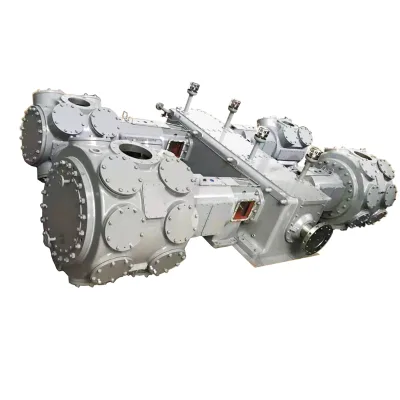


Durable Refrigeration Compressor for Optimal Temperature Control Systems
$1180.00 - $1200.00
MOQ: 1 Pieces


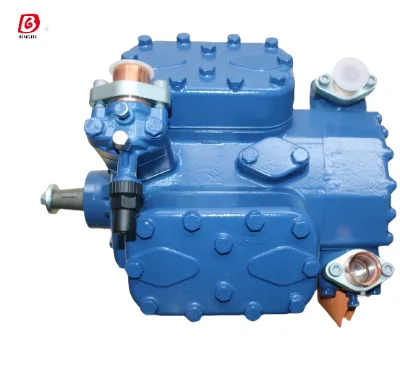
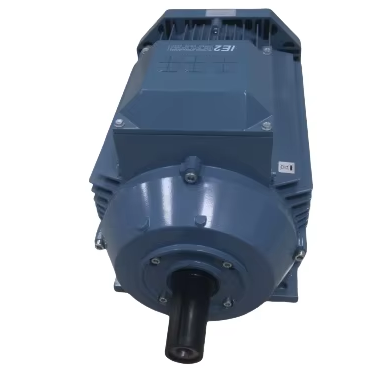
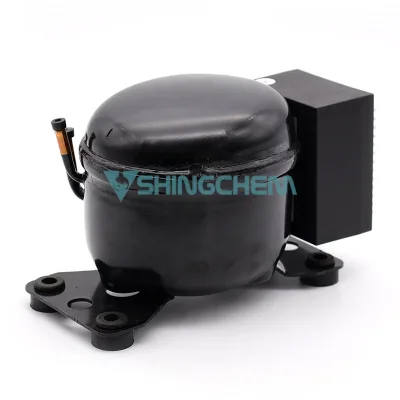
R290 Refrigerant Stainless Steel Piston Compressor for AC Dehumidifier/Cooler/Freezer New
$19.4689 - $39.9626
MOQ: 125 pieces
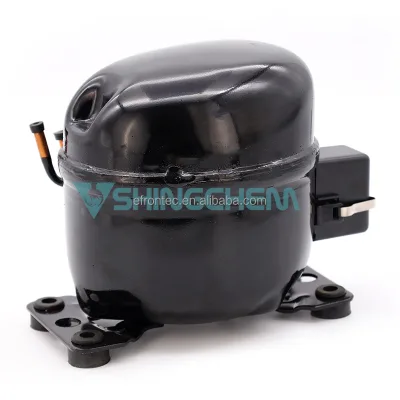
High Quality Used Piston Compressor for Refrigeration for FRidges and Freezers-R134A & R404A
$39.90 - $49.90
MOQ: 100 pieces
Comprehensive Sourcing Guide
Refrigeration Piston Compressor for Plant Sourcing Guide
Procuring a Refrigeration Piston Compressor for Plant operations requires a disciplined approach to matching technical specifications with industrial demands. Buyers must first define the operational envelope, including inlet and outlet pressure ranges, to ensure the selected unit integrates seamlessly with existing piping and thermal systems. The observed market data indicates a wide variance in performance capabilities, ranging from moderate pressure differentials to high-pressure industrial applications, necessitating careful alignment with the plant’s specific refrigeration load requirements.
Beyond basic pressure metrics, the structural configuration of the compressor plays a critical role in long-term reliability and maintenance accessibility. Options such as vertical, V-type, or horizontal arrangements offer distinct advantages depending on floor space constraints and vibration management needs. Sourcing teams should evaluate whether open-type or semi-closed structures better suit the facility’s safety protocols and environmental conditions, ensuring that the chosen architecture supports efficient heat dissipation and minimizes operational downtime during peak production cycles.
Product Scope and Observed Listing Signals
The current market landscape for refrigeration piston compressors reveals a diverse array of models designed for varying industrial scales. Listings indicate specific model series, such as the YBF4DC-5.2ZR and YBF4H-15.2ZR, which cater to distinct capacity needs. These units often feature balanced opposed or duplex cylinder arrangements, providing smoother operation and reduced vibration compared to simpler configurations. Buyers should note that customization is frequently available, allowing for tailored solutions that address unique plant layouts or specific refrigerant compatibility requirements, such as those involving Freon-based systems.
Observed listing signals also highlight significant variations in motor power and flow rates, reflecting the broad applicability of these compressors across different sectors. Power ratings span from 5.5 kW to over 300 kW, supporting everything from small-scale cold storage to large industrial processing plants. Flow ranges are similarly extensive, with some units offering capacities up to 12,000 Nm3/H. This variability underscores the importance of precise load calculations during the sourcing phase, as selecting a unit with insufficient flow or excessive power can lead to inefficiencies and increased energy consumption over the equipment’s lifecycle.
Technical Specifications to Verify
Verifying the technical specifications of a refrigeration piston compressor is essential to ensure it meets the plant’s operational demands. Key parameters to confirm include the cooling method, which can be either air or water cooling, depending on the facility’s infrastructure and environmental conditions. Additionally, the drive method, whether direct or belt-driven, impacts maintenance schedules and efficiency levels. Buyers must also verify the lubrication style, choosing between lubricated and oil-less options based on the purity requirements of the refrigeration cycle and the potential for oil contamination in the final product.
Pressure ratings and compression stages are equally critical technical factors that require rigorous verification. Inlet pressures can range from low values around 0.1 MPa to higher thresholds, while outlet pressures may extend up to 25 MPa for specialized applications. The number of compression stages, whether single-stage or multistage, affects the overall efficiency and temperature rise during compression. Sourcing teams should cross-reference these specifications with the plant’s design documents to ensure compatibility, paying close attention to the structural type, such as vertical Z or angular V arrangements, which influence installation and spatial planning.
Compliance and Safety Documentation
Compliance with international and regional safety standards is a non-negotiable aspect of sourcing industrial compressors. Buyers must ensure that the equipment carries relevant certifications, such as CCC for products originating from mainland China, which indicates adherence to specific national safety and quality regulations. Documentation should also include detailed technical manuals, warranty terms, and proof of manufacturing standards that align with the plant’s internal safety protocols. Verifying these documents early in the procurement process helps mitigate legal risks and ensures that the equipment can be legally installed and operated within the facility.
Safety features and operational safeguards are another critical area of documentation review. Compressors should be equipped with appropriate pressure relief valves, temperature sensors, and emergency shutdown mechanisms to prevent catastrophic failures. Buyers should request test reports and quality inspection records, such as video outgoing inspections, to verify the manufacturing quality and functional integrity of the units. Additionally, understanding the packaging details, whether in cartons, wooden boxes, or pallets, is important for ensuring the equipment arrives without damage, preserving its safety-critical components and structural integrity.
Cost Drivers and Commercial Terms
Understanding the cost drivers associated with refrigeration piston compressors is vital for accurate budgeting and total cost of ownership analysis. Factors such as motor power, cylinder arrangement, and material quality significantly influence the initial purchase price. Higher power ratings and more complex configurations, such as multistage oil-less compressors, typically command higher prices due to increased manufacturing complexity and performance capabilities. Buyers should also consider the minimum order quantity (MOQ) requirements, which can range from single units to bulk orders, affecting negotiation leverage and unit pricing.
Commercial terms, including payment conditions, lead times, and after-sales support, play a crucial role in the overall procurement strategy. While some listings provide fixed prices, others require consultation with customer service for accurate quoting, reflecting the customized nature of many industrial compressors. Buyers should clarify shipping responsibilities, import duties, and installation support costs to avoid unexpected expenses. Establishing clear commercial terms early in the negotiation process ensures transparency and helps in comparing offers from different suppliers on an equal basis, facilitating a more informed decision-making process.
Supplier Qualification and Quality Control
Supplier qualification is a critical step in ensuring the reliability and longevity of the purchased refrigeration piston compressors. Buyers should assess the supplier’s manufacturing capabilities, quality management systems, and track record in the industry. Verifying the supplier’s ability to provide customization and technical support is essential, as is their commitment to producing units that meet specified standards and performance criteria. Suppliers with a strong presence in regions like Shandong or Zhejiang, China, may offer competitive advantages in terms of supply chain efficiency and technical expertise.
Quality control measures implemented by the supplier directly impact the performance and safety of the compressors. Buyers should inquire about the supplier’s testing procedures, including factory acceptance tests and pre-shipment inspections. Access to video outgoing inspections can provide visual confirmation of the product’s condition before shipment. Additionally, understanding the supplier’s warranty policy and after-sales service network is crucial for maintaining operational continuity. Establishing a robust quality control framework in partnership with the supplier helps in identifying and mitigating potential issues before they impact plant operations.
Long-Term Procurement Checks
Long-term procurement checks involve establishing a framework for ongoing performance monitoring and supplier relationship management. Buyers should implement regular maintenance schedules and performance audits to ensure the compressors continue to operate within specified parameters. Tracking key performance indicators, such as energy consumption, pressure stability, and maintenance frequency, provides valuable insights into the equipment’s health and efficiency. This data-driven approach allows for proactive maintenance and timely replacements, minimizing unplanned downtime and extending the lifespan of the assets.
Continuous evaluation of supplier performance is also essential for maintaining a resilient supply chain. Buyers should regularly review supplier delivery times, product quality, and responsiveness to technical queries. Establishing clear communication channels and feedback mechanisms helps in addressing issues promptly and fostering a collaborative partnership. Additionally, staying informed about industry trends and technological advancements enables buyers to make informed decisions about future upgrades or replacements. By maintaining a strategic focus on long-term procurement checks, organizations can optimize their refrigeration systems and achieve sustained operational excellence.
FAQs
What are the inlet and outlet pressure ranges for these compressors?
The compressors support inlet pressures from 0.1 to 4 MPa and outlet pressures up to 25 MPa. Specific models handle ranges like 0.2-4 MPa inlet and 0.9-10 MPa outlet. This flexibility allows adaptation to various plant pressure requirements without needing multiple unit types.
How is the motor power configured for different flow rates?
Motor power ranges from 5 to 315 kW depending on the model. Higher flow capacities up to 12000 Nm3/H require greater power, typically 160-315 kW. Lower flow units around 700 Nm3/H use 5-5.5 kW motors, ensuring efficient energy use for specific plant loads.
Can these units be customized for specific plant layouts?
Yes, customization is available for structural types including vertical, V, horizontal, and angular configurations. Buyers can select between direct or belt drive methods and air or water cooling systems. This ensures the compressor fits specific spatial and operational constraints within the facility.
What lubrication styles are offered for refrigeration applications?
Options include both lubricated and oil-less lubrication styles. Lubricated models are common for general industrial use, while oil-less variants suit applications requiring pure compressed air. The choice depends on the specific refrigerant type and purity requirements of the plant process.
What is the minimum order quantity for these compressors?
The minimum order quantity varies by model, ranging from 1 to 5 pieces. Some standard units have an MOQ of 1, while specialized configurations may require 5 pieces. This flexibility supports both small-scale trials and larger bulk procurement needs for industrial plants.
How are these compressors packaged for international shipping?
Packaging includes standard export packages, cartons, pallets, and wooden boxes. Specific models use carton packaging, while heavier units may require wooden boxes for protection. This ensures safe transit from origins in China to global destinations, minimizing damage risks during long-distance logistics.