Source Reiki Healing Bismuth Crystal for Decoration, Gifts, and Feng Shui
Explore 30 listings for Reiki Healing Bismuth Crystal available from suppliers in China. Buyers can compare specifications, prices, and customization options for business gifts, home decoration, and collectible art pieces.
Key considerations
Products List
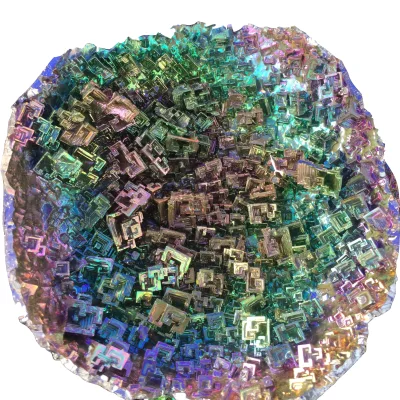
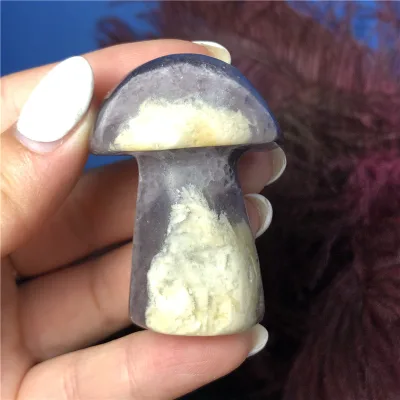
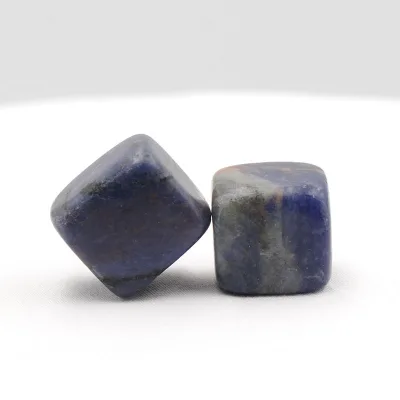
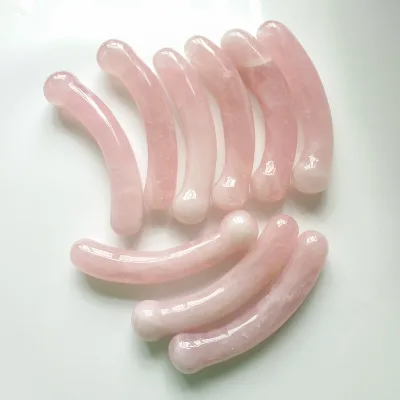
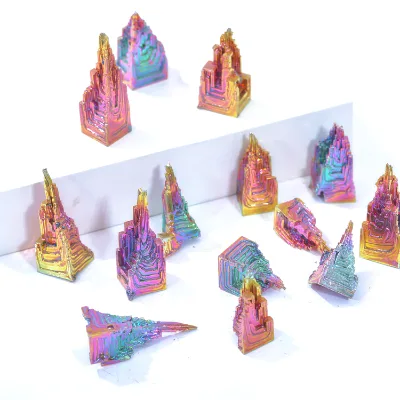
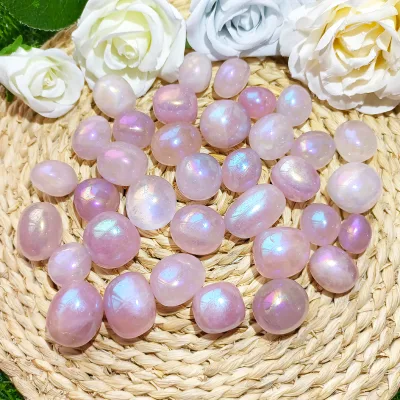
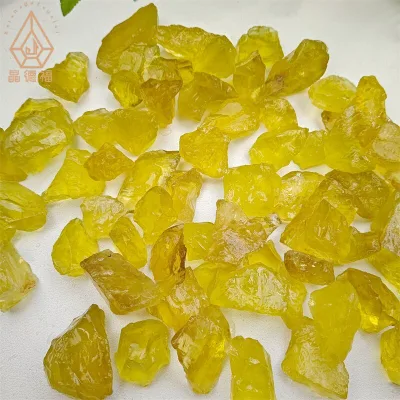
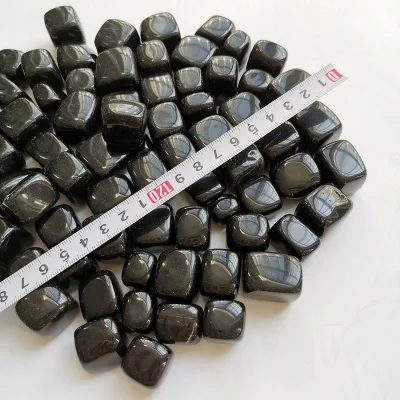
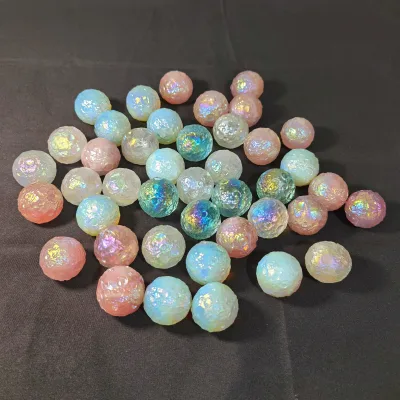

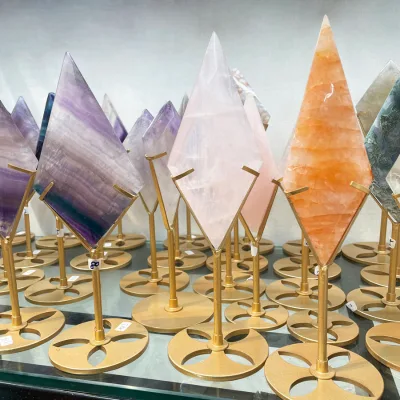
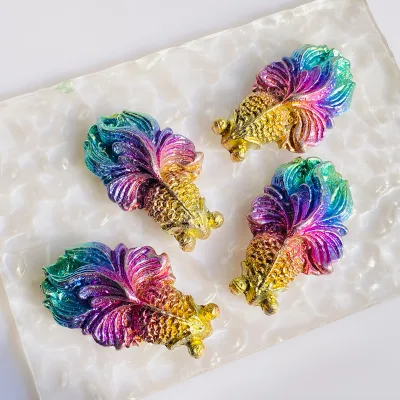
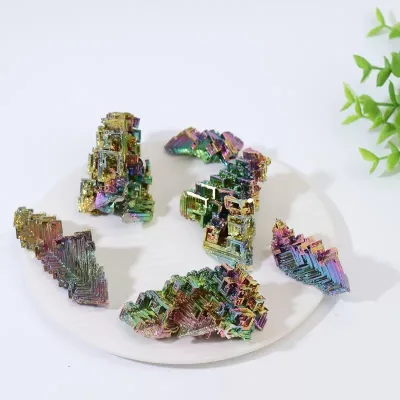
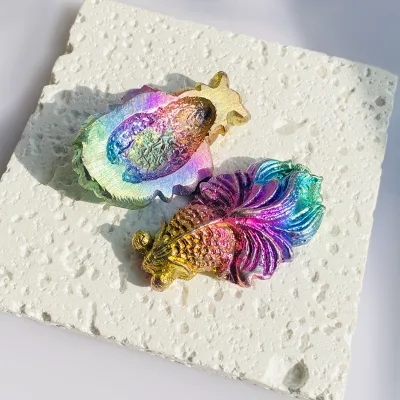
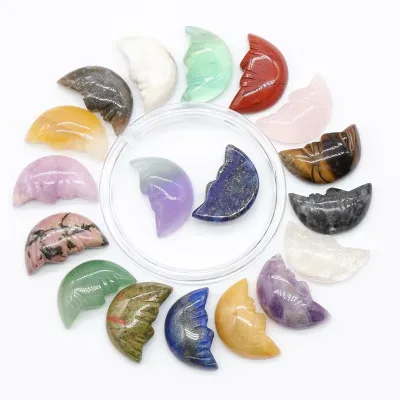
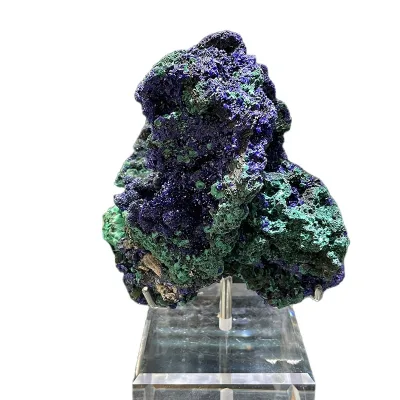
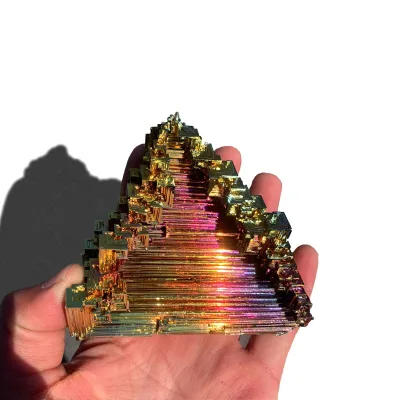
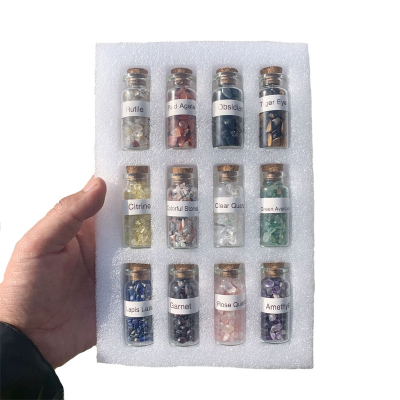

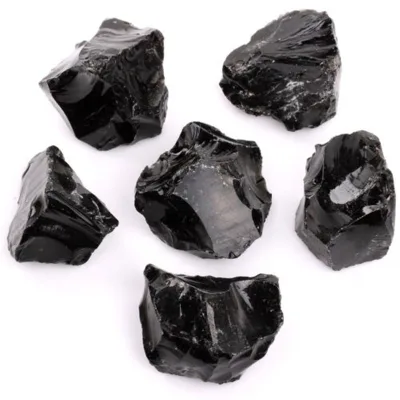
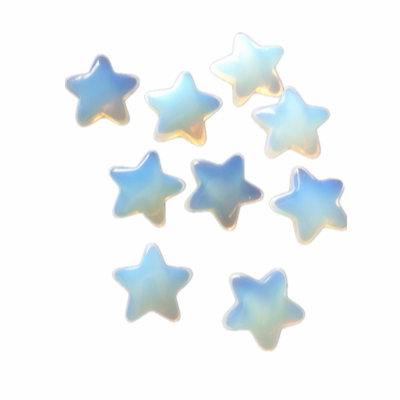
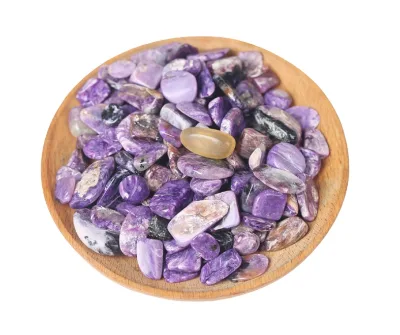
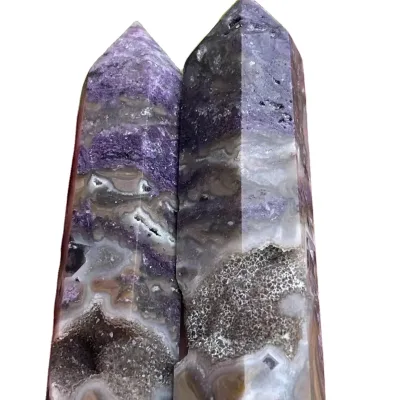
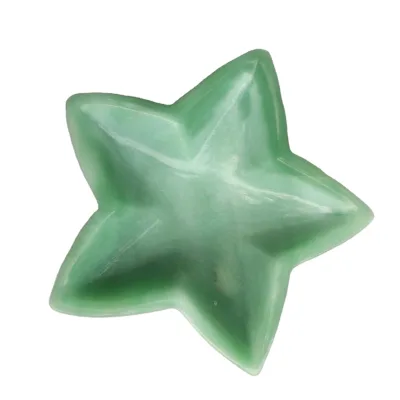

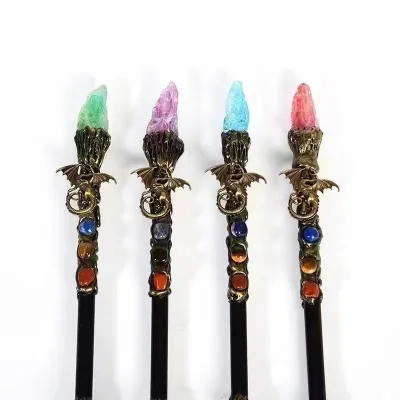

Wholesale Crystal Worry Stone Healing Thumb Gemstone Energy Chakra Stone
$3.00 - $4.00
MOQ: 100 Pieces

Wholesale Natural Healing Crystal Pear Gemstone Healing Pendulum Dowsing
$1.80 - $3.00
MOQ: 100 Pieces
Comprehensive Sourcing Guide
Strategic Sourcing Guide for Reiki Healing Bismuth Crystals
Understanding Product Variations and Core Specifications
When sourcing reiki healing bismuth crystals, buyers must first navigate the significant diversity in product definitions found within the current market. The term "bismuth crystal" often refers to a specific metallic mineral known for its iridescent, geometric, and naturally occurring rainbow-like surface. However, market listings frequently conflate this with other healing stones or decorative items that may share similar branding but differ materially. A critical observation from current product data indicates that listings labeled as "Bismuth crystal" can sometimes possess attributes associated with other materials, such as "natural crystal" or "agate," suggesting a need for rigorous verification of the actual mineral composition.
The technical specifications for these items vary widely depending on the intended use. Some listings define the product type strictly as "Crystal Image" with a "mixed" size specification, while others categorize them as "Ball & Globe" or "Mushroom Shape" items. For instance, specific data points highlight a model number "JC-04" associated with a "Bismuth crystal" product, yet other entries describe "amethyst mushroom gift" items or "Blue Aventurine Cube Tumbled Stone" products under similar healing or decorative keywords. This inconsistency underscores the necessity for buyers to scrutinize the "Material" field explicitly. While some products are described as "natural crystal" or "bismuth ore," others are listed with materials like "gemstone mushroom Decoration" or "Blue Aventurine." A buyer seeking authentic bismuth must distinguish between the metallic oxide structure of bismuth and other silicate or carbonate minerals often grouped under the broad umbrella of "healing stones."
Furthermore, the physical dimensions and packaging requirements differ significantly across suppliers. One observed specification lists a single package size of 26x13x16 cm with a gross weight of 2.0 kg, suitable for larger, bulkier crystal formations. In contrast, other items, such as tumbled stones or smaller decorative pieces, may have a single package size of 12x12x10 cm and a gross weight of only 0.300 kg. The "Size" attribute can range from specific measurements like "5cm" to vague descriptors like "mixed" or "as photos show." These variations directly impact shipping logistics and cost calculations. Buyers must verify whether the "Size" refers to the individual stone dimensions or the dimensions of the packaged unit, as this distinction is often blurred in general product descriptions.
Compliance, Certification, and Material Verification
In the realm of natural crystals and healing stones, compliance and certification are often areas of ambiguity. While some listings mention "Eco-friendly" attributes or "OEM&ODM" capabilities, there is no universal standard certification explicitly mandated for bismuth crystals in the provided data. Buyers should be aware that the mention of "ISO 27001" in background contexts relates to information security management rather than product quality or mineral authenticity, and thus should not be assumed as a product certification for the crystals themselves.
When evaluating material authenticity, the "Technique" attribute provides a useful starting point. Listings often describe the technique as "natural" or "Polished." For bismuth crystals, the "natural" technique implies that the crystal structure has been grown or formed without artificial alteration, preserving the unique geometric facets that are characteristic of the mineral. Conversely, "Polished" techniques may indicate that the surface has been treated to enhance luster, which is common for decorative items but may alter the raw energy properties some reiki practitioners seek. Buyers must verify if the "Polished" finish is a surface treatment or a natural formation characteristic.
Regarding safety and environmental claims, some suppliers list "OEM&ODM: Eco-friendly" as a product attribute. While this suggests a commitment to sustainable practices, it does not constitute a verified certification. Buyers should request specific documentation regarding the sourcing of the raw ore and the manufacturing process to ensure that the "Eco-friendly" claim is substantiated. Additionally, the "Packing" attribute often mentions "Safe Package" or "Safe International Standard Packing," which is crucial for preventing damage during transit, especially for fragile crystal formations. However, buyers must confirm that the packing materials themselves meet any relevant environmental or safety standards required by their destination market.
Cost Drivers and Pricing Dynamics
The pricing of reiki healing bismuth crystals is influenced by a complex interplay of factors, including material rarity, processing technique, size, and packaging. The observed price range in the market spans from $0.35 to $223.47, indicating a vast disparity in value propositions. This wide range suggests that the lower end of the spectrum may include small, mass-produced decorative items or stones of lesser clarity, while the higher end likely represents large, high-quality, naturally formed bismuth crystals with unique geometric properties.
The "MOQ" (Minimum Order Quantity) is a significant cost driver. Data indicates an MOQ range from 1 to 1000 units, with specific listings showing an MOQ of "50 gram" or "100pcs each stone." For buyers seeking to test the market, a low MOQ of 1 unit or 50 grams allows for sampling without significant financial commitment. However, for bulk procurement, the MOQ may increase to 100 pieces or more, which can affect the per-unit cost. Buyers should negotiate based on the total volume and the specific size of the stones, as larger or more complex shapes may command a premium.
Other cost factors include the "Brand Name" and "Logo" customization options. Products from established brands like "JINUO" or "Huiying" may carry a price premium due to brand recognition and perceived quality assurance. Customized logos and OEM services often incur additional setup fees or higher per-unit costs. Additionally, the "Lead time" of 15-30 days for production and a sample time of 3-5 days can impact the overall cost structure, particularly for time-sensitive orders. Buyers should factor in the potential for expedited shipping or rush fees if the standard lead time does not align with their project schedule.
Typical Applications and Market Segments
Reiki healing bismuth crystals serve a diverse range of applications, extending beyond simple decoration to include therapeutic, spiritual, and corporate gifting uses. The "Use" attribute in product listings frequently cites "Business Gift," "Decoration," and "Art & Collectible." This versatility allows buyers to target multiple market segments simultaneously. For the corporate sector, these crystals are often packaged as premium business gifts, leveraging their unique aesthetic and perceived healing properties to create memorable client interactions.
In the spiritual and wellness community, the "Style" attribute, such as "Feng Shui" or "Folk Art," plays a crucial role. Bismuth crystals are valued for their geometric symmetry and iridescent colors, which are believed to enhance energy flow in living spaces. Listings mentioning "Reiki Crystals" and "Healing Stone" in product keywords highlight their specific application in energy work and meditation practices. The "Shape" of the crystal, whether it is a natural formation, a "Mushroom Shape," or a "Cube," can influence its suitability for specific reiki practices or Feng Shui arrangements.
The "Application" field often includes "Home Decoration" and "Business Gift," indicating that these items are marketed for both personal and professional environments. For home decor, the "Color" of the crystal, described as "bismuth ore" or "Purple" for amethyst variants, is a key selling point. Buyers should consider the color preferences of their target demographic when selecting products. Additionally, the "Product Type" classification, such as "Crystal Image" or "Ball & Globe," helps in categorizing the item for specific retail displays or online listings. Understanding these application nuances is essential for effective marketing and inventory management.
Supplier Evaluation and Quality Control Protocols
Selecting the right supplier requires a thorough evaluation of their capabilities, particularly regarding the "Place of Origin" and "Regional Feature." The data indicates that products originate from regions such as "Jiangsu, China" and "Guangdong, China," with some listings noting a "Regional Feature" of "Europe." While the origin is China, the mention of European features may imply that the supplier caters to European markets or adheres to European aesthetic standards. Buyers should verify the supplier's actual manufacturing location to ensure alignment with their quality expectations and logistical needs.
Quality control is paramount when dealing with natural crystals, as each piece is unique. The "Condition" of the product is typically listed as "new," but buyers must establish clear criteria for what constitutes acceptable quality. This includes checking for structural integrity, the clarity of the iridescent colors, and the absence of cracks or chips. The "Single gross weight" and "Single package size" can serve as benchmarks for consistency; significant deviations from these specifications may indicate quality control issues.
Buyers should also assess the supplier's "Service" capabilities, including "OEM/ODM" options and "Logo" customization. A supplier that offers flexible customization and has a track record of handling "Safe International Standard Packing" is more likely to deliver high-quality products. The "Payment" terms, such as "Paypal," "Western Union," "TT," and "Trade Assurance," provide additional layers of security. Utilizing platforms like Trade Assurance can help mitigate risks associated with payment and delivery. Furthermore, the "Sample time" of 3-5 days allows buyers to evaluate the product quality before committing to a larger order, ensuring that the supplier can meet the required standards.
Long-Term Procurement and Strategic Considerations
For long-term procurement, buyers must consider the sustainability of the supply chain and the potential for market fluctuations. The "Lead time" of 15-30 days suggests that production cycles are relatively short, but buyers should plan for potential delays due to raw material availability or logistical challenges. Establishing a relationship with a supplier who can consistently meet the "MOQ" requirements and maintain the "Condition" of the product as "new" is essential for maintaining a stable inventory.
Buyers should also monitor the "Product Keywords" and "Product Type" trends to stay ahead of market demands. As the interest in reiki and healing stones grows, the demand for specific shapes, colors, and sizes may shift. Suppliers who offer a wide range of "Model Number" options, such as "JC-04" or "GC017," provide greater flexibility for buyers to adapt to changing market preferences. Additionally, the "Technique" of production, whether "natural" or "Polished," should align with the evolving preferences of the target audience.
Finally, buyers should maintain open communication with suppliers regarding any changes in "Regional Feature" or "Place of Origin" that might affect the product's perceived value or compliance status. By staying informed and proactive, buyers can ensure a reliable supply of high-quality reiki healing bismuth crystals that meet their specific business needs and customer expectations. The ability to navigate the complex landscape of product specifications, supplier capabilities, and market trends will be key to successful long-term procurement in this niche market.
FAQs
What material is used for the Bismuth crystal product?
The product material is listed as natural crystal or bismuth ore. Some variations may be described as gemstone mushroom decoration or Blue Aventurine, so buyers must verify the specific material field to ensure authenticity.
Which specifications define the size of these crystals?
Size specifications vary significantly, ranging from mixed sizes to specific measurements like 5cm or as photos show. Package dimensions also differ, with single package sizes observed at 26x13x16 cm or 12x12x10 cm depending on the item type.
How does the minimum order quantity affect purchasing?
Minimum order quantities range from 1 unit to 1000 pieces, with specific listings showing 50 grams or 100 pieces per stone. Buyers should check the exact MOQ for each model to align with their budget and inventory needs.
Can suppliers provide customized logos for these items?
Yes, suppliers accept customized logos as a standard service option. This allows buyers to brand the crystals for business gifts or specific corporate events while maintaining the product's decorative or healing stone appeal.
What is the typical lead time for production?
The standard lead time for production is between 15 and 30 days. Sample preparation typically takes 3 to 5 days, allowing buyers to verify quality before committing to larger bulk orders from the manufacturer.
Which regions are the primary sources for these crystals?
Products originate from regions such as Jiangsu, China, and Guangdong, China. Some listings also note a regional feature of Europe, indicating potential market alignment or aesthetic standards for European buyers.
How are these crystals packaged for safe shipping?
Items are packed using safe packages or safe international standard packing to prevent damage during transit. This is crucial for fragile crystal formations, ensuring they arrive intact for decoration or reiki healing applications.