Source Removable Rollers Sugar Cane Juicer for Juice Making, Farming, and Processing
Compare 30 models of Removable Rollers Sugar Cane Juicer machines with varying power and dimensions. Buyers can evaluate specifications like voltage, material, and customization options from suppliers in China.
Key considerations
Products List

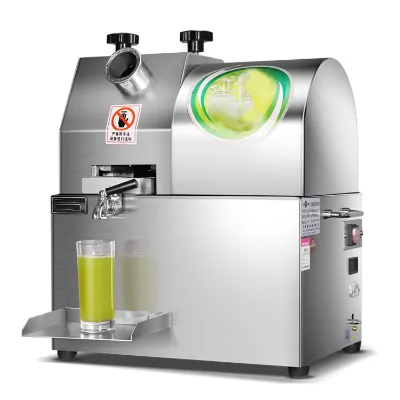
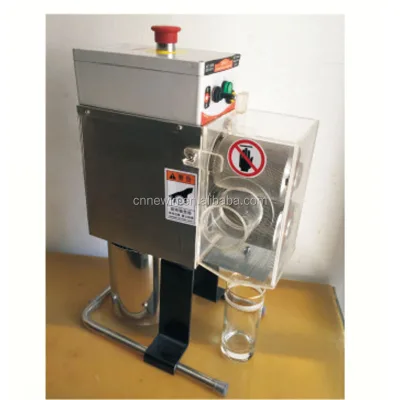


Sugar Cane Juice Extractor Commercial Sugar Cane Juicer Stainless 3-4 Rollers Machine
$330.00 - $400.00
MOQ: 1 Pieces

Street Stall Juicer Commercial Juice Squeezer Stainless Fast Sugar Cane Juicer
$330.00 - $400.00
MOQ: 1 Pieces

Sugar Cane Juicer Sugarcane Juice Machine Extractor Cane Crusher for Mobile Stall
$330.00 - $400.00
MOQ: 1 Pieces

Sugar Cane Machine Sugarcane Juicer Extractor Machine Making Fresh Sugarcane Juice
$330.00 - $400.00
MOQ: 1 Pieces
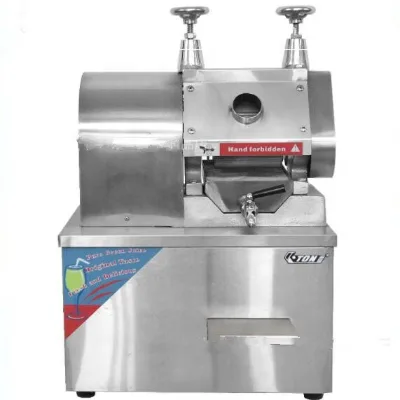


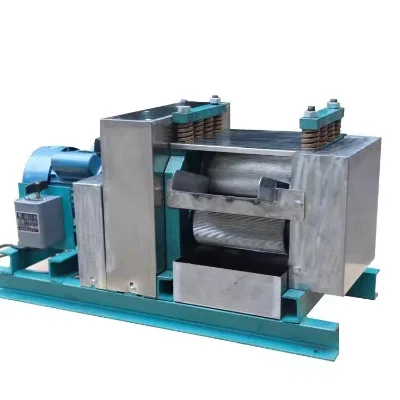
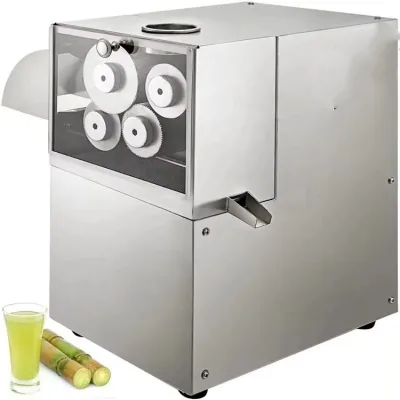
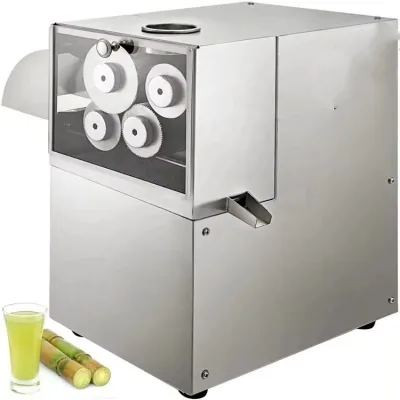


High-Pressure Rollers Commercial Electric Sugar Cane Sugarcane Press Juice Juicer
$2500.00 - $5200.00
MOQ: 1 Sets

Hot-Selling Portable Stainless Steel Three-Roller Electric Sugarcane Juicer
$320.00 - $700.00
MOQ: 1 Pieces


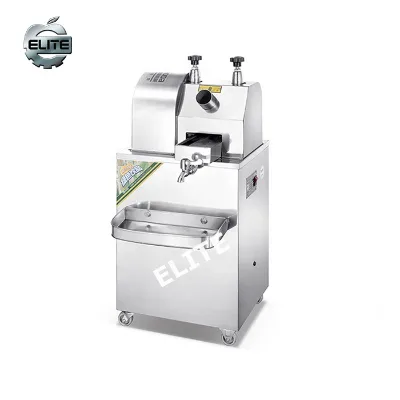

Electric Sugar Cane Juicer Machine / Sugarcane Juice Machine / Sugarcane Juicer
$1359.00 - $2189.00
MOQ: 1 Sets


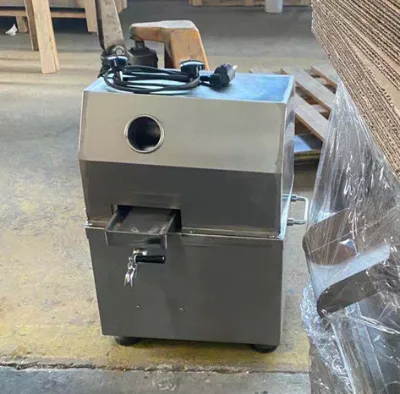
Comprehensive Sourcing Guide
Strategic Sourcing Guide for Removable Rollers Sugar Cane Juicer Equipment
The global demand for fresh, natural fruit and vegetable juices has driven a significant shift in the commercial beverage and food processing sectors, with sugarcane juice remaining a staple in many markets. For procurement professionals and business owners seeking to establish or expand juice production lines, the selection of a Removable Rollers Sugar Cane Juicer represents a critical decision point. This specific machinery configuration offers distinct operational advantages, particularly regarding maintenance efficiency and hygiene management. The following guide synthesizes observed market data and technical specifications to provide a disciplined framework for evaluating potential suppliers and equipment configurations.
Technical Architecture and Operational Specifications
The core functionality of a sugar cane juicer relies on the mechanical action of rollers to crush the fibrous stalks and extract liquid. In the context of removable roller designs, the engineering focus is on modularity. Buyers must verify that the roller assembly allows for detachment without requiring specialized tools or extensive disassembly of the main frame. This feature is essential for cleaning the crushing chamber between batches to prevent cross-contamination and for replacing worn rollers, which directly impacts extraction efficiency.
Based on observed product attributes in the current market, several technical parameters define the performance baseline for these units. Power consumption is a primary variable; observed specifications range from 0.75KW to 1.1KW for standard industrial models, with some compact units operating at 200W. The voltage standard for these machines is predominantly 220V, which aligns with common industrial power grids in many regions, though buyers must confirm compatibility with their local infrastructure. The material composition is equally critical; high-quality units utilize Stainless Steel or specifically 304 Stainless Steel for all food-contact surfaces. This material choice ensures resistance to corrosion from the acidic nature of sugarcane juice and facilitates compliance with food safety hygiene standards.
The physical dimensions of the machinery vary significantly based on capacity. Observed models range from compact units with dimensions of 340210500mm to larger industrial sorters measuring 480380800mm. The weight of the equipment also varies, with observations noting units as light as 30kg and others reaching 60kg. This variance suggests a spectrum of applications from small-scale street vendors to larger commercial processing facilities. The core components driving these machines typically include Bearings, Motors, and in some configurations, a Pressure Vessel. The presence of high-quality bearings is particularly important for the smooth rotation of the removable rollers, ensuring low friction and reduced energy loss during operation.
Compliance, Certification, and Safety Standards
When sourcing industrial machinery, verifying compliance with international and local safety standards is non-negotiable. The market data indicates that certain models carry the CE certification, a mandatory conformity mark for products sold within the European Economic Area. This certification implies that the machine meets essential health, safety, and environmental protection requirements. However, it is crucial to note that not all listed products in the observed range explicitly state this certification status. Buyers must treat the presence of a CE mark as a specific attribute of individual listings rather than a universal guarantee for all sugar cane juicers.
Beyond the CE mark, the structural integrity and operational safety of the machine are often validated through machinery test reports. In the observed dataset, some suppliers provide these reports, while others list them as "Not Available." A machinery test report serves as independent verification of the machine's performance under load, confirming that the motor, rollers, and frame can withstand continuous operation without failure. For buyers prioritizing risk mitigation, requesting a current test report should be a prerequisite in the supplier evaluation process. Additionally, the warranty terms provide a layer of protection; observed standard warranty periods are 1 Year, covering defects in materials and workmanship. Buyers should scrutinize the specific terms of this warranty to understand what constitutes a valid claim and the scope of coverage for critical components like the motor and roller assembly.
Cost Drivers and Procurement Economics
The pricing structure for sugar cane juicers is influenced by a complex interplay of factors, including material quality, power output, and the complexity of the roller mechanism. The observed price range in the market is substantial, spanning from $169 to $5,200. This wide disparity reflects the difference between basic, manual or semi-automatic units and fully automated, high-capacity industrial systems. The 1.1KW models with 304 Stainless Steel construction and CE certification tend to occupy the higher end of this spectrum, while the 200W compact units with standard packaging are found at the lower end.
It is important to recognize that the listed prices are often subject to negotiation. Many suppliers explicitly state that the Price is "Negotiation," indicating that the final cost is dependent on order volume, customization requirements, and shipping logistics. The Minimum Order Quantity (MOQ) is another significant cost driver. Observed MOQs range from 1 set to 10 sets. For buyers testing the market or operating on a small scale, suppliers with an MOQ of 1 offer a lower barrier to entry. However, for bulk procurement, negotiating a lower unit price by increasing the order volume beyond the standard MOQ can yield significant savings.
Packaging details also impact the total landed cost. Units are typically shipped in Wooden Cases or Cartons, with some specifications noting "Carton or wooden case." Wooden cases offer superior protection for heavy machinery during international transit, reducing the risk of damage, but they add to the shipping weight and volume. Buyers should factor in the cost of specialized packaging when calculating the total cost of ownership, especially for long-distance shipping from origins like Shanghai or Henan, China.
Typical Applications and Processing Capabilities
The primary application of the Removable Rollers Sugar Cane Juicer is the extraction of juice from sugarcane stalks. The machine is designed to handle specific physical parameters of the raw material. Observed specifications indicate a required sugar cane size with a diameter of 30-45mm. This constraint is vital for buyers to communicate to their supply chain; if the incoming sugarcane stalks are significantly larger or smaller than this range, the efficiency of the extraction process may be compromised, or the rollers may suffer premature wear.
The versatility of these machines extends beyond simple juice extraction. Some models are categorized as Sorters or Juice Extractors, suggesting they may include pre-processing steps such as cleaning or sorting the cane before crushing. The processing types listed include "Sugarcane" and "Juice Extractor," confirming the specialized nature of the equipment. The Usage is explicitly defined as "making juice," making these units ideal for juice bars, beverage bottling plants, and food processing facilities. The High Rigidity of the frame, often cited as a key selling point, ensures that the machine can withstand the high torque required to crush tough sugarcane fibers without structural deformation.
Supplier Evaluation and Operational Reliability
Selecting the right supplier is as critical as selecting the right machine. The market data highlights several key attributes that indicate supplier reliability. Experience is a strong indicator; suppliers boasting More than 20 years of experience are likely to have refined their manufacturing processes and quality control measures. The Factory status, described as "Top" in some listings, suggests a direct manufacturing relationship, which can lead to better pricing and more transparent communication compared to trading companies.
The After-sales Service provided is another crucial evaluation criterion. The observed fact that "Engineers available to service machinery overseas" is a significant advantage for international buyers. This service capability ensures that technical support is accessible even if the machine is located in a different country. Buyers should verify the specific terms of this service, including response times and the availability of spare parts. The Supply Ability of the supplier is also a key metric; observed capabilities range from 100 sets per Month to 500 sets per Month. A higher supply ability indicates a robust production capacity and the ability to fulfill large orders without significant delays.
Furthermore, the Sample policy is an important tool for due diligence. Many suppliers accept Sample Orders, allowing buyers to test the machine's performance before committing to a larger purchase. This is particularly useful for verifying the removable rollers functionality and the overall build quality. Buyers should utilize this option to conduct real-world testing of the extraction efficiency and noise levels, as some models advertise Low noise as an advantage.
Quality Control and Long-Term Maintenance
Effective quality control begins with the selection of core components. The Motor and Bearings are the heart of the machine; their quality directly dictates the lifespan and reliability of the unit. Buyers should request detailed specifications for these components, including brand and model numbers, to ensure they meet industry standards. The Condition of the machine should be verified as New, and buyers should insist on a visual inspection or video verification of the production line before shipment.
Long-term maintenance is facilitated by the removable rollers design. This feature allows for easy cleaning and replacement, which is essential for maintaining food safety standards and consistent juice quality. The Weight of the machine, ranging from 30kg to 60kg, also influences maintenance logistics; lighter units may be easier to move for cleaning, while heavier units offer greater stability during operation. The Packaging Details, such as the use of Wooden Case or Carton, should be evaluated for their ability to protect the machine during transit and storage.
Finally, buyers should consider the Port of dispatch, which is often listed as Qingdao or Shanghai. Understanding the logistics from these ports to the final destination is essential for accurate lead time estimation. The Lead Time is not explicitly provided in the observed data, but the Supply Ability and MOQ can help buyers estimate the production schedule. By maintaining a disciplined approach to verifying these technical and logistical details, buyers can secure a reliable supply of high-quality sugar cane juicers that meet their operational needs and business goals.
FAQs
What power options are available for Removable Rollers Sugar Cane Juicer units?
Available power options range from 200W for compact units up to 1.1KW for standard industrial models. Some larger sorters may operate at 0.75KW. Buyers must verify voltage compatibility, as the standard is 220V, to ensure safe operation in their specific facility.
Which certifications are commonly found on these sugar cane juicer machines?
Some models carry CE certification, indicating compliance with European safety standards. However, not all listed products explicitly state this status. Buyers should verify the presence of a CE mark on individual listings and request machinery test reports to confirm performance under load.
Can I order a single unit as a sample for testing?
Yes, many suppliers accept sample orders with a minimum quantity of one set. This allows buyers to test the removable rollers functionality and extraction efficiency before committing to bulk purchases. Some vendors may have an MOQ of ten sets for standard orders.
How are these machines packaged for international shipping?
Units are typically shipped in wooden cases or cartons to ensure protection during transit. The packaging choice depends on the machine weight, which ranges from 30kg to 60kg. Wooden cases offer superior protection for heavy machinery moving from origins like Shanghai or Henan.
What is the typical warranty period for these juice extractor machines?
The standard warranty period observed is one year, covering defects in materials and workmanship. Buyers should scrutinize the specific terms to understand coverage for critical components like the motor and roller assembly. Some suppliers also provide engineers available to service machinery overseas.
Which core components are essential for the machine's operation?
Essential core components include the motor, bearings, and in some configurations, a pressure vessel. High-quality bearings are critical for the smooth rotation of removable rollers. Buyers should request detailed specifications for these parts to ensure they meet industry standards for longevity.
What size of sugarcane stalks does the machine require?
The machine requires sugarcane stalks with a diameter between 30mm and 45mm. Stalks outside this range may compromise extraction efficiency or cause premature wear on the rollers. Buyers must ensure their supply chain provides cane within these specific physical parameters.