Source Retinol Anti-Aging Face Cream for Skin Care
Explore 30 Retinol Anti-Aging Face Cream options from China. Compare features like moisturizing, firming, and whitening. Check certifications and customization for your brand needs. Review ingredients such as aloe vera and glycerin. Evaluate OEM services and packaging standards to find the right supplier for your specific skincare line requirements.
Key considerations
Products List


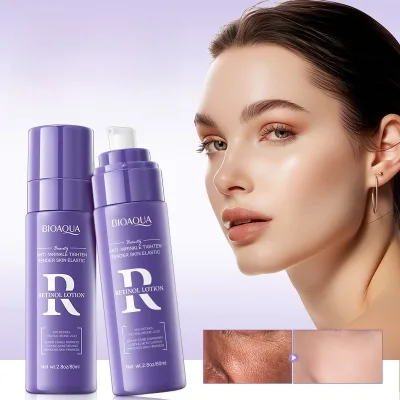
Hot Sell Hydrating Niacinamide Glowing Aging Wrinklesfacial Retinol Cream
$1.80 - $2.50
MOQ: 1000 Pieces


Comprehensive Sourcing Guide
Retinol Anti-Aging Face Cream Sourcing Guide
Buyers evaluating this category must first distinguish between formulations targeting specific demographics, as the observed data indicates products are available for both adults and all ages. The core ingredient profile frequently combines retinol with collagen, glycerin, and shea butter to deliver moisturizing and firming effects. Sourcing decisions should prioritize suppliers who explicitly list these active components alongside supporting agents like aloe vera or green tea, ensuring the final product aligns with the intended anti-aging and skin revitalization goals.
Procurement teams must also verify the physical form and packaging specifications, as the market offers creams in 30ml, 50ml, and 100g variants with customizable packaging options. The observed listing signals suggest a strong emphasis on OEM and ODM capabilities, allowing buyers to tailor the product name, such as "Retinol Facial Cream," to their brand identity. Understanding these customization limits is critical before engaging with suppliers, as the ability to adjust the formula or container size directly impacts the final market positioning and regulatory compliance strategy.
Product Scope and Observed Listing Signals
The product scope encompasses a wide range of functional claims, including acne treatment, dark circle reduction, and skin lightening, which appear alongside the primary anti-aging and anti-wrinkle assertions. Buyers should carefully audit the feature list for each potential supplier, noting that some listings include exfoliators or sunscreen properties while others focus strictly on nourishing and moisturizing benefits. This variation requires a clear definition of the target skin type, as the data confirms suitability for all skin types, yet the specific efficacy claims must match the buyer's regional marketing regulations.
Commercial signals indicate a flexible pricing structure ranging from 0.71 to 4.85 USD, with minimum order quantities varying significantly from 3 units up to 5000 units. This wide MOQ range suggests that suppliers cater to both small-scale private label startups and large-volume distributors, necessitating a clear assessment of the buyer's initial capital and inventory turnover expectations. The presence of acceptable sample policies further supports the need for a rigorous pre-production testing phase to validate that the observed feature claims translate into tangible product performance before committing to larger orders.
Technical Specifications to Verify
Technical verification must begin with the precise identification of the product model and standard volume, as the data lists specific models like RC and FC alongside standard sizes of 30ml, 50ml, and 50g. Buyers should confirm that the supplier can consistently deliver the requested volume and that the "Be Customized by Customers" packing option does not compromise the structural integrity of the container. It is essential to ensure that the specified standard, whether 30g or 50g, aligns with the intended retail packaging and that the cream's viscosity and texture remain consistent across different batch sizes.
The ingredient composition requires strict scrutiny, particularly regarding the concentration of active ingredients like retinol, hyaluronic acid, and vitamin C, which are listed as key components. While the data confirms the presence of main ingredients such as glycerin and shea butter, buyers must request detailed formulation sheets to verify the percentage of active agents that drive the anti-aging efficacy. Additionally, the storage requirements specifying a cool, dry place must be integrated into the logistics plan to prevent degradation of sensitive compounds like retinol and collagen during transit and warehousing.
Compliance and Safety Documentation
Compliance verification is paramount, as the observed certifications include CE, GMP, MSDS, and in some cases, FDA and EEC approvals. Buyers must demand current, valid certificates for every batch produced, ensuring that the specific certification level matches the regulatory requirements of the destination market. The presence of multiple certifications across different listings indicates that suppliers may operate under varying compliance frameworks, so the procurement team must explicitly confirm which standards apply to the specific product model being sourced to avoid legal liabilities.
Safety documentation must extend beyond basic certifications to include comprehensive Material Safety Data Sheets (MSDS) and stability test results for the specific formulation. The data highlights the use of various active ingredients, some of which require careful handling and specific storage conditions to maintain safety and efficacy. Buyers should verify that the supplier conducts regular quality checks on the finished cream to ensure it meets the "Professional High" quality standard mentioned in the listings, and that all safety data accurately reflects the final product's chemical composition and potential allergens.
Cost Drivers and Commercial Terms
Cost drivers in this category are heavily influenced by the complexity of the formulation and the extent of customization required for the packaging and branding. The observed price range suggests that basic moisturizing creams may be available at the lower end, while specialized formulations containing retinol, collagen, and multiple active ingredients command higher prices. Buyers should analyze the cost structure to understand how the inclusion of premium ingredients like emu oil or pearl powder impacts the unit price and whether the supplier offers volume discounts that align with the observed MOQ range of 3 to 5000 units.
Commercial terms must clearly define the payment schedule, lead times, and the specific conditions under which samples are accepted and charged. The data indicates that samples are acceptable, but the cost and shipping terms for these samples should be negotiated upfront to avoid unexpected expenses. Furthermore, the flexibility of the OEM/ODM services implies that additional costs may be incurred for private labeling or custom formula adjustments, so the total landed cost calculation must include all potential variable fees associated with the customization process.
Supplier Qualification and Quality Control
Supplier qualification should focus on verifying the manufacturer's capacity to maintain consistent quality across different production runs, especially given the "Professional High" quality claim. Buyers must assess the supplier's internal quality control protocols to ensure that the active ingredients, such as retinol and vitamin C, are accurately dosed and that the final product meets the specified feature claims like firming and lightening. It is crucial to confirm that the supplier has a robust system for tracking batch numbers and maintaining records of raw material sourcing to guarantee traceability and consistency.
Quality control procedures must also address the physical attributes of the product, including the texture, color, and scent of the cream, which can vary based on the specific blend of aloe vera, glycerin, and shea butter. Buyers should implement a pre-shipment inspection protocol to verify that the packaging, whether box or carton, meets the agreed-upon specifications and that the product is stored in a cool, dry place as required. Establishing a clear communication channel for quality issues and defining the rejection criteria for non-conforming batches is essential for maintaining the integrity of the supply chain.
Long-Term Procurement Checks
Long-term procurement strategies must include regular audits of the supplier's compliance status and the stability of their certification portfolio over time. Since the market data shows a mix of certifications like CE, FDA, and GMP, buyers should verify that these credentials remain valid and that the supplier adheres to any updates in international regulations regarding cosmetic ingredients. Continuous monitoring of the supplier's ability to meet the "All Skin" suitability claims and maintain the efficacy of anti-aging formulations is necessary to prevent market withdrawals or consumer complaints.
Sustainability and supply chain resilience should also be evaluated as part of the long-term relationship, particularly regarding the sourcing of key ingredients like green tea, aloe vera, and shea butter. Buyers should assess the supplier's contingency plans for raw material shortages and their ability to scale production up or down based on market demand fluctuations. Establishing a partnership that includes regular performance reviews and joint quality improvement initiatives will help ensure that the retinol anti-aging face cream remains a competitive and reliable product in the buyer's portfolio.
FAQs
What certifications do Retinol Anti-Aging Face Cream suppliers provide?
Suppliers typically provide CE, GMP, and MSDS certifications for their products. Some manufacturers also hold FDA and EEC approvals to ensure compliance with international safety standards. These documents verify that the manufacturing processes meet rigorous quality requirements. Buyers should request these certificates to confirm regulatory adherence before placing bulk orders for wholesale distribution.
Can I customize the packaging for Retinol Anti-Aging Face Cream?
Yes, customization is available for most bulk orders. Manufacturers offer flexible packaging options including boxes, cartons, and custom designs tailored to your brand. You can specify the product standard size, such as 30ml, 50ml, or 100g containers. This service supports private labeling and OEM requirements, allowing you to create unique market presentations for your customers.
What are the main ingredients in Retinol Anti-Aging Face Cream?
Common ingredients include Retinol, Collagen, Glycerin, Shea Butter, and Aloe Vera. Some formulations also feature Green Tea, Pearl, or Dead Sea Salt for enhanced benefits. These components work together to provide moisturizing, firming, and whitening effects. The specific blend depends on the manufacturer's formula, but active ingredients like Vitamin C and Hyaluronic Acid are also frequently used.
What is the typical MOQ for Retinol Anti-Aging Face Cream?
The minimum order quantity ranges from 3 to 5000 units depending on the supplier. Small batches may be available for sampling or testing purposes, while larger volumes secure better pricing. Buyers should confirm the specific MOQ with the manufacturer, as it varies by customization level and packaging requirements. Flexible MOQs help businesses of different sizes enter the market effectively.
Where are Retinol Anti-Aging Face Cream products manufactured?
Most products are manufactured in China, leveraging established supply chains and production capabilities. Chinese factories offer competitive pricing and extensive customization options for global buyers. The origin ensures access to high-quality raw materials and efficient logistics. Buyers can source directly from these regions to benefit from cost-effective manufacturing while maintaining strict quality control standards.
What features does Retinol Anti-Aging Face Cream offer?
Key features include anti-aging, anti-wrinkle, firming, and moisturizing properties. The cream also addresses dark circles, lightening, and skin revitalization. Some variants provide acne treatment and nourishing benefits for various skin types. These multifunctional attributes make the product suitable for daily use, targeting comprehensive skincare needs while promoting a youthful and radiant complexion for adult consumers.