Source Retractable Roof Aluminum Sunroom for Villas, Warehouses, and Workshops
Explore 30 listings for the Retractable Roof Aluminum Sunroom, featuring thermal break frames, tempered glass options, and customizable sizes. Buyers can compare suppliers offering CE and ISO9001 certified products with modern designs for residential and commercial applications.
Key considerations
Products List


Sunroom with Enclosures Retractable Roof Sun Room for Garden Aluminum Frame Glass Sunroom
$139.00 - $159.00
MOQ: 1 Square Meters

Retractable Sunroom Outdoor Sunroom Greenhouse Sunroom Solarium Sunroom Sunroom House
$109.00 - $139.00
MOQ: 1 Square Meters
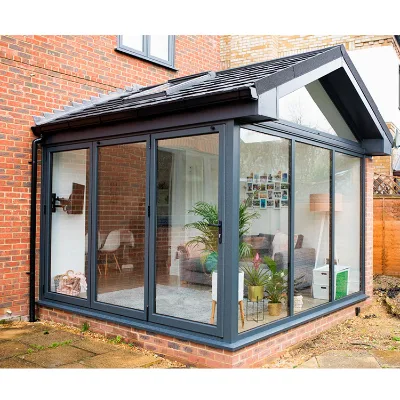

Aluminum Structure Telescopic Porch Balcony Enclosures Retractable Sunroom
$38.00 - $158.00
MOQ: 10 Square Meters


Electric Sunroom Retractable Insulated Sunroom Houses Modular Sunroom
$180.00 - $220.00
MOQ: 10 Square Meters


Outdoor 4 Season Aluminum and Glass Sunroom for Solarium Sun Room Garden Room
$98.00 - $150.00
MOQ: 9 Square Meters

Retractable Electric High Quality Greenhouse Aluminum Garden Sunroom
$100.00 - $150.00
MOQ: 49 Square Meters

Balcony Collapsible Aluminum High-Quality Modern Design Sunroom
$100.00 - $150.00
MOQ: 49 Square Meters

Reflective Glass One Way Dormer Gable Roof Aluminum Structure Elegant Sunroom
$100.00 - $150.00
MOQ: 49 Square Meters


Customized Slant Roof Garden House Aluminum Glass Lean to Solarium Sunroom
$100.00 - $150.00
MOQ: 49 Square Meters

Aluminum Frame Flat Roof Freestanding Sunroom for Four Season Outdoor Greenhouse
$100.00 - $150.00
MOQ: 49 Square Meters

Durable Aluminum 4-Season Retractable Glass Sunroom for Residential Backyard Project
$78.00 - $99.00
MOQ: 1 Square Meters


The Modern Aluminum-Framed Sunroom for Outdoor Use Offers Customization Options.
$110.00 - $150.00
MOQ: 1 Square Meters

Free Standing Sunroom and Glass Houses Retractable Movable Conservatory Sunroom
$110.30 - $129.00
MOQ: 2 Square Meters


Latest Product High Quality Expandable Customizable Aluminum Sunroom
$110.30 - $129.00
MOQ: 2 Square Meters


Comprehensive Sourcing Guide
Strategic Sourcing Guide for Retractable Roof Aluminum Sunrooms
Understanding Technical Specifications and Material Composition
When sourcing a Retractable Roof Aluminum Sunroom, the primary objective is to align technical specifications with the intended environmental conditions and functional requirements. The core construction of these structures typically relies on an aluminum alloy frame, often reinforced with thermal break technology to enhance energy efficiency. The supplied product data indicates that the main material composition frequently involves a combination of aluminum alloy, glass, and necessary accessories. The structural integrity is often supported by an aluminum structure that can accommodate various roof designs, including arc, herringbone top, or conventional configurations.
The glazing system is a critical component that dictates both safety and thermal performance. Buyers should verify that the glass options include hollow glass, laminate glass, or double/tempered glass variants. These materials are essential for meeting the dual requirements of insulation and security. The product features observed in the market include waterproofing capabilities, anticorrosive properties, and burglarproof mechanisms, which are vital for long-term durability in residential and commercial settings. The surface treatment processes, such as anodizing or powder coating, play a significant role in protecting the aluminum frame from environmental degradation. The availability of color options, ranging from standard selections to fully customized finishes, allows for architectural integration. However, it is important to note that while some listings mention specific color counts like "12 Color for Option," others specify "Customized Color," indicating that buyers must confirm the exact palette and finish availability with the specific manufacturer.
Compliance, Certification, and Regulatory Standards
Navigating the regulatory landscape is a fundamental step in the procurement process for aluminum sunrooms. Compliance ensures that the structure meets safety, quality, and environmental standards required by local building codes. The supplied context highlights that reputable suppliers often provide certifications such as CE and ISO9001. These certifications serve as evidence that the manufacturer adheres to international quality management systems and product safety standards. Additionally, the presence of ISO and CE certificates suggests a commitment to standardized production processes.
Buyers must verify that the product standards are explicitly defined, as some listings indicate "Customized Size" or specific standard dimensions like "6m*6m." The term "customize" appears in the standard field, suggesting that while baseline standards exist, the final product is often tailored to specific project needs. It is crucial to request documentation proving that the specific batch of materials and the final assembly process have been tested against these standards. For projects in regions with strict seismic or wind load requirements, buyers should inquire about specific engineering calculations and load-bearing tests that may not be explicitly listed in general product descriptions. The absence of specific numerical test results in the provided data means that buyers must actively request third-party test reports to validate claims regarding wind resistance, water tightness, and structural stability.
Cost Drivers and Pricing Variables
The pricing of retractable roof aluminum sunrooms is influenced by a complex array of variables, resulting in a wide observed price range of 38 to 4950 USD. This significant variance is not indicative of product quality alone but rather reflects differences in scale, customization levels, material grades, and included features. The minimum order quantity (MOQ) ranges from 1 to 49 units, which directly impacts the unit cost. Smaller orders or highly customized single units typically command a higher price per square meter due to the setup costs and specialized labor involved.
Several key factors drive the final cost. First, the complexity of the roof design, such as an arc or herringbone top, requires more intricate engineering and fabrication compared to a conventional flat roof. Second, the type of glass selected significantly affects the price; laminated or double-tempered glass with thermal break capabilities is more expensive than standard glazing. Third, the hardware quality is a major cost driver. The market data mentions hardware options ranging from "Made in China" to "Germany Brand." Imported hardware systems often come with a premium price tag but offer superior durability and smoother operation for retractable mechanisms. Finally, surface treatments like powder coating or anodizing add to the cost, as do custom color requests and specialized packing requirements, such as wooden boxes or air bubble film protection, which are necessary to prevent damage during transit.
Typical Applications and Functional Requirements
Retractable roof aluminum sunrooms are versatile structures designed for a broad spectrum of applications. The supplied data identifies usage scenarios ranging from residential settings like villas and dormitories to commercial and industrial spaces such as warehouses, temporary offices, and workshops. The design style is predominantly modern, fitting seamlessly into contemporary architecture, though some listings also reference "Modern Stylish" or "Creative Roof Sunroom" designs that cater to aesthetic preferences.
In residential applications, these structures serve as leisure spaces, offering a blend of indoor comfort and outdoor exposure. Features like heat insulation, soundproofing, and light belts enhance the livability of these spaces. For commercial use, the ability to customize the size and design allows for the creation of large, open-plan areas that can be adapted for various functions. The "Project Solution Capability," including graphic design services, suggests that suppliers can assist in visualizing the final structure, which is particularly valuable for large-scale commercial projects. The application of these sunrooms in temporary offices or workshops highlights their modular nature and the efficiency of their assembly. Buyers should evaluate the specific environmental conditions of the application site, such as exposure to rain, wind, or extreme temperatures, to ensure the selected product features, such as waterproofing and anticorrosive treatments, are sufficient for the intended use.
Supplier Evaluation and Production Capabilities
Selecting the right supplier requires a thorough evaluation of their production capabilities, location, and track record. The supplied context indicates that many manufacturers are located in Foshan or Guangdong, China, regions known for their robust aluminum and glass processing industries. This geographic concentration often implies a mature supply chain and access to high-quality raw materials. However, buyers must verify the specific origin of the components, as some listings distinguish between "Made in China" and "Germany Brand" hardware, which can impact the overall quality and longevity of the product.
Key evaluation criteria include the supplier's ability to provide a complete project solution, from graphic design to final installation. The availability of customization options, such as customized sizes and colors, is a strong indicator of a flexible manufacturing process. Buyers should also assess the packaging standards, as the data mentions various methods including wooden boxes, air bubble film, and cartons. Proper packaging is essential to prevent damage during shipping, especially for large glass panels and delicate mechanical components. Furthermore, the warranty period, observed as a 3-year standard in some listings, serves as a metric of the supplier's confidence in their product quality. Buyers should inquire about the scope of the warranty, including what components are covered and the process for claiming repairs or replacements.
Quality Control and Long-Term Procurement Considerations
Ensuring long-term value requires a rigorous approach to quality control and post-sales support. The product features listed, such as "Waterproof," "Anticorrosive," and "Burglarproof," must be validated through practical testing rather than relying solely on marketing claims. Buyers should request detailed specifications on the sealing systems used in the retractable roof mechanism, as this is a common point of failure in such structures. The "Light Belt" feature mentioned in some listings suggests advanced lighting integration, which requires careful electrical planning and waterproofing to ensure safety.
Long-term procurement considerations also involve the maintenance of the retractable mechanism. Buyers should ask about the availability of spare parts and the technical support provided by the supplier. The "3 Year" warranty is a starting point, but understanding the terms of service, such as response times for repairs and the coverage of labor costs, is equally important. Additionally, the "Customized" nature of these products means that future modifications or expansions may be necessary. A supplier with strong project solution capabilities, including graphic design and engineering support, is better positioned to assist with these future needs. Finally, buyers should consider the environmental impact of the materials used, particularly the recyclability of the aluminum alloy and the energy efficiency of the glass systems, to align with sustainable building practices.
Comparative Analysis of Product Attributes
To facilitate a clearer decision-making process, the following table summarizes the key attributes observed in the market for retractable roof aluminum sunrooms. This comparison highlights the variability in specifications and helps buyers identify the critical factors that align with their specific project requirements.
| Attribute Category | Observed Options / Specifications | Procurement Consideration |
|---|---|---|
| Main Material | Aluminum Alloy, Thermal Break Aluminum | Verify alloy grade and thermal break presence for insulation. |
| Glass Type | Hollow, Laminate, Double/Tempered, etc. | Select based on safety, soundproofing, and thermal needs. |
| Roof Design | Arc, Herringbone Top, Conventional | Match design to architectural style and load requirements. |
| Surface Treatment | Anodizing, Powder Coating | Check color durability and corrosion resistance. |
| Hardware Origin | Made in China, Germany Brand | Higher cost for German hardware; assess operational smoothness. |
| Customization | Customized Size, Customized Color | Confirm lead times and minimums for non-standard orders. |
| Certification | CE, ISO9001, ISO | Request valid certificates for the specific product batch. |
| Warranty | 3 Year (Observed) | Clarify coverage scope and claim procedures. |
| Origin | Foshan, Guangdong, China | Verify factory location and logistics capabilities. |
| Packing | Wooden Box, Air Bubble Film, Cartons | Ensure packaging meets shipping requirements for glass. |
This structured approach to evaluating retractable roof aluminum sunrooms ensures that buyers can navigate the complexities of the market with confidence. By focusing on verified technical specifications, robust certifications, and clear supplier capabilities, procurement teams can secure high-quality structures that meet both immediate functional needs and long-term strategic goals.
FAQs
What glass options are available for retractable roof aluminum sunrooms?
The available glass options include hollow glass, laminate glass, and double or tempered glass. These choices ensure safety and thermal performance while meeting insulation requirements for various climates.
Can buyers request customized sizes and colors for these sunrooms?
Yes, buyers can request customized sizes and colors to match specific architectural needs. The product standard allows for tailored dimensions and finishes, though lead times may vary based on the complexity of the request.
Which certifications do manufacturers typically provide for these structures?
Manufacturers typically provide CE and ISO9001 certifications to demonstrate compliance with international safety and quality standards. Buyers should verify these documents to ensure the product meets local building codes.
How long is the warranty period for retractable roof aluminum sunrooms?
The standard warranty period observed for these products is three years. This coverage typically includes structural integrity and material defects, but specific terms depend on the individual supplier's policy.
What surface treatment processes are used on the aluminum frames?
The aluminum frames undergo anodizing or powder coating surface treatments to enhance durability. These processes protect the structure from corrosion and allow for a wide range of color options including custom finishes.
Which hardware brands are used in the construction of these sunrooms?
Hardware options range from domestic Chinese brands to imported German brands. The choice of hardware affects the smoothness of the retractable mechanism and overall longevity of the sunroom system.
What are the primary applications for retractable roof aluminum sunrooms?
These structures are suitable for residential villas, commercial offices, warehouses, and temporary workshops. Their modular design allows for versatile use in both private and industrial environments.