Source Reusable Autoclavable Orthodontic Stripping Strips for braces, aligners, and crowns
Explore 30 listings of Reusable Autoclavable Orthodontic Stripping Strips designed for precise enamel reduction. Buyers can compare specifications, materials, and pricing for use in orthodontic departments and general dental practices.
Key considerations
Products List


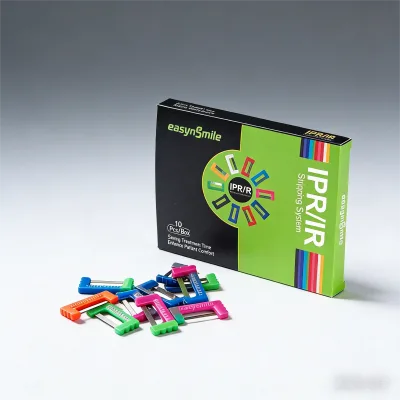
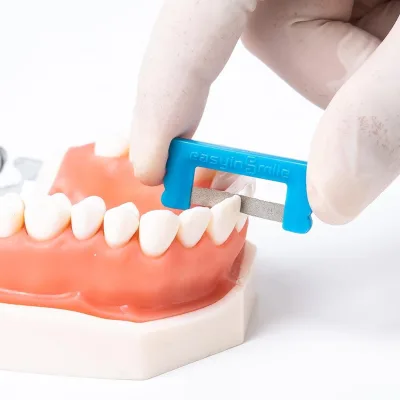


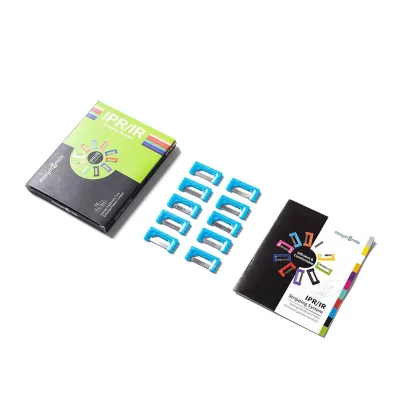
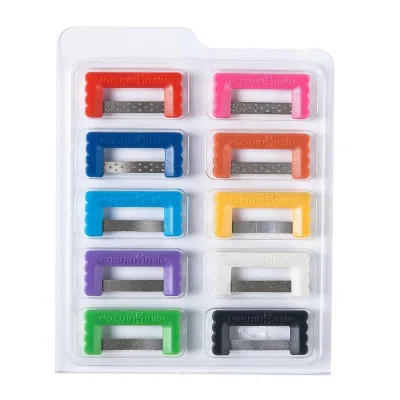
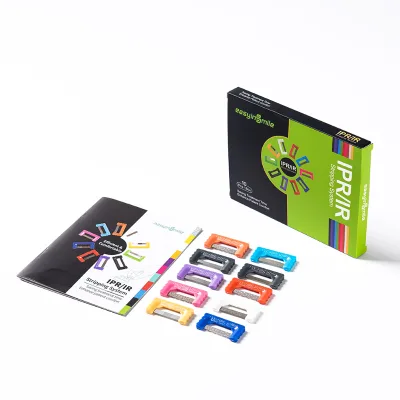
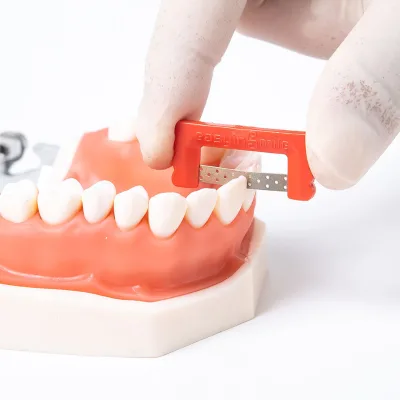


Orthodintic Disposable Cheek Retractor Dental 3D Orthodontic Cheek Retractor
$0.85 - $1.20
MOQ: 100 Pieces


Autoclavable Orthodontic Cheek Retractor Silicone Medical Dental Mouths Opener
$0.55 - $1.00
MOQ: 100 Pieces
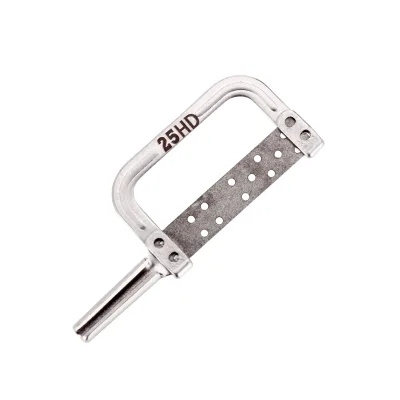
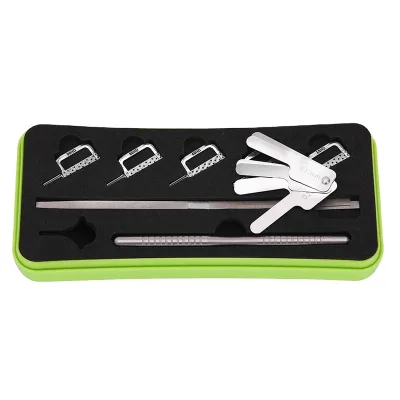
Comprehensive Sourcing Guide
Strategic Sourcing Guide for Reusable Autoclavable Orthodontic Stripping Strips
Understanding Product Nature and Technical Specifications
When sourcing Reusable Autoclavable Orthodontic Stripping Strips, buyers must first distinguish between consumable abrasive materials and the specialized instrumentation required to apply them. The provided market data indicates a complex landscape where "Orthodontic Material" and "Specialized Instrument Equipment" often coexist in supplier catalogs. The core keyword suggests a focus on the mechanical application of stripping, which frequently involves high-precision pliers or forceps rather than the abrasive strips themselves, as the strips are typically single-use consumables. However, the instrumentation used to hold, guide, or cut these materials must be robust, reusable, and capable of withstanding repeated sterilization cycles.
Technical specifications for these instruments are critical. The observed product attributes highlight a "Low-Speed Handpiece" capability with a maximum speed of 40,000r/Min, though this is more relevant to rotary instruments than manual stripping pliers. For manual stripping tools, the "Gear Ratio" of 1:1 and "Rotating Speed" specifications may apply to motorized variants, but the primary focus for stripping should be on the mechanical leverage and tip geometry. The material composition is a non-negotiable factor; the data confirms "Stainless Steel" as the primary material, ensuring the necessary hardness and corrosion resistance required for dental environments. The "Nature" of the equipment is classified as "Shared Instrument Equipment" or "Specialized Instrument Equipment," indicating these are capital assets for the clinic rather than disposable items.
The physical dimensions and weight are also significant for ergonomics. One observed model lists a weight of 31.5g, while another, identified as a "Dental Tooth Root Extraction Forceps," weighs 90g. For stripping pliers, a lighter weight is generally preferred to reduce hand fatigue during prolonged procedures. The "Loading Way" is specified as "Gland Type," which refers to the connection mechanism for handpieces, but for manual pliers, the pivot point and handle design are the functional equivalents. The "Water Way" of "Inner Channel" suggests that some instruments in this category may be designed for use with water cooling, a feature that must be verified if the stripping process involves high-speed abrasion.
Compliance, Certification, and Regulatory Standards
Navigating the regulatory landscape is essential for any B2B procurement in the medical device sector. The supplied facts explicitly mention "ISO" and "CE" certifications, which are the baseline requirements for international trade. A product labeled with "ISO" certification implies adherence to quality management systems, while "CE" marking indicates compliance with European health, safety, and environmental protection standards. Buyers must verify that the specific SKU, such as "123020013" or "1581700411," carries these certifications on the official documentation, not just the packaging.
The "Instrument classification" is listed as "Class I," which generally denotes low-risk devices. This classification often allows for a streamlined regulatory pathway but does not exempt the product from rigorous quality control. The "Standard" field varies, with some entries noting "1 pc/pack" as a standard unit, while others list specific dimensions like "12.86.52.7cm" or "1461.2cm." These dimensions likely refer to the packaging or the instrument itself, and buyers should cross-reference these with the actual product specifications to ensure compatibility with existing storage and sterilization equipment.
Furthermore, the "Condition" is consistently listed as "New," which is a standard expectation for medical instruments. However, the "Quality" attribute is noted as "a+ Grade," a term that requires clarification. In a procurement context, buyers should request specific quality assurance reports or material test certificates to validate this claim, as "a+ Grade" is not a universally standardized industry term like ISO or CE. The "Autoclavable" attribute is explicitly marked as "Yes" for several items, confirming that the instruments can undergo steam sterilization. This is a critical feature for reusable orthodontic tools, ensuring they can be safely reused across multiple patients without cross-contamination.
Cost Drivers and Pricing Dynamics
The pricing for orthodontic stripping instruments is influenced by several variables, including material grade, manufacturing complexity, and certification status. The observed price range in the market spans from $0.13 to $82.60 USD. This wide disparity suggests a mix of low-cost consumables or simple tools at the lower end and high-precision, specialized instruments at the higher end. For reusable, autoclavable stripping pliers, the price is likely to be in the mid-to-high range due to the cost of high-grade stainless steel and the precision engineering required for the pivot and cutting edges.
The "MOQ" (Minimum Order Quantity) is another significant cost driver. The observed range is 1 to 500 units, with a specific listing showing an MOQ of 10PCS. Buyers purchasing for a single clinic may find the lower MOQs more suitable, while distributors or large hospital chains might leverage the higher volume discounts associated with larger orders. The "prod_packing" is described as "Standard Carton" or "Carton for Dental Handpiece," which affects the shipping cost and handling requirements. Bulk packaging can reduce per-unit shipping costs, but it may also increase the initial capital outlay.
It is important to note that the "Sku" numbers, such as "128001007" or "130009015-130009025," serve as unique identifiers for specific models. Variations in these SKUs often correspond to differences in size, material thickness, or specific functional features, which directly impact the price. Buyers should avoid assuming that a lower price equates to lower quality; however, prices significantly below the market average should trigger a deeper investigation into the material composition and certification validity. The "prod_origin" is listed as "China" and specifically "Henan, China (Mainland)" or "Hunan, China," which can influence shipping logistics and lead times but does not inherently dictate quality if the manufacturer adheres to international standards.
Typical Applications and Departmental Fit
The primary application for these instruments is within the "Orthodontic Department," as explicitly stated in the product attributes. However, the data also references the "Dental Department" and "Dental Tooth Root Extraction Forceps," indicating that some instruments may have dual-purpose utility or that suppliers often group various dental tools under broad categories. The "Application" is specified for "Child,Adult," suggesting that the instruments are designed to be versatile enough to handle the varying anatomical needs of different patient demographics.
The "Usage" is defined as "Orthodontic Material," which reinforces the specialized nature of these tools. In a clinical setting, these instruments are used for interproximal reduction (IPR), a procedure where enamel is removed from between teeth to create space for alignment. The "Autoclavable" feature is particularly vital here, as the instruments come into direct contact with oral fluids and must be sterilized between patients. The "Non-Disposable" nature of the equipment aligns with the goal of long-term cost efficiency and environmental sustainability, reducing the waste generated by single-use tools.
The "Feature" of being "Autoclavable" ensures that the instruments can withstand the high temperatures and pressures of steam sterilization cycles. This is a critical requirement for any reusable dental tool. The "Light Way" is noted as "Without Light," which is typical for manual pliers, as they do not require internal illumination. However, if the stripping process involves high-speed rotary instruments, the "Rotating Speed" and "Max Speed" specifications become relevant for ensuring the tool can handle the operational demands without overheating or failing.
Supplier Evaluation and Quality Control Protocols
Evaluating suppliers for orthodontic stripping instruments requires a rigorous approach to verifying the claims made in product listings. Buyers should prioritize suppliers who can provide clear documentation for their "ISO" and "CE" certifications. The "prod_origin" being "China" is a common source for dental instruments, but the specific region, such as "Henan" or "Hunan," may offer insights into the local manufacturing ecosystem. Buyers should verify that the supplier has a consistent track record of producing "a+ Grade" quality products, though this term should be substantiated with third-party test reports.
Quality control should focus on the material integrity of the "Stainless Steel." Buyers should request samples to test for corrosion resistance, especially given the "Inner Channel" and "Gland Type" features that may involve complex internal structures. The "Weight" specifications, such as 31.5g or 90g, can serve as a benchmark for consistency; significant deviations from these weights in bulk orders may indicate quality control issues. The "prod_standard" of "1 pc/pack" or specific dimensions like "1461.2cm" should be verified against the physical product to ensure that the packaging and the instrument itself meet the advertised specifications.
The "Customization" attribute being "Available" is a significant advantage for buyers with specific requirements. This could include custom engraving, specific handle lengths, or modified tip geometries. However, customization often comes with higher MOQs and longer lead times. Buyers should clarify the customization process and ensure that any modifications do not compromise the "Autoclavable" status or the structural integrity of the instrument. The "Condition" being "New" is a baseline, but buyers should also inspect the packaging for signs of damage or tampering upon receipt.
Long-Term Procurement and Inventory Management
Sourcing Reusable Autoclavable Orthodontic Stripping Strips is a long-term investment that requires careful inventory management. The "Non-Disposable" nature of the equipment means that the initial cost is higher, but the long-term cost per use is lower compared to disposable alternatives. Buyers should consider the "Lead Time" and "MOQ" when planning their inventory. With an observed MOQ range of 1 to 500, buyers can start with small orders to test the quality and then scale up as needed. The "Standard Carton" packaging is designed for efficient storage and shipping, but buyers should ensure that their storage facilities can accommodate the specific dimensions of the cartons.
The "Sku" numbers, such as "123020013/4/5/6/7," indicate a series of related products. Buyers should maintain a comprehensive inventory list to track the usage and replacement of these instruments. Regular maintenance and inspection are crucial to ensure that the instruments remain "Autoclavable" and functional over time. The "Gear Ratio" and "Rotating Speed" specifications, while more relevant to handpieces, highlight the precision engineering involved. For manual pliers, buyers should monitor the pivot points and cutting edges for wear and tear, replacing them as necessary to maintain clinical performance.
The "Application" for "Child,Adult" suggests that a single set of instruments may not be sufficient for all cases. Buyers should consider stocking a range of sizes or models to accommodate different patient needs. The "prod_packing" of "Carton for Dental Teeth Crowns" or "Carton for Orthodontic Pliers" indicates that the packaging is tailored to the specific instrument type. Buyers should ensure that the packaging is robust enough to protect the instruments during storage and transport. Finally, the "Location" of the supplier, whether in "Henan" or "Hunan," should be considered in the context of shipping logistics and potential supply chain disruptions. By maintaining a strategic approach to procurement, buyers can ensure a steady supply of high-quality, reusable orthodontic stripping instruments for their clinics.
FAQs
Can these orthodontic strips be autoclaved for reuse?
Yes, the listed instruments are explicitly marked as autoclavable for repeated sterilization cycles. This feature ensures they meet hygiene standards for multiple patient uses without degradation.
What material are the reusable stripping instruments made of?
The primary material is stainless steel, ensuring high hardness and corrosion resistance. This composition supports the non-disposable nature required for long-term clinical use in dental departments.
Which certifications do these dental instruments typically hold?
Products in this category often carry ISO and CE certifications for quality and safety compliance. Buyers should verify specific SKUs to confirm these standards are present on official documentation.
How does the minimum order quantity vary for these tools?
The observed MOQ range spans from 1 to 500 units, with some specific listings requiring 10 pieces. This flexibility allows clinics to start with small orders while distributors can leverage bulk discounts.
What is the typical price range for these orthodontic instruments?
Market prices range from 0.13 to 82.6 USD depending on the specific model and complexity. Higher precision instruments generally command higher prices due to the cost of materials and engineering.
Can buyers request customization for these stripping tools?
Customization is available for specific requirements like handle length or tip geometry. However, custom orders may involve higher minimum order quantities and extended lead times compared to standard stock.
Which departments are these instruments applicable for?
These tools are designed for use in the Orthodontic Department and general Dental Department. They are suitable for applications involving both children and adults requiring interproximal reduction procedures.