Source Reusable Almond Nail Forms for salons, DIY, and extensions
Compare 30 listings for Reusable Almond Nail Forms designed for professional salons, DIY enthusiasts, and nail extension applications. Buyers can evaluate materials, sizes, and customization options from verified suppliers.
Key considerations
Products List





Comprehensive Sourcing Guide
Strategic Sourcing Guide for Reusable Almond Nail Forms
Understanding Product Definitions and Technical Specifications
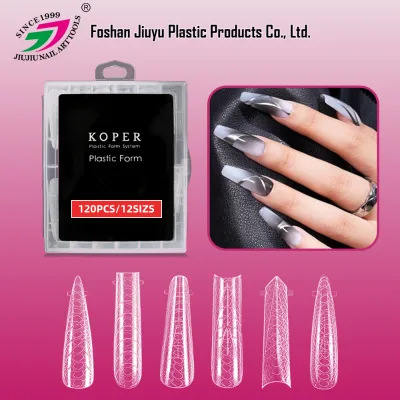
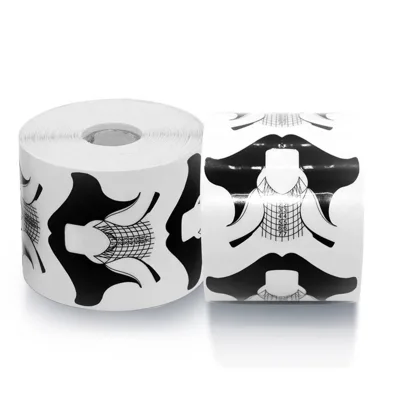
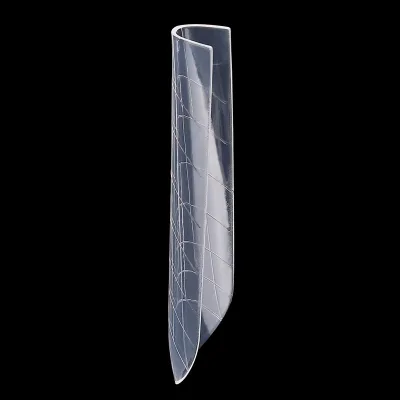
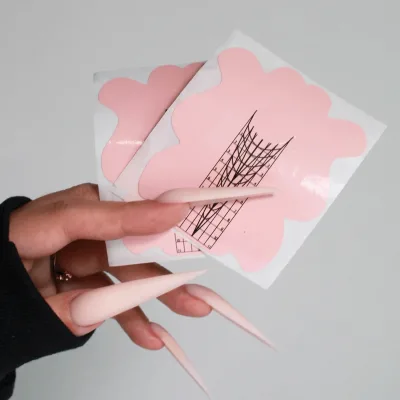
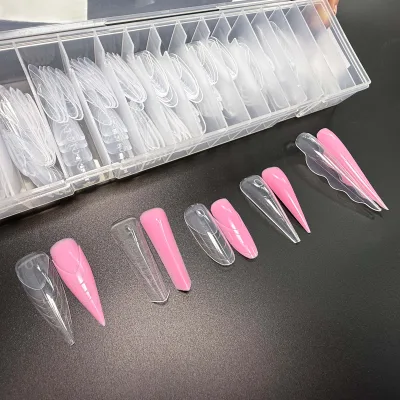
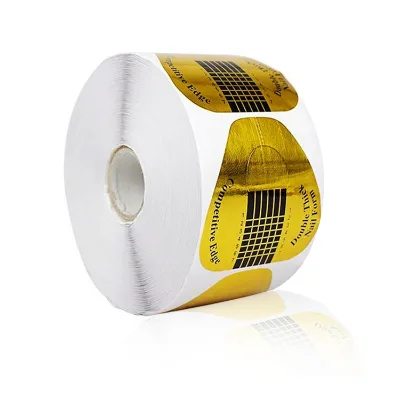
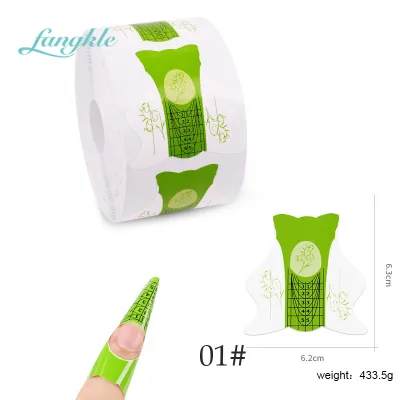
When sourcing Reusable Almond Nail Forms, buyers must first distinguish between the form itself and the finished nail products often listed under similar search terms. The core keyword refers to the temporary molds used during the nail extension process to shape the artificial nail before the gel or acrylic is applied. In the current market data, specific listings for "Extending Tips Mold Dual Forms" are identified with model numbers such as JJTS-40638. These items are distinct from pre-designed artificial fingernails or stickers, which are finished goods rather than tools.
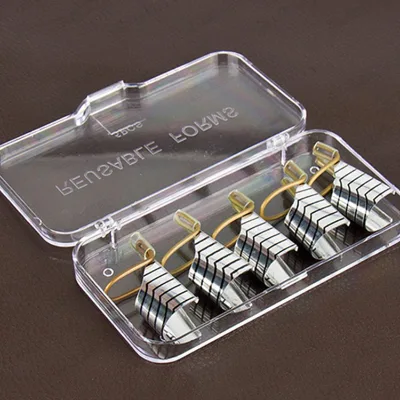
The technical specification for these forms typically involves a material composition of PP (polypropylene). This material choice is critical for the "reusable" aspect of the product, as PP offers the necessary flexibility to be removed from the cured nail without breaking, while maintaining the structural integrity required to hold the shape of the almond tip. The almond shape is a specific geometric requirement, characterized by a tapered tip and rounded edges, which differs from the square or coffin shapes often found in other form categories.
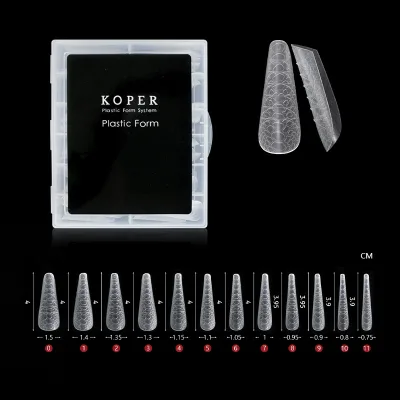
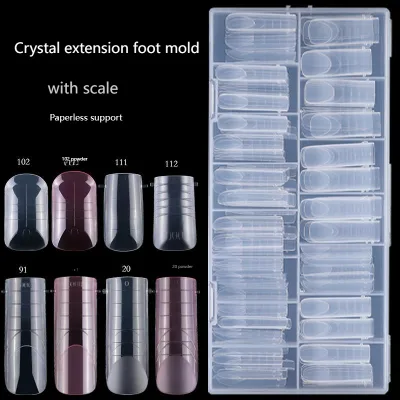
Dimensions and sizing are paramount in this category. Market observations indicate that a standard box may contain 14 different sizes, covering a wide range of finger widths to ensure a perfect fit for various clients. The single package size for these forms is often recorded around 17.35 x 13.15 x 4.7 cm, with a single gross weight of approximately 0.104 kg. Buyers should verify that the supplier provides a comprehensive size chart, as the "varies by size" standard implies that a single SKU might not cover all finger dimensions. The forms are designed for "Nail Salon DIY Nail Art," indicating they must be user-friendly for both professional technicians and home users. The application involves using the form as a scaffold, where the gel or acrylic is sculpted over the reusable mold to create a durable extension.
Compliance and Certification Verification
In the B2B procurement of beauty tools, verifying compliance is essential to ensure the safety of the end-user and the legitimacy of the supplier. The supplied product data highlights specific certifications associated with nail products, including CE, MSDS, RoHS, and ISO. While these certifications are listed under general nail product categories, a prudent buyer must confirm that these certifications explicitly cover the reusable nail forms being purchased.
CE marking indicates conformity with health, safety, and environmental protection standards for products sold within the European Economic Area. For plastic nail forms, this often relates to the chemical composition of the PP material and the absence of harmful substances. MSDS (Material Safety Data Sheet) is crucial for understanding the chemical properties of the product, particularly if the forms are treated with any release agents or coatings to prevent adhesion. RoHS (Restriction of Hazardous Substances) ensures that the product does not contain specific hazardous materials like lead or mercury, which is a standard requirement for plastic goods in many international markets.
ISO standards, such as ISO 9001 for quality management, suggest that the manufacturer has a systematic approach to production consistency. However, the data notes that standards "vary by size," which implies that buyers should not assume a blanket certification covers every size variant in a mixed box. It is the buyer's responsibility to request specific test reports or certification documents that validate the safety of the PP material used for the almond forms. Without these documents, the risk of importing non-compliant goods that could be rejected at customs or cause liability issues in the marketplace increases significantly.
Cost Drivers and Pricing Structure Analysis
The pricing for Reusable Almond Nail Forms is influenced by several factors, including material quality, packaging, and order volume. The observed price range in the market spans from $0.48 to $29.62 USD. This wide disparity suggests that the lower end of the spectrum likely represents single-item or low-volume purchases of basic forms, while the higher end may include premium packaging, larger sets, or bundles that include additional tools like nail forms or dual forms.
Minimum Order Quantity (MOQ) is a significant cost driver in this sector. Data indicates an MOQ range from 1 to 500 units, with specific listings showing an MOQ of 20 boxes for certain products. For a buyer looking to establish a supply chain, an MOQ of 20 boxes could represent a substantial initial investment. The unit cost generally decreases as the order volume increases, but the buyer must balance this against storage costs and cash flow constraints.
Packaging also impacts the final cost. The product data lists packaging options such as "Carton," "Bag," "Bulk," "Boxed," and "Papercard." Bulk packaging is typically the most cost-effective for large-scale distribution but may lack the retail-ready presentation required for certain markets. Conversely, boxed or papercard packaging adds to the unit cost but enhances the product's shelf appeal. Buyers should calculate the total landed cost, including shipping and duties, rather than focusing solely on the unit price. The weight of the product, noted as 102g per unit in some contexts, will also affect freight costs, especially for air freight, which is often used for smaller, high-value beauty tool orders.
Typical Applications and Market Segmentation
Reusable Almond Nail Forms serve a specific function within the broader nail care industry. Their primary application is in professional nail salons and DIY home manicure setups where gel or acrylic extensions are created. The "Dual Forms" mentioned in the specifications suggest a specific technique where the form is used to create the extension, which is then cured and removed, leaving a hollow shell that can be filled or used as a base. This method is popular for creating lightweight, durable nails.
The target market for these forms includes professional nail technicians who require consistency and durability in their tools, as well as the growing DIY consumer segment. The "DIY Nail Art" feature highlights the accessibility of these products for non-professionals. The versatility of the forms is enhanced by the availability of 14 different sizes, allowing a single set to serve a diverse clientele.
Furthermore, the market is segmented by customization needs. Some suppliers offer "Custom LOGO Package" options, allowing brands to white-label these forms. This is a key consideration for buyers looking to build a private label brand. The "Customization: Available" attribute indicates that suppliers are willing to accommodate branding requests, which can be a differentiator in a competitive market. The "Pre-Designed: No" attribute for the forms themselves contrasts with pre-designed artificial nails, reinforcing that these are tools for creation rather than finished decorative products.
Supplier Evaluation and Selection Criteria
Selecting the right supplier for Reusable Almond Nail Forms requires a rigorous evaluation process. The origin of the products is consistently listed as China, specifically from regions like Guangdong, which is a major hub for beauty tool manufacturing. Buyers should verify the specific location and factory capabilities of the supplier to ensure they can meet production demands.
Key evaluation criteria include the supplier's ability to provide consistent quality across different sizes. Since the standard "varies by size," a supplier must demonstrate that the PP material quality remains uniform whether the form is size 1 or size 14. The presence of certifications like CE and MSDS should be verified through direct communication and document requests. Buyers should also assess the supplier's flexibility regarding customization, such as the ability to add custom logos or modify packaging.
The "Feature" attributes listed, such as "Easy to Wear" and "Perfect Size Fitting," should be validated through sample testing. A supplier that claims these features but fails to deliver consistent sizing or durability will result in high return rates and customer dissatisfaction. Additionally, the "Tool" attribute, which mentions "nail forms," suggests that some suppliers may offer complementary products. A supplier with a broad product range might offer better logistics and consolidated shipping options.
Quality Control and Inspection Protocols
Quality control is critical for reusable nail forms to ensure they perform as expected during the nail extension process. The material, PP, must be free from defects such as cracks, warping, or uneven thickness. A form that is too flexible may not support the weight of the gel, while one that is too rigid may be difficult to remove without damaging the nail.
Buyers should implement a strict inspection protocol upon receipt of goods. This includes checking the packaging integrity to ensure the forms are not damaged during transit. The "Single package size" and "Single gross weight" should be verified against the supplier's specifications to detect any discrepancies that might indicate short shipments or incorrect items.
Visual inspection of the forms should focus on the almond shape consistency. The taper and the rounded edges must be uniform across all 14 sizes. Any form that does not fit the finger correctly or fails to hold the gel shape should be rejected. If the supplier offers "Custom LOGO Package," the quality of the printing and the alignment of the logo on the packaging should also be inspected. For bulk orders, a random sampling method based on statistical quality control principles is recommended to ensure the entire batch meets the required standards.
Long-Term Procurement Considerations
Sourcing Reusable Almond Nail Forms is not just a one-time transaction but a strategic partnership that requires long-term planning. The "Customization: Available" and "Custom LOGO Package" attributes suggest that buyers may want to build a brand around these products. Establishing a long-term relationship with a supplier who can accommodate branding changes and volume fluctuations is essential.
Buyers should also consider the supply chain resilience. With the product origin in China, geopolitical factors and logistics disruptions can impact lead times. While specific lead times are not provided in the data, buyers should negotiate clear delivery schedules and contingency plans. The "MOQ: 20boxes" requirement for some products indicates that suppliers may have minimum production runs. Buyers should plan their inventory levels to align with these MOQs to avoid stockouts or excessive overstock.
Finally, the evolving nature of nail art trends means that the demand for specific shapes, like the almond, can fluctuate. A supplier who can adapt to changing design preferences and offer new sizes or materials will be a more valuable partner. Buyers should maintain open communication with suppliers regarding market trends and be prepared to adjust their procurement strategies accordingly. By focusing on quality, compliance, and supplier flexibility, buyers can secure a reliable supply of Reusable Almond Nail Forms that meet the demands of their customers.
FAQs
What material are Reusable Almond Nail Forms made of?
Reusable Almond Nail Forms are typically made of PP (polypropylene). This material offers the necessary flexibility for removal while maintaining structural integrity to hold the shape of the almond tip during the gel or acrylic application process.
Which certifications should I verify for these nail forms?
You should verify certifications such as CE, MSDS, RoHS, and ISO for these nail forms. These documents confirm conformity with safety standards and ensure the PP material does not contain hazardous substances like lead or mercury.
How many sizes are typically included in a single box?
A standard box typically contains 14 different sizes to cover a wide range of finger widths. This variety ensures a perfect fit for various clients in both professional salons and DIY home manicure setups.
Can I request custom logo packaging for these forms?
Yes, customization including custom logo packaging is available for these forms. Buyers can work with suppliers to white-label the product, which is a key differentiator for building a private label brand in the competitive market.
What is the typical minimum order quantity for these forms?
The minimum order quantity varies, with some listings requiring 20 boxes while others allow as few as 10 pieces. Buyers must balance the unit cost reduction from larger volumes against their storage capacity and cash flow constraints.
Where are these reusable nail forms primarily manufactured?
These reusable nail forms are primarily manufactured in China, specifically from regions like Guangdong. This area is a major hub for beauty tool manufacturing, offering a wide range of suppliers for global procurement.