Source Reusable Airtight Food Storage Container for Kitchen, Bulk, and Travel
Find and compare 30 options for a Reusable Airtight Food Storage Container designed for kitchen organization, bulk food preservation, and travel. Evaluate materials like PP and PET, transparency levels, and customization support to select the right solution for your sourcing needs.
Key considerations
Products List


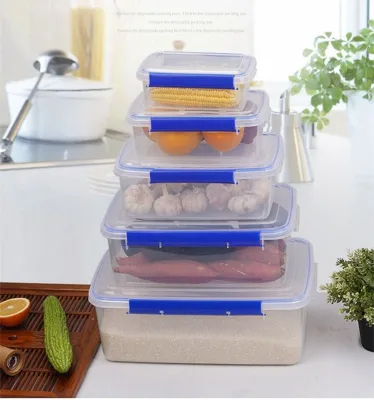
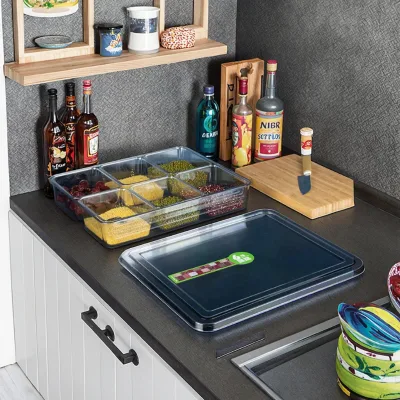

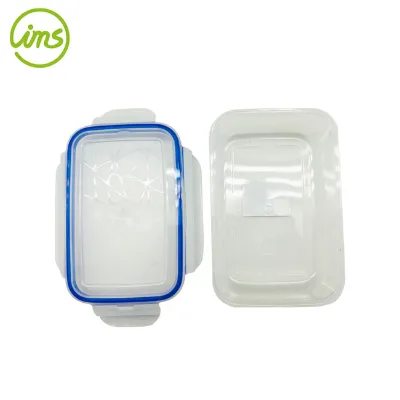


Comprehensive Sourcing Guide
Reusable Airtight Food Storage Container Sourcing Guide
Sourcing reusable airtight food storage containers requires a careful balance between material durability, sealing integrity, and supply chain reliability. Buyers must navigate a market where product attributes vary significantly, from transparent PET disposables to robust PP lunch boxes, to ensure the selected items meet specific operational needs. This guide provides evidence-based procurement strategies for evaluating these products, focusing on verified specifications, compliance requirements, and commercial terms observed in current listings.
The following sections detail the critical factors for successful procurement, including technical verification, safety documentation, cost analysis, and supplier qualification. By adhering to these guidelines, buyers can mitigate risks associated with material degradation, seal failure, and non-compliance with food safety standards. The insights provided are derived from observed market data and trusted category knowledge, ensuring that all recommendations are grounded in factual evidence rather than speculative claims.
Product Scope and Observed Listing Signals
The current market for food storage containers exhibits a wide range of product types, materials, and intended uses, which buyers must carefully distinguish to avoid procurement errors. Observed listings include disposable bowls made from PET with high transparency, designed for short-term use and preservation, as well as reusable lunch boxes constructed from PP plastic, featuring multi-grid layouts for organized meal storage. Additionally, there are storage boxes and bins intended for bulk food storage, emphasizing freshness preservation and sustainable design. Understanding these distinctions is crucial for aligning procurement with specific operational requirements, whether for single-use catering or long-term household or commercial storage.
Material selection is a primary differentiator among these products, with PET and PP being the most commonly observed materials. PET containers are noted for their high transparency and clarity, making them suitable for visual inspection of contents, while PP containers offer superior heat and freezing resistance, ranging from -20℃ to 70℃, and are often microwavable and dishwasher safe. Buyers should verify the specific material type for each product, as this directly impacts durability, temperature tolerance, and reusability. The presence of features such as "Eco-Friendly" or "Stocked" status further indicates the product's environmental profile and availability, which can influence sourcing decisions for sustainability-focused organizations.
Technical Specifications to Verify
Verifying technical specifications is essential to ensure that the selected containers meet the functional requirements of the end-user. Key specifications to confirm include capacity, dimensions, and structural design, as these factors determine the container's suitability for specific food items and storage environments. For instance, models are available in various capacities such as 500ml, 750ml, 1000ml, and larger sizes, with dimensions like 22.419.23.5cm for lunch boxes and 252020 for storage bins. Buyers should cross-reference these specifications with their internal needs to ensure optimal fit and efficiency, avoiding mismatches that could lead to waste or operational inefficiencies.
Sealing and airtightness are critical technical attributes that must be verified, although specific sealing mechanisms may not be explicitly detailed in all listings. Buyers should inquire about the design of the lid and the material's ability to maintain an airtight seal over time, particularly for products marketed for freshness preservation. Additionally, features such as "High Temperature and Freezing Resistance" and "Microwavable" capabilities should be confirmed through product documentation or supplier verification, as these attributes are vital for containers intended for diverse thermal applications. The presence of grid layouts, such as three, four, or five grids, also impacts usability and should be considered based on the intended meal organization strategy.
Compliance and Safety Documentation
Compliance with food safety standards is non-negotiable for any food storage container, and buyers must ensure that suppliers provide appropriate documentation to verify this compliance. While specific certification names are not listed in the observed data, buyers should request evidence of compliance with relevant food contact material regulations, such as FDA or EU standards, depending on the target market. This documentation should confirm that the materials used, whether PET or PP, are safe for repeated food contact and do not leach harmful substances under normal use conditions.
Temperature resistance and chemical stability are also key safety considerations that require verification. Products claiming resistance to temperatures ranging from -20℃ to 70℃ should be supported by test data or manufacturer guarantees to ensure they do not degrade or release toxins within this range. Buyers should also verify the "Food Container Feature" claims, such as "Microwavable" and "Dishwasher Safe," to ensure that the containers can withstand the intended cleaning and heating processes without compromising safety or integrity. Requesting material safety data sheets (MSDS) or similar documentation can provide additional assurance regarding the chemical composition and safety profile of the products.
Cost Drivers and Commercial Terms
Cost drivers for reusable airtight food storage containers include material type, production complexity, and order volume, all of which influence the final price and commercial terms. The observed price range of 0.01-4.54 USD reflects significant variation based on these factors, with simpler disposable items likely at the lower end and more complex, multi-functional reusable containers at the higher end. Buyers should analyze the cost structure in relation to the product's durability and intended use, ensuring that the price aligns with the expected lifespan and performance of the container.
Minimum Order Quantities (MOQ) and lead times are critical commercial terms that impact procurement planning and inventory management. Observed MOQs range from 1 to 50,000 pieces, with specific products requiring 20,000 or 50,000 pieces, indicating that suppliers may have different production capacities and pricing tiers based on volume. Lead times also vary, with standard production taking 7 days and customized production taking 30 days, which buyers must factor into their supply chain planning. Understanding these terms allows buyers to negotiate favorable conditions and align orders with their demand forecasts, minimizing stockouts and excess inventory.
Supplier Qualification and Quality Control
Supplier qualification is a vital step in ensuring the reliability and consistency of the sourced products. Buyers should verify the supplier's production capabilities, quality control processes, and track record in manufacturing food storage containers. The observed origin of products in Ningbo, Zhejiang, and China suggests a concentration of manufacturing hubs, but buyers should not assume quality based on location alone. Instead, they should request information about the supplier's quality management systems, inspection procedures, and any relevant certifications that demonstrate their commitment to product quality and safety.
Quality control measures should be established to monitor the consistency of the products received. This includes verifying the physical attributes of the containers, such as transparency, color consistency, and structural integrity, as well as testing the sealing performance and temperature resistance. Buyers should consider implementing incoming quality checks or third-party inspections to ensure that the products meet the specified standards and requirements. Establishing clear quality expectations and communication channels with the supplier can help prevent defects and ensure that the final products meet the buyer's standards.
Long-Term Procurement Checks
Long-term procurement checks involve continuous monitoring of product performance and supplier reliability to ensure sustained value and compliance. Buyers should track the performance of the containers in real-world use, noting any issues related to sealing, durability, or material degradation. This feedback can be used to refine future procurement decisions and provide valuable insights to suppliers for product improvement. Regularly reviewing supplier performance against key metrics, such as on-time delivery, product quality, and responsiveness, helps maintain a high standard of supply chain management.
Sustainability and regulatory changes are also factors that require ongoing attention in long-term procurement. Buyers should stay informed about evolving environmental regulations and consumer preferences for sustainable products, adjusting their sourcing strategies accordingly. This may involve exploring new materials or designs that offer improved environmental profiles without compromising functionality. By maintaining a proactive approach to long-term procurement checks, buyers can ensure that their sourcing practices remain aligned with business goals, regulatory requirements, and market trends.
FAQs
What materials are used for these food storage containers?
These containers are made from PET and PP plastic materials. PET offers high transparency for preservation, while PP provides resistance to high temperatures and freezing conditions suitable for various food storage needs.
Can I customize the design of these storage boxes?
Yes, customization is available and supported for these products. Buyers can request specific designs, though customized production typically takes 30 days compared to the 7 days for standard currency production.
What are the minimum order quantities for these items?
Minimum order quantities vary by product type, ranging from 20,000 to 50,000 pieces. Specific models like the disposable bowls require 50,000 pieces, while other lunch boxes may start at 20,000 pieces.
How long does delivery take for standard orders?
Standard production for these items takes approximately 7 days. Customized production orders require a longer lead time of 30 days to ensure the specific design requirements are met before shipping.
Which specifications are available for the storage containers?
Available specifications include capacities of 500ml, 750ml, 1000ml, 1100ml, 1300ml, and 1500ml. Dimensions also vary, with some models measuring 22.4 by 19.2 by 3.5 cm or 25 by 20 by 20 cm.
Are these containers suitable for microwave and dishwasher use?
Yes, the PP plastic containers are microwavable and dishwasher safe. They feature high temperature and freezing resistance, making them suitable for thermal applications and bulk food storage in kitchen environments.