Source Reusable Cocktail Pick for bars, parties, and catering
Compare 30 listings for the Reusable Cocktail Pick from suppliers in China. Buyers can review stainless steel options, eco-friendly designs, and customizable sizes ranging from 9 to 13 cm with MOQs starting at 100 pieces.
Key considerations
Products List
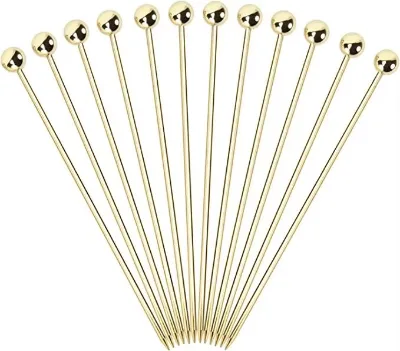
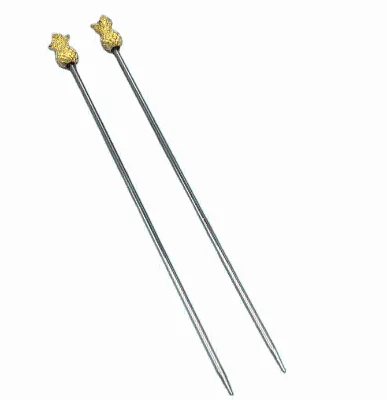
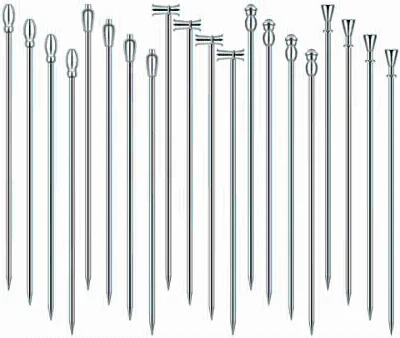
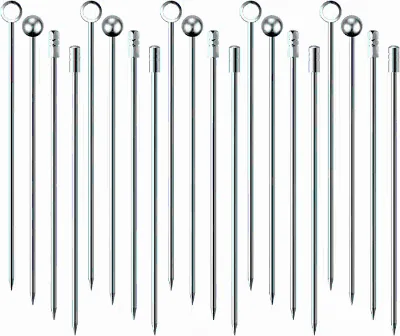
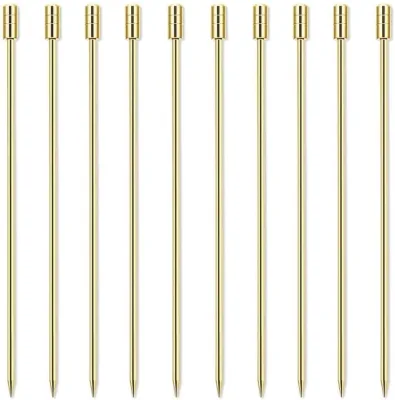
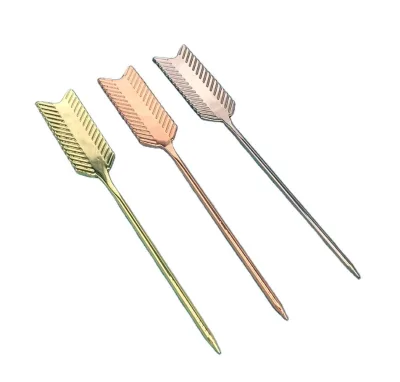


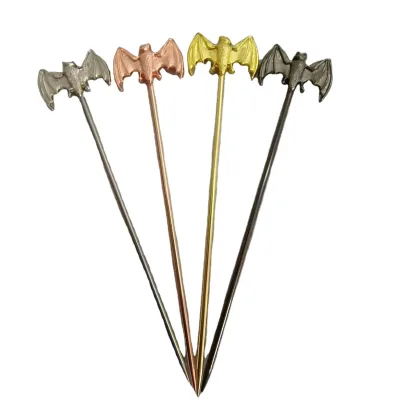
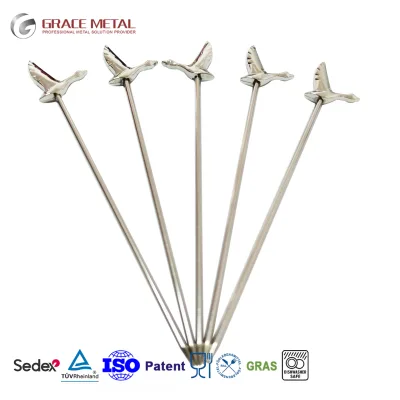
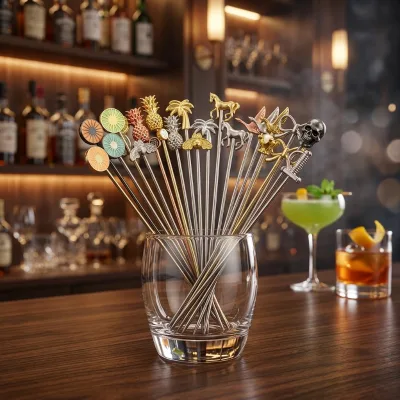
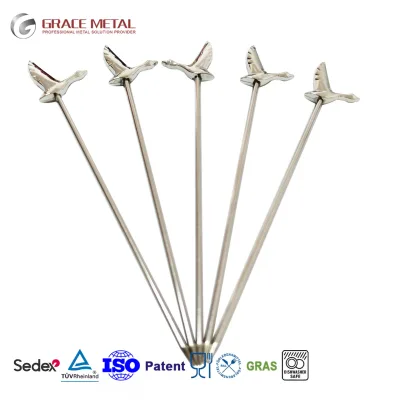
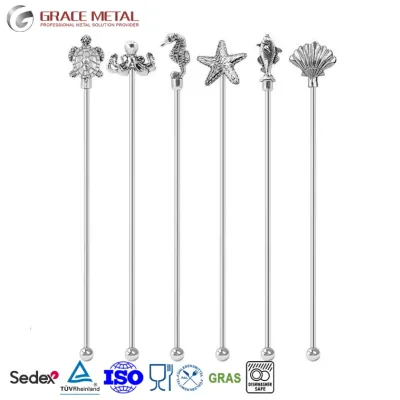
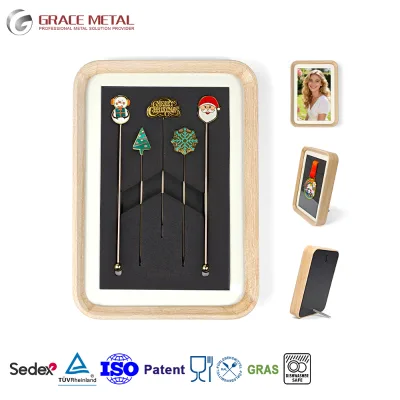
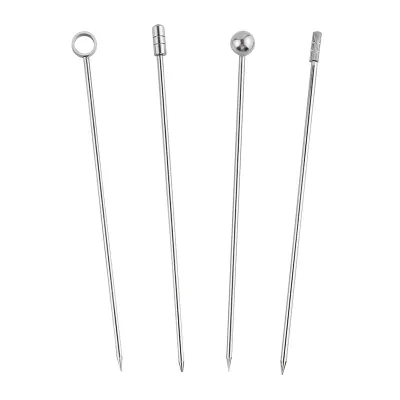


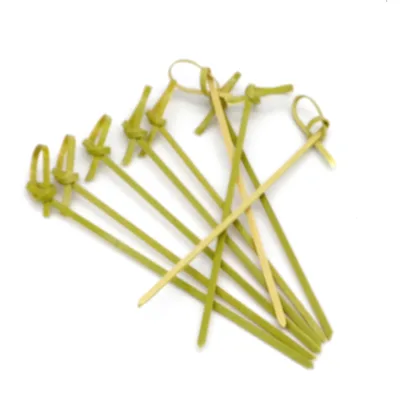


Disposable Bamboo Fruit Sticks Cocktail Picks with Colorful Decoration
$0.01 - $0.01
MOQ: 50000 Pieces
Comprehensive Sourcing Guide
Strategic Sourcing Guide for Reusable Cocktail Picks
Understanding Product Definitions and Material Composition
When sourcing reusable cocktail picks, buyers must first distinguish between disposable plastic variants and durable metal instruments designed for repeated use. The core keyword "reusable" implies a construction capable of withstanding frequent washing, sanitization, and mechanical stress without degrading. In the current market, the primary material for these items is stainless steel, which offers the necessary corrosion resistance and structural integrity required for bar environments. While some product listings reference "mental" or "plastic" compositions, these typically denote disposable or single-use categories that do not align with the "reusable" procurement requirement.
The material specification is the most critical differentiator. Stainless steel is the industry standard for high-quality bar tools, ensuring that the picks do not rust, discolor, or leach metals into beverages. The observed product attributes indicate that the material composition is explicitly listed as "stainless steel" for the reusable category. In contrast, listings mentioning "plastic arrow pick" or "disposable" features should be filtered out immediately as they fail the durability criteria. The weight of the product is also a key indicator of material density; a specific observation notes a weight of 0.65g, which suggests a lightweight yet functional design typical of thin-gauge stainless steel picks. Buyers should verify that the supplier explicitly states "stainless steel" rather than generic terms like "metal" or "mental," which may imply lower-grade alloys or mixed materials unsuitable for food contact.
Technical Specifications and Dimensional Variability
The physical dimensions of cocktail picks vary significantly based on the intended application, ranging from standard bar garnishes to specialized fruit skewers. The observed data indicates a length range of 9cm to 13cm, with specific model numbers corresponding to distinct sizes such as 10cm and 12cm. The diameter is consistently noted as being less than 5cm, which is a standard constraint for the overall width of the pick head or handle to ensure ease of handling. For reusable picks, the "Overall Length" is often customizable, allowing procurement teams to align the product with specific branding or functional needs.
The shape of the pick is another technical consideration. While some listings describe a "standard" shape, others highlight specific designs like "arrow" or "fruit pick" styles. The arrow design is particularly common for securing larger fruit pieces, while standard picks are used for olives or cherries. The diameter constraint of less than 5cm likely refers to the maximum width of the decorative head or the spread of the pick when opened, rather than the shaft thickness. Buyers should request detailed technical drawings or CAD files to confirm the exact shaft thickness and head geometry, as these factors influence the pick's ability to pierce fruit without breaking. The "6-inch" specification observed in some contexts translates to approximately 15cm, which may represent a specialized long-handle variant, though the primary observed range remains between 9cm and 13cm.
Compliance, Certification, and Food Safety Standards
For any food-contact product, verifying compliance with international safety standards is non-negotiable. The observed data explicitly lists "LFGB" and "FDA" certifications, which are critical benchmarks for food safety. LFGB (Lebensmittel- und Bedarfsgegenständegesetz) is the German Food and Feed Code, often considered stricter than US standards, while FDA (Food and Drug Administration) compliance is mandatory for products entering the United States market. These certifications confirm that the stainless steel used is food-grade and that the manufacturing process does not introduce harmful contaminants.
Buyers must ensure that the supplier provides valid, up-to-date certification documents for every batch of reusable picks. The presence of these certifications on the product page is a strong indicator of quality, but they must be verified against the specific model numbers, such as HJ-CFP10 or HJ-CFP05, to ensure the certification covers the exact item being ordered. Additionally, the "Eco-Friendly" feature observed in the product attributes suggests that the manufacturing process may prioritize sustainability, though this should be cross-referenced with the material composition to ensure it does not compromise the stainless steel's durability. Reusable picks inherently support sustainability by reducing waste compared to disposable alternatives, but the supplier's claims regarding eco-friendly practices should be substantiated by their production methods and material sourcing policies.
Cost Drivers and Pricing Structure Analysis
The cost of reusable cocktail picks is influenced by several factors, including material grade, customization level, and order volume. Unlike disposable picks, which are priced per unit with low minimums, reusable metal picks often involve higher tooling costs for customization, such as logo engraving or unique shape molding. The observed data indicates a wide MOQ range from 5 to 500,000 units, suggesting that pricing is highly volume-dependent. For smaller orders, the unit cost will be significantly higher due to setup fees and lower economies of scale.
Payment terms also play a role in the total cost of ownership. The observed terms of "30% Deposit, 70% Balance After Copy Documents" are standard in B2B transactions but require careful financial planning. Buyers should be aware that the "Delivery" lead time of 35 days after confirmation can impact cash flow, especially for urgent restocking needs. The "CTN Size" of 404040cm and the "N.W" (Net Weight) of 8.2kgs per carton are critical for calculating shipping costs, which can vary based on the density of the stainless steel picks. Buyers should request a detailed breakdown of costs, including tooling fees, unit price, and shipping, to understand the true cost drivers. The "Customization" availability allows for branding but will inevitably increase the unit price compared to standard, unbranded picks.
Supplier Evaluation and Operational Capabilities
Evaluating a supplier for reusable cocktail picks requires a deep dive into their operational capabilities and production consistency. The observed data lists "Zhejiang, China" and "GUA" as places of origin, indicating a concentration of manufacturing in specific industrial regions. Buyers should verify the supplier's physical location and production capacity to ensure they can meet the required volume without compromising quality. The "Brand Name" listed as "HJ" or "customization" suggests that some suppliers offer OEM services, while others may have their own established brand.
Key evaluation criteria include the supplier's ability to handle customization requests, their quality control processes, and their track record with certifications. The "Customization" attribute being "Available" implies that the supplier can accommodate specific design changes, but buyers must confirm the lead time and additional costs associated with these changes. The "Style" is described as "Simple," which may limit design options, but the "Customizable" standard suggests flexibility for bespoke orders. Buyers should request samples to assess the finish, weight, and durability of the picks before placing a large order. Additionally, the "Packing" details, such as "80PCS/Bag 144bags/CTN," provide insight into the supplier's packaging efficiency and ability to protect the products during transit.
Quality Control and Long-Term Procurement Considerations
Ensuring the long-term reliability of reusable cocktail picks requires a robust quality control (QC) strategy. The "Feature" of being "Eco-Friendly" and "Portable" suggests that the picks are designed for ease of use and environmental responsibility, but these attributes must be validated through rigorous testing. Buyers should implement a QC plan that includes visual inspections for surface defects, weight verification to ensure material consistency, and functional testing to confirm the pick's ability to pierce fruit without bending or breaking.
The "Model Number" variations, such as HJ-CFP01 through HJ-CFP14, indicate a diverse product line, and buyers must ensure that the specific model ordered meets the required specifications. The "Single package size" of 10X0.6X1.2 cm provides a baseline for packaging efficiency, but the "CTN Size" of 404040cm is more relevant for bulk shipping. Long-term procurement considerations include the supplier's ability to maintain consistent quality over multiple production runs and their responsiveness to any quality issues that may arise. The "Delivery" time of 35 days should be factored into inventory planning to avoid stockouts. Furthermore, the "Payment Term" structure should be reviewed to ensure it aligns with the buyer's financial policies and risk tolerance.
Application Scenarios and Market Trends
Reusable cocktail picks are primarily used in high-volume bar and restaurant environments where durability and hygiene are paramount. The "Usage" of "custom cocktail picks" highlights their versatility in branding and presentation. The "Bar Tools Type" classification confirms their role as essential equipment for bartenders. The "Function" of "stainless steel metal cocktail picks" underscores their suitability for repeated use in wet and acidic environments, such as those found in bars serving citrus-based cocktails.
Market trends indicate a growing demand for sustainable and reusable bar accessories as establishments seek to reduce waste and align with eco-friendly initiatives. The "Eco-Friendly" feature observed in the product attributes aligns with this trend, making reusable picks a strategic choice for modern bars. The "Style" of "Simple" ensures that the picks do not distract from the drink's presentation while providing the necessary functionality. Buyers should consider the specific needs of their establishment, such as the types of garnishes used and the frequency of service, when selecting the appropriate model and size. The "Overall Length" customization option allows for tailoring the picks to specific drink presentations, enhancing the overall customer experience.
Conclusion and Procurement Best Practices
Sourcing reusable cocktail picks requires a balanced approach that prioritizes material quality, compliance, and supplier reliability. By focusing on stainless steel construction, verifying LFGB and FDA certifications, and understanding the cost drivers associated with customization and volume, buyers can make informed decisions that align with their operational needs. The observed data provides a solid foundation for evaluating potential suppliers, but it is essential to conduct thorough due diligence, including sample testing and site visits, to ensure the selected products meet the highest standards of quality and safety. As the market continues to evolve towards sustainability, reusable cocktail picks represent a valuable investment for bars and restaurants committed to excellence and environmental responsibility.
FAQs
What material is used for reusable stainless steel cocktail picks?
Reusable cocktail picks are constructed from stainless steel to ensure durability and corrosion resistance. Some listings mention mental or plastic, but these are typically disposable. The stainless steel variant is the only suitable option for repeated use in bar environments.
Which certifications verify food safety for these bar tools?
Valid food safety certifications include LFGB and FDA for these stainless steel products. These standards confirm the material is safe for direct contact with beverages and food. Buyers must verify that the specific model number carries these valid certifications before ordering.
How long is the delivery lead time after confirmation?
The standard delivery lead time is 35 days after all confirmations are received. This timeline applies to orders meeting the minimum quantity requirements. Buyers should plan their inventory accordingly to avoid stockouts during this production window.
Can buyers customize the length and branding of the picks?
Yes, customization is available for overall length, branding, and specific model numbers. The standard length ranges from 9cm to 13cm, but custom sizes can be requested. This allows bars to align the picks with their specific branding or functional needs.
What is the minimum order quantity for stainless steel picks?
The minimum order quantity varies, with observed ranges from 5 to 500,000 units depending on the supplier. Some specific listings require a minimum of 100 pieces or 100 cartons. Buyers should confirm the exact MOQ for their chosen model and customization level.
Where are these bar tools manufactured?
These stainless steel bar tools originate from Zhejiang, China, with some listings indicating GUA. The manufacturing location impacts shipping costs and lead times. Buyers should verify the specific place of origin for the model they intend to purchase.