Source Reusable Comfortable Shoe Hole Patches for Sneakers, High Heels, and Casual Shoes
Find 30 listings for Reusable Comfortable Shoe Hole Patches designed to cover broken insides and prevent heel rubbing. Buyers can compare materials like PE foam and microfiber cloth, thickness options, and customization features from verified suppliers in China.
Key considerations
Products List


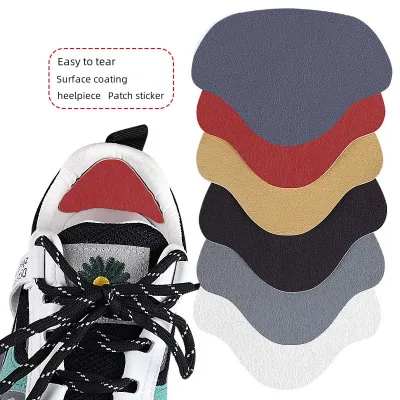
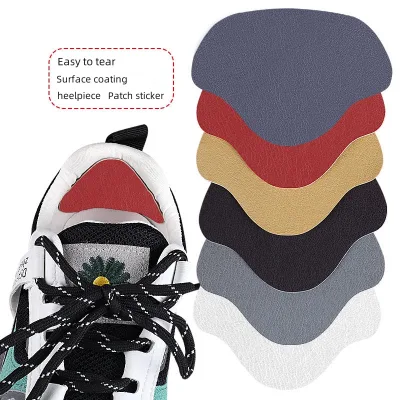
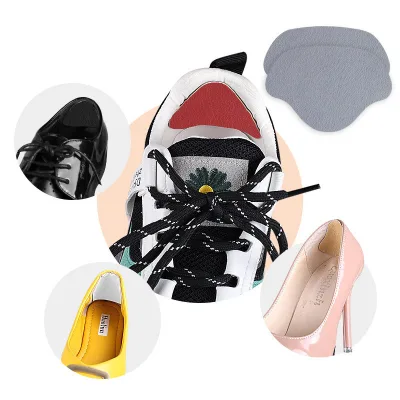
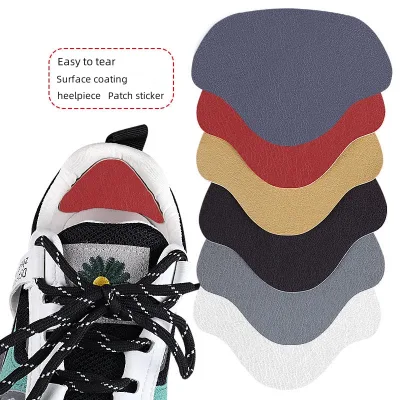
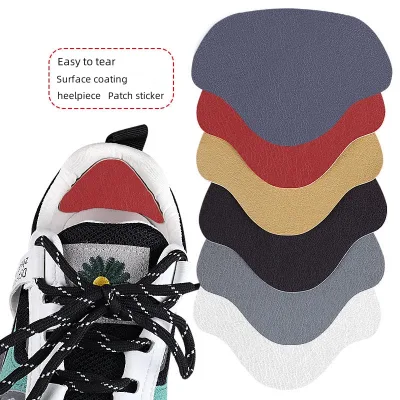
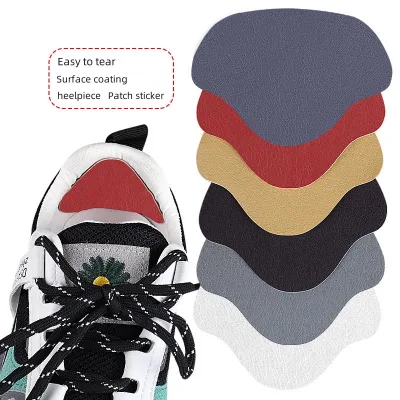


Custom Eco-Friendly Colorful Iron-on Embroidery Woven Fabric Clothing Shoe Bag Name Patch
$0.03 - $0.20
MOQ: 50 Pieces

Comprehensive Sourcing Guide
Strategic Sourcing Guide for Reusable Comfortable Shoe Hole Patches
The global footwear accessories market has seen a surge in demand for solutions that extend the lifespan of footwear while enhancing user comfort. Among these, Reusable Comfortable Shoe Hole Patches represent a critical niche for B2B buyers looking to offer value-added products to retailers or direct-to-consumer markets. These items, often categorized under foot care and heel cushions, are designed to address friction, wear, and structural gaps in various shoe types. Sourcing these products requires a disciplined approach that balances technical specifications, material integrity, and supply chain reliability. This guide provides a comprehensive framework for evaluating potential suppliers and products based on verified market data and industry standards.
Technical Specifications and Material Composition
When evaluating reusable shoe hole patches, the primary differentiator lies in the material composition and physical dimensions. The market offers a diverse range of materials, with Polyethylene (PE) Foam and Microfiber cloth being the most prominent options observed in current listings. PE Foam products are frequently characterized by their softness and ability to provide cushioning, making them ideal for anti-friction and anti-wear applications. These patches often feature a thickness of approximately 4 mm, which provides substantial protection against heel rubbing and blister formation. In contrast, microfiber cloth variants may offer a different tactile experience, often designed for iron-on or sewing-on applications, with a thickness closer to 2 mm.
Dimensional consistency is another critical technical factor. Buyers must verify the specific size standards, which can range from standardized dimensions like 23x61mm per sheet to fully customized sizes. The number of pieces per package also varies significantly, with common configurations including single items, pairs (2 pieces), or sheets containing multiple patches (e.g., 4 patches). The product model numbers, such as SC-0829 or SI-0924, serve as unique identifiers for these specifications. Furthermore, the color palette is a key technical attribute; while skin color is a standard offering to ensure invisibility, suppliers also provide options in black, gray, yellow, red, white, blue, silver, and beige. The ability to customize color and size is a standard feature in this category, allowing buyers to tailor products to specific brand identities or consumer preferences.
Compliance, Certification, and Quality Standards
In the B2B procurement of foot care accessories, verifying compliance and certification is essential for mitigating liability and ensuring product safety. While specific regulatory frameworks vary by destination market, the presence of ISO certification is a notable indicator of a supplier's commitment to quality management systems. Buyers should explicitly request proof of such certifications before finalizing orders. Additionally, the material safety is paramount; products claiming to be "Anti-Allergy" must be substantiated by the supplier through material safety data sheets or third-party testing reports.
The standardization of these products often relies on "one size" or specific custom dimensions rather than universal industry standards. However, the origin of the product plays a significant role in perceived quality. A high volume of these items originates from manufacturing hubs in Jiangsu, China, a region known for its textile and foam processing capabilities. Buyers should verify the "prod_origin" field to ensure the supply chain aligns with their sourcing strategy. It is crucial to understand that while a supplier may claim ISO certification, the buyer must independently verify the scope of this certification to ensure it covers the specific manufacturing processes for foam or textile patches.
Cost Drivers and Pricing Dynamics
The pricing structure for reusable shoe hole patches is influenced by several variables, including material type, customization level, and order volume. The observed market price range for these items is approximately $0.02 to $1.99 USD per unit. This wide disparity is largely driven by the complexity of the product. Basic PE foam patches with standard dimensions and colors tend to sit at the lower end of the spectrum, while customized microfiber patches with specific branding, unique colors, or specialized packaging command higher prices.
Minimum Order Quantity (MOQ) is another significant cost driver. The market exhibits a broad MOQ range, typically spanning from 5 units to 10,000 units. Low MOQs, such as 20 pieces or even single items, are often available for testing purposes or small-batch retail, but they come with a higher per-unit cost. Conversely, bulk orders of 10,000 units can significantly reduce the unit price, making them more viable for large-scale distribution. Buyers must also consider the "Selling Units" attribute; some products are sold as single items, while others are packaged as sheets or bags. The packaging method, whether it is a simple bag or a carton, impacts the logistics cost and the final landed cost of the product.
Typical Applications and Functional Versatility
Reusable shoe hole patches serve multiple functional roles beyond simple hole repair. Their primary applications include anti-friction, anti-wear, and anti-slip protection. These patches are specifically designed to cover broken insides and heel rubbing, making them essential for new shoes that may cause blisters or for worn shoes that have developed gaps. The versatility of these products allows them to be used in a wide array of shoe types, including sneakers, casual shoes, high heels, leather shoes, and cloth shoes.
The functional attributes of the patches, such as being waterproof, ventilated, and soft, directly correlate to their application scenarios. For instance, waterproof patches are ideal for outdoor footwear or rainy conditions, while ventilated options are preferred for athletic sneakers to prevent moisture buildup. The "Comfortable Soft" feature is a universal selling point, ensuring that the patches do not add bulk or discomfort to the wearer's foot. Some products are designed with an iron-on or sewing-on style, offering different installation methods depending on the shoe material and the user's preference. This adaptability makes them suitable for a broad consumer base, from athletes seeking performance enhancements to individuals looking for comfort in formal footwear.
Supplier Evaluation and Service Capabilities
Selecting the right supplier requires a thorough evaluation of their service capabilities and operational flexibility. A key indicator of a robust supplier is the availability of OEM (Original Equipment Manufacturer) and ODM (Original Design Manufacturer) services. These services allow buyers to customize the product model, logo, and packaging to align with their brand requirements. The observation that customization is "Available" across many listings suggests that most suppliers in this category are equipped to handle bespoke orders.
Service levels are another critical metric. Suppliers offering 24-hour online service demonstrate a commitment to responsiveness, which is vital for resolving production issues or addressing urgent order changes. The "Stocked" attribute indicates that some suppliers maintain inventory of standard items, which can reduce lead times for immediate orders. However, for customized orders, lead times will vary based on the complexity of the design and the production schedule. Buyers should verify the "Single gross weight" and "Single package size" to accurately calculate shipping costs and logistics requirements. For example, a patch weighing 0.016 kg versus one weighing 0.050 kg can significantly impact freight costs when shipping large volumes.
Quality Control and Long-Term Procurement Considerations
Implementing a rigorous quality control (QC) process is essential for maintaining brand reputation in the foot care sector. Buyers should establish clear acceptance criteria based on the observed specifications, such as thickness consistency, color accuracy, and material integrity. Since the products are often made from PE foam or microfiber cloth, checks should include verifying the adhesion strength for iron-on or glue-based patches and ensuring the material does not degrade quickly with use. The "Anti-Allergy" claim requires specific verification, as allergic reactions can lead to product returns and legal issues.
Long-term procurement considerations involve building a sustainable relationship with suppliers who can scale with demand. The wide MOQ range (5 to 10,000) suggests that suppliers are flexible, but buyers should negotiate terms that allow for scaling up without prohibitive cost increases. The "Carton" and "1 sheet/Bag" packing options offer different levels of protection during transit; buyers should select packaging that minimizes damage during shipping. Additionally, the availability of customization for logos and colors allows for brand differentiation, which is crucial for long-term market positioning. Buyers should also monitor the "prod_standard" and "prod_model" consistency to ensure that future orders match the initial samples in terms of quality and performance.
Comparative Analysis of Product Attributes
To facilitate decision-making, the following table summarizes the key attributes observed in the market for Reusable Comfortable Shoe Hole Patches. This comparison highlights the diversity in specifications and helps buyers identify the most suitable product for their specific needs.
| Attribute Category | Option A: PE Foam Variant | Option B: Microfiber Cloth Variant | Option C: Customized/General |
|---|---|---|---|
| Material | PE Foam | Microfiber Cloth | Variable (PE Foam, Microfiber) |
| Thickness | 4 mm | 2 mm | Customized |
| Primary Feature | Soft, Comfortable, Waterproof | Iron-On/Sewing, Stocked | Anti-Allergy, Ventilation |
| Packaging | Carton, 1 sheet/Bag | 1 sheet/Bag | Customized |
| Typical MOQ | 20 Pcs to 10,000 | 5 to 10,000 | 5 to 10,000 |
| Color Options | Skin Color, Custom | Black, Gray, Yellow, Red, White | Blue, Silver, Beige, etc. |
| Certification | ISO (Verify) | ISO (Verify) | ISO (Verify) |
| Origin | Jiangsu, China | China | China |
This comparative analysis underscores the importance of aligning product specifications with the intended application. For instance, a buyer targeting the athletic market might prioritize the PE Foam variant for its 4 mm thickness and waterproof properties, while a buyer focusing on formal footwear might prefer the microfiber option for its sleek, iron-on application. By carefully evaluating these attributes, B2B buyers can make informed decisions that optimize both product performance and cost efficiency.
In conclusion, sourcing Reusable Comfortable Shoe Hole Patches requires a nuanced understanding of material science, supply chain dynamics, and market trends. By adhering to the guidelines outlined above, buyers can navigate the complexities of this category, ensuring they secure high-quality products that meet the rigorous demands of the global footwear accessories market. The key lies in balancing technical specifications with supplier reliability and cost-effectiveness, ultimately delivering value to the end consumer.
FAQs
What materials are used for Reusable Comfortable Shoe Hole Patches?
These patches are primarily made from PE Foam or Microfiber cloth. PE Foam offers a soft 4 mm thickness for anti-friction protection, while microfiber variants are thinner at 2 mm and suitable for iron-on or sewing applications.
Which certifications should I verify for foot care patches?
Buyers should verify ISO certification to ensure quality management systems are in place. This standard indicates a commitment to safety and consistency, though specific material safety data sheets may be needed to substantiate anti-allergy claims.
Can I customize the size and color of these patches?
Yes, customization for size and color is available across many listings. Suppliers typically offer skin color as a standard option but also provide variations like black, gray, and blue, with dimensions ranging from fixed sheets to fully customized sizes.
What is the typical MOQ for ordering these foot care items?
The minimum order quantity ranges widely from 5 to 10,000 units depending on the supplier. Some vendors offer low MOQs like 20 pieces for testing, while bulk orders significantly reduce the per-unit cost for large-scale distribution.
How are these patches packaged for shipping and storage?
Packaging options include single sheets per bag or bulk cartons. Specific configurations vary, such as 23x61mm sheets containing four patches, with gross weights ranging from 0.016 kg to 0.050 kg per single package unit.
Which shoe types are compatible with these heel cushions?
These patches are suitable for sneakers, casual shoes, high heels, leather shoes, and cloth shoes. They function to cover broken insides and prevent heel rubbing across a diverse range of footwear styles and materials.