Source Reusable Cooling Whiskey Stones for bars, parties, and gifts
Compare 30 listings of Reusable Cooling Whiskey Stones from verified suppliers. Buyers can evaluate materials, certifications, and pricing for bar, hotel, and home use applications.
Key considerations
Products List
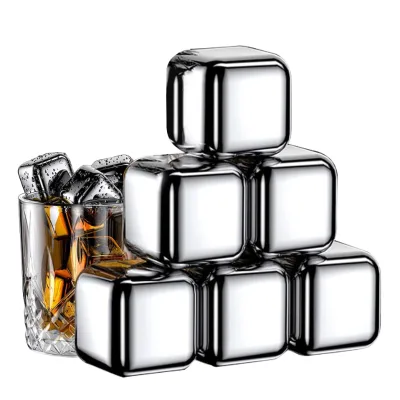
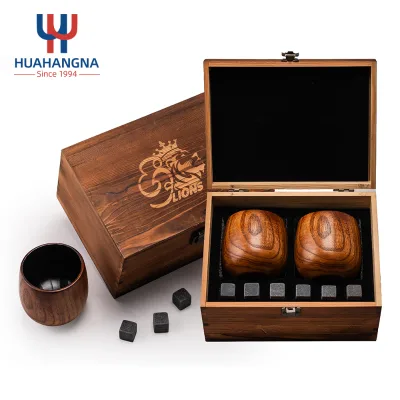
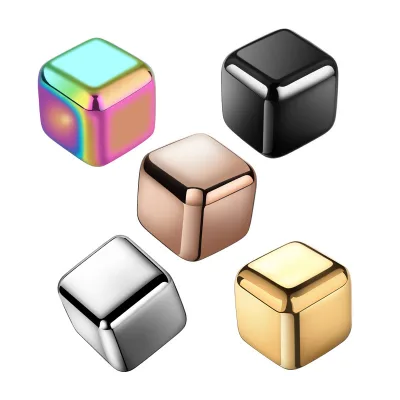
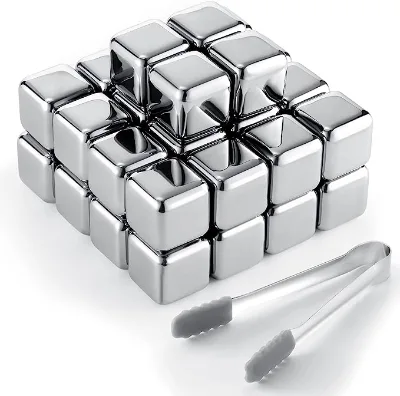
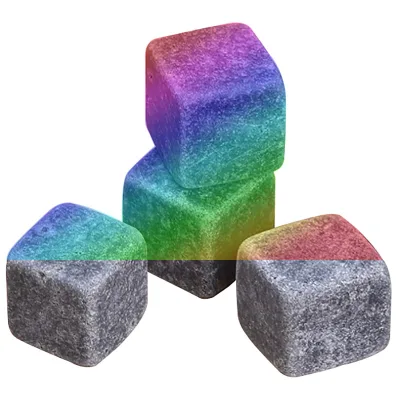
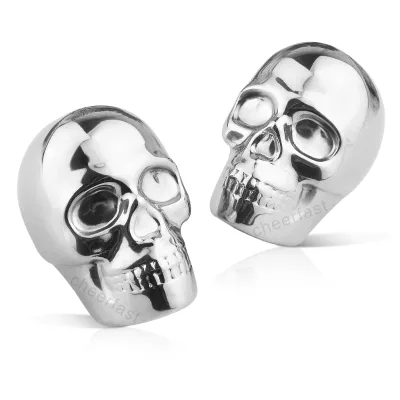
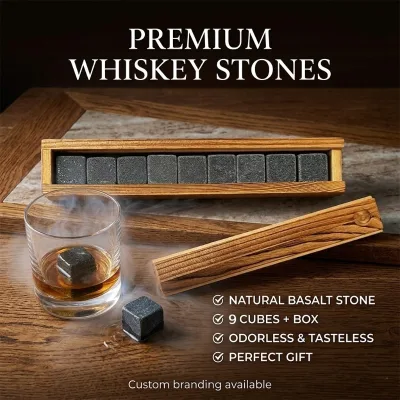
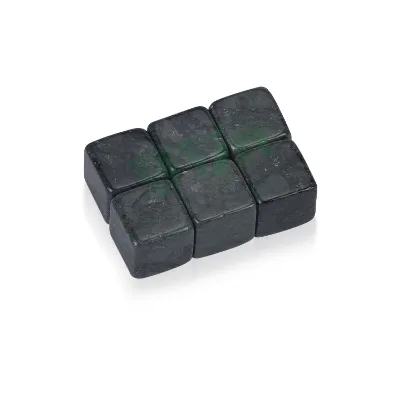
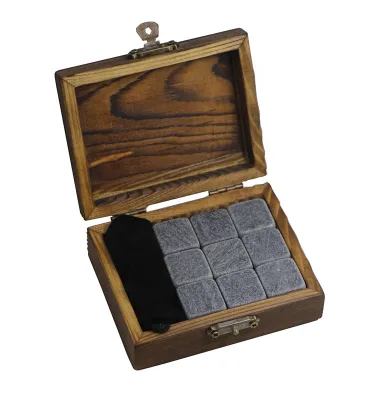
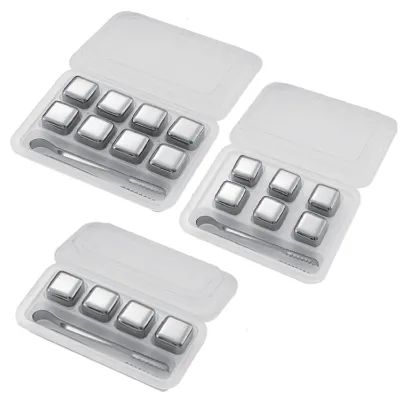


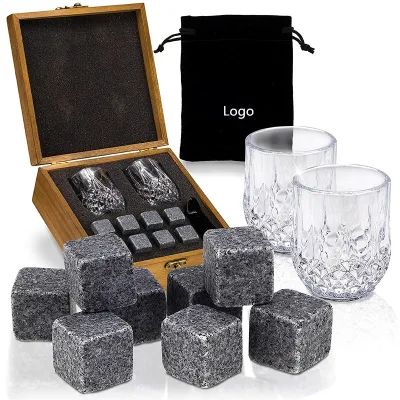
Crystal Whiskey Glass and Reusable Granite Chilling Whiskey Stones Gift Set
$6.28 - $6.88
MOQ: 200 Pieces

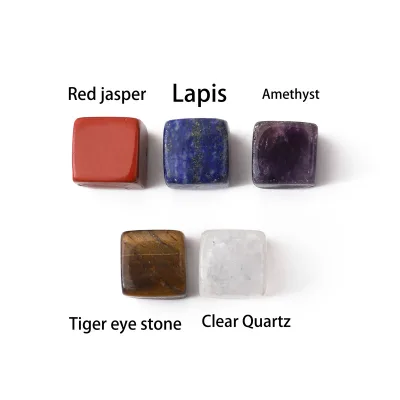


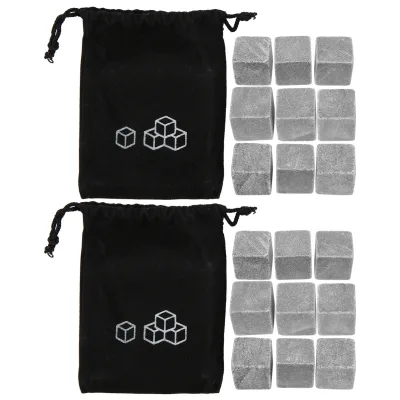


Comprehensive Sourcing Guide
Strategic Sourcing Guide for Reusable Cooling Whiskey Stones
Understanding Product Variants and Material Composition
When sourcing Reusable Cooling Whiskey Stones, buyers must first distinguish between the primary material categories available in the current market. The core functionality relies on thermal mass to chill beverages without dilution, yet the material composition dictates the tactile experience, durability, and safety profile. Based on available product data, the market predominantly features two distinct material classes: metal-based alloys and natural stone composites.
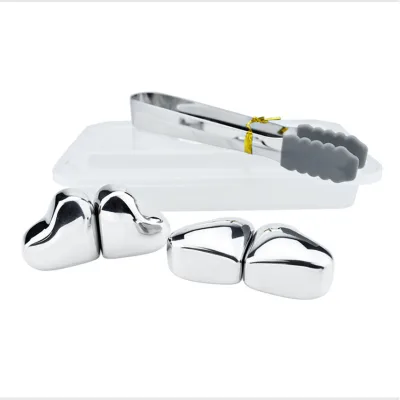
The metal variant typically utilizes stainless steel, specifically grade 304, which offers a robust, non-porous surface. These units are often described as having a classic or novelty style and are available in finishes such as silver or gold. The thermal properties of these metal stones are defined by a heat resistance range of -20℃ to 150℃, ensuring they remain stable during freezing and do not degrade when placed in warm environments. Conversely, the stone-based category utilizes natural materials, often marketed as "natural whisky cooling stones." These items frequently present in dark grey or transparent clear variations and are designed to mimic the aesthetic of traditional ice cubes while providing a heavier, more substantial feel.
The distinction is critical for procurement because the material influences the cooling rate and the sensory experience. Metal stones generally conduct cold more rapidly due to higher thermal conductivity, whereas natural stones may offer a slower, more gradual cooling effect. Buyers should verify the specific material grade and finish before finalizing orders, as the "Metal" classification often implies a specific manufacturing process involving welding or molding, while "Stone" implies cutting and polishing of natural rock. The application scope for both types is broad, covering bars, hotels, restaurants, home use, and party settings, but the choice often depends on the desired aesthetic and the specific type of spirit being served.
Technical Specifications and Functional Performance
Technical specifications for reusable cooling stones are not merely descriptive; they are functional constraints that determine suitability for commercial or retail environments. A primary specification to evaluate is the thermal tolerance range. For metal variants, the documented heat resistance spans from -20℃ to 150℃. This range confirms that the stones can withstand the extreme cold of a standard freezer without cracking or becoming brittle, while also resisting damage if accidentally exposed to higher temperatures, such as during cleaning or accidental contact with warm surfaces.
Size and packaging dimensions are equally vital for logistics and inventory planning. Product data indicates significant variance in single package sizes, ranging from compact units measuring 10x10x15 cm to larger shipments at 40x30x20 cm. This variance often correlates with the quantity per package and the inclusion of accessories. For instance, a set containing 100 pieces may require a significantly larger footprint than a sample unit. Buyers must also consider the single gross weight, which can vary from 1.0 kg to 2.0 kg per package depending on the material density and volume.
Functionality is the core value proposition. The primary function is chilling the whisky or other beverages. While some listings mention specific dimensions like 27cm, this likely refers to the length of a serving tray or a specific set configuration rather than the individual stone size. Most standard stones are small cubes or spheres designed to fit easily into standard whiskey glasses. The feature set typically includes being eco-friendly, reusable, and washable. These attributes are essential for reducing waste and aligning with sustainability goals. The "Eco-Friendly" claim is supported by the reusable nature of the product, which eliminates the need for single-use ice. Additionally, the "Washable" attribute implies that the material does not absorb odors or flavors, a critical requirement for maintaining the purity of expensive spirits.
Compliance, Certification, and Safety Standards
In the food and beverage sector, compliance is non-negotiable. Buyers must verify that all reusable cooling stones meet rigorous safety standards to ensure they do not leach harmful substances into beverages. The supply chain data highlights several key certifications that serve as indicators of quality and safety. These include CE / EU, which signifies conformity with health, safety, and environmental protection standards for products sold within the European Economic Area.
Furthermore, specific food-contact certifications are paramount. The presence of LFGB (German Food and Feed Code) and FDA (U.S. Food and Drug Administration) marks indicates that the materials have been tested for food safety. The LFGB standard is particularly stringent regarding the migration of substances from the product into food and drink. SGS certification is another critical indicator, representing third-party verification of product quality and safety. CIQ (China Inspection and Quarantine) and EEC (European Economic Community) marks further validate the product's compliance with international trade and safety regulations.
Buyers should not assume that all listed products possess every certification mentioned in a general catalog. Instead, they must request specific test reports for the exact batch or model they intend to purchase. The documentation should explicitly state that the material (whether metal or stone) is safe for direct contact with alcohol and acidic beverages. The "Lfgb" and "Sgs" certifications mentioned in the data suggest a high level of scrutiny regarding chemical migration. For products intended for the European market, the CE mark is mandatory, while FDA compliance is essential for the United States. The absence of these certifications in a supplier's portfolio should be treated as a red flag, as it indicates a potential failure to meet basic food safety requirements.
Cost Drivers and Minimum Order Quantity Analysis
The cost structure of reusable cooling stones is influenced by several variables, including material type, customization level, and order volume. The observed price range in the market spans from $0.06 to $12.50 USD. This wide disparity is not arbitrary; it reflects differences in unit pricing based on the scale of purchase and the complexity of the product. The lower end of the spectrum likely corresponds to bulk metal stones or simple stone sets with minimal packaging, while the higher end may include premium glass sets, custom branding, or specialized packaging.
Minimum Order Quantity (MOQ) is a significant factor in procurement strategy. Data indicates that MOQs can range from as low as 1 piece for samples to 2000 pieces for large commercial orders. Specific listings show MOQs of 50 pieces, 100 sets, or 500 pieces. This variability allows buyers to tailor their initial orders to their risk tolerance. For a buyer testing a new market, an MOQ of 50 pieces or a sample order is ideal. However, for established retailers, an MOQ of 100 sets or more may be necessary to achieve economies of scale and reduce the per-unit cost.
Customization is another major cost driver. Suppliers often support customized logos and printing, which adds to the unit cost. The acceptance of "Customized Printing" and "Customized Logo" suggests that buyers can brand the stones for corporate events or retail packaging. However, this customization typically requires a higher MOQ and longer lead times. The payment terms, often structured as a 30% deposit and 70% balance before loading, also impact cash flow. Buyers should calculate the total landed cost, including shipping, which is influenced by the single gross weight and package dimensions. Heavier stone-based products will incur higher freight costs compared to lighter metal alternatives.
Supplier Evaluation and Operational Logistics
Evaluating suppliers requires a focus on their operational capabilities and logistical reliability. The place of origin for these products is primarily in China, with specific mentions of Hubei and Zhejiang provinces. These regions are known for their manufacturing clusters in metalworking and stone processing. Buyers should verify the specific factory location to assess the supply chain maturity and potential for on-site audits.
Sample availability is a critical step in the supplier evaluation process. Most suppliers indicate that samples are available, with sample times ranging from 15 to 25 days. This lead time is longer than typical for standard consumer goods, suggesting that samples may be custom-made or require specific quality checks. Buyers should factor this timeline into their product launch schedules. The ability to accept customized sizes and logos further indicates a flexible manufacturing process, but it also necessitates clear communication of specifications to avoid errors.
Payment terms are standardized in the industry, with a common structure of a 30% deposit and 70% balance before loading. This arrangement protects both parties but requires the buyer to have sufficient liquidity. The "Selling Units" are typically listed as single items, but the actual transaction often involves bulk sets. Buyers must clarify whether the price quoted is per piece or per set to avoid confusion. Additionally, the "Stocked" attribute in some listings suggests that certain standard items are available for immediate shipment, which can significantly reduce lead times compared to custom orders.
Quality Control and Long-Term Procurement Strategy
Implementing a robust quality control (QC) strategy is essential for maintaining brand reputation. Given the direct contact with food and beverages, visual inspection and material testing are mandatory. Buyers should request pre-shipment inspections to verify that the stones are free from sharp edges, cracks, or discoloration. For metal stones, checking for corrosion resistance and finish consistency is vital. For stone stones, ensuring uniform weight and size is important for a professional presentation.
The "Reusable" and "Washable" features imply that the product must withstand repeated cleaning cycles. Buyers should verify that the stones do not lose their finish or structural integrity after multiple washes. The "Eco-Friendly" claim should be backed by the durability of the product; a stone that chips easily after a few uses fails the sustainability promise. Long-term procurement considerations include the availability of replacement parts or sets, as well as the supplier's ability to maintain consistent quality over time.
| Feature | Metal Variant | Stone Variant |
|---|---|---|
| Material | 304 Stainless Steel | Natural Stone |
| Heat Resistance | -20℃ to 150℃ | Not Specified (General Thermal Mass) |
| Color Options | Silver, Gold | Dark Grey, Transparent Clear |
| Style | Classic, Novelty | Novelty |
| Certifications | CE, LFGB, SGS | FDA, LFGB, CE |
| MOQ Range | 50 pcs - 100 sets | 100 sets - 500 pcs |
| Weight | ~1.0 kg (Single Package) | ~2.0 kg (Single Package) |
Sourcing Reusable Cooling Whiskey Stones requires a balance of technical due diligence, compliance verification, and strategic negotiation. By focusing on the specific material properties, certification requirements, and logistical constraints outlined above, buyers can build a reliable supply chain that delivers high-quality, safe, and sustainable products for the global market. The key is to treat product attributes as observations to be verified rather than guaranteed claims, ensuring that every procurement decision is grounded in evidence and rigorous testing.
FAQs
What certifications do Reusable Cooling Whiskey Stones have?
These stones typically carry CE, EU, LFGB, SGS, CIQ, and EEC certifications. Buyers must verify specific test reports for the exact batch to ensure food safety compliance for direct contact with alcohol.
Which materials are used for Reusable Cooling Whiskey Stones?
The market offers two main types: 304 stainless steel metal and natural stone composites. Metal variants provide rapid cooling while natural stones offer a heavier feel and slower thermal release.
How much is the minimum order quantity for these stones?
Minimum order quantities range from 1 piece for samples to 2000 pieces for bulk orders. Specific listings often require 50 pieces, 100 sets, or 500 pieces depending on the supplier and customization level.
Can I get customized logos on these cooling stones?
Yes, suppliers support customized logos and printing for these products. This customization option allows for branding but typically requires meeting higher minimum order quantities and longer lead times.
What is the heat resistance range for metal whiskey stones?
Metal variants have a heat resistance range of -20℃ to 150℃. This ensures they remain stable during freezing and resist damage if accidentally exposed to higher temperatures during cleaning.
Where are these products typically manufactured?
Products originate primarily from Hubei and Zhejiang provinces in China. These regions are known for manufacturing clusters in metalworking and stone processing relevant to this product category.
What are the payment terms for ordering these stones?
Standard payment terms require a 30% deposit and a 70% balance before loading. Buyers should calculate total landed costs including shipping, which varies by package weight and dimensions.