Source Reusable Coffee Cup and Saucer Set for Cafes, Hotels, Home
Explore 30 Reusable Coffee Cup and Saucer Set options to compare ceramic materials, capacities, and customization features. This guide helps buyers evaluate styles and specifications for commercial or personal use; compare the available evidence and request quotations based on your requirements.
Key considerations
Products List


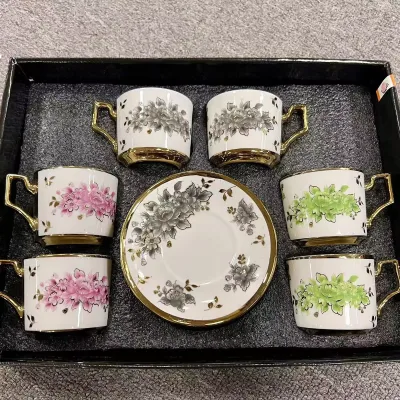
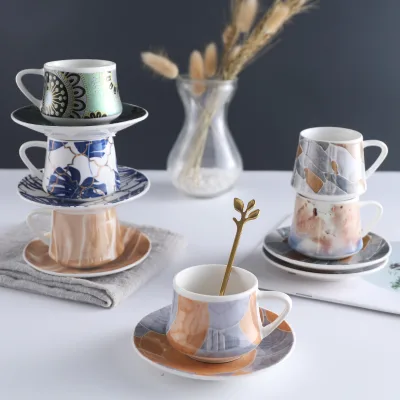
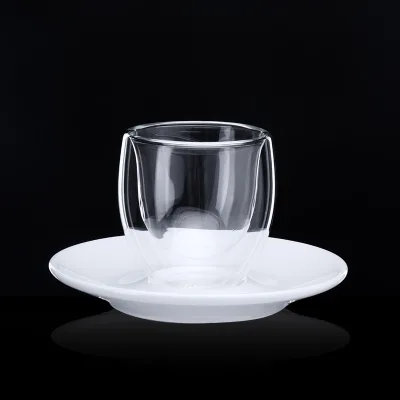


Exquisite Unique Bag Shaped Fine Porcelain Espresso Coffee Cup and Saucer Set
$4.88 - $15.68
MOQ: 2000 Pieces


Lead-Free and Cadmium-Free Tea Milk Cup Custom Ceramic Coffee Cup Saucer Set
$0.50 - $1.50
MOQ: 5000 Sets

Comprehensive Sourcing Guide
Reusable Coffee Cup and Saucer Set Sourcing Guide
Procuring reusable coffee cup and saucer sets requires a strategic approach that balances aesthetic appeal with functional durability for commercial environments. Buyers must first define the specific use case, whether for high-volume cafes, luxury hotels, or promotional campaigns, as this dictates material selection and design complexity. The market offers diverse options ranging from simple, eco-friendly ceramic designs to more elaborate, color-changing pieces that serve as marketing tools. Understanding these distinctions is crucial for aligning product selection with brand identity and operational needs.
The sourcing landscape is characterized by significant variability in customization options and production capabilities. Many suppliers offer extensive personalization, including logo printing, color variations, and tailored packaging, which is essential for businesses seeking unique brand differentiation. However, this flexibility introduces complexity in quality control and consistency. Buyers need to establish clear specifications early in the process to ensure that the final products meet both aesthetic expectations and practical requirements for daily use in demanding hospitality settings.
Product Scope and Observed Listing Signals
The current market presents a wide array of ceramic and glass coffee cup and saucer sets, with observed price points ranging from $0.35 to $99 per unit. This broad range reflects differences in material quality, design intricacy, and customization levels. For instance, basic white or black ceramic sets may sit at the lower end, while luxury royal styles or those with special features like color-changing properties command higher prices. Buyers should carefully evaluate these price signals against their budget constraints and the perceived value they intend to deliver to their end customers.
Minimum order quantities (MOQs) vary significantly, typically ranging from 5 to 5000 sets, allowing flexibility for both small businesses and large enterprises. Some suppliers offer low MOQs for standard stock items, facilitating trial orders, while others require higher volumes for customized designs to justify production setup costs. Additionally, product types include cappuccino, espresso, and general coffee sets, with capacities ranging from 75ml to 250ml. Buyers must match these specifications to their menu offerings and customer preferences to ensure optimal functionality and customer satisfaction.
Technical Specifications to Verify
Verifying technical specifications is critical to ensuring the cups and saucers meet operational demands. Key dimensions to confirm include cup diameter, height, and saucer diameter, as these affect stacking, storage, and handling efficiency. For example, standard espresso cups may have a diameter of around 6.6-6.7cm and a height of 5-6.5cm, while cappuccino cups are larger. Buyers should request detailed dimensional data for each product variant to ensure compatibility with existing equipment, such as dishwashers and shelving units, and to maintain consistency across their service offerings.
Material composition and finish are equally important factors that influence durability and user experience. Most listed products are made from ceramic or pottery, often featuring a glossy finish that enhances aesthetic appeal and ease of cleaning. Some sets are designed to withstand high temperatures, which is essential for serving hot beverages safely. Buyers should verify the material's thermal shock resistance and ensure that the finish is food-safe and non-toxic. Additionally, features like eco-friendliness and durability should be confirmed through supplier documentation to align with sustainability goals.
Compliance and Safety Documentation
Ensuring compliance with food safety standards is paramount when sourcing reusable drinkware. Buyers must request relevant certifications, such as ISO 9001 for quality management or BSCI for social compliance, to verify that suppliers adhere to recognized industry standards. These certifications indicate a commitment to consistent quality and ethical manufacturing practices, reducing the risk of product defects or supply chain disruptions. While specific certification status may vary by supplier, buyers should prioritize those who can provide verifiable documentation to mitigate potential legal and reputational risks.
Food contact safety is another critical area requiring thorough verification. Buyers should ensure that all materials used in the cups and saucers are compliant with local and international food safety regulations, such as FDA or EU standards. This includes verifying that glazes and coatings do not leach harmful substances into beverages. Suppliers should provide test reports or declarations of conformity for their products. Additionally, buyers should inquire about the sourcing of raw materials to ensure they are free from contaminants and suitable for repeated use in commercial settings.
Cost Drivers and Commercial Terms
Several factors influence the total cost of ownership for reusable coffee cup and saucer sets, including material costs, customization complexity, and order volume. Customization options such as logo printing, color variations, and special packaging can significantly increase unit prices, especially for smaller orders. Buyers should negotiate volume discounts and clarify whether customization costs are included in the quoted price. Understanding these cost drivers helps in budgeting accurately and avoiding unexpected expenses during the procurement process.
Commercial terms, including payment methods, shipping arrangements, and lead times, also impact overall costs. Suppliers may offer various shipping options, such as sea, train, or air freight, each with different cost and time implications. Buyers should compare these options based on their urgency and budget constraints. Additionally, clear terms regarding packaging, such as standard export cartons with cups and saucers packed separately, can affect shipping efficiency and product protection. Establishing transparent commercial terms early in the negotiation process helps prevent disputes and ensures smooth transaction execution.
Supplier Qualification and Quality Control
Evaluating supplier qualifications is essential to ensure reliable and consistent product quality. Buyers should assess suppliers' production capabilities, including their factory size, equipment, and workforce expertise. Suppliers located in established manufacturing hubs, such as Chaozhou in Guangdong, China, often have access to skilled labor and advanced production technologies. Buyers should request factory audits or virtual tours to verify these capabilities and ensure that the supplier can meet their volume and quality requirements consistently.
Quality control processes are another critical factor in supplier selection. Buyers should inquire about the supplier's QC procedures, including incoming material inspections, in-process checks, and final product testing. Suppliers with robust QC systems are more likely to deliver products that meet specified standards and minimize defects. Buyers should also establish clear acceptance criteria and inspection protocols for incoming shipments. Implementing a sampling plan for quality verification can help identify potential issues early and ensure that the delivered products align with the agreed-upon specifications.
Long-Term Procurement Checks
Establishing long-term procurement checks is vital for maintaining product quality and supplier performance over time. Buyers should conduct regular performance reviews with their suppliers, assessing factors such as delivery reliability, product consistency, and responsiveness to issues. These reviews help identify areas for improvement and strengthen the business relationship. Additionally, buyers should monitor market trends and supplier innovations to stay competitive and ensure that their product offerings remain relevant and appealing to customers.
Continuous improvement initiatives should be integrated into the procurement strategy to drive efficiency and value. Buyers should encourage suppliers to adopt sustainable practices and explore new materials or designs that enhance product appeal and functionality. Regular communication and collaboration with suppliers can foster innovation and lead to cost-saving opportunities. By maintaining a proactive approach to supplier management, buyers can ensure a steady supply of high-quality reusable coffee cup and saucer sets that meet their evolving business needs and customer expectations.
FAQs
What customization options are available for ceramic coffee cup and saucer sets?
Customization is available for logo, color, and packaging. Buyers can select from multicolor or specific shades like white, black, blue, green, purple, and orange. The sets support printed fancy designs and glossy finishes. This allows brands to tailor the aesthetic for promotion or daily use in cafes and hotels.
Which specifications are offered for ceramic cappuccino cup and saucer sets?
Specifications include a 250ml capacity with a cup diameter of 10.5cm and height of 6.5cm. The accompanying saucer has a diameter of 15.5cm. Another model features a 200ml capacity with a cup size of 9.7cm by 6.3cm and a saucer of 14.5cm by 2.2cm. These dimensions suit standard serving needs.
Can buyers source ceramic espresso cup and saucer sets with high temperature resistance?
Yes, the ceramic material withstands high temperatures, making it suitable for hot beverages. The sets are designed for durability and eco-friendly usage. They feature a round shape and are packed separately in standard export cartons. This ensures safe transport and practical application in restaurants and hotels.
What is the typical MOQ for ordering ceramic coffee cup and saucer sets?
The minimum order quantity is 1000 sets. This threshold applies to standard customization requests involving logos and specific packaging. Buyers should note that MOQs can range from 5 to 5000 depending on the supplier and specific product requirements. Confirming the exact MOQ is essential for budget planning.
Where are these ceramic coffee cup and saucer sets manufactured?
The products originate from Guangdong, China, specifically Chaozhou. This region is known for ceramic production. The items are shipped via sea, train, or air. Buyers can expect standard export carton packing. The origin ensures access to established manufacturing infrastructure and reliable supply chain logistics for international orders.
What styles are available for luxury royal ceramic coffee cup and saucer sets?
Styles include luxury royal and contemporary designs. The sets feature simple aesthetics with glossy finishes. They are available in various colors such as white, black, blue, green, purple, and orange. These styles cater to diverse interior themes for cafes, restaurants, and hotels, ensuring a versatile presentation for daily use.