Source Wireless Rechargeable Infrared Head Massager for Home SPA Office
Compare 30 listings of Wireless Rechargeable Infrared Head Massager units featuring vibration, heating, and pulse functions. Buyers can evaluate models with USB charging, battery options, and customization support from Chinese manufacturers.
Key considerations
Products List


Intelligent Air Compression Heating Vibration Scalp Massage Head Massager
$19.00 - $21.00
MOQ: 100 Pieces


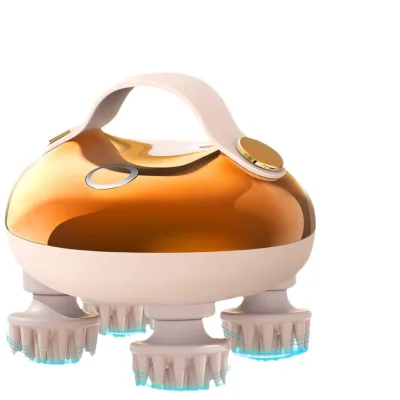


Remote Control Intelligent Neck Shoulder Massager Electric Neck Massager
$9.30 - $10.50
MOQ: 50 Pieces


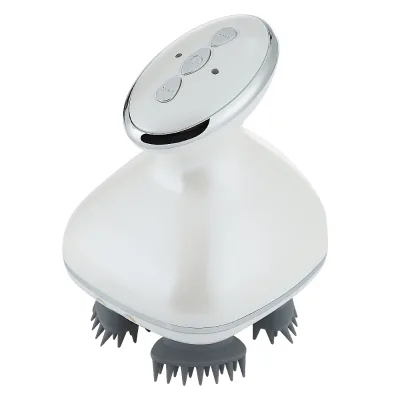


Rechargeable Intelligent Helmet Head Massager for Improve Sleep Quality
$42.00 - $100.00
MOQ: 1 Pieces
Comprehensive Sourcing Guide
Strategic Sourcing Guide for Wireless Rechargeable Infrared Head Massagers
Understanding the Technical Landscape of Infrared Head Massagers
When sourcing a Wireless Rechargeable Infrared Head Massager, buyers must first distinguish between the various operational principles and power architectures that define the product category. The market offers devices that rely on different mechanisms to deliver therapeutic benefits, ranging from simple vibration to complex thermal and pulse technologies. Based on observed product attributes, the core functionality often integrates electric power supplies with specific principles such as vibration, pressure, or heat. For instance, some units utilize a "Hot" principle combined with vibration to simulate a deep tissue massage, while others focus on pulse methods to stimulate specific areas.
The power delivery system is a critical differentiator. While some models operate on standard battery power, the specific requirement for "rechargeable" units points to integrated battery systems. Observed specifications indicate battery capacities such as 800mAh, which suggests a balance between portability and runtime. The presence of USB connectivity is a standard feature in modern rechargeable units, allowing for versatile charging options via power banks, computers, or wall adapters. The power supply type is explicitly noted as "Rechargeable" in several product profiles, confirming that the device does not rely on disposable cells.
Material composition also plays a significant role in the user experience and durability. The primary housing materials observed include ABS (Acrylonitrile Butadiene Styrene), often combined with PC (Polycarbonate) and Silicone. The use of ABS provides a rigid, lightweight shell that is resistant to impact, while the inclusion of Silicone ensures a soft, skin-friendly contact surface, particularly for the massage head components. This combination is essential for devices intended for prolonged contact with the neck, shoulder, or head. The weight of these units varies, with specific models noted at 0.3kg or 250g, indicating a design focus on ergonomics and ease of handling without sacrificing structural integrity.
Defining Functional Specifications and Application Scenarios
The functional capabilities of a Wireless Rechargeable Infrared Head Massager extend beyond simple mechanical movement. Buyers should evaluate the specific application scenes where the device is intended to be used. Common scenarios include home use, office environments, and professional spa settings. The suitability for office workers is a distinct attribute, suggesting that these devices are often designed for compact use during breaks or while seated at a desk. The "Application Scene" data points to a versatility that allows the product to serve both personal relaxation and professional therapeutic needs.
Key functional attributes to verify include the type of control interface and the intensity of the massage. Some models feature a "Digital Display," which allows users to monitor settings such as time, intensity, or mode. The vibration intensity is often adjustable, with mechanisms described as "Changing The Current Intensity," enabling users to customize the pressure and frequency to their comfort level. The "Massage Head" is a critical component, acting as the primary interface for delivering the therapeutic effect. Infrared functionality, often implied by the "Hot" principle, adds a thermal layer to the mechanical massage, aiming to improve blood circulation and relax muscles in the neck and shoulder regions.
The following table summarizes the observed functional and physical attributes relevant to this product category:
| Attribute Category | Observed Specifications | Relevance to Procurement |
|---|---|---|
| Power Source | Rechargeable, Battery (800mAh), Electric | Determines portability and charging infrastructure needs. |
| Connectivity | USB (With USB) | Indicates compatibility with standard charging cables and adapters. |
| Material | ABS, PC, Silicone | Affects durability, weight, and skin safety. |
| Weight | 0.3kg, 250g | Critical for ergonomic design and user comfort. |
| Function | Timing, Beauty, Vibration, Pressure, Hot | Defines the therapeutic modes and user experience. |
| Control | Digital Display, Pulse Method | Indicates user interface sophistication and customization. |
| Target Area | Neck, Shoulder, Head | Ensures the device matches the intended anatomical focus. |
| Packing | Plastic Bag with Cartoon Box, Color Box, Single Item | Impacts retail presentation and shipping logistics. |
Compliance, Certification, and Safety Standards
In the realm of electrical wellness devices, compliance with safety standards is paramount. While specific certification statuses for individual units in the current dataset are marked as low-confidence or background information, buyers must rigorously verify that any supplier can provide valid documentation for relevant certifications. The industry generally looks for compliance with standards such as CE (Conformité Européenne) and RoHS (Restriction of Hazardous Substances), which are frequently cited in the broader context of such products. However, these should be treated as verification targets rather than assumed facts for every listed item.
Buyers should request proof of compliance from the supplier before finalizing any order. This includes verifying that the electrical components, particularly the battery and charging circuits, meet safety requirements to prevent overheating or electrical hazards. The "Heating" principle mentioned in some product attributes necessitates additional scrutiny to ensure that the thermal elements do not exceed safe temperature limits for skin contact. Furthermore, the materials used, such as ABS and Silicone, should be verified for non-toxicity and durability, especially since the device is in direct contact with the user's skin.
It is also important to check for any regional standards that may apply to the destination market. For instance, if the product is being imported into the United States, UL or ETL certification might be required, whereas the European market typically demands CE marking. The absence of explicit certification data in the general product list does not imply non-compliance, but it does place the onus on the buyer to demand and validate these documents. The supplier's ability to provide a test report or a certificate of conformity is a key indicator of their reliability and adherence to international safety norms.
Cost Drivers and Pricing Structure Analysis
The pricing of wireless rechargeable infrared head massagers is influenced by a complex interplay of factors, including material quality, technological complexity, and customization options. The observed price range in the market spans from approximately $0.76 to $100, a wide variance that reflects differences in product tiers, from basic models to premium units with advanced features like digital displays and heating elements. The lower end of the spectrum likely corresponds to simpler designs with basic vibration functions, while the higher end includes devices with multiple modes, superior materials, and enhanced battery capacities.
Material costs are a significant driver. The use of high-grade ABS, PC, and Silicone increases the unit cost compared to cheaper plastics. Additionally, the inclusion of a rechargeable battery with a capacity of 800mAh or higher adds to the manufacturing expense. The complexity of the electronic components, such as the circuitry required for pulse control, heating elements, and digital displays, also contributes to the final price. Customization options, which are noted as "Available" in the product attributes, can further influence costs. OEM (Original Equipment Manufacturer) services allow buyers to brand the product, but this often involves setup fees and minimum order quantities (MOQ) that can affect the per-unit price.
The MOQ range observed spans from 1 to 1000 units, offering flexibility for different types of buyers. Small retailers or startups may find the lower MOQs attractive for testing the market, while larger distributors might negotiate better pricing by ordering in bulk. The packing method also impacts costs; options like "Color Box" or "Carton" with specific quantities per carton (e.g., 60 PCS) affect the overall logistics and packaging expenses. Buyers should analyze the total landed cost, including shipping, duties, and packaging, rather than focusing solely on the unit price, to make an informed procurement decision.
Supplier Evaluation and Manufacturing Capabilities
Selecting the right supplier is a critical step in the sourcing process. The observed data indicates that products originate from specific locations, such as China and Nantong, which are known manufacturing hubs for electronics and wellness devices. When evaluating potential suppliers, buyers should verify their production capacity, quality control processes, and ability to meet customization requirements. The "Company" attribute lists "Hexi" as a potential entity, but buyers should not rely on a single name and should instead conduct due diligence on multiple candidates.
Key criteria for supplier evaluation include their experience with OEM and ODM (Original Design Manufacturer) services. Since customization is available, suppliers should demonstrate a track record of adapting products to specific branding or functional requirements. The ability to provide samples is another important factor, allowing buyers to physically inspect the product quality, material feel, and functionality before committing to a large order. Buyers should also assess the supplier's lead times and their ability to scale production to meet demand fluctuations.
Transparency in the supply chain is essential. Buyers should request detailed information about the manufacturing process, including the sourcing of raw materials and the assembly procedures. The "prod_packing" attributes, such as "Plastic Bag with Cartoon Box" or "Single Item," suggest that suppliers have established packaging protocols. However, buyers should ensure that the packaging meets their specific retail requirements and protects the product during transit. The "Qty/CTN" (Quantity per Carton) data, such as 60 PCS, helps in planning logistics and warehousing, so suppliers should be able to provide accurate carton dimensions and weight specifications.
Quality Control and Long-Term Procurement Considerations
Implementing a robust quality control (QC) strategy is vital to ensure that the wireless rechargeable infrared head massagers meet the expected standards. Given the electrical nature of the products, QC should focus on battery safety, heating element performance, and the durability of the mechanical components. Buyers should consider implementing a pre-shipment inspection process that tests a random sample of units for functionality, including the charging cycle, vibration intensity, and heating capabilities. The "Weight" and "Color" attributes should also be verified to ensure consistency across the batch.
Long-term procurement considerations involve building a sustainable relationship with the supplier. This includes establishing clear communication channels, agreeing on quality standards, and defining protocols for handling defects or returns. The "Application" attributes, such as "Home, SPA, Office," suggest that the product has a broad market appeal, but buyers should also consider the potential for product obsolescence. As technology evolves, features like USB charging and digital displays may become standard, so suppliers should be capable of updating their product lines to meet changing consumer expectations.
Buyers should also plan for after-sales support, including the availability of spare parts and technical assistance. The "Component" list, which includes the "Massage Head," indicates that certain parts may wear out over time. Ensuring that the supplier can provide replacement parts or offer repair services can extend the lifecycle of the product and enhance customer satisfaction. Additionally, buyers should monitor market trends and consumer feedback to continuously refine their product offerings and maintain a competitive edge in the wellness device market.
FAQs
How is the power supply configured for these massagers?
The devices utilize a rechargeable electric power supply, often featuring an 800mAh battery capacity. This design ensures portability and allows for versatile charging via USB connectivity without relying on disposable cells.
What materials are used to construct the device housing?
Manufacturers typically combine ABS with PC and Silicone to build the main structure. This material mix provides a rigid, lightweight shell while ensuring the massage head remains soft and skin-friendly for direct contact.
Which functional principles do these units employ for massage?
Common operational principles include vibration, pressure, and heat, often integrated with pulse methods. Some models also feature timing functions and digital displays to allow users to adjust intensity and customize their therapy session.
Can buyers request customization and OEM services for these products?
Yes, customization is available, and OEM services are accepted by many suppliers. This allows buyers to brand the product with their own logo or specific design requirements, subject to agreed minimum order quantities.
What are the typical weight and dimensions for these units?
Observed weights range from 250g to 0.3kg, ensuring ergonomic handling during use. Standard packing dimensions vary, with some units measuring approximately 17x9x3 cm or 24x24x100mm depending on the specific model configuration.
Where are these products typically manufactured and shipped from?
Production origins are primarily located in China, with specific manufacturing hubs noted in Nantong. These locations serve as the central points for distribution to global markets requiring reliable supply chains for wellness electronics.
What packaging options are available for retail distribution?
Suppliers offer various packing methods including plastic bags with cartoon boxes, color boxes, or single item packaging. Bulk shipments often use cartons containing 60 pieces, with specific carton sizes like 63x37x53 cm for logistics.