Source Reusable Makeup Remover Towel for Home, Hotel, and Salon
Find 30 options for Reusable Makeup Remover Towel products suitable for home, hotel, and salon use. Compare features like quick-dry microfiber and bamboo fiber materials, along with customization and OEM services available from suppliers; compare the available evidence and request quotations based on your requirements.
Key considerations
Products List


Microfiber Beauty Cleansing Face Wash Cloth Facial Towels Makeup Remover Towel
$0.25 - $0.50
MOQ: 500 Pieces


Microfiber Makeup Remover Wash Cloth Reusable Makeup Remover Facial Cloth
$0.35 - $0.55
MOQ: 500 Pieces


Facial Cleansing Towels Soft Makeup Wipes Make up Remover Disposable Face Towels
$0.09 - $0.11
MOQ: 5000 Pieces


Ultra Soft Microfiber Cleaning Cloth Makeup Remover Towel for All Skin Types
$0.38 - $0.39
MOQ: 5000 Pieces

New Design Microfiber Reusable Water Cleansing Women Makeup Remover Cloth
$0.10 - $2.00
MOQ: 1000 Pieces


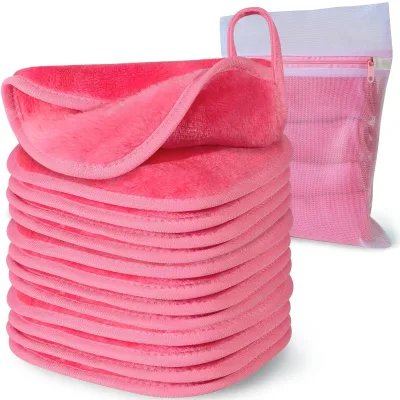


Disposable Make up Remover Facial Cleansing Towel Baby Wipe Tissue Towel
$1.00 - $1.20
MOQ: 50000 Pieces

Face Disposable Towel Custom Logo Cosmetic Make up Remover Disposable Face Towel
$1.00 - $1.20
MOQ: 50000 Pieces
Comprehensive Sourcing Guide
Reusable Makeup Remover Towel Sourcing Guide
The market for reusable makeup remover towels presents a distinct category of microfiber and bamboo fiber products designed for repeated use in personal care and professional settings. Buyers must distinguish these durable textiles from disposable nonwoven alternatives, noting that observed listings include specific models like L1227 and MA201 with varying dimensions such as 18x40cm or 25x30cm. Understanding these physical distinctions is critical before initiating contact with suppliers, as the material composition directly impacts the product's absorbency, softness, and longevity in daily use.
Procurement strategies should focus on verifying the specific fabric type, as listings indicate both microfiber and bamboo fiber options are available for this application. The observed product attributes highlight features like quick-drying capabilities and hypoallergenic properties, which are essential for targeting combination skin types and female demographics. Buyers should prioritize suppliers who explicitly confirm the rectangular or square shapes and plain or solid color patterns, ensuring the final product aligns with the intended commercial buyer segments such as supermarkets, hotels, and salons.
Product Scope and Observed Listing Signals
Buyers must carefully analyze the observed price range of 0.03 to 3 USD to understand the tiered value proposition across different material qualities and customization levels. This wide variance suggests that lower-priced items may be standard microfiber cloths with minimal branding, while higher-priced units likely incorporate bamboo fiber, custom logos, or specialized packaging configurations. It is essential to correlate the unit price with the minimum order quantity, which ranges from 100 to 200,000 units, to determine the most cost-effective volume for your specific business needs.
The listing signals reveal a strong emphasis on customization, with options for customer logos, customized colors, and tailored packaging sizes like 1PC per OPP bag or 50PCS per pack. Suppliers frequently offer free samples, allowing buyers to physically verify the claimed advantages of being eco-friendly, soft, and comfortable before committing to large orders. However, buyers should remain vigilant regarding the "Different Colors" and "Multicolor" descriptors, ensuring that the final production run matches the specific color standards required for your brand identity or retail display.
Technical Specifications to Verify
Technical verification must begin with the physical dimensions, as observed standards vary significantly between 18x40cm, 25x30cm, and 40x70cm options depending on the specific product model. Buyers should confirm the exact size required for their target application, whether it is a compact travel towel or a larger salon towel, and ensure the supplier can consistently maintain these tolerances during mass production. The weight specification of 300GSM is a critical indicator of fabric density and durability, so verifying that the delivered goods meet this weight standard is necessary to guarantee the product's performance and longevity.
Beyond dimensions and weight, the material composition and functional attributes require strict validation against the product claims. While listings mention microfiber and bamboo fiber, the specific blend ratio and weave density determine the towel's ability to remove makeup effectively without damaging the skin. Buyers must also verify the shelf life of five years and the folded state of the product, ensuring that the packaging protects the item from moisture and degradation during storage and transit to the final point of sale.
Compliance and Safety Documentation
Safety documentation is paramount for products intended for direct skin contact, particularly for users with combination skin types or sensitive facial areas. Buyers should request and review certificates such as ISO 9001, GMPC, and MSDS to confirm that the manufacturing processes adhere to recognized quality and safety management systems. These documents provide evidence that the supplier maintains controlled environments and uses materials that do not contain harmful substances, which is a prerequisite for selling in regulated markets like the European Union or North America.
In addition to general quality certifications, specific chemical safety data is required to ensure the towels are hypoallergenic and safe for repeated use in hotels, spas, and salons. The presence of MSDS (Material Safety Data Sheet) indicates that the supplier has assessed the chemical composition of the fibers and any dyes used, confirming the absence of irritants. Buyers must ensure that the provided documentation is current and matches the specific batch of goods being ordered, as certifications can vary between different production runs or supplier facilities.
Cost Drivers and Commercial Terms
Commercial terms are heavily influenced by the level of customization requested, including the application of customer logos and the selection of specific colors or packaging formats. While the base unit price may appear low, the cost structure often shifts significantly when moving from standard white or solid colors to customized multicolor options or branded packaging. Buyers should negotiate clearly on whether the setup costs for logo printing and color matching are included in the unit price or charged as a separate one-time fee to avoid unexpected expenses.
Lead times and payment terms are critical factors that impact the overall procurement timeline and cash flow management. Observed delivery times of 30 days upon order confirmation and payment receipt set a baseline for planning, but this duration can extend if the order requires complex customization or if the supplier is managing high-volume production. Buyers must clarify the exact payment milestones and ensure that the 30-day window is realistic for their specific order size, which can range from small batches of 100 units to massive orders of 200,000 units.
Supplier Qualification and Quality Control
Supplier qualification should prioritize manufacturers who explicitly offer OEM and ODM services, indicating a capacity to adapt their production lines to meet specific buyer requirements. The ability to accept custom orders suggests a flexible manufacturing process, but buyers must verify the supplier's track record in handling similar projects for commercial buyers like supermarkets and hospitality chains. It is advisable to request references or case studies that demonstrate the supplier's ability to maintain consistency across large production runs while adhering to the specified technical standards.
Quality control protocols must be established before production begins to ensure that the final products meet the agreed-upon specifications for weight, size, and material. Buyers should implement a pre-shipment inspection process that checks for defects in the microfiber or bamboo fiber fabric, ensuring the towels are properly folded and packaged in OPP bags or custom packs. Regular quality audits during the production phase can help identify issues early, preventing the shipment of non-compliant goods that could damage the buyer's reputation in the market.
Long-Term Procurement Checks
Long-term procurement success depends on establishing a reliable supply chain that can consistently deliver products with a five-year shelf life and high-quality performance. Buyers should monitor the supplier's ability to maintain the hypoallergenic and quick-dry features over time, as these attributes are key selling points for the Reusable Makeup Remover Towel category. Regular re-evaluation of the supplier's quality control measures and adherence to safety certifications ensures that the product remains safe and effective for end-users in various settings like homes, hospitals, and salons.
Sustainability and environmental impact are increasingly important factors for long-term partnerships, especially given the eco-friendly advantages highlighted in product listings. Buyers should verify that the supplier continues to use sustainable materials like bamboo fiber and maintains eco-conscious manufacturing practices to align with growing consumer demand for green products. Establishing a feedback loop with the supplier to discuss potential improvements in packaging, material sourcing, or production efficiency can help both parties adapt to changing market trends and regulatory requirements.
FAQs
What materials are used for reusable makeup remover towels?
Reusable makeup remover towels are typically crafted from microfiber or bamboo fiber fabrics. These materials provide a soft, hypoallergenic surface that effectively removes makeup without harsh chemicals. The microfiber variant offers quick-dry properties, while bamboo fiber ensures eco-friendly comfort. Both options suit combination skin types and are designed for gentle, daily facial cleansing routines.
Can I customize the logo on these towels?
Yes, customization is available for most reusable makeup remover towels. Buyers can request their own logo to be printed on the product. This service supports OEM and ODM requirements, allowing brands to tailor the appearance. The towels often come in various colors, including multicolor or solid options, to match specific brand identities or marketing campaigns effectively.
What are the standard sizes for these towels?
Standard sizes for reusable makeup remover towels include dimensions like 18x40cm, 25x30cm, and 40x70cm. Some products are also available in square shapes. These dimensions cater to different usage scenarios, from compact facial cleansing to larger spa applications. Customized sizes can often be arranged to meet specific packaging or functional needs for retail or hotel use.
How are the towels packaged for shipping?
Towels are commonly packaged individually in OPP bags, with one piece per bag. Bulk shipments may use export packaging standards to ensure safety during transit. Some variants come in packs of fifty pieces for convenience. The packaging is designed to maintain hygiene and protect the fabric quality, ensuring the product arrives ready for retail display or immediate use in hotels and salons.
What certifications do these towels typically hold?
Many reusable makeup remover towels hold certifications such as ISO 9001, GMPC, and MSDS. These credentials verify quality management and safety standards for cosmetic and sanitary products. Such certifications are crucial for buyers in the global market, ensuring compliance with international regulations. They provide assurance regarding the material safety and manufacturing processes used in producing these facial care items.
What is the typical lead time for orders?
The typical lead time for orders is approximately 30 days after order confirmation and payment receipt. This duration allows for production, quality control, and preparation for shipment. Buyers should account for this timeline when planning inventory replenishment. Expedited options may be available depending on the manufacturer's capacity and the specific customization requirements of the order.