Source Reusable Manual Fascia Massage Roller for Home, Office, Travel
Find and compare 30 Reusable Manual Fascia Massage Roller options from verified suppliers. Evaluate materials like PP+PU and PVC, magnetic principles, and portable designs suitable for home, office, and travel use to meet your sourcing needs.
Key considerations
Products List

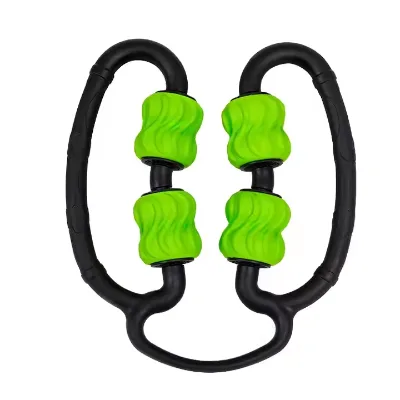


$1.86 - $5.86
MOQ: 500 Pieces


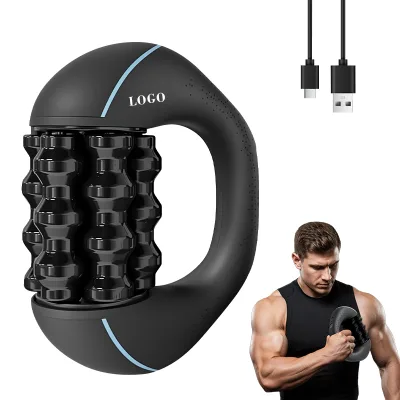


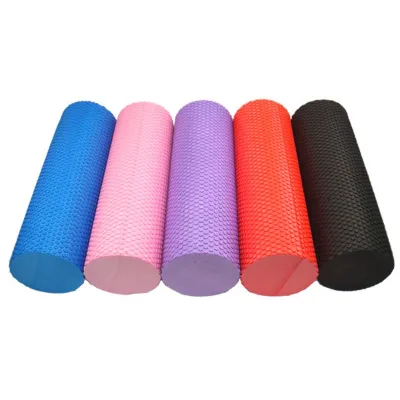
Comprehensive Sourcing Guide
Reusable Manual Fascia Massage Roller Sourcing Guide
Sourcing reusable manual fascia massage rollers requires a clear distinction between electric devices and traditional passive tools, as the market offers both but with vastly different supply chain dynamics. The core keyword focuses on manual rollers, which rely on body weight and movement to apply pressure, rather than motorized units that require batteries or USB charging. Buyers must carefully filter listings to exclude electric massagers, which often appear in broad searches due to overlapping terminology. The supplied data indicates a wide price range from $0.10 to $144.12, reflecting the disparity between basic foam rollers and complex, branded electric devices. For manual rollers, prices typically cluster in the lower to mid-range, driven primarily by material density, surface texture complexity, and packaging choices. Understanding this spectrum is critical for budgeting and identifying suppliers who specialize in passive massage tools rather than electronic wellness gadgets.
The procurement strategy for manual fascia rollers should prioritize material integrity and surface design, as these factors directly influence user experience and product durability. Common materials include high-density EVA foam, PP+PU composites, and PVC, each offering different levels of firmness and resistance. The observed listings show a variety of models, such as the IR97435A and IR97463, which often feature specific dimensions and surface patterns designed for myofascial release. Buyers should verify that the selected manual roller aligns with the intended use case, whether for deep tissue massage, post-workout recovery, or general wellness. Additionally, customization options such as logo printing, color variations, and packaging design are widely available, allowing brands to differentiate their products in a competitive market. However, customization often impacts minimum order quantities and lead times, so early negotiation on these terms is essential for successful sourcing.
Product Scope and Observed Listing Signals
The product scope for reusable manual fascia massage rollers encompasses a diverse range of designs, from smooth cylindrical rollers to textured models with acupuncture-style points or grid patterns. The supplied facts highlight several key attributes, including contact types such as "Acupuncture Type" and features like "Portable and Convenient," which are critical for buyers targeting specific consumer segments. Manual rollers are typically non-electric, as indicated by the "Power: Manual" and "Without USB" attributes in the data, distinguishing them from rechargeable electric massagers. This distinction is vital for compliance and marketing, as manual tools do not require electrical safety certifications but must meet material safety standards. The observed listings also show a variety of packaging options, including polybags, color boxes, and gift boxes, which influence the final retail price and perceived value of the product.
Observed listing signals reveal significant variation in product specifications, with models ranging from simple foam rollers to more complex designs with specific dimensions and surface textures. For instance, some models are described with standard sizes like 100x140MM or 335x140MM, while others offer customizable lengths such as 150x300/450/600/900mm, catering to different user needs and storage requirements. The presence of "Customization: Available" and "Logo Graphic Design: Laser Printing" in the data suggests that many suppliers are open to OEM and ODM services, allowing buyers to create branded products. However, buyers must be cautious of listings that mix manual and electric attributes, as this can indicate a lack of clarity in the supplier’s product catalog. Verifying the exact power source and material composition is essential to ensure that the product matches the manual fascia roller category and meets the intended functional requirements.
Technical Specifications to Verify
Technical verification for manual fascia rollers begins with material composition, as this determines the roller’s density, durability, and tactile feedback. Common materials include EVA foam, PP+PU, and PVC, each with distinct properties that affect performance. EVA foam is lightweight and flexible, suitable for beginners, while PP+PU composites offer higher density and resistance for deep tissue massage. Buyers should request material safety data sheets (MSDS) or test reports to confirm that the materials are free from harmful substances such as phthalates or heavy metals. The surface texture is another critical specification, with options ranging from smooth to textured or acupuncture-style points. The supplied data mentions "Acupuncture Type" contact, which implies a textured surface designed to target specific pressure points. Buyers must verify that the texture is consistent and does not degrade or shed after repeated use, as this can impact user safety and satisfaction.
Dimensional accuracy and structural integrity are also key technical specifications that require verification. The observed listings show a wide range of sizes, from compact travel-sized rollers to larger models designed for full-body use. Buyers should confirm the exact dimensions, including length, diameter, and weight, to ensure compatibility with their target market’s preferences. The "Package Size" and "Weight" information provided in the data, such as 6324.5016cm and 4kg/PC, highlights the importance of logistics planning, as larger or heavier rollers can increase shipping costs. Additionally, buyers should assess the roller’s load-bearing capacity and resistance to deformation under pressure. Requesting samples for physical testing is recommended to evaluate the roller’s firmness, elasticity, and overall build quality. This hands-on verification helps ensure that the product meets the functional requirements for myofascial release and provides a consistent user experience.
Compliance and Safety Documentation
Compliance and safety documentation for manual fascia rollers primarily focus on material safety rather than electrical or mechanical safety, as these products do not contain motors or batteries. Buyers should ensure that the supplier provides relevant test reports, such as those for REACH, RoHS, or CPSIA, depending on the target market. These certifications confirm that the materials used in the roller, such as EVA, PP, or PVC, are free from restricted substances and safe for skin contact. The supplied data does not explicitly mention specific certifications, so buyers must proactively request this information from suppliers. It is also important to verify that the product labeling includes accurate material composition, usage instructions, and safety warnings, such as avoiding use on injured areas or over bony prominences. Proper labeling helps mitigate liability risks and ensures that consumers use the product safely.
In addition to material safety, buyers should consider environmental and sustainability compliance, especially if targeting eco-conscious markets. Some suppliers may offer recyclable packaging or biodegradable materials, which can be a competitive advantage. The observed listings show various packaging options, including polybags and color boxes, so buyers should inquire about the recyclability of these materials. Furthermore, buyers should ensure that the supplier adheres to ethical manufacturing practices, such as fair labor standards and environmental management systems. Requesting audits or certifications like ISO 9001 for quality management or ISO 14001 for environmental management can provide additional assurance of the supplier’s commitment to compliance. By prioritizing safety and sustainability, buyers can build trust with consumers and reduce the risk of regulatory issues or product recalls.
Cost Drivers and Commercial Terms
Cost drivers for reusable manual fascia rollers include material costs, manufacturing complexity, packaging, and customization requirements. Basic foam rollers with simple designs are generally less expensive, while textured or multi-density models command higher prices due to increased production steps. The observed price range of $0.10 to $144.12 reflects this variability, with manual rollers typically falling in the lower to mid-range. Buyers should negotiate pricing based on order volume, as higher quantities often result in lower unit costs. The supplied data indicates an MOQ of 10 for some products, which is relatively low and suitable for small businesses or trial orders. However, for larger orders, buyers should aim to leverage volume discounts and negotiate favorable payment terms, such as partial upfront payments and balance upon shipment.
Commercial terms also include shipping, lead times, and after-sales support, which can significantly impact the total cost of ownership. The observed listings show a variety of packaging options, including gift boxes and cartons, which affect shipping volume and weight. Buyers should calculate the landed cost, including freight, duties, and insurance, to determine the true profitability of the product. Lead times can vary based on customization requirements and production capacity, so buyers should confirm delivery schedules early in the sourcing process. Additionally, buyers should inquire about the supplier’s return and warranty policies, as these can provide protection against defective products. By carefully evaluating cost drivers and commercial terms, buyers can optimize their procurement strategy and maximize value.
Supplier Qualification and Quality Control
Supplier qualification for manual fascia rollers involves assessing the supplier’s manufacturing capabilities, quality control processes, and track record. Buyers should verify that the supplier has experience in producing massage tools and can provide references or case studies from previous clients. The supplied data mentions a place of origin in Jiangsu, China, which is a known hub for manufacturing various consumer goods, including wellness products. Buyers should conduct factory audits or request virtual tours to evaluate the production environment, equipment, and workforce. Additionally, buyers should inquire about the supplier’s quality control procedures, such as incoming material inspections, in-process checks, and final product testing. A robust QC system ensures that each roller meets the specified standards for material, dimensions, and surface texture.
Quality control also extends to packaging and labeling, which must be accurate and consistent to avoid customer complaints. Buyers should verify that the packaging protects the product during transit and includes all required information, such as usage instructions and safety warnings. The observed listings show various packaging options, including polybags and color boxes, so buyers should specify their preferred packaging and request samples for approval. Furthermore, buyers should establish clear quality acceptance criteria, such as allowable defect rates and tolerance levels for dimensions and weight. Implementing a pre-shipment inspection (PSI) can help identify and address any quality issues before the goods are dispatched. By prioritizing supplier qualification and quality control, buyers can ensure a reliable supply of high-quality manual fascia rollers.
Long-Term Procurement Checks
Long-term procurement checks for reusable manual fascia rollers involve continuous monitoring of supplier performance, market trends, and product feedback. Buyers should establish key performance indicators (KPIs) to evaluate the supplier’s reliability, such as on-time delivery rates, defect rates, and responsiveness to issues. Regular communication and periodic audits help maintain a strong partnership and address any emerging challenges promptly. Additionally, buyers should stay informed about market trends, such as new materials, designs, or consumer preferences, to ensure that their product offerings remain competitive. The observed listings show a variety of models and customization options, so buyers should explore opportunities for innovation and differentiation.
Product feedback from end-users is another critical component of long-term procurement checks. Buyers should collect and analyze customer reviews, complaints, and suggestions to identify areas for improvement. This feedback can inform future product iterations, such as adjusting material density, surface texture, or packaging design. Furthermore, buyers should monitor regulatory changes and compliance requirements in their target markets to ensure ongoing adherence to safety and environmental standards. By maintaining a proactive approach to supplier management and product development, buyers can sustain a successful sourcing strategy and deliver value to their customers over time. This continuous improvement cycle helps build brand loyalty and market share in the competitive wellness industry.
FAQs
What materials are used for the fascia massage roller?
The product is available in silicone, PP+PU, and PVC materials. These options allow buyers to select based on durability and texture preferences for different massage applications.
Can I customize the size and logo of the roller?
Yes, customization is available for size, color, and logo. Buyers can request specific dimensions or branding through laser printing services to meet unique business requirements.
What is the minimum order quantity for this product?
The minimum order quantity is 10 units for most configurations. Some listings may allow orders starting from 1 unit, but bulk pricing typically applies to larger volumes.
How is the product packaged for shipping?
Packaging options include gift boxes, cartons, or polybags depending on the specific model. Standard package sizes vary, with some units measuring 63 by 24.50 by 16 centimeters.
Where is the product manufactured?
The products originate from Jiangsu, China. This location serves as the primary production hub for the various models listed in the catalog.
What are the available power options for the rollers?
Both electric and manual power options are available. Electric models may feature rechargeable batteries and USB connectivity, while manual versions rely on physical pressure for operation.
Which models support magnetic or acupuncture principles?
Specific models utilize magnetic principles or acupuncture-type contact points. These variants are designed for targeted relief and myofascial release applications in home or office settings.