Source Reusable Sinus Lift Instrumentation for Oral Surgery, Orthopedic, and ENT
Find 30 listings for Reusable Sinus Lift Instrumentation designed for oral surgery, orthopedic procedures, and ENT applications. Buyers can compare specifications, materials, and customization options from verified suppliers in China.
Key considerations
Products List



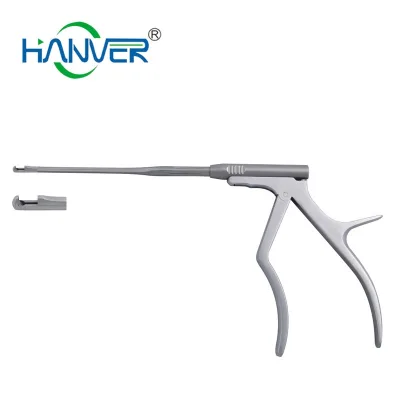

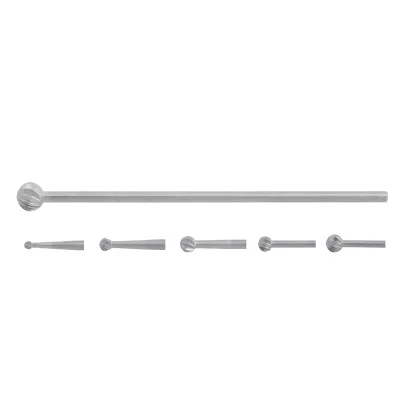
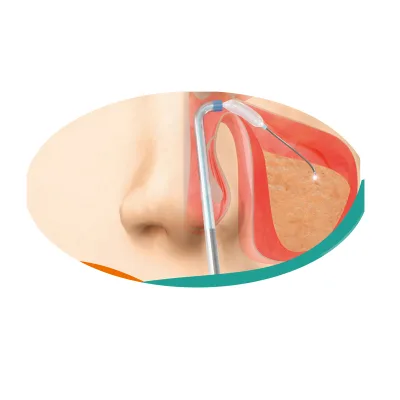


Medical Grade Cervical Spinal Instrument for Tissue Retraction with Precision
$2935.00 - $2939.00
MOQ: 1 Sets


Nx Medical Durable Anterior Cervical Plate Instrument for Spinal Fixation
$500.00 - $4000.00
MOQ: 1 Sets

Nx Medical Sugical Anterior Cervical Plate Instrument for Spinal Fixation
$500.00 - $4000.00
MOQ: 1 Sets

Nx Medical Trauma Locking Fns Instrument for Locking Femoral Neck System
$500.00 - $1599.00
MOQ: 1 Sets


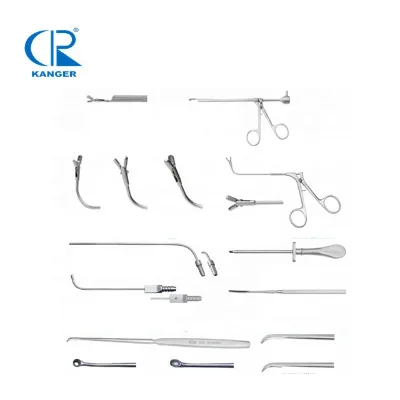
Comprehensive Sourcing Guide
Strategic Sourcing Guide for Reusable Sinus Lift Instrumentation
The procurement of Reusable Sinus Lift Instrumentation represents a critical decision point for medical device buyers, surgical supply distributors, and healthcare facility administrators. These specialized tools are designed to facilitate the elevation of the Schneiderian membrane during dental implant procedures, requiring a high degree of precision, durability, and sterility. Unlike single-use disposables, reusable instruments demand a rigorous sourcing strategy that prioritizes material integrity, sterilization compatibility, and long-term performance. This guide synthesizes available market data and technical observations to provide a structured framework for evaluating potential suppliers and products in this specialized category.
Technical Specifications and Material Composition
The foundational requirement for any sinus lift instrument is the material composition, which directly dictates the tool's longevity and resistance to corrosion. Analysis of the current market reveals a predominant reliance on high-grade metals, specifically medical-grade stainless steel and general steel alloys. The distinction between these materials is vital; medical-grade stainless steel offers superior biocompatibility and resistance to the harsh chemicals used in sterilization cycles, whereas standard steel may require more frequent replacement or specific handling protocols.
Buyers must scrutinize the specific alloy grades listed in product specifications. While some listings indicate "Metal" as a generic descriptor, more precise entries specify "medical grade stainless steel," which is the preferred standard for instruments intended for repeated use in oral surgery environments. The mechanical properties of the instrument, such as the cutting edge of rongeurs or the rigidity of elevators, must be maintained through thousands of sterilization cycles.
Furthermore, the design of the instrumentation often includes specific features such as rotatable heads or detachable components. For instance, certain models are identified as "Detachable Rongeur Rotatable," suggesting a modular design that may facilitate easier cleaning or replacement of specific worn parts. The size specifications are equally critical, as sinus anatomy varies significantly among patients. Available data indicates a range of sizes, including specific measurements like 3mm, 3.5mm, and 4mm, alongside broader categories described as "Many Systems and Sizes According to Your Any Requi." Procurement strategies should ensure that the selected supplier can provide a comprehensive set of sizes to accommodate diverse surgical needs without necessitating multiple vendor relationships.
Compliance, Certification, and Regulatory Standards
Navigating the regulatory landscape is perhaps the most complex aspect of sourcing reusable surgical instruments. The primary certification observed in the market for these devices is the CE mark, which indicates conformity with health, safety, and environmental protection standards for products sold within the European Economic Area. However, the presence of a CE mark alone does not guarantee compliance with all local regulations; buyers must verify the specific scope of the certification relative to the intended market of operation.
Instrument classification is another critical compliance metric. The market data presents a mix of classifications, including "Class I" and "Class II" instruments. Class I devices are generally considered low-risk, while Class II devices present a moderate level of risk and often require more stringent oversight. For sinus lift instruments, which involve direct contact with bone and membranes, understanding the specific classification assigned by the manufacturer is essential for regulatory alignment. Buyers should verify that the supplier's classification aligns with the regulatory requirements of the destination country, as misclassification can lead to customs delays or legal liabilities.
Additionally, the standard of the product itself is a point of verification. While some listings indicate "customize" as the standard, others reference specific packaging standards like "1pc/bag." This inconsistency highlights the need for buyers to explicitly define the required standards in their request for quotation (RFQ). Whether the instrument adheres to a specific ISO standard or a custom manufacturer standard, the documentation must be clear and verifiable. The "Instrument classification" and "Certification" fields in supplier data sheets should be cross-referenced with local health authority requirements to ensure full compliance before purchase.
Cost Drivers and Pricing Dynamics
The pricing structure for Reusable Sinus Lift Instrumentation is influenced by several factors, including material quality, customization options, and packaging specifications. The observed price range in the market spans from $1 to $4,000 USD, a wide variance that reflects the difference between individual components and complete sets or specialized systems. A single instrument, such as a specific rongeur or elevator, typically falls on the lower end of this spectrum, while comprehensive kits or systems with advanced features may command higher prices.
Material costs are a primary driver; instruments made from medical-grade stainless steel generally cost more than those made from standard steel due to the higher raw material costs and the additional processing required to ensure biocompatibility. Customization is another significant cost factor. The availability of "Customization" as a feature suggests that buyers can request specific modifications, such as unique handle shapes, specialized tip geometries, or custom branding. These bespoke requests inevitably increase the unit cost and may affect the minimum order quantity (MOQ).
Packaging also plays a role in the final cost. Data indicates variations in packaging, ranging from "10PCS/Plastic Box" to "1PC/Bag" or "Carton." Bulk packaging solutions like cartons may reduce per-unit shipping costs but require more storage space. Conversely, individual bagging ensures sterility preservation but may increase the overall unit price. Buyers should evaluate the total cost of ownership, including storage, handling, and potential waste, rather than focusing solely on the sticker price. The MOQ for these products is notably flexible, with many suppliers offering an MOQ of just 1 piece, which allows for low-risk trial orders before committing to larger volumes.
Typical Applications and Surgical Utility
Reusable Sinus Lift Instrumentation is primarily designed for use in oral surgery, specifically within the context of dental implantology. The core application involves the elevation of the sinus floor to create space for bone grafting and subsequent implant placement. The versatility of these instruments is evident in their classification as "Specialized Instrument Equipment" suitable for "Oral Surgery" and "Ear Surgery" contexts, although the primary focus remains on maxillofacial procedures.
The specific utility of these tools is often defined by their type. For example, "Sinus Lifting Instruments" and "Mastoid retractors" serve distinct functions. Retractors are used to hold back soft tissue to provide a clear view of the surgical site, while elevators and rongeurs are used to carefully lift the membrane and remove bone. The "Detachable Rongeur Rotatable" feature mentioned in product data suggests a design intended to improve access in confined spaces, allowing the surgeon to adjust the angle of the cutting head without removing the instrument from the mouth.
Furthermore, the applicability extends to various departments within a surgical setting. While "Oral Surgery" is the primary department, the specialized nature of the equipment may also see use in "Ears, Eyes, Nose and Throat Surgical Instruments" departments, particularly for procedures involving the maxillary sinus. Buyers should ensure that the selected instruments match the specific procedural requirements of their surgical team. The "Nature" of the equipment as "Specialized Instrument Equipment" underscores the need for surgeons to be trained in the specific handling and manipulation of these tools to prevent tissue damage.
Supplier Evaluation and Origin Verification
When evaluating potential suppliers, the geographical origin of the product is a key indicator of manufacturing capabilities and supply chain reliability. The market data highlights production origins in major Chinese manufacturing hubs, including Shanghai, Hebei, and Zhejiang. These regions are known for their robust medical device manufacturing ecosystems, but the specific location can influence lead times, shipping costs, and the quality control processes employed.
Suppliers located in Shanghai, Hebei, and Zhejiang often have established logistics networks, which can facilitate faster delivery times. However, buyers must verify the specific "Place of Origin" listed for each product, as some listings may generalize the origin while the actual manufacturing occurs in a different facility. The "Lzq Official Website" is mentioned as a specific reference point, indicating that some suppliers maintain a direct digital presence for product verification.
Brand reputation and after-sales support are equally critical. The presence of specific brand names like "HANVER" suggests that some manufacturers offer branded products with dedicated support channels. Buyers should look for suppliers that provide "Online Technical Support" and "Return and Replacement" services, as these indicate a commitment to customer satisfaction and product reliability. The availability of "OEM" (Original Equipment Manufacturer) services is another positive indicator, suggesting that the supplier has the capacity to produce custom-branded instruments, which can be valuable for distributors looking to build their own brand identity.
Quality Control and Long-Term Procurement Considerations
Ensuring the long-term viability of Reusable Sinus Lift Instrumentation requires a robust quality control (QC) framework. The "Shelf Life" of these instruments varies, with observed data indicating periods of 1 year and 2 years. This discrepancy suggests that shelf life may depend on the specific packaging, material treatment, or storage conditions recommended by the manufacturer. Buyers must verify the recommended shelf life and ensure that their inventory management systems can accommodate these timelines to prevent the use of expired or degraded instruments.
Warranty terms are another essential component of long-term procurement. A "1 Year" warranty is a common offering, providing a safety net against manufacturing defects. However, the scope of the warranty should be clearly defined. Does it cover material failure, or does it exclude damage resulting from improper sterilization or handling? The "After-sale Service" options, such as "Return and Replacement," should be evaluated to understand the process for claiming warranty support.
Sterilization compatibility is a paramount QC consideration. Since these instruments are reusable, they must withstand repeated autoclaving or chemical sterilization without degrading. The material specification of "medical grade stainless steel" is a strong indicator of this capability, but buyers should request test data or certification confirming the instrument's resistance to corrosion and mechanical fatigue after a specified number of cycles. The "Single gross weight" and "Single package size" data provided in listings can also serve as proxies for material density and build quality, though they should not be the sole basis for assessment.
Finally, buyers should consider the scalability of their procurement. The ability to order small quantities (MOQ of 1) allows for initial testing, but the supplier must be capable of scaling up production to meet the demands of a growing surgical practice or hospital network. The "Customization" availability suggests that suppliers can adapt to changing needs, but this should be balanced against potential increases in lead time and cost. A strategic approach involves establishing a long-term partnership with a supplier who can provide consistent quality, reliable lead times, and responsive support throughout the lifecycle of the instrumentation.
Comparative Analysis of Product Attributes
To facilitate decision-making, the following table summarizes key attributes observed in the market for Reusable Sinus Lift Instrumentation. This comparison highlights the variability in specifications that buyers must navigate.
| Attribute Category | Observed Variations | Procurement Implication |
|---|---|---|
| Material | Steel, Metal, Medical Grade Stainless Steel | Prioritize medical-grade stainless steel for durability and biocompatibility. |
| Classification | Class I, Class II | Verify alignment with local regulatory requirements for surgical instruments. |
| Packaging | 1PC/Bag, 10PCS/Plastic Box, Carton | Assess storage needs and sterility preservation requirements. |
| Origin | Shanghai, Hebei, Zhejiang | Evaluate logistics costs and lead times based on specific factory location. |
| Warranty | 1 Year | Confirm scope of coverage and claim procedures for defects. |
| Customization | Available | Determine if bespoke designs are necessary for specific surgical protocols. |
| Power Source | Electric, Manual | Most sinus lift tools are manual; electric options may indicate powered systems. |
| MOQ | 1 PCS | Low barrier to entry for trial orders and small-scale procurement. |
This table underscores the importance of a detailed RFQ process. Buyers should not assume that all products labeled as "Sinus Lifting Instruments" share the same attributes. Instead, they must explicitly request specifications regarding material grade, certification status, and packaging to ensure the selected product meets their specific clinical and operational needs. By adhering to these rigorous evaluation criteria, procurement teams can secure high-quality, reliable instrumentation that supports safe and effective surgical outcomes.
FAQs
What materials are used for reusable sinus lift instruments?
These instruments are primarily constructed from medical-grade stainless steel or general steel alloys. Medical-grade stainless steel is preferred for its superior biocompatibility and resistance to harsh sterilization chemicals compared to standard steel.
Which certifications do these surgical instruments typically hold?
Many products in this category carry the CE certification indicating conformity with European safety standards. Buyers must verify that the specific certification scope aligns with local regulatory requirements for Class I or Class II medical devices.
How are these instruments packaged for shipping and storage?
Packaging varies from individual bags containing one piece to plastic boxes holding ten pieces or larger cartons. The specific packaging type affects sterility preservation and storage requirements, so buyers should confirm the unit packing details before ordering.
Can buyers request custom specifications for these instruments?
Yes, customization is available for many models to meet specific surgical needs or branding requirements. Suppliers can often modify sizes, tip geometries, or handle shapes, though this may impact the minimum order quantity and unit pricing.
What is the typical minimum order quantity for these tools?
The minimum order quantity is often as low as one piece, allowing for low-risk trial orders. This flexibility enables buyers to evaluate product quality and performance before committing to larger volume purchases for their surgical inventory.
Where are these medical instruments typically manufactured?
Production origins are commonly located in major Chinese manufacturing hubs such as Shanghai, Hebei, and Zhejiang. These regions offer robust supply chains, but buyers should verify the specific place of origin listed for each product to ensure quality control standards.
What warranty and after-sales support are provided?
Standard offerings often include a one-year warranty covering manufacturing defects along with return and replacement services. Additional support may include online technical assistance, ensuring buyers have resources for troubleshooting and instrument maintenance.