Source RF Microneedling Machine for Face Body and Belly
Explore 24 options for an rf microneedling machine for face body and belly. Compare CE/ISO13485 certified models with adjustable depths, multiple RF frequencies, and portable designs suitable for salon and commercial use; compare the available evidence and request quotations based on your requirements.
Key considerations
Products List


Comprehensive Sourcing Guide
RF Microneedling Machine for Face Body and Belly Sourcing Guide
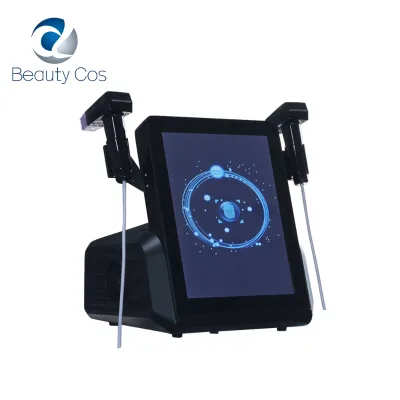
Buyers must first distinguish between portable and non-portable units, as the market data reveals a split in product design where some devices are explicitly labeled portable while others are non-portable. This distinction dictates whether the equipment is suitable for mobile salon services or fixed installation in a commercial clinic. Understanding this physical constraint is the primary step in aligning the machine with your specific operational workflow and space requirements.
The core technology relies on Radio Frequency (RF) energy, often combined with fractional microneedling to target deep dermal layers. Listings indicate applications for the face, neck, and body, with specific models supporting treatments for large pores and skin tightening. Procurement teams should verify that the selected unit explicitly supports the intended treatment areas, such as the belly, to ensure the device can deliver the promised aesthetic results for all target zones.
Product Scope and Observed Listing Signals
The observed product range includes specific models like A0133, A0152, and KSY115, each offering distinct configurations for professional use. Buyers should note that while some units are marketed as multi-functional beauty equipment, others focus on specific mechanisms like monopolar or bipolar RF systems. It is critical to match the model number to the specific treatment goals, as the feature set varies significantly between devices designed for general skin tightening versus those specialized for fractional microneedling.
Listing signals also highlight the presence of dual operation modes, such as fractional RF micro-needle and sub-lativ options, which expand the versatility of the equipment. The market data shows a price range from 229 to 2600 USD, reflecting differences in power output, display size, and included accessories like disposable tips. Buyers must carefully review the product description to confirm if the listed price includes the complete package or if additional consumables are required for immediate operation.
Technical Specifications to Verify
Technical verification begins with the RF frequency and energy output, as observed specifications range from 2MHz to 4MHz with maximum power outputs reaching up to 300W in some high-end units. Buyers should confirm the exact frequency range required for their target skin depth, ensuring the machine can penetrate effectively without causing surface damage. The adjustable needle depth, typically ranging from 0.5mm to 7mm, is another critical parameter that must be validated against the specific treatment protocols for face and body applications.
The physical interface and control systems are equally important, with some units featuring 10.4-inch LCD displays and foot switches for hands-free operation. Buyers must verify the electrical requirements, which generally support AC/100-240V, 50-60Hz, to ensure compatibility with local power grids. Additionally, the weight and dimensions, such as the 20kg weight and specific millimeter measurements, should be checked to confirm the unit fits within the designated treatment room and can be safely moved if necessary.
Compliance and Safety Documentation
Safety compliance is non-negotiable, and buyers must demand proof of CE and ISO13485 certifications for any RF equipment intended for commercial or salon use. These certifications indicate that the device meets international standards for medical device safety and quality management systems, which is essential for liability protection and regulatory adherence. Procurement teams should request the specific certificate documents directly from the supplier rather than relying on marketing claims to ensure the product has undergone rigorous third-party testing.
Beyond general certifications, buyers should verify the safety features built into the machine, such as the adjustable treatment levels and specific needle configurations. The presence of disposable tips, including micro-electrode needles and nano options, helps maintain hygiene standards between clients, which is a critical requirement for any facility treating multiple patients daily. Ensuring that the supplier provides clear documentation on how these safety features function is vital for maintaining a safe treatment environment.
Cost Drivers and Commercial Terms
The cost of these machines is driven by several factors, including the maximum energy output, the complexity of the RF system, and the inclusion of multiple handles or specialized tips. Units with higher wattage, such as those reaching 300W, or those offering advanced features like ice hammers and microcrystal treatments, will command a higher price point within the observed 229-2600 USD range. Buyers should analyze the total cost of ownership, considering not just the initial purchase price but also the cost of replacement consumables like needles and tips.
Commercial terms often include a minimum order quantity of 1PC, making these devices accessible for small clinics and individual practitioners. However, buyers must clarify the warranty terms, which are typically listed as one year, and understand what specific components are covered under this agreement. It is also essential to confirm the packaging standards, such as air boxes or complete packages, to ensure the equipment arrives without damage and that all necessary accessories are included in the initial shipment.
Supplier Qualification and Quality Control
Supplier qualification requires a thorough review of the product origin, which is consistently listed as China for the observed models. Buyers should verify the manufacturer's production capabilities and their history of exporting medical or beauty equipment to ensure they have the infrastructure to support international orders. While specific supplier names should not be assumed, the consistency of the product models and specifications suggests a mature manufacturing base that buyers can leverage for reliable sourcing.
Quality control processes must be validated through the supplier's adherence to the stated product standards, such as the 302020cm packaging dimensions and the specific model numbers provided. Buyers should request a pre-shipment inspection report or a video demonstration of the machine in operation to confirm that the physical attributes match the listing. This step ensures that the delivered unit meets the expected performance criteria and that the supplier maintains consistent quality across their production batches.
Long-Term Procurement Checks
Long-term procurement success depends on the availability of after-sales support and the reliability of the warranty service. Buyers should establish clear communication channels with the supplier to address potential technical issues, such as display failures or RF output inconsistencies, that may arise after the initial one-year warranty period. A robust support network is essential for maintaining operational continuity in a busy salon or clinic environment where downtime can directly impact revenue.
Finally, buyers must plan for the lifecycle of consumables, ensuring a steady supply of compatible needles and tips like the 10pin, 25pin, and 64pin options. The longevity of the machine is often tied to the quality of these disposable components, so securing a reliable supply chain for these items is crucial. Regular maintenance checks and the availability of spare parts should be discussed with the supplier to ensure the equipment remains functional and safe for years of continuous use.
FAQs
What certifications do these RF microneedling machines have?
These machines typically hold CE and ISO13485 certifications, ensuring compliance with international medical device standards for salon and commercial use. This validation supports safe operation in professional settings, allowing buyers to verify regulatory adherence before procurement. Always confirm specific documentation with the supplier to ensure the unit meets local jurisdictional requirements for aesthetic equipment.
Can the needle depth be adjusted on these devices?
Yes, the needle depth is adjustable, typically ranging from 0.5 to 3 mm depending on the specific model. This adjustability allows practitioners to target different skin layers for optimal treatment results. The system often features a 10.4-inch LCD display to monitor settings precisely, ensuring consistent and safe application across various treatment areas.
What is the minimum order quantity for these machines?
The minimum order quantity is generally one piece, making it accessible for individual salons or clinics to start using the equipment. This low MOQ reduces initial investment risk and allows for trial purchases. Buyers can often customize packaging or specifications, facilitating easier integration into existing business operations without requiring bulk inventory commitments.
How does the RF frequency affect treatment outcomes?
The RF frequency, often around 2MHz or within a 2-4MHz range, penetrates the skin to stimulate collagen production and tighten tissues. This specific frequency range is effective for reducing wrinkles and improving skin texture. The energy output, which can reach up to 50W, ensures sufficient power for visible results while maintaining safety protocols during facial and body treatments.
What treatment areas are supported by these machines?
These machines are designed for face, neck, and body treatments, addressing issues like large pores and skin laxity. The portable or non-portable designs accommodate various salon layouts. With multiple handles and adjustable depths, practitioners can effectively treat diverse zones, ensuring comprehensive aesthetic solutions for clients seeking non-invasive skin rejuvenation and tightening procedures.
What warranty is provided for the RF equipment?
A standard one-year warranty is typically provided, covering manufacturing defects and ensuring operational reliability. This support period allows buyers to verify performance and address any technical issues promptly. The warranty often includes access to technical support, helping salons maintain continuous service delivery and protect their investment in professional-grade aesthetic equipment for long-term business success.