Source RFID Blood Collection Monitor for Hospitals and Labs
Compare 30 verified products featuring the RFID Blood Collection Monitor for blood banks, hospitals, and mobile donation centers. View specifications including measuring ranges, power supply options, and sterilization methods to find the right equipment for your facility.
Key considerations
Products List


Hot Sale Laboratory Equipment Blood Collection Monitor with High Quality
$340.00 - $400.00
MOQ: 1 Pieces


Biobase Lab Blood Collection Monitor Bcm-4 Blood Bank Equipment Blood Monitor
$150.00 - $305.00
MOQ: 1 unit


Biobase Blood Collection Monitor Blood Bank Instrument Blood Collection Monitor
$199.00 - $799.00
MOQ: 1 unit

Biobase Blood Collection Monitor Blood Bag Weigh Monitor for Blood Bank
$200.00 - $350.00
MOQ: 5 Pieces

Biobase Blood Collection Monitor LED Blood Collection Monitor for Laboratory
$150.00 - $400.00
MOQ: 1 set


Biobase Blood Collection Monitor Bcm-12b Blood Collection LED Display Monitor for Lab
$350.00 - $799.00
MOQ: 1 unit


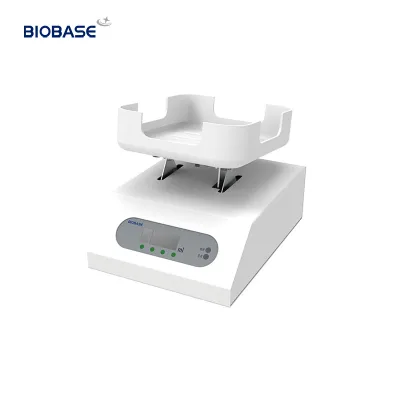
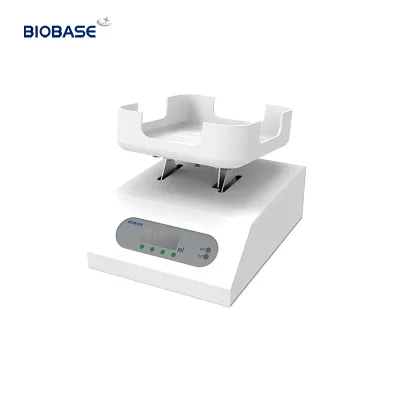


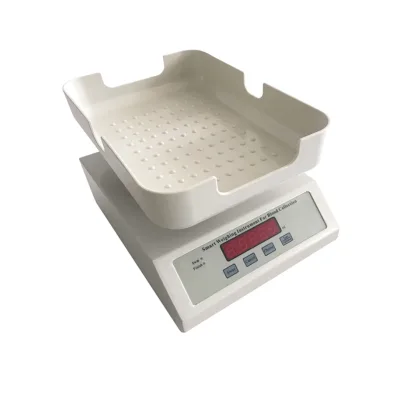


Sy-B170 Automated Real-Time Tracking Laboratory Equipment Blood Collection Monitor
$199.00 - $529.00
MOQ: 1 Pieces

Sy-B170 Hospital and Clinic 1200ml Rapids Result Lab Equipment Blood Collection Monitor
$199.00 - $529.00
MOQ: 1 Pieces
Comprehensive Sourcing Guide
Strategic Sourcing Guide for RFID-Enabled Blood Collection Monitoring Systems
The procurement of blood collection monitoring systems, often referred to as blood weighing instruments, represents a critical intersection of medical device accuracy, operational efficiency, and regulatory compliance. While the core keyword "RFID Blood Collection Monitor" suggests a specific technological focus on radio-frequency identification for tracking, the actual market landscape for these devices is defined by their primary function: precise measurement and monitoring of blood volume during collection. Buyers must navigate a complex array of technical specifications, from measuring ranges and resolution to power supply requirements and sterilization methods. This guide provides a disciplined framework for evaluating potential suppliers and products, ensuring that procurement decisions are grounded in verified data rather than marketing assertions.
Technical Specifications and Operational Parameters
When evaluating blood collection instruments, the primary technical differentiator is the accuracy and range of the weighing mechanism. The devices observed in the current market segment typically feature a measuring range that spans from 400ml to 1200ml, catering to both single-donation and multi-donation scenarios. For instance, specific models are designed with a 400ml range, while others support a broader 0-1200ml capacity. The resolution of these instruments is equally critical; observed data indicates resolutions of 2ml or display accuracies of 1ml, which are essential for ensuring that the collected volume meets strict medical standards.
The mechanical operation of these devices often involves a swinging motion to facilitate the collection process. Suppliers list swing frequencies ranging from 30r/Min to 30-32 R/Min, with swing angles typically set at 13±2°. This mechanical consistency ensures that the blood flows smoothly into collection tubes without causing hemolysis or clotting. The static error, a measure of the device's inherent measurement deviation, is observed to be ±2g in certain configurations. Buyers must verify that the static error remains within acceptable limits for their specific clinical protocols.
Power and battery specifications vary significantly across the product line. Some units operate on a standard AC power supply of 100-240V, 50/60Hz, or AC110/220V±10%, 50/60Hz, making them suitable for various international grid standards. For portable or backup scenarios, lithium batteries are common, with observed specifications including 12V, 5000mAh capacity and a battery life of approximately 3 hours. The power consumption for these instruments is generally low, with some models rated at 12W. Environmental constraints are also vital; the operating ambient temperature is typically specified between 5ºC and 40ºC, ensuring reliability in standard clinical environments.
Compliance, Certification, and Sterilization Standards
Regulatory compliance is non-negotiable in the medical device sector. Buyers must verify that the product carries recognized certifications. The supply chain data indicates that ISO certification is a standard attribute for these instruments, signifying adherence to international quality management systems. However, the absence of a specific certification claim for a particular listing should not be interpreted as a lack of compliance; rather, it necessitates a direct request for the certificate from the supplier.
Sterilization is another critical compliance factor, particularly for components that come into direct contact with blood or patients. The observed product attributes include Ethylene Oxide Sterilization, a standard method for medical equipment. This process ensures that the device, or its consumable parts like needle holders and collection tubes, is free from viable microorganisms. Buyers should confirm that the sterilization method aligns with local regulatory requirements, as some regions may have specific preferences or restrictions regarding ethylene oxide residues.
Material composition also plays a role in compliance and durability. The devices are constructed from a combination of materials, including plastic and stainless steel. Stainless steel components are often used for structural integrity and resistance to corrosion, while plastic parts may be utilized for housings or specific functional elements. The classification of these devices as "Biological Diagnostics" further underscores the need for rigorous quality control and adherence to medical device standards.
Cost Drivers and Pricing Dynamics
The pricing of blood collection monitoring systems is influenced by a complex matrix of factors, including technical complexity, material costs, and customization options. The observed price range in the market is extensive, spanning from $0.08 to $1104. This vast disparity suggests that the market includes both low-cost consumable components, such as individual collection tubes or needle holders, and high-end complete instrumentation systems.
For the complete weighing instruments, the cost is driven by the inclusion of advanced features such as dual audio and visual alarms, automatic collection finish notifications, and high-precision sensors. The presence of a lithium battery and the complexity of the power supply system also contribute to the final price. Conversely, lower-priced items in the range may represent accessories or single-use components rather than the main monitoring unit.
Minimum Order Quantity (MOQ) is another significant cost driver. The observed MOQ range is 1 to 100,000 units. Buyers seeking small quantities for pilot testing or single-facility deployment can find suppliers with low MOQs, often starting at 1 unit. However, larger orders benefit from economies of scale, though the high-end MOQs of 100,000 suggest that some suppliers cater primarily to large-scale distributors or government procurement contracts. Customization, such as logo printing and OEM packaging, is available and can impact the unit cost, particularly for bulk orders where branding is a priority.
Typical Applications and Clinical Integration
The primary application of these blood weighing instruments is in blood donation centers and hospital blood banks. They are designed to work seamlessly with blood collection tubes and needle holders, ensuring that the volume of blood collected is accurately measured and recorded. The devices are categorized for use with "Adult" groups, indicating that the protocols and safety features are tailored for adult donors.
The integration of these systems into clinical workflows is facilitated by their alarm features. The "Collection Finish" alarm, which utilizes both sound and light, alerts medical staff when the target volume has been reached, preventing over-collection or under-collection. This automated feedback loop reduces the cognitive load on healthcare professionals and minimizes the risk of human error. The swing frequency and angle are optimized to ensure that the collection process is efficient and comfortable for the donor, reducing the likelihood of adverse reactions.
Furthermore, the classification of these devices as biological diagnostics highlights their role in the broader context of blood safety and quality control. Accurate weighing is essential for determining the viability of the blood product and ensuring that it meets the requirements for transfusion. The ability to measure with a resolution of 1ml or 2ml allows for precise inventory management and quality assurance.
Supplier Evaluation and Quality Assurance
Evaluating suppliers for blood collection monitoring systems requires a rigorous approach to quality assurance. Buyers should verify the origin of the products, which is predominantly China, and assess the supplier's ability to maintain consistent quality across large production runs. The standard export package and carton packaging options indicate that the products are designed for safe international shipping, with dimensions and weights carefully calculated to prevent damage during transit.
Quality control checks should focus on the consistency of the technical specifications. For example, buyers must ensure that the swing frequency remains within the 30-32 R/Min range and that the static error does not exceed ±2g. The external size and packing dimensions, such as 226170158mm or 310260210mm, should be verified to ensure compatibility with existing storage and transport infrastructure.
The availability of a one-year quality guarantee period is a standard attribute that provides a baseline level of protection for buyers. However, this should be complemented by a detailed review of the supplier's after-sales support, including the availability of spare parts and technical assistance. The material quality, specifically the use of stainless steel and plastic, should be inspected to ensure durability and resistance to wear and tear in a clinical environment.
Long-Term Procurement and Operational Considerations
Long-term procurement strategies for blood collection monitoring systems must account for the total cost of ownership, including maintenance, consumables, and potential upgrades. The power supply requirements, ranging from 100-240V to specific AC110/220V±10% standards, should be matched with the electrical infrastructure of the facility to avoid the need for costly adapters or transformers.
The battery life of 3 hours for lithium-powered units is a critical consideration for facilities that may experience power fluctuations or rely on portable units. Buyers should plan for battery replacement cycles and ensure that spare batteries are available. The environmental temperature range of 5ºC~40ºC should be monitored to ensure that the devices operate within their optimal parameters, preventing performance degradation.
Customization options, such as logo printing and OEM packaging, offer opportunities for branding and differentiation. However, buyers must weigh the benefits of customization against the potential increase in lead time and cost. The ability to customize the product with specific logos or packaging can enhance brand recognition, but it requires careful planning to ensure that the customization does not compromise the device's functionality or compliance status.
In conclusion, sourcing RFID-enabled blood collection monitoring systems requires a balanced approach that prioritizes technical accuracy, regulatory compliance, and operational efficiency. By carefully evaluating the technical specifications, verifying certifications, and understanding the cost drivers, buyers can make informed decisions that enhance the quality and safety of blood collection processes. The diverse range of products available, from low-cost consumables to high-end instrumentation, offers flexibility for buyers with varying needs and budgets. However, the complexity of the market necessitates a disciplined procurement strategy that relies on verified data and rigorous supplier evaluation.
| Feature Category | Observed Specification Range | Key Verification Point |
|---|---|---|
| Measuring Range | 400ml to 1200ml | Confirm suitability for intended donation volume. |
| Resolution/Accuracy | 1ml to 2ml | Verify static error limits (e.g., ±2g). |
| Power Supply | 100-240V, 50/60Hz | Check compatibility with local grid standards. |
| Battery Life | ~3 Hours (Lithium) | Assess need for backup power or charging infrastructure. |
| Sterilization | Ethylene Oxide | Confirm compliance with local medical regulations. |
| Certification | ISO | Request valid certificate for specific model. |
| Packaging | Carton, PE Bag, Blister | Verify dimensions for storage and transport. |
| MOQ | 1 to 100,000 | Align order quantity with budget and demand. |
FAQs
What is the measuring range for these blood weighing instruments?
The measuring range varies by model, typically spanning from 400ml to 1200ml. Specific units support a 400ml capacity while others accommodate up to 1200ml to suit different donation volumes.
Can these devices operate on standard international power supplies?
Yes, most units accept 100-240V AC at 50/60Hz or 110/220V with a 10% tolerance. This ensures compatibility with various global electrical grids without requiring adapters.
How long does the battery last on portable models?
Portable units equipped with 12V 5000mAh lithium batteries provide approximately three hours of operation. This duration supports extended collection sessions or backup power during outages.
Which certification standards do these medical devices meet?
These instruments typically carry ISO certification, indicating adherence to international quality management systems. Buyers should verify specific certificates directly with suppliers for regulatory compliance.
What is the minimum order quantity for custom packaging?
Minimum order quantities range from 1 unit for small pilots up to 100,000 units for bulk contracts. Customization options like logo printing are available but may affect the unit cost.
How accurate is the blood volume measurement resolution?
Resolution is observed at 2ml or display accuracy at 1ml depending on the specific model. This precision ensures accurate volume tracking for strict medical safety standards.
What sterilization methods are used for the components?
Components undergo Ethylene Oxide Sterilization to ensure they are free from viable microorganisms. This method is standard for medical equipment contacting blood or patients.