Source Rhinestone Geometric Plastic Bead Chain for Bags, Keychains, and Phone Pendants
Find and compare 30 Rhinestone Geometric Plastic Bead Chain options for DIY clothing, hats, and accessories. Explore crystal rhinestone, flower pearl, and diamond mesh chains with gold plating and alloy materials. View specs, MOQs, and pricing to streamline your sourcing process.
Key considerations
Products List


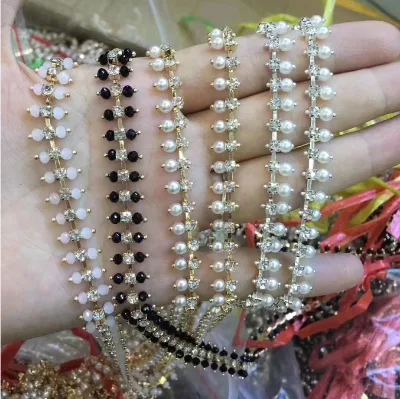
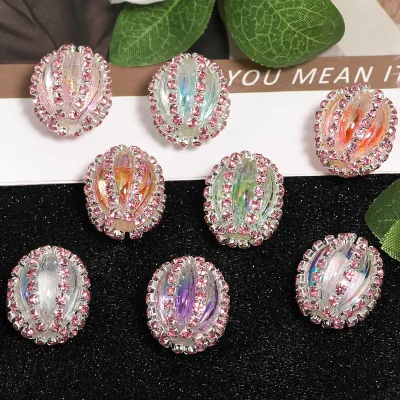
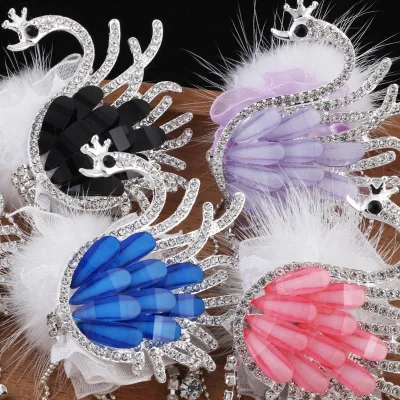
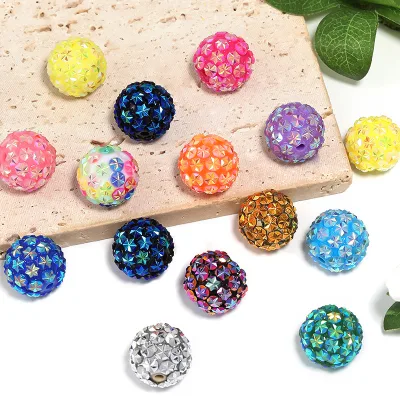
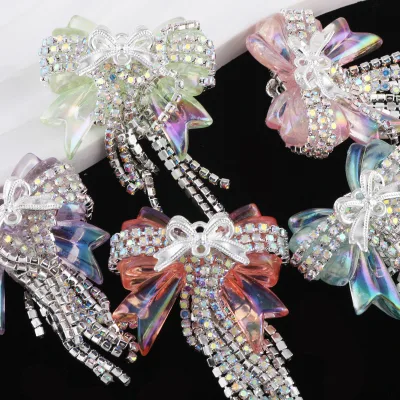


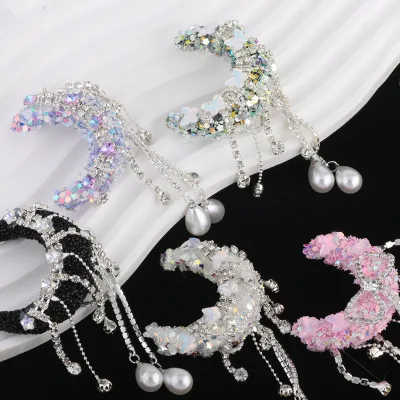
White Ab Stone Glass Plastic Chain with Pearl and Rhinestone Trim for Decoration
$4.80 - $5.50
MOQ: 1000 Card

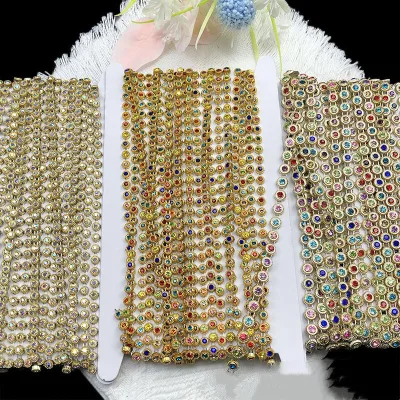
20mm Colorful Stone Glass Plastic Chain Rhinestone Trim for Garment Decoration
$3.50 - $5.00
MOQ: 1000 Card


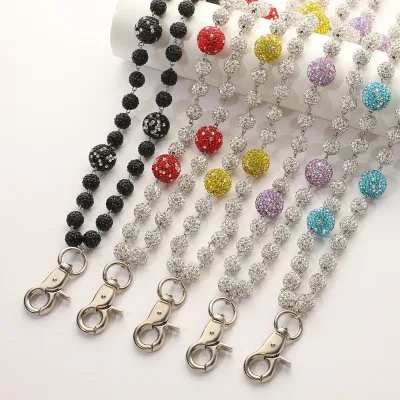
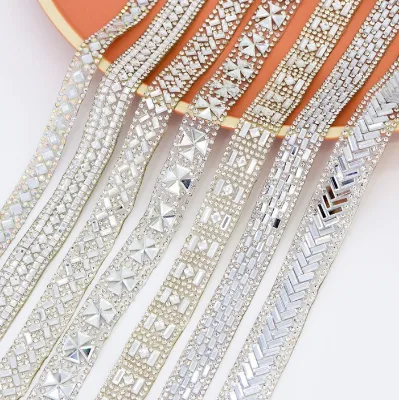


Comprehensive Sourcing Guide
Rhinestone Geometric Plastic Bead Chain Sourcing Guide
Sourcing rhinestone geometric plastic bead chains requires a nuanced understanding of the intersection between decorative aesthetics and functional durability. These components are primarily utilized in fashion accessories, including keychains, bag charms, and mobile phone pendants, where visual impact is paramount. Buyers must distinguish between chains that serve as structural elements versus those that act as purely decorative accents. The market offers a variety of configurations, from crystal-beaded chains to diamond mesh styles, each presenting different challenges in terms of weight, flexibility, and attachment security. Understanding the specific application context is the first step in defining technical requirements, as a chain intended for a heavy leather bag requires different tensile strength than one used for a lightweight phone strap.
The procurement landscape for these items is characterized by a wide range of material compositions and finishing techniques. While some listings highlight crystal rhinestone inlays with alloy accessories, others focus on plastic-based banding or acrylic flower pearls. This diversity means that a single keyword often encompasses multiple product categories with distinct quality profiles. Buyers should approach sourcing with a clear definition of whether they prioritize the brilliance of the stone, the durability of the plastic base, or the integrity of the plating. Establishing these priorities early helps in filtering suppliers who may specialize in one type of construction over another, ensuring that the selected vendor aligns with the specific aesthetic and performance needs of the final product.
Product Scope and Observed Listing Signals
The observed market signals indicate a broad spectrum of product attributes, with prices ranging from $0.19 to $10.64 USD and minimum order quantities (MOQs) varying significantly from 1 to 5,000 units. This wide price band suggests that buyers will encounter everything from basic plastic rhinestone banding to more intricate crystal-inlaid chains with gold plating. The presence of low MOQ options indicates that many suppliers are willing to accommodate small-batch testing or custom design trials, which is valuable for new product development. However, the variability in pricing often correlates with material quality, such as the difference between standard acrylic and higher-grade crystal, or between simple plastic banding and complex mesh constructions.
Listing descriptions frequently highlight specific customization options, including color variations like pink, silver, beige, and multi-color ab finishes. Technical details such as chain type, shape, and style are often explicitly stated, with common attributes including flatback or pointback designs, flower shapes, and geometric motifs. Buyers should note that while some products are described as having "shiny full rhinestone inlay," others may be loose rhinestones or mesh chains. It is critical to verify whether the "geometric" aspect refers to the cut of the individual stones or the arrangement of the chain links. Clear communication of these visual and structural details is essential to avoid receiving products that do not match the intended design specifications.
Technical Specifications to Verify
Verifying the core material composition is the most critical technical step in this procurement category. Listings may cite materials such as crystal rhinestone, alloy, acrylic, or glass, each with distinct properties regarding weight, clarity, and fragility. For instance, crystal rhinestone chains offer superior light refraction but may be heavier and more prone to chipping compared to acrylic or plastic alternatives. Buyers must confirm the exact material grade, as terms like "crystal" can sometimes refer to lead-free glass or lower-quality acrylic. Additionally, the accessory materials, such as the metal used for clasps or connectors, should be specified to ensure compatibility with the main chain material and to prevent galvanic corrosion or discoloration over time.
The attachment method and finishing techniques also require strict verification, as they directly impact the usability of the chain in final assembly. Common techniques observed include sew-on, stick-on, and flatback or pointback styles, each suited for different manufacturing processes. For example, flatback chains are ideal for gluing onto surfaces, while sew-on options are necessary for textile applications like hats or bags. Buyers should also confirm the chain type, whether it is a crystal beaded chain, a diamond mesh, or a plastic banding style, as this affects flexibility and drape. Dimensional specifications, such as pendant size or chain width, must be cross-referenced with physical samples to ensure they meet the design tolerances of the final product.
Compliance and Safety Documentation
Safety compliance is a non-negotiable aspect of sourcing decorative chains, particularly when they are intended for use in children's accessories or items that come into direct contact with skin. Buyers must request documentation verifying that the materials used, including the plastic, metal alloys, and adhesives, comply with relevant regional safety standards. While specific certification statuses may vary by supplier, it is essential to confirm that the products are free from harmful substances such as lead, cadmium, or phthalates. This is especially important for plastic-based chains and rhinestone banding, where the base material and any coatings must be tested for toxicity.
In addition to material safety, buyers should inquire about the durability and integrity of the chain under normal use conditions. This includes verifying that the rhinestones are securely inlaid or attached to prevent detachment, which could pose a choking hazard or damage to the final product. For chains intended for clothing or bags, the tensile strength of the chain and the reliability of the attachment points should be assessed. Buyers should also check if the supplier provides any test reports or quality assurance statements regarding the stability of the plating and the resistance of the materials to tarnishing or fading, ensuring that the product maintains its aesthetic appeal throughout its lifecycle.
Cost Drivers and Commercial Terms
The cost of rhinestone geometric plastic bead chains is influenced by several key factors, including the complexity of the design, the quality of the materials, and the volume of the order. Chains featuring full rhinestone inlays or intricate geometric patterns typically command higher prices due to the labor-intensive manufacturing process. Similarly, the use of higher-grade crystals or gold plating will increase the unit cost compared to standard acrylic or silver-plated alternatives. Buyers should analyze the price range in the context of these material and design variables to ensure they are receiving fair value for the specified quality level.
Commercial terms, particularly minimum order quantities (MOQs) and packaging specifications, play a significant role in the overall procurement cost. Some suppliers offer low MOQs to facilitate sampling, while others require larger volumes to achieve competitive pricing. Packaging methods, such as OPP bags, cartons, or rolls, can also impact shipping costs and storage efficiency. Buyers should negotiate terms that align with their inventory management strategy, considering whether bulk purchasing offers sufficient savings to justify the storage costs. Additionally, understanding the lead times and production capabilities of the supplier is crucial for planning inventory levels and meeting market demand without incurring rush fees.
Supplier Qualification and Quality Control
Evaluating supplier qualification involves assessing their production capabilities, quality control processes, and track record in the decorative accessories market. Buyers should prioritize suppliers who demonstrate a clear understanding of the specific requirements for rhinestone chains, including their ability to handle delicate materials and precise assembly techniques. Requesting samples is a vital step in this evaluation, allowing buyers to inspect the quality of the rhinestone inlay, the consistency of the plating, and the overall finish of the chain. Suppliers who are willing to provide detailed product information and responsive communication are often more reliable partners for long-term collaboration.
Quality control measures should be explicitly discussed with potential suppliers to ensure that the products meet the required standards. This includes verifying the supplier's process for inspecting individual chains for defects, such as loose stones, uneven plating, or broken links. Buyers should also inquire about the supplier's policy for handling defective items and their ability to provide replacements or refunds. Establishing clear quality expectations and inspection criteria before placing orders can help mitigate the risk of receiving substandard products. Regular communication and feedback loops with the supplier can further enhance quality consistency and foster a productive business relationship.
Long-Term Procurement Checks
Long-term procurement success depends on the ability to maintain consistent quality and supply stability over time. Buyers should establish a routine for periodic quality audits and sample testing to ensure that the supplier continues to meet the agreed-upon standards. This includes monitoring for any changes in materials, manufacturing processes, or packaging that could affect the product's performance or appearance. Maintaining open lines of communication with the supplier allows for early detection of potential issues and facilitates collaborative problem-solving.
Additionally, buyers should consider the scalability of the supplier's operations to accommodate future growth. As demand for rhinestone geometric plastic bead chains increases, the supplier must be able to handle larger volumes without compromising quality or lead times. Evaluating the supplier's capacity, resource allocation, and contingency plans for supply chain disruptions is essential for ensuring long-term reliability. By building a strong partnership based on mutual trust and clear expectations, buyers can secure a stable supply of high-quality decorative chains that support their brand's success in the competitive fashion accessories market.
FAQs
What materials are used in rhinestone geometric plastic bead chains
These chains typically combine crystal rhinestones with alloy or acrylic components. The rhinestones provide the decorative shine, while the alloy or plastic base ensures durability for applications like clothing, bags, and shoes. Buyers should verify the specific material composition for their intended use.
What is the minimum order quantity for these bead chains
The minimum order quantity varies by supplier, with observed ranges from 1 to 5000 units. Some listings specify low minimum orders, while others require 100 or 200 yards. Buyers should confirm the specific MOQ with the supplier to ensure it aligns with their production volume.
Can rhinestone bead chains be customized for specific designs
Yes, customization is available for many of these products. Suppliers can often adjust colors, such as gold, silver, or pink, and modify the chain structure to fit specific design needs. This allows buyers to create unique accessories for keychains, bag charms, or mobile phone pendants.
What are the common applications for rhinestone geometric bead chains
These chains are widely used for DIY projects on clothing, hats, bags, shoes, and socks. They also serve as decorative elements for keychains, bag charms, and mobile phone pendants. The shiny full rhinestone inlay makes them suitable for fashion accessories and garment embellishment.
How are rhinestone bead chains typically packaged for shipping
Standard packaging includes OPP bags, cartons, paper bags, or polybags. Some products are sold in rolls of 10 yards or packs of 9 meters. Proper packaging protects the delicate rhinestones during transit and ensures the chains remain organized for easy application in manufacturing.
What sizes are available for rhinestone geometric bead chains
Common sizes include 13mm width, 15mm, 16mm, and 17mm. Specific rhinestone sizes may range from Ss6 to Ss16. Buyers should check the product specifications to ensure the chain size matches their design requirements and the scale of the items being embellished.
Which colors are available for rhinestone bead chains
Available colors include gold, silver, pink, beige, white, blue, and clear. Some options feature AB colors or neon shades. The variety allows buyers to select finishes that complement their product line, whether for high-fashion items or casual accessories.