Source Ribbed PTFE HPLC Screw Cap for Lab, Hospital, School
Compare 30 verified options for the Ribbed PTFE HPLC Screw Cap designed for laboratory, hospital, and school applications. Buyers can evaluate variations in cap diameter, septa material, and customization support to find the right fit for their specific HPLC vial needs.
Key considerations
Products List








Comprehensive Sourcing Guide
Strategic Sourcing Guide for Ribbed PTFE HPLC Screw Caps
Understanding Technical Specifications and Dimensional Standards
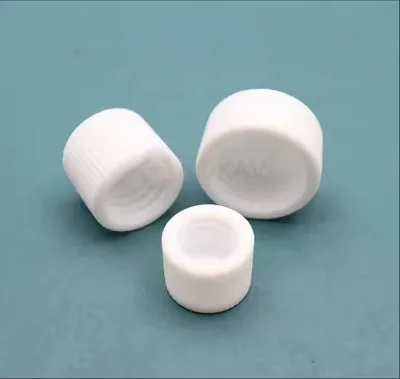
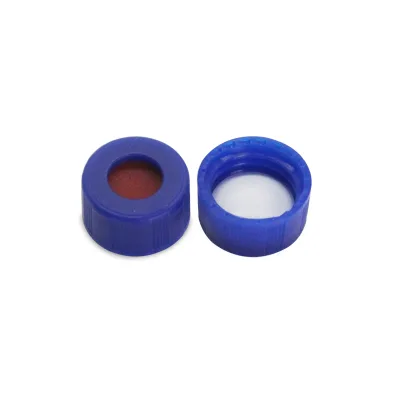
When sourcing ribbed PTFE HPLC screw caps, the primary focus must be on the precise dimensional compatibility and material composition that ensure seal integrity in high-performance liquid chromatography (HPLC) systems. The market offers a variety of cap diameters, with observed specifications including 9mm, 11mm, 13mm, and 15mm variants. Buyers must verify that the selected cap diameter matches the specific bottle neck standard, such as the GL 45 thread or the specific 9mm bonded cap standard, to prevent cross-threading or leakage. The ribbed texture on the cap exterior is a critical design feature intended to provide enhanced grip for manual tightening and loosening, reducing the risk of slippage during sample preparation or analysis.
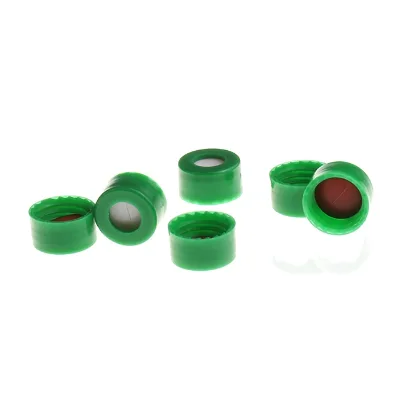
The internal sealing mechanism is equally vital. The septa material is typically a composite of PTFE and silicone, with a standard thickness of 1mm observed in current listings. This combination offers chemical resistance and self-sealing properties after needle penetration. Buyers should distinguish between caps with pre-slit septa and those without slits, as the choice depends on the frequency of sample access and the need for immediate needle insertion. Furthermore, the cap type varies between screw open top caps and screw closed top caps, each serving different storage and handling requirements. The screw mechanism itself may include anti-winding features to ensure the cap remains secure during transport or vibration, a common requirement in laboratory environments.
| Cap Diameter | Cap Type | Septa Material | Septa Thickness | Standard Thread |
|---|---|---|---|---|
| 9mm | Screw Open Top | PTFE/Silicone | 1mm | 9mm Bonded Cap |
| 11mm | Snap Open Top | PTFE/Silicone | 1mm | 11mm Cap |
| 13mm | Screw Open Top | PTFE/Silicone | 1mm | 13mm Cap |
| 15mm | Screw Closed Top | PTFE/Silicone | 1mm | 15mm Cap |
Compliance and Certification Verification Protocols
In the laboratory supply chain, compliance with international quality standards is non-negotiable for ensuring data integrity and safety. While specific certification statuses can vary by batch and manufacturer, ISO certification is a documented attribute for many suppliers in this sector. Buyers should request current ISO certification documents to verify that the manufacturing facility adheres to recognized quality management systems. Although ISO9001 is a common background standard referenced in the industry, procurement teams must confirm the specific scope of the certification applies to the production of PTFE components and HPLC accessories.
It is crucial to treat certification claims as observations rather than universal guarantees. Not every listed product may carry the same certification status, and buyers must verify this on a per-supplier basis. Additionally, while CE marking is sometimes observed in the broader market, it should not be assumed without explicit documentation from the supplier. The verification process should include checking for traceability of materials, specifically ensuring that the PTFE used meets purity requirements suitable for HPLC applications to prevent contamination of sensitive samples. Buyers should also inquire about the origin of the products, with Shanghai, China, and general China origins being common sources, to assess supply chain transparency and potential regulatory implications for import.
Cost Drivers and Pricing Structure Analysis
The pricing structure for ribbed PTFE HPLC screw caps is influenced by several dynamic factors, including material costs, customization levels, and order volume. The observed price range in the market spans from 0.01 to 100 USD, a wide variance that reflects differences in cap complexity, septa quality, and packaging configurations. Lower price points often correspond to standard, non-customized items with basic packaging, while higher costs are associated with specialized designs, custom colors, or bulk orders with specific branding requirements.
Minimum Order Quantity (MOQ) is another significant cost driver, with observed ranges extending from 1 to 10,000 units. Buyers purchasing small quantities may face higher per-unit costs due to the setup expenses for manufacturing runs, whereas larger orders can leverage economies of scale. Customization is a key variable; while some suppliers offer customizable cap colors (such as blue, black, or custom options) and shapes based on drawings, these services often incur additional charges and may require higher MOQs. The packaging method also impacts cost; standard packing is typically 100 pieces per pack or per bag, with options for carton packing for larger shipments. Buyers should analyze the total cost of ownership, including shipping and potential inventory holding costs, rather than focusing solely on the unit price.
Typical Applications and Functional Requirements
Ribbed PTFE HPLC screw caps are designed for a diverse range of applications, primarily within laboratory, hospital, and school settings. Their primary function is to provide a secure, leak-proof seal for vials containing chemical reagents, biological samples, or standard solutions. The 2ml capacity is a standard size for HPLC vials, making these caps essential for high-throughput analytical workflows. The integrated safety valve feature found in some models adds an extra layer of protection against pressure buildup or accidental spills, which is particularly valuable when handling volatile or hazardous substances.
The durability of these caps is a critical performance attribute, ensuring they can withstand repeated needle penetrations and exposure to various solvents without degrading. The PTFE polymer components are specifically engineered for chemical resistance, making them suitable for applications involving aggressive acids, bases, and organic solvents. In addition to standard laboratory use, these caps support custom applications where specific shapes or integrated features are required. The portable structure of the packaging and the robust nature of the caps make them ideal for field sampling or transport between facilities. Buyers should evaluate the specific application environment to determine if features like anti-winding mechanisms or specific septa types (pre-slit vs. non-slit) are necessary for their workflow efficiency.
Supplier Evaluation and Customization Capabilities
Selecting the right supplier requires a thorough evaluation of their customization capabilities and production flexibility. Many suppliers in this sector offer OEM and ODM support, allowing buyers to tailor products to their specific brand or functional needs. Attributes such as "Customized from Your Drawings" indicate a high level of flexibility in shape and design, while "Customization: Available" suggests that standard modifications like cap color or branding are feasible. However, buyers must distinguish between suppliers who offer true customization and those who only provide standard non-customized items.
Brand names such as AOKAVI and ALWSCI are observed in the market, but buyers should not rely on brand reputation alone. Instead, the focus should be on the supplier's ability to meet specific technical requirements, such as the 13mm cap standard or the 9mm bonded cap standard. The production origin, often listed as China or specifically Shanghai, provides insight into the supply chain logistics, but buyers should verify the supplier's capacity to maintain consistent quality across different batches. Evaluating the supplier's response to customization requests, their lead times, and their ability to provide samples for testing is essential before committing to a large order. The presence of integrated safety valves and specific cap types like the screw closed top cap should be confirmed as part of the supplier's standard or custom offerings.
Quality Control and Long-Term Procurement Strategies
Implementing a robust quality control (QC) strategy is vital for maintaining the reliability of HPLC results. Buyers should establish clear acceptance criteria for cap dimensions, septa integrity, and material purity. Regular sampling and testing of received goods against the specified standards, such as the 13mm cap diameter or 1mm septa thickness, can prevent the introduction of defective components into the workflow. The "durable" feature noted in product attributes should be validated through performance testing, ensuring the caps maintain their sealing properties over time and under stress.
For long-term procurement, building a strategic relationship with suppliers who demonstrate consistency in quality and delivery is key. Buyers should consider the stability of the supply chain, particularly given the global nature of the market. The "Single package size" of 15.0x14.0x4.0 cm and the "Single gross weight" of 0.120 kg are useful metrics for logistics planning, but buyers should also verify packaging consistency to ensure protection during transit. Long-term contracts may offer benefits such as price stability and priority production slots, but they require a deep understanding of the supplier's capacity and reliability. Continuous monitoring of supplier performance, including adherence to ISO standards and response to quality issues, will help mitigate risks and ensure a steady supply of high-quality ribbed PTFE HPLC screw caps.
FAQs
What is the standard septa material for these caps?
The standard septa material is a composite of PTFE and silicone. This combination offers chemical resistance and self-sealing properties after needle penetration, with a typical thickness of 1mm observed in current listings.
Which cap diameters are available for HPLC vials?
Available cap diameters include 9mm, 11mm, 13mm, and 15mm variants. Buyers must verify that the selected cap diameter matches the specific bottle neck standard to prevent cross-threading or leakage during use.
Can the cap color be customized for branding?
Yes, cap color customization is available in blue, black, or custom options. This service allows buyers to tailor products to their specific brand needs, though it may incur additional charges and require higher order volumes.
What is the minimum order quantity for these caps?
The minimum order quantity ranges from 1 to 10,000 units depending on the supplier. Purchasing small quantities may face higher per-unit costs, while larger orders can leverage economies of scale for better pricing.
Are these caps suitable for laboratory and hospital use?
Yes, these caps are designed for applications in laboratories, hospitals, and schools. They provide a secure, leak-proof seal for vials containing chemical reagents or biological samples in high-throughput analytical workflows.
What is the standard packing configuration for these items?
Standard packing is typically 100 pieces per pack or per bag. Caps are often packed in PE bags, with options for carton packing available for larger shipments to ensure protection during transit.
Do these caps feature an integrated safety valve?
Some models include an integrated safety valve to protect against pressure buildup. This feature is particularly valuable when handling volatile or hazardous substances in laboratory environments requiring extra safety measures.
Where are these products typically manufactured?
Products are typically manufactured in China, with specific origins including Shanghai. Buyers should verify the supplier's capacity to maintain consistent quality across different batches given the global nature of the supply chain.