Source Ribbed Vest and Shorts Set for Gym, Yoga, and Casual Wear
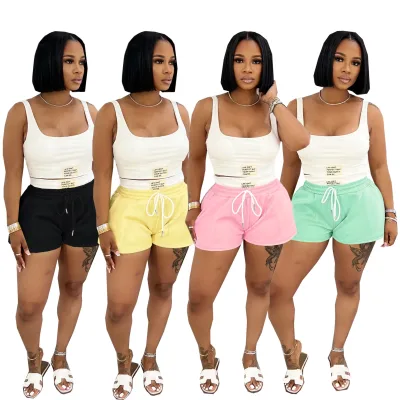
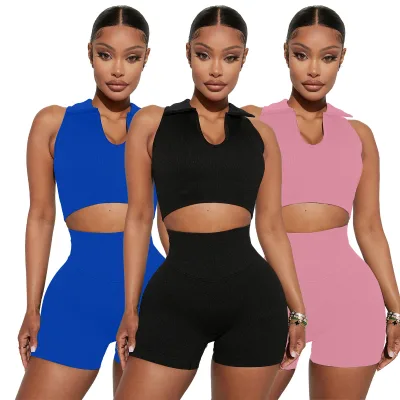
Explore 30 verified listings for the Ribbed Vest and Shorts Set tailored for athletic and casual needs. Buyers can compare customization options, fabric types, and pricing to find the ideal two-piece outfit for their business; compare the available evidence and request quotations based on your requirements.
Key considerations
Products List






Comprehensive Sourcing Guide
Ribbed Vest and Shorts Set Sourcing Guide
Sourcing ribbed vest and shorts sets requires a nuanced understanding of knitwear manufacturing, particularly when dealing with stretch fabrics and form-fitting silhouettes. Buyers must distinguish between basic cotton blends and synthetic performance materials, as the latter often dictates the garment’s durability and market positioning. The visual appeal of these sets relies heavily on the consistency of the ribbing texture, which can vary significantly between suppliers based on their knitting machine specifications and yarn tension controls.
Procurement teams should prioritize suppliers who demonstrate expertise in two-piece coordinated sets, as this specific product type demands precise pattern matching and size grading across multiple items. The observed market data indicates a wide range of customization options, from solid colors to custom designs, which directly impacts production complexity. Understanding these variables early in the sourcing process helps buyers align their expectations with realistic manufacturing capabilities and quality benchmarks.
Product Scope and Observed Listing Signals
The current market landscape for ribbed sets includes a diverse array of styles, ranging from casual leisure suits to more structured outfits with specific design elements like notch lapels. Observed listings reveal that many suppliers offer customizable features, including logo placement and fabric selection, which allows brands to tailor products to specific niche markets. The presence of models such as JX-2TZ2736 and 2025YJ0297 suggests a high volume of SKUs, indicating that many manufacturers operate as flexible, in-stock item providers rather than exclusive designers.
Buyers should note that while some products are marketed as women’s casual sets, others are designed for sports usage, such as soccer or rugby, which implies different performance requirements. The observed price range of $0.68 to $23.99 USD reflects this disparity, covering everything from basic polyester blends to more complex, feature-rich garments. It is crucial to verify whether the listed price includes customization costs, as many suppliers offer base prices that exclude additional fees for custom colors or logos.
Technical Specifications to Verify
When evaluating technical specifications, buyers must confirm the exact fabric composition, as materials like polyester offer different stretch levels and care requirements compared to natural fibers. The observed data highlights features such as medium stretch, breathability, and water repellence, which are critical for performance-oriented sets. It is essential to request physical samples to assess the hand feel and elasticity of the ribbed fabric, ensuring it meets the intended comfort and durability standards for the target demographic.
Packaging and dimensional standards also vary significantly among suppliers, with observed carton sizes ranging from 38x15x5cm to 50x40x5cm. Buyers should verify the packing method, whether it is individual poly bags or bulk cartons, as this affects storage efficiency and retail presentation. Additionally, confirming the width of the fabric, such as the observed 57/58" standard, helps in calculating accurate yardage requirements and minimizing waste during the cutting and sewing process.
Compliance and Safety Documentation
Compliance documentation is a non-negotiable aspect of sourcing, particularly for garments intended for international markets. Buyers must ensure that suppliers provide relevant test reports for flammability, chemical safety, and fiber content accuracy, especially if the fabric claims to be eco-friendly or anti-static. The observed features like anti-crease and machine washability suggest that the garments undergo specific finishing processes, which should be backed by laboratory testing to verify their longevity and safety.
It is also important to verify that the manufacturing process adheres to labor and environmental standards, although specific certifications were not explicitly listed in the observed data. Buyers should request proof of compliance with local regulations in their destination market, such as REACH for Europe or CPSIA for the United States. This due diligence protects the brand from potential legal liabilities and ensures that the products meet the safety expectations of end consumers.
Cost Drivers and Commercial Terms
Cost drivers for ribbed sets include the complexity of the knit pattern, the type of fabric used, and the level of customization required. Suppliers offering customized designs or specific colors may charge additional fees, which can significantly impact the final unit cost. Buyers should negotiate clear terms regarding minimum order quantities (MOQ), which were observed to range from 1 to 2000 pieces, to align with their inventory management strategies and cash flow constraints.
Commercial terms should also address the handling of samples, tooling fees, and payment schedules. It is advisable to clarify whether the supplier provides free samples or charges for them, and if these costs are deductible from bulk orders. Additionally, buyers should confirm the lead times for production and shipping, as delays can impact market launch dates. Clear communication about these terms helps prevent unexpected costs and ensures a smoother procurement process.
Supplier Qualification and Quality Control
Supplier qualification involves assessing their production capacity, quality control processes, and ability to meet customization requests. Buyers should verify the supplier’s experience with ribbed knitwear, as this specific fabric requires specialized machinery and skilled labor to maintain consistent tension and pattern alignment. Requesting references or case studies from previous clients can provide insights into the supplier’s reliability and consistency in delivering high-quality products.
Quality control measures should include pre-production sample approvals, in-line inspections, and final random inspections before shipment. Buyers should establish clear acceptance criteria for defects, such as uneven ribbing, color mismatches, or stitching errors, and ensure that the supplier has a robust process for addressing these issues. Implementing a third-party inspection service can provide an additional layer of assurance, helping to identify and rectify quality issues before the goods leave the factory.
Long-Term Procurement Checks
Long-term procurement success depends on building a sustainable relationship with suppliers who can adapt to changing market trends and consumer preferences. Buyers should regularly review supplier performance metrics, including on-time delivery rates, product quality consistency, and responsiveness to issues. Establishing a framework for continuous improvement allows both parties to address challenges proactively and optimize the supply chain over time.
It is also important to stay informed about industry developments, such as new fabric technologies or sustainable manufacturing practices, that could impact future sourcing decisions. Buyers should maintain a diversified supplier base to mitigate risks associated with single-source dependencies and ensure business continuity. By fostering strong partnerships and maintaining open communication, buyers can secure a reliable supply of ribbed vest and shorts sets that meet their brand’s quality and cost objectives.
FAQs
What fabric is used for the two-piece sets?
The sets are made from polyester fabric. This material offers durability and comfort for casual wear. Buyers can request customized fabric options to meet specific needs. The fabric structure is described as shaped composite fiber, ensuring a good fit. This choice supports breathability and ease of maintenance for everyday use.
Can I customize the logo on the order?
Yes, customized logos are accepted for these orders. Buyers can provide their own branding for the products. This service allows for unique identification of the garments. The customization is available alongside other design modifications. It is ideal for businesses looking to create branded apparel lines.
What is the minimum order quantity for these items?
The minimum order quantity is fifty sets. This MOQ applies to the in-stock items available. Buyers must meet this threshold to proceed with the purchase. The quantity is per set, ensuring manageable initial orders. This policy supports both small and large business requirements effectively.
How are the products packed for shipping?
Products are packed in various ways depending on the model. Some items come in one piece per PP bag. Others are packed twenty pieces per carton. General packing is done by carton for efficiency. The standard carton size is approximately forty by forty by five centimeters.
Are these sets suitable for sports activities?
Yes, the sets are suitable for soccer and rugby. They are designed for active use in these sports. The fabric features include water repellence and anti-static properties. Additional features like ripstop and anti-UV protection are available. This makes them functional for various athletic and outdoor activities.
What colors are available for the two-piece sets?
White is a standard color option for these sets. Buyers can also request customized colors for their orders. The product allows for custom color matching to brand needs. This flexibility ensures the sets align with specific design requirements. Customization is a key feature for tailored apparel procurement.