Source Rice Milling Polishing Screen for Rice, Wheat, Beans
Find 30 Rice Milling Polishing Screen options with varying capacities and materials. Compare specifications for paddy cleaning, hulling, and separation processes to select the right equipment for your agricultural processing needs.
Key considerations
Products List


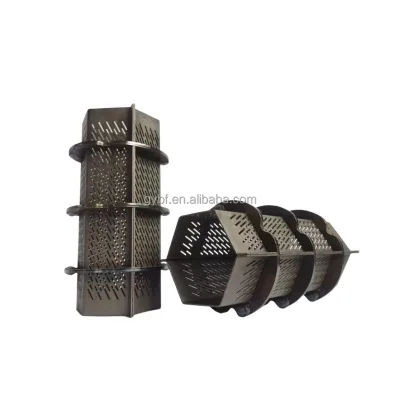
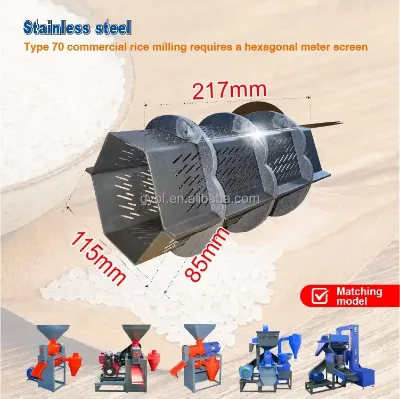


Comprehensive Sourcing Guide
Strategic Sourcing Guide for Rice Milling Polishing Screens
Understanding the Core Component in Rice Processing
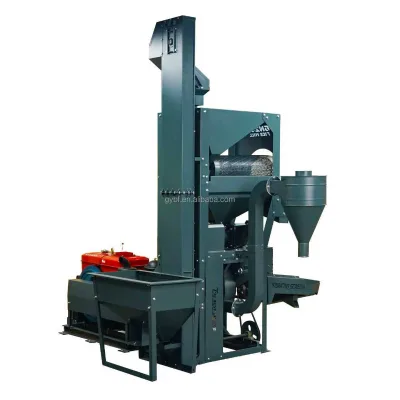
The Rice Milling Polishing Screen serves as a critical interface within the broader ecosystem of rice milling equipment, directly influencing the final yield, quality, and appearance of the polished grain. In the context of industrial procurement, this component is not merely a passive filter but an active element that dictates the efficiency of the separation process between the rice hull, bran, and the finished white rice. When sourcing for facilities with an input capacity of 30 tons per day, the selection of the appropriate screen becomes a decisive factor in maintaining the delicate balance between throughput and product ration. The observed market data indicates that while the primary machinery is often categorized broadly as "Rice Milling Equipment," the specific sub-components, such as polishing screens, vary significantly in their material composition, structural dimensions, and operational parameters.
Buyers must recognize that the term "polishing screen" often intersects with broader functional categories like "Paddy Cleaner," "Destoner," "Huller," "Separator," and "Whitener." The specific application of the screen determines whether it is designed for the initial cleaning of paddy rice or the final polishing stage of the milled grain. The raw material is consistently identified as paddy rice, with a standard moisture content requirement of 14% to ensure optimal processing efficiency. The final output ration typically aims for a split of 66% rice and 33% husk and bran, a ratio that relies heavily on the precision of the screening mechanisms. Therefore, the procurement strategy must begin with a clear definition of the specific stage in the milling line where the screen will be deployed, as this dictates the necessary technical specifications and material durability.
Technical Specifications and Material Integrity
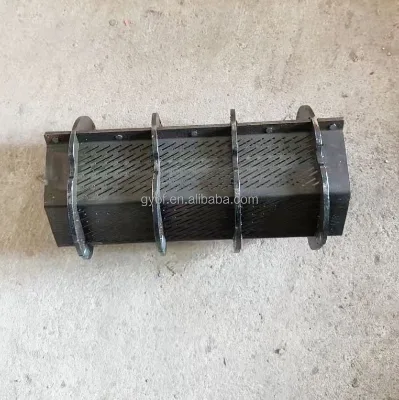
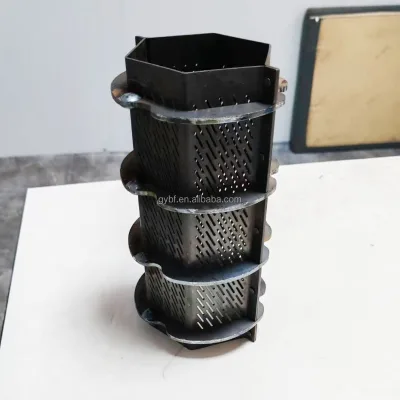
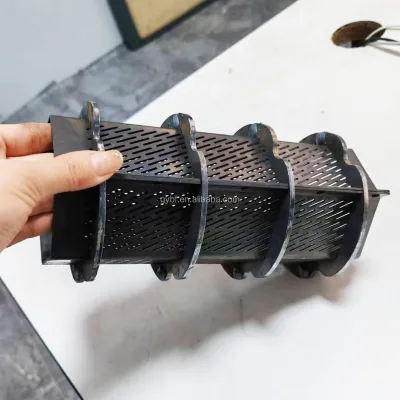
The technical integrity of a Rice Milling Polishing Screen is defined by a combination of material composition, dimensional tolerances, and structural thickness. In the current market, the primary material of construction for high-durability components is stainless steel, which offers resistance to corrosion and wear in the humid and abrasive environment of a rice mill. However, procurement records also indicate the presence of components with specific thicknesses, such as 1.5mm and 2.0mm variants, which may correspond to different models or functional requirements within the milling line. The thickness of the screen material is a critical metric; a 1.5mm specification might be suitable for lighter-duty separation tasks, while a 2.0mm thickness could be required for high-load applications involving the heavy abrasion of rice hulls.
Dimensional specifications are equally vital for ensuring compatibility with existing machinery. The market data reveals specific model identifiers such as KB40, MPHG19, and KB75, each potentially associated with distinct performance characteristics. For instance, certain models are associated with a thickness of 1.5mm and a slot diameter of 0.9mm or 1.0mm, which are precise measurements that determine the size of particles that can pass through. These slot diameters are crucial for separating bran from the rice kernel without damaging the grain. Furthermore, the physical dimensions of the equipment, such as a standard length of 50cm or a capacity volume of 7CBM, must be verified against the buyer's facility layout. The appearance of the equipment, whether horizontal or vertical, also impacts the flow dynamics of the rice through the mill. A horizontal configuration may be preferred for certain conveyor systems, while a vertical setup might be necessary for gravity-fed processes.
The power requirements for the systems incorporating these screens vary, with observed ranges from 35-65kw for larger milling units down to 37kw for specific press series. The voltage supply is another critical technical parameter, with options available for both 380V and 220V systems. Buyers must ensure that the electrical infrastructure of their facility matches the voltage requirements of the specific screen model they intend to purchase. Additionally, the air volume capacity, ranging from 2000 to 2500m²/h, and water pressure requirements of 0.25 to 0.3MPa, suggest that these screens often operate within a complex system of pneumatic and hydraulic support. The machine weight, observed at 1110kg for certain models, indicates the substantial mass of the assembly, which necessitates robust foundation support and careful logistics planning during installation.
Compliance, Certification, and Operational Standards
When evaluating rice milling polishing screens, the verification of compliance and adherence to operational standards is paramount, although specific certification labels are not universally documented in the provided data. The absence of explicit certification claims in the source material necessitates a proactive approach where buyers must request and verify third-party testing results and safety compliance documents directly from the supplier. The "prod_standard" field in the data points to specific dimensional standards, such as 50cm, which serve as a baseline for physical compatibility but do not inherently guarantee safety or quality certifications.
Buyers should prioritize suppliers who can demonstrate adherence to international safety standards for electrical equipment, particularly given the high voltage options (380V) and significant power consumption (up to 65kw) associated with these machines. The "Condition" of the products is listed as "New," which implies that the equipment should meet current manufacturing standards, but this does not replace the need for formal certification. In the context of agricultural machinery, compliance often involves adherence to local agricultural safety regulations and electrical safety codes. The "Application" field notes versatility for rice flour, beans, and wheat, suggesting that the equipment must meet general food processing hygiene standards.
Furthermore, the "Customized" attribute indicates that many suppliers offer tailored solutions. This customization capability should be leveraged to ensure that the equipment meets specific local regulatory requirements. Buyers should verify that the customization process includes a review of safety protocols and that the final product is tested against relevant industry benchmarks. The "Customer Service" availability of 7*24 hours is a positive indicator of supplier responsiveness, which is crucial for resolving compliance issues or operational disruptions quickly. However, buyers must remain vigilant and not assume that 24/7 support equates to pre-sales compliance verification. The "Return on Investment" being listed as "High" is a performance claim that should be validated through independent case studies or references rather than accepted as a guarantee.
Cost Drivers and Pricing Dynamics
The pricing of rice milling polishing screens is influenced by a complex interplay of factors, including material costs, customization levels, and the scale of production. The observed price range in the market spans from 1 to 28,000 USD, a vast disparity that reflects the diversity of product types, from simple replacement screens to complete integrated milling units. This wide range underscores the importance of defining the exact scope of the procurement. A price at the lower end of the spectrum likely corresponds to a single component or a basic screen with standard specifications, whereas the higher end may encompass a fully integrated system with advanced features, custom engineering, and comprehensive support packages.
Material costs are a primary driver, with stainless steel being the preferred material for its durability and food-grade safety. The thickness of the steel, whether 1.5mm or 2.0mm, directly impacts the raw material cost and, consequently, the final price. Customization is another significant cost factor. The data indicates that "Customization" is available and that "Color" can be customized if required. These bespoke elements often incur additional charges and extend the lead time. The "Final Packing" option, which can range from 5-50kg/bag or be shipped in a wooden case, also affects the overall cost, as specialized packaging requires additional labor and materials.
The "Energy Consumption" is noted as "Low," which is a critical long-term cost driver. While the initial purchase price might be higher for a machine with superior energy efficiency, the operational savings over time can be substantial. Buyers should calculate the total cost of ownership, factoring in the power consumption of 35-65kw, rather than focusing solely on the upfront price. The "Delivery Time" being listed as "in Stock" for some items suggests that immediate availability can reduce inventory holding costs and expedite project timelines, potentially offering a cost advantage over custom-manufactured items with longer lead times. However, the "MOQ" range of 1-100 indicates that bulk purchasing may offer economies of scale, allowing buyers to negotiate better unit prices for larger orders.
Typical Applications and Functional Versatility
The functional versatility of rice milling polishing screens is evident in their ability to handle a variety of agricultural products beyond just rice. The "Application" field explicitly lists rice flour, beans, and wheat, indicating that the same screening technology can be adapted for different grain processing lines. This versatility is particularly valuable for facilities that process multiple types of grains or for suppliers looking to offer a broader product range. The "Function" of the equipment encompasses a wide array of tasks, including paddy cleaning, destoning, hulling, separation, and whitening. This multifunctionality means that a single screening component can play a role in multiple stages of the milling process, depending on its configuration and the specific needs of the production line.
The "Press Series" designation, such as "Second" or "Fourth," suggests that these screens are part of a sequential processing system. In a typical rice milling line, the "Second" press series might be involved in the initial hulling or separation, while the "Fourth" series could be dedicated to the final polishing or grading stages. Understanding the specific role of the screen within this series is essential for optimizing the overall efficiency of the mill. The "Output Capacity" of 2-3.5t/h provides a benchmark for the throughput capabilities of the equipment, which must align with the facility's production goals. For a facility with an input capacity of 30 tons per day, the screening component must be capable of handling the continuous flow of grain without becoming a bottleneck.
The "Air Volume" and "Water Pressure" requirements highlight the integration of these screens into a larger, multi-phase processing system. The air volume of 2000-2500m²/h suggests the use of pneumatic systems for dust removal and grain transport, while the water pressure of 0.25-0.3MPa indicates the potential for wet cleaning or cooling processes. These parameters are critical for maintaining the quality of the final product and ensuring the safety of the operating environment. The "Final Packing" of the processed rice, with optional bag sizes of 5-50kg, further illustrates the end-to-end nature of the equipment's function, from raw material intake to packaged output.
Supplier Evaluation and Quality Assurance
Evaluating suppliers for rice milling polishing screens requires a rigorous assessment of their technical capabilities, production standards, and after-sales support. The "Customized Production" attribute being "Yes" is a strong indicator of a supplier's flexibility and ability to meet specific buyer requirements. However, buyers should verify the extent of this customization and ensure that the supplier has the necessary engineering resources to deliver high-quality, tailored solutions. The "Installation Technical Support" being provided is another crucial factor, as the correct installation of complex milling equipment is essential for its optimal performance and longevity.
Quality assurance should be a central part of the supplier evaluation process. Buyers should request detailed specifications, including material certificates, dimensional tolerances, and performance test results. The "Condition" of the product being "New" is a baseline requirement, but buyers must also inquire about the manufacturing process and quality control measures employed by the supplier. The "Machine Weight" and "Thickness" specifications provide objective metrics for verifying the quality of the materials used. Additionally, the "Customer Service" availability of 7*24 hours suggests a commitment to ongoing support, which is vital for troubleshooting any issues that may arise during operation.
The "Return on Investment" being listed as "High" is a claim that should be substantiated with evidence. Buyers should ask for case studies or references from other clients who have achieved similar results. The "Energy Consumption" being "Low" is another performance metric that should be verified through independent testing or certification. Finally, the "prod_origin" being China indicates the geographic source of the equipment, which may have implications for logistics, import regulations, and supply chain reliability. Buyers should assess the supplier's track record in international shipping and their ability to navigate customs and regulatory requirements.
Long-Term Procurement and Maintenance Considerations
Long-term procurement success for rice milling polishing screens depends on a strategic approach that extends beyond the initial purchase. The "Delivery Time" being "in Stock" for some items offers an advantage in terms of immediate deployment, but buyers should also consider the availability of spare parts and the ease of maintenance. The "Customization" of the equipment, including color and specific dimensions, should be documented thoroughly to ensure that future replacements or upgrades are compatible with the existing system. The "Final Packing" options, such as wooden cases or cartons, should be evaluated for their durability and suitability for long-term storage or transport.
Maintenance is a critical aspect of long-term ownership. The "Material" of stainless steel offers inherent resistance to corrosion, but regular cleaning and inspection are necessary to prevent buildup and ensure optimal performance. The "Air Volume" and "Water Pressure" systems require periodic calibration and maintenance to maintain efficiency. The "Power Source" being electricity means that electrical components must be protected from moisture and dust, which are common in rice milling environments. The "Customer Service" support should include maintenance guidelines and technical assistance to help buyers extend the lifespan of their equipment.
The "Return on Investment" being "High" is a long-term benefit that relies on consistent performance and minimal downtime. Buyers should plan for regular maintenance schedules and budget for potential repairs or upgrades. The "Energy Consumption" being "Low" contributes to long-term cost savings, but this benefit is only realized if the equipment is operated correctly and maintained according to the manufacturer's specifications. Finally, the "Application" versatility of the equipment allows for future expansion or diversification of the product line, making it a valuable asset for long-term growth. By focusing on these long-term considerations, buyers can ensure that their investment in rice milling polishing screens delivers sustained value and operational efficiency.
FAQs
What material is used for rice milling polishing screens?
Stainless steel is the primary material used for high-durability rice milling polishing screens. This material offers resistance to corrosion and wear in the humid and abrasive environment of a rice mill, ensuring longevity during processing.
Which thickness options are available for the screen components?
Available thickness options include 1.5mm and 2.0mm variants for different functional requirements. A 1.5mm specification suits lighter-duty separation tasks, while 2.0mm thickness is required for high-load applications involving heavy abrasion of rice hulls.
Can the Rice Milling Polishing Screen be customized for specific needs?
Yes, customization is available for color and production requirements if needed. Buyers can request tailored solutions to meet specific local regulatory requirements or facility layout constraints, though this may impact lead time and cost.
How does the slot diameter affect the screening process?
Slot diameters of 0.9mm or 1.0mm determine the size of particles that can pass through. These precise measurements are crucial for separating bran from the rice kernel without damaging the grain during the milling operation.
What is the typical output capacity for these rice milling units?
The output capacity ranges from 2 to 3.5 tons per hour for specific models. This throughput capability must align with the facility's production goals, such as an input capacity of 30 tons per day, to avoid bottlenecks.
Which voltage options are supported for the rice milling equipment?
Voltage options include both 380V and 220V systems depending on the specific model. Buyers must ensure that the electrical infrastructure of their facility matches the voltage requirements of the screen model they intend to purchase.
What is the standard delivery time for in-stock items?
Delivery time is listed as in stock for certain items, allowing for immediate availability. This reduces inventory holding costs and expedites project timelines compared to custom-manufactured items with longer lead times.