Source RoHS Heart Rate Monitor Watch for Fitness, Health, and Communication
Compare 30 verified options for the RoHS Heart Rate Monitor Watch featuring AMOLED, IPS, and TFT displays with Bluetooth and water resistance. Buyers can evaluate models like YS59 and SW07 for communication and detection uses with customizable packaging and shipping from Ningbo Port.
Key considerations
Products List


Sports Smart Watch Tracker Blood Pressure Heart Rate Monitor Smartwatch
$18.80 - $19.50
MOQ: 30 Pieces


Smart Watch Heart Rate Accurate Blood Oxygen Outdoor Sports Smart Watches
$24.94 - $26.33
MOQ: 20 Pieces


Hot Sale Smartwatch Heart Rate Blood Pressure Blood Oxygen Sleep Monitoring
$8.79 - $9.09
MOQ: 100 Pieces

2023 OEM Fashion Compass Monitoring Sleep Heart Rate Blood Sugar Gift Smartwatch
$15.30 - $16.70
MOQ: 100 Pieces


High Quatity Bluetooth Monitoring Heart Rate Sleep Exercise Smart Watch
$35.56 - $36.86
MOQ: 100 Pieces


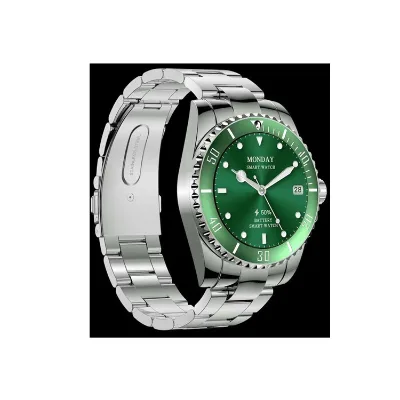
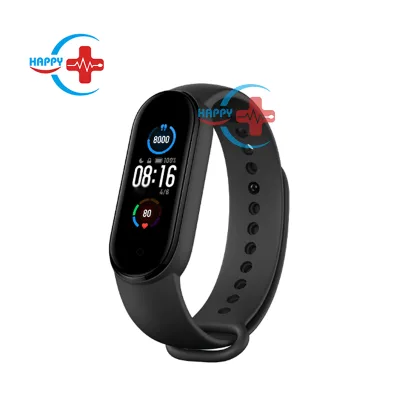


Bluetooth Call Heart Rate, Blood Oxygen, Sleep Music Sports, Smart Watch
$14.12 - $15.69
MOQ: 50 Pieces

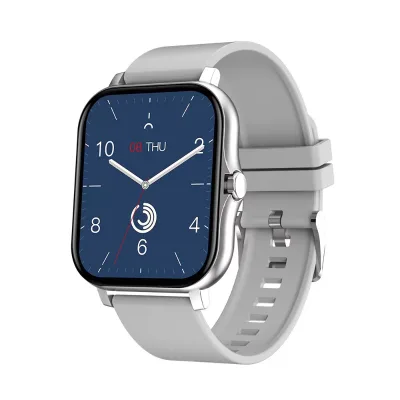
Smart Bluetooth Watch Step Counting Heart Rate Monitoring Sports Bracelet
$13.71 - $15.23
MOQ: 50 Pieces


Comprehensive Sourcing Guide
Strategic Sourcing Guide for RoHS Heart Rate Monitor Watches
Understanding the Product Landscape and Core Specifications
When sourcing a RoHS Heart Rate Monitor Watch, buyers must first navigate a fragmented market where the core keyword often masks a diverse array of device categories. The available product data indicates that "Smart Watch," "Smart Watch Bracelet," "Watch," and "Wrist Smart Watch" are the primary nomenclatures used in listings. These devices are not monolithic; they vary significantly in display technology, intended usage, and structural design. A critical observation from the current market data is the divergence in display types. Some units utilize AMOLED technology, which offers superior contrast and color vibrancy, while others rely on IPS or TFT panels. Buyers must verify the specific display technology required for their target demographic, as AMOLED screens generally command a higher price point and offer better battery efficiency in always-on scenarios compared to TFT displays.
The functional scope of these devices is equally varied. While the primary usage is listed as "Communication," a significant subset of the market also targets "Detection" purposes, which often includes the heart rate monitoring functionality implied by the core keyword. The data reveals that some models are designed with dual usage profiles, supporting both communication and detection. This duality is essential for buyers looking for comprehensive health and fitness tracking solutions. Furthermore, the physical attributes of these watches vary widely. Some models feature a "Geometric" shape, suggesting a non-traditional aesthetic, while others adhere to standard circular or rectangular forms. The material composition is another critical differentiator, with silicone being a prevalent choice for bands due to its flexibility and comfort, while stainless steel options are also available for a more premium, durable finish.
Technical Specifications and Feature Verification
To ensure the selected product meets operational requirements, buyers must scrutinize specific technical specifications provided in the product data. The presence of Bluetooth connectivity is a standard feature across the observed listings, enabling seamless integration with mobile devices for notifications and data synchronization. Additionally, water resistance is a frequently cited attribute, which is a non-negotiable feature for any wearable device intended for sports or daily wear. The data confirms that models like the "YS59" and "YS-S2" exist, alongside others such as "watch pro," "wt-9," "wt-8," and "SK-14." These model numbers serve as unique identifiers for procurement teams to track specific configurations.
Battery life and physical dimensions are also key technical parameters. While the data does not explicitly state battery capacity in milliampere-hours for the watches, it does provide specific dimensions for other categories, such as a "300250250mm" unit, which suggests that buyers must be vigilant about the scale of the product they are ordering. For the watches themselves, the standard dimensions provided include "44.537.811.7" for certain models, indicating a slim profile that is comfortable for extended wear. The screen size for specific models is noted as "2.01 Inch," which is a crucial metric for readability. Buyers should verify if the heart rate monitoring sensors are integrated into the back casing and if the sensor technology aligns with the claimed accuracy for heart rate detection. The "Detection" usage flag in the data strongly implies the presence of such sensors, but the specific algorithm or sensor type (e.g., optical vs. electrical) requires direct confirmation from the supplier.
Compliance, Certification, and Regulatory Standards
The core keyword explicitly mentions "RoHS," referring to the Restriction of Hazardous Substances directive. While the provided data lists "Rohs" and "CE" under low-confidence background information, buyers must treat these as verification targets rather than guaranteed attributes. The presence of these certifications in the background data suggests they are common in the market, but it does not confirm that every listed product satisfies these standards. A responsible procurement strategy involves demanding valid, up-to-date test reports from the supplier for every batch ordered. The RoHS directive restricts the use of specific hazardous materials such as lead, mercury, cadmium, and certain flame retardants in electronic equipment.
Beyond RoHS, the "CE" marking indicates conformity with health, safety, and environmental protection standards for products sold within the European Economic Area. However, the data also lists "All Season" as a product standard, which is an unusual classification for electronics and may refer to environmental operating conditions rather than a formal regulatory certification. Buyers should not assume that a product labeled "All Season" meets RoHS or CE requirements without physical documentation. The "prod_standard" field in the data contains numerical dimensions like "15X6X5 cm" and "9.6kg," which are clearly physical specifications rather than regulatory standards. This highlights the importance of distinguishing between physical product standards and legal compliance certifications. Procurement teams must insist on third-party laboratory reports to validate that the heart rate monitor watches are free from restricted substances and meet the electrical safety standards required for their target export markets.
Cost Drivers and Pricing Dynamics
The observed price range for these products spans from 1 to 399 USD, a vast spectrum that reflects differences in build quality, component selection, and brand positioning. The lower end of this range likely corresponds to basic models with TFT displays, silicone bands, and standard Bluetooth functionality. In contrast, the upper end may include premium models featuring AMOLED screens, stainless steel casings, and advanced health monitoring algorithms. The Minimum Order Quantity (MOQ) also plays a significant role in the unit cost. The data shows an MOQ range from 1 to 3000 units, with specific listings citing 20 or 30 pieces as entry points. Buyers ordering near the lower MOQ limit will typically face a higher per-unit cost but benefit from reduced inventory risk. Conversely, ordering at the higher end of the MOQ range can unlock significant volume discounts, though it requires a larger upfront capital commitment.
Additional cost drivers include customization options. The data confirms that "Customization" and "Customized" are available attributes, allowing buyers to tailor the product name, color, and packaging. The "Color" attribute is listed as "as Picture or Customized," indicating flexibility in branding. Customizing the product name to "Smartwatch" or "Wrist Smart Watch" and selecting specific packaging like "Gift Box" or "Carton" will impact the final price. The "Fob" (Free on Board) location is listed as "Ningbo Port," which is a major shipping hub in China. Buyers should factor in the logistics costs associated with shipping from Ningbo to their destination, as well as any tariffs or duties that may apply. The payment terms, typically "T/T" (Telegraphic Transfer), are standard but may require a deposit, affecting cash flow. Understanding these variables is essential for accurate budgeting and total cost of ownership analysis.
Supplier Evaluation and Quality Control Protocols
Evaluating suppliers for heart rate monitor watches requires a multi-faceted approach that goes beyond price comparison. The origin of the products is consistently listed as "China," specifically with the "Ningbo Port" as the shipping point. This geographic concentration suggests a robust supply chain ecosystem, but it also necessitates rigorous due diligence. Buyers should verify the supplier's manufacturing capacity, quality control processes, and history of compliance. The "prod_packing" field indicates that products are shipped in "Gift Box," "Carton," or "Box" formats. The quality of this packaging is a proxy for the overall care taken in the manufacturing and logistics process. A supplier that invests in high-quality, protective packaging is more likely to maintain product integrity during transit.
Quality control should be a continuous process, not a one-time check. Given the "Detection" and "Communication" usage profiles, the reliability of the heart rate sensor and the stability of the Bluetooth connection are paramount. Buyers should implement a sampling plan based on the statistical quality control standards appropriate for their order volume. For orders with an MOQ of 30 pieces, a 100% inspection of the first batch is advisable to ensure that the heart rate monitoring functionality is accurate and that the water resistance claims hold true. The "APP: Support" attribute indicates that these devices rely on mobile applications for data visualization and management. A critical part of the quality control process is testing the compatibility and stability of the companion app, as software bugs can render a hardware device useless. Suppliers should be required to provide firmware updates and technical support for the app integration.
Typical Applications and Market Segmentation
The versatility of the heart rate monitor watch allows it to serve multiple market segments. The primary application is "Communication," where the device functions as a notification hub for calls, messages, and social media alerts. This makes it suitable for business professionals and general consumers who want to stay connected without constantly checking their phones. The "Detection" usage points to health and fitness applications, where the heart rate monitor tracks physical exertion, sleep patterns, and overall wellness. This segment is highly competitive, and buyers must ensure that the device offers accurate and consistent data to maintain user trust.
The data also hints at other potential applications through the inclusion of features like "Water Resistant" and "All Season" standards. These features suggest that the watches are suitable for outdoor activities, swimming, and use in varying weather conditions. The "Geometric" shape and "Silicone" material make the devices comfortable for extended wear during exercise. For buyers targeting the corporate gifting market, the "Gift Box" packaging option is particularly relevant. The ability to customize the product name and color allows companies to brand these watches as promotional items or employee rewards. The "Smart Features" listed in the data, such as "Zone Cleaning" and "Voice Control," appear to be associated with other product categories like robotic cleaners, but the presence of "App Control" and "Remote Control" in the watch data suggests similar connectivity features that can be leveraged for smart home integration or remote device management.
Long-Term Procurement and Supply Chain Resilience
Sourcing heart rate monitor watches is not a transactional event but a long-term partnership that requires strategic planning. The "prod_model" variations, such as "YS59," "YS-S2," and "SK-14," indicate that suppliers may have multiple generations or versions of their products. Buyers should establish a relationship with suppliers who can provide consistent product updates and support for older models. The "Payment: T/T" term is standard, but buyers should negotiate favorable terms, such as a lower deposit percentage or a letter of credit, to mitigate financial risk. The "MOQ" flexibility, ranging from 1 to 3000 units, offers buyers the ability to scale their orders based on market demand, but it also requires careful inventory management to avoid stockouts or overstocking.
Supply chain resilience is crucial in the face of potential disruptions. The "prod_origin: China" and "Fob: Ningbo Port" details highlight the dependency on a specific geographic region. Buyers should diversify their supplier base or maintain safety stock to buffer against shipping delays or production halts. The "Customization" availability is a significant advantage, allowing buyers to adapt their product offerings to changing market trends without waiting for new model releases. However, customization also introduces complexity in the supply chain, as it requires clear communication and precise specifications to avoid errors. Finally, buyers must remain vigilant about regulatory changes. As global standards for electronic waste and hazardous substances evolve, the RoHS and CE compliance requirements may become stricter. Maintaining up-to-date documentation and working with suppliers who prioritize compliance will ensure long-term market access and brand reputation.
FAQs
What display technologies are available for these watches?
Available display technologies include AMOLED, IPS, and TFT panels. Buyers must verify the specific screen type required, as AMOLED offers superior contrast while TFT is often more cost-effective for basic models.
Can I customize the product name and color for my order?
Yes, customization is available for product names and colors. Buyers can select specific names like Smart Watch or Wrist Smart Watch and choose colors as pictured or fully customized to match their branding needs.
What is the minimum order quantity for these smart watches?
The minimum order quantity ranges from 1 to 3000 units depending on the supplier. Specific listings indicate entry points of 20 or 30 pieces, allowing flexibility for small batch testing or large volume procurement.
Which certifications should I verify for RoHS compliance?
Buyers must request valid test reports to verify RoHS and CE compliance as these are not guaranteed by default. The background data suggests these are common but requires direct confirmation from the supplier for every batch.
How do I ensure the heart rate detection feature works correctly?
The detection usage flag implies heart rate sensors are present, but accuracy requires direct confirmation. Buyers should test the sensor technology and companion app stability to ensure reliable health data tracking before full deployment.
What packaging options are provided for these devices?
Packaging options include Gift Box, Carton, and standard Box formats. The choice of packaging affects the final price and should be selected based on whether the product is intended for retail, corporate gifting, or bulk distribution.
Where are these watches manufactured and shipped from?
These watches are manufactured in China and shipped from Ningbo Port. Buyers should factor in logistics costs and tariffs associated with this specific shipping hub when calculating the total cost of ownership for their orders.