Source Roller Glass Essential Oil Bottle for Perfume, Cosmetics, Aromatherapy
Compare 30 listings of Roller Glass Essential Oil Bottle options featuring glass materials, screw caps, and custom logos. Buyers can evaluate volumes under 100 ml, various capacities like 10 ml and 30 ml, and applications for personal care products.
Key considerations
Products List


10ml Glass Essential Oil Roller Bottle with Plastic Stainless Steel Ball
$0.15 - $0.32
MOQ: 3000 Pieces

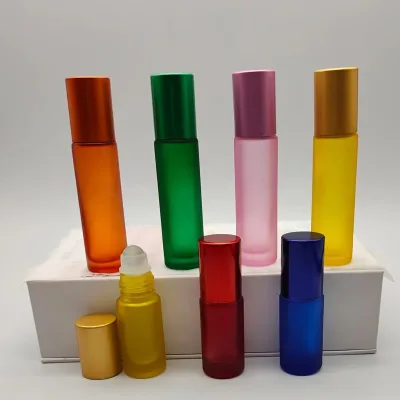
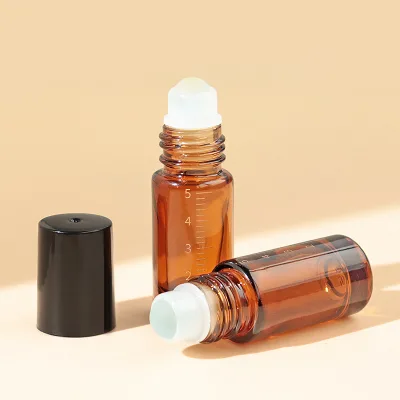

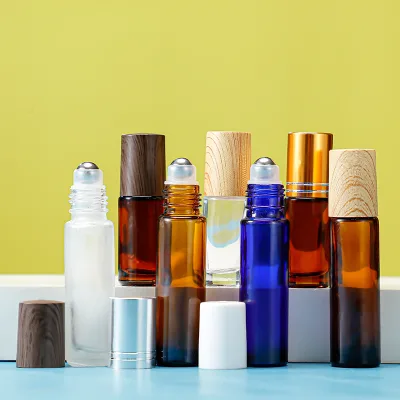


Empty Glass Gradient Blue Bottle with Steel Plastic Roller Ball for Essential Oil
$0.16 - $0.23
MOQ: 10000 Pieces

Empty 10ml Glass Roll-on Bottle Essential Oil Cream Bottle with Roller Ball
$0.05 - $0.16
MOQ: 10000 Pieces


Glass Essential Oil Bottle Roller Bottle Colorful 5ml Glass Roll-on Bottle
$0.18 - $0.26
MOQ: 5000 Pieces


3ml Octagon Attar Glass Essential Oil Roller Bottles /Roll on Oil Bottles
$0.05 - $0.39
MOQ: 10000 Pieces

Comprehensive Sourcing Guide
Roller Glass Essential Oil Bottle Sourcing Guide
Sourcing high-quality roller glass essential oil bottles requires a careful balance of aesthetic appeal, functional integrity, and regulatory compliance. These containers are ubiquitous in the aromatherapy and personal care industries, serving as the primary vessel for transporting and applying volatile aromatic compounds. The procurement process must account for the specific material properties of glass, the mechanical reliability of the roller ball mechanism, and the customization capabilities of the supplier. Buyers must navigate a market where visual design often competes with functional durability, ensuring that the chosen packaging protects the integrity of the essential oil while providing a premium user experience.
This guide provides a structured approach to evaluating suppliers and products based on observed market data and technical requirements. It focuses on verifying material composition, assessing sealing mechanisms, and understanding the commercial terms that govern bulk orders. By adhering to these procurement principles, buyers can mitigate risks associated with product failure, such as leakage or roller ball malfunction, while ensuring that the final packaging aligns with brand identity and sustainability goals. The following sections detail the critical steps for successful sourcing, from initial product scope definition to long-term supplier relationship management.
Product Scope and Observed Listing Signals
The current market for roller glass essential oil bottles exhibits a wide range of specifications, with observed prices ranging from $0.02 to $0.65 USD per unit. This variance typically reflects differences in glass thickness, cap complexity, and the inclusion of additional accessories such as wooden caps or gradient finishes. Minimum Order Quantities (MOQs) are similarly flexible, ranging from 500 to 100,000 pieces, allowing both small startups and large manufacturers to find suitable entry points. High-confidence data indicates that glass is the predominant material, with common volumes under 100 ml, specifically highlighting 10 ml, 30 ml, and 50 ml sizes as standard offerings.
Visual and functional customization is a key driver in this category, with suppliers frequently offering logo printing, color customization, and gradient decorations. The observed product models, such as the GBC 130 and GBC035, demonstrate the availability of existing molds that can be adapted for specific brand needs. Buyers should note that while many listings advertise "environmental purest glass" and recyclable features, these attributes must be verified through direct supplier communication. The presence of stainless steel roller balls is a common technical feature, ensuring durability and resistance to corrosion from essential oil compounds, which is critical for maintaining product hygiene and performance.
Technical Specifications to Verify
When evaluating technical specifications, the integrity of the sealing mechanism is paramount. The screw cap design is widely used to prevent leakage, a common issue with volatile liquids. Buyers must verify the compatibility between the glass neck and the cap thread to ensure a tight seal. Additionally, the material of the roller ball itself, often stainless steel, should be confirmed to resist degradation from acidic or oily substances. The surface handling, such as screen printing or silk screen printing, must be assessed for adhesion quality, as poor printing can lead to peeling or smudging during use or shipping.
Volume accuracy and physical dimensions are also critical technical factors. Listings often specify standard volumes like 5 ml, 10 ml, or 15 ml, but actual capacity may vary slightly due to manufacturing tolerances. Buyers should request detailed dimensional drawings to ensure the bottles fit within their designated packaging or retail displays. The choice between existing models and custom molds involves a trade-off between cost and uniqueness; existing molds offer faster lead times and lower setup costs, while custom molds provide distinct branding opportunities but require higher initial investment and longer production cycles.
Compliance and Safety Documentation
Regulatory compliance is non-negotiable for essential oil packaging, particularly when the product comes into direct contact with the skin. Buyers must ensure that the glass used is food-grade or cosmetic-grade, free from harmful heavy metals that could leach into the oil. Documentation such as SGS certification provides evidence of material safety and compliance with international standards. It is essential to verify that the supplier can provide up-to-date test reports for the specific batch of glass and caps being purchased, as material compositions can vary between production runs.
In addition to material safety, buyers should inquire about the environmental impact of the packaging. Many suppliers highlight features such as recyclability and degradability, which are increasingly important to consumers. However, these claims should be substantiated with relevant certifications or material safety data sheets (MSDS). The use of accessories like lids and caps should also be evaluated for their environmental footprint, ensuring that mixed materials do not complicate recycling processes. Clear communication regarding these compliance aspects helps mitigate legal risks and enhances brand reputation in environmentally conscious markets.
Cost Drivers and Commercial Terms
The final cost of roller glass essential oil bottles is influenced by several factors, including material quality, customization complexity, and order volume. Prices observed in the market range from $0.02 to $0.65, with higher costs typically associated with intricate designs, gradient finishes, or custom logo printing. The MOQ of 5000 pieces is a common threshold for achieving competitive pricing, but smaller orders may incur higher per-unit costs due to setup fees and lower production efficiency. Buyers should carefully analyze the total landed cost, including shipping, duties, and insurance, rather than focusing solely on the unit price.
Commercial terms such as EXW, FOB, and CNF play a significant role in cost management and logistics planning. EXW (Ex Works) places the responsibility for shipping and insurance on the buyer, offering more control over logistics but requiring greater coordination. FOB (Free on Board) and CNF (Cost and Freight) shift more responsibility to the supplier, simplifying the buyer’s logistics but potentially increasing the base price. Buyers should negotiate clear terms regarding payment methods, sample costs, and warranty policies to ensure a transparent and fair transaction. Understanding these terms helps in budgeting accurately and avoiding unexpected expenses during the procurement process.
Supplier Qualification and Quality Control
Selecting a reliable supplier involves rigorous qualification and quality control measures. Buyers should verify the supplier’s experience, with many claiming over 10 to 15 years in the industry, which often correlates with better production consistency and problem-solving capabilities. Requesting samples is a critical step to evaluate the physical quality of the bottles, including the smoothness of the roller ball, the clarity of the glass, and the precision of the printing. Suppliers that offer inspection before shipment provide an additional layer of assurance, allowing buyers to catch defects before the goods leave the factory.
Quality control protocols should be clearly defined in the purchase agreement, including acceptable defect rates and procedures for handling non-conforming products. Buyers should inquire about the supplier’s internal quality management systems and whether they conduct regular audits or tests on their production lines. The ability to provide OEM/ODM services indicates a supplier’s flexibility and commitment to meeting specific client requirements. Establishing a strong relationship with a qualified supplier ensures consistent product quality and reliable supply chain performance, reducing the risk of disruptions and maintaining brand integrity.
Long-Term Procurement Checks
Long-term procurement success depends on continuous monitoring and relationship management. Buyers should regularly review supplier performance metrics, including on-time delivery rates, product quality consistency, and responsiveness to issues. Establishing a feedback loop with the supplier allows for continuous improvement and adaptation to changing market demands or regulatory requirements. Regular audits, whether on-site or virtual, can help verify that the supplier maintains their claimed standards and practices throughout the contract period.
Additionally, buyers should stay informed about industry trends and technological advancements in packaging materials and designs. This proactive approach enables early adoption of innovative solutions that may offer cost savings or enhanced product appeal. Maintaining a diversified supplier base can also mitigate risks associated with single-source dependencies, ensuring business continuity in case of supply chain disruptions. By focusing on long-term partnership and strategic alignment, buyers can secure a competitive advantage and drive sustainable growth in the essential oil packaging market.
FAQs
What materials are used for the Roller Glass Essential Oil Bottle?
The bottle is made of glass with a stainless steel roller ball material. This combination ensures durability and safety for storing essential oils and cosmetics while providing a premium feel for the user.
Can I customize the logo and color on these bottles?
Yes, both the logo and color can be customized to meet your brand requirements. The product supports screen printing and accepts customized logos, allowing for unique branding on the glass surface.
What is the minimum order quantity for these glass bottles?
The minimum order quantity is 5000 pieces for this specific product line. Some variations may list different ranges, but the standard requirement for this model starts at this volume to ensure production efficiency.
Which certifications do these essential oil bottles hold?
These bottles carry SGS certification to verify product quality and safety standards. This certification ensures the materials meet international requirements for use in cosmetics and personal care products.
How are these bottles packaged for export?
The bottles are packed in normal safety export boxes or customized boxes depending on your request. Options include individual gift boxes, PVC boxes, or brown cartons to ensure safe delivery during shipping.
What capacities are available for these roller ball bottles?
Available capacities include 5ml, 10ml, 15ml, 30ml, and 50ml options. The specific 10ml and 30ml models are commonly used for essential oils and aromatherapy applications in the global market.
Where are these glass bottles manufactured?
These bottles are manufactured in China by experienced suppliers. The production origin ensures access to established glass manufacturing capabilities and efficient logistics for international distribution.