Source Rolling Code IR Remote Control for Garage, Gate, and Door
Compare 30 Rolling Code IR Remote Control options from verified suppliers. Buyers can evaluate specifications like frequency, voltage, and encoding modes for garage gates, automatic doors, and special equipment applications; compare the available evidence and request quotations based on your requirements.
Key considerations
Products List


$5000.00 - $20000.00
MOQ: 1 Pieces


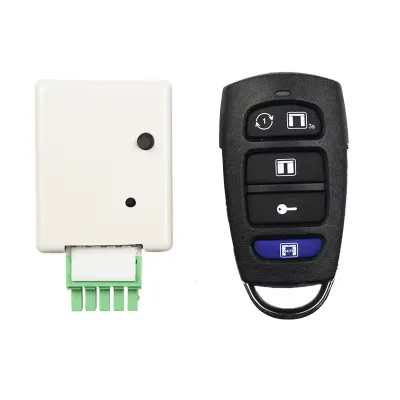


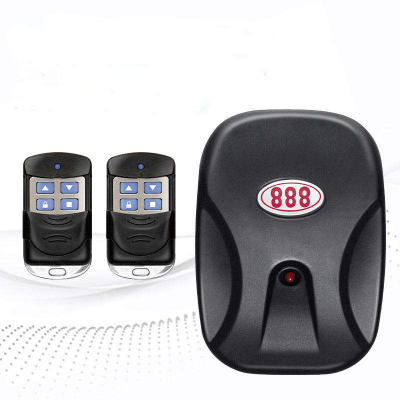


Comprehensive Sourcing Guide
Rolling Code IR Remote Control Sourcing Guide
Procuring rolling code infrared remote controls requires a nuanced understanding of signal security and transmission protocols. While the core keyword suggests infrared technology, the observed market data heavily features RF (Radio Frequency) solutions with rolling code encryption. Buyers must carefully distinguish between true IR remotes and RF remotes that may be marketed under similar terms. The primary advantage of rolling code technology lies in its dynamic encryption, which prevents code grabbing and replay attacks, ensuring that each transmitted signal is unique. This security feature is critical for applications involving garage doors, gate operators, and access control systems where unauthorized access poses significant safety and liability risks.
When sourcing these devices, it is essential to verify the specific modulation and encoding modes supported by the supplier. The observed listings indicate a prevalence of ASK (Amplitude Shift Keying) modulation and frequencies such as 433MHz or 315MHz, which are standard for RF applications rather than traditional IR. Buyers should confirm whether the device uses fixed, learning, or rolling code encoding, as this dictates compatibility with existing receivers. Additionally, the physical form factor, whether button-style or quad-key, must align with the ergonomic and functional requirements of the end-user. Misidentifying the transmission medium can lead to integration failures, making precise technical verification a mandatory first step in the sourcing process.
Product Scope and Observed Listing Signals
The current market landscape for remote controls shows a diverse range of models, with observed listings featuring identifiers such as KL280, KL300, and KL-K400C. These models vary significantly in physical dimensions, with sizes ranging from compact 58x39x14mm units to larger 95x38x17mm controllers. The material composition also varies, with some units constructed from plastic and others from metal, impacting durability and aesthetic appeal. Buyers should note that while the search term specifies IR, the dominant product signals in the supply chain point toward RF remote controls with rolling code capabilities. This discrepancy highlights the importance of validating the actual technology before placing orders, as RF remotes offer longer transmission distances, typically between 50-100 meters, compared to the line-of-sight limitations of IR.
Pricing and minimum order quantities (MOQ) exhibit wide variability, with observed prices ranging from $0.50 to $20,000 and MOQs from 1 to 500 units. This broad spectrum suggests that the market includes both simple consumer-grade remotes and complex, customized industrial solutions. The presence of customization options indicates that suppliers are willing to tailor packaging, branding, and potentially technical specifications to meet specific buyer needs. However, the high-end price points may reflect specialized industrial applications or bulk industrial contracts rather than standard consumer electronics. Buyers must align their procurement volume and budget with the appropriate tier of suppliers, ensuring that the selected partner can deliver the required quality and quantity without compromising on security features or build quality.
Technical Specifications to Verify
Voltage and power requirements are critical parameters that must be strictly verified during the sourcing process. Observed data indicates a prevalence of 12V operation, with some models supporting customized voltages such as 6V, 9V, or 24V. Battery types vary, with AAA batteries and 12V battery models being common, while other units operate on 3V power sources. Buyers must ensure that the power specification matches the intended application, particularly for embedded systems or devices with specific power constraints. The operating current, observed at 12mA for some models and up to 5A for others, further dictates the suitability of the remote for low-power or high-drain applications. Mismatched voltage or current specifications can lead to device failure or reduced lifespan, making precise electrical verification essential.
Transmission frequency and encoding modes are equally vital for ensuring system compatibility and security. The observed listings highlight frequencies of 433MHz and 315/433.92MHz, which are standard for RF communications in many regions. Buyers must verify that the chosen frequency complies with local regulatory standards and does not interfere with other wireless devices. The encoding mode, whether fixed, learning, or rolling code, determines the security level and pairing process. Rolling code technology, specifically EV1527 learning code, offers enhanced security by generating a new code for each transmission. Buyers should request detailed technical datasheets to confirm the modulation mode, typically ASK, and ensure that the remote’s encoding protocol is fully compatible with the receiver unit in the target application.
Compliance and Safety Documentation
Certification requirements are non-negotiable for international procurement, particularly when dealing with electronic devices that emit radio frequencies. The observed listings frequently mention CE and FCC certifications, indicating compliance with European and American regulatory standards for electromagnetic compatibility and safety. Additionally, RoHS certification is commonly cited, ensuring that the products are free from hazardous substances such as lead and mercury. Buyers must request valid certification documents from suppliers to verify that the products meet the legal requirements of the destination market. Failure to obtain proper certifications can result in customs delays, product seizures, or legal liabilities, making documentation verification a critical step in the sourcing workflow.
Beyond regulatory certifications, buyers should also inquire about industry-specific standards and quality management systems. Some listings mention ISO certifications, which indicate a supplier’s commitment to standardized quality processes. While not always mandatory, ISO certification can serve as a reliable indicator of a supplier’s operational maturity and consistency. Buyers should also verify that the products comply with local safety standards for electrical devices, particularly regarding battery safety and housing flammability. Requesting test reports from accredited laboratories can provide additional assurance of product safety and performance. By prioritizing suppliers with robust compliance documentation, buyers can mitigate risks associated with regulatory non-compliance and ensure that the sourced products are safe for end-users.
Cost Drivers and Commercial Terms
The cost of rolling code remote controls is influenced by several factors, including material composition, customization level, and order volume. Metal-cased units typically command higher prices than plastic alternatives due to increased material and manufacturing costs. Customization options, such as branded packaging or tailored technical specifications, also add to the overall cost. Buyers should negotiate pricing based on clear volume tiers, as observed MOQs range from 1 to 500 units, allowing for flexibility in initial orders. Understanding the cost structure helps buyers identify potential savings opportunities, such as consolidating orders or selecting standard models over customized ones. However, buyers must balance cost considerations with quality and security requirements, as cheaper options may compromise on encryption strength or build durability.
Commercial terms, including payment methods, lead times, and shipping arrangements, significantly impact the total cost of ownership. Buyers should establish clear agreements on payment terms, such as deposits or letters of credit, to protect against financial risks. Lead times can vary based on production capacity and customization requirements, so it is essential to confirm delivery schedules before finalizing orders. Shipping costs should also be factored into the budget, especially for international orders, as freight charges can substantially increase the final price. Buyers should work with suppliers who offer transparent pricing and reliable logistics solutions to ensure timely delivery and minimize unexpected expenses. By carefully managing commercial terms, buyers can optimize their procurement strategy and achieve better value for their investment.
Supplier Qualification and Quality Control
Supplier qualification is a critical step in ensuring the reliability and consistency of rolling code remote controls. Buyers should conduct thorough due diligence to verify the supplier’s manufacturing capabilities, quality control processes, and financial stability. Requesting factory audits or third-party inspections can provide valuable insights into the supplier’s operational practices and compliance with industry standards. Suppliers with established quality management systems are more likely to deliver products that meet specified technical and safety requirements. Buyers should also assess the supplier’s ability to provide technical support and after-sales service, as these factors contribute to long-term partnership success. By selecting qualified suppliers, buyers can reduce the risk of receiving defective or non-compliant products.
Quality control measures should be implemented throughout the production process to ensure product consistency and reliability. Buyers should define clear acceptance criteria for incoming goods, including visual inspections, functional tests, and security verification. Random sampling and batch testing can help identify potential defects or deviations from specifications before shipment. Suppliers should be required to provide quality assurance documentation, such as inspection reports and test certificates, for each batch of products. Buyers should also establish a feedback loop with suppliers to address any quality issues promptly and implement corrective actions. By maintaining rigorous quality control standards, buyers can ensure that the sourced remote controls perform reliably in their intended applications and meet customer expectations.
Long-Term Procurement Checks
Long-term procurement success depends on continuous monitoring and evaluation of supplier performance and product quality. Buyers should establish key performance indicators (KPIs) to track metrics such as on-time delivery, defect rates, and customer satisfaction. Regular performance reviews with suppliers can help identify areas for improvement and foster a collaborative relationship. Buyers should also stay informed about technological advancements and regulatory changes in the remote control industry to ensure that their sourcing strategy remains relevant and compliant. Adapting to market trends and supplier capabilities can help buyers maintain a competitive edge and secure high-quality products at optimal costs. By prioritizing long-term relationships and continuous improvement, buyers can build a resilient and efficient supply chain.
Supply chain resilience is essential for mitigating risks associated with disruptions, such as raw material shortages or geopolitical events. Buyers should diversify their supplier base to reduce dependency on single sources and enhance flexibility. Developing contingency plans for potential disruptions can help minimize the impact on production and delivery schedules. Buyers should also consider the environmental and social impact of their sourcing decisions, prioritizing suppliers who demonstrate sustainability and ethical practices. By integrating resilience and sustainability into their procurement strategy, buyers can create a more robust and responsible supply chain. This approach not only protects the business from risks but also enhances its reputation and long-term viability in the global market.
FAQs
What certifications do these rolling code IR remotes have?
These rolling code IR remotes typically carry FCC, CE, and RoHS certifications. Some models also meet ISO standards. Buyers should verify specific certification documents for each product variant before placing bulk orders to ensure compliance with local regulations.
Can I customize the packaging for these remote controllers?
Yes, customization is available for packaging options like Kelvin Standard or custom cartons. Buyers can request specific packing methods such as color poly bags or blister cards. This flexibility supports branding needs while maintaining the standard product specifications provided by the manufacturer.
What is the transmission distance for these RF remote controls?
The transmission distance ranges from 50 to 100 meters for most models. Some variants may offer distances under 50 meters depending on the specific encoding mode used. Environmental factors can influence actual performance, so testing is recommended for critical applications requiring long-range reliability.
Which battery types are compatible with these remote devices?
These devices commonly use AAA batteries or operate on 12V DC power. Some models support customized operating voltages including 6V, 9V, and 24V. The specific battery model depends on the product series, so buyers should check the technical specifications for their chosen unit.
How does the encoding mode work for these remotes?
The encoding modes include fixed code, learning code, and rolling code options like EV1527. This ensures secure signal transmission for applications like automatic doors. Buyers can select the appropriate mode based on their security requirements and compatibility with existing receiver systems.
What are the physical dimensions of the KL280 model?
The KL280 model measures approximately 95 by 38 by 17 millimeters. Other models like KL300 have different sizes such as 58 by 39 by 14 millimeters. These dimensions ensure the remotes fit comfortably in hand while housing the necessary electronic components for reliable operation.
Where are these rolling code remotes manufactured?
These products originate from Guangdong, China, a major hub for electronics manufacturing. The location ensures access to established supply chains and quality control processes. Buyers can expect consistent production standards and efficient logistics when sourcing these items from verified suppliers in this region.